
Desserts
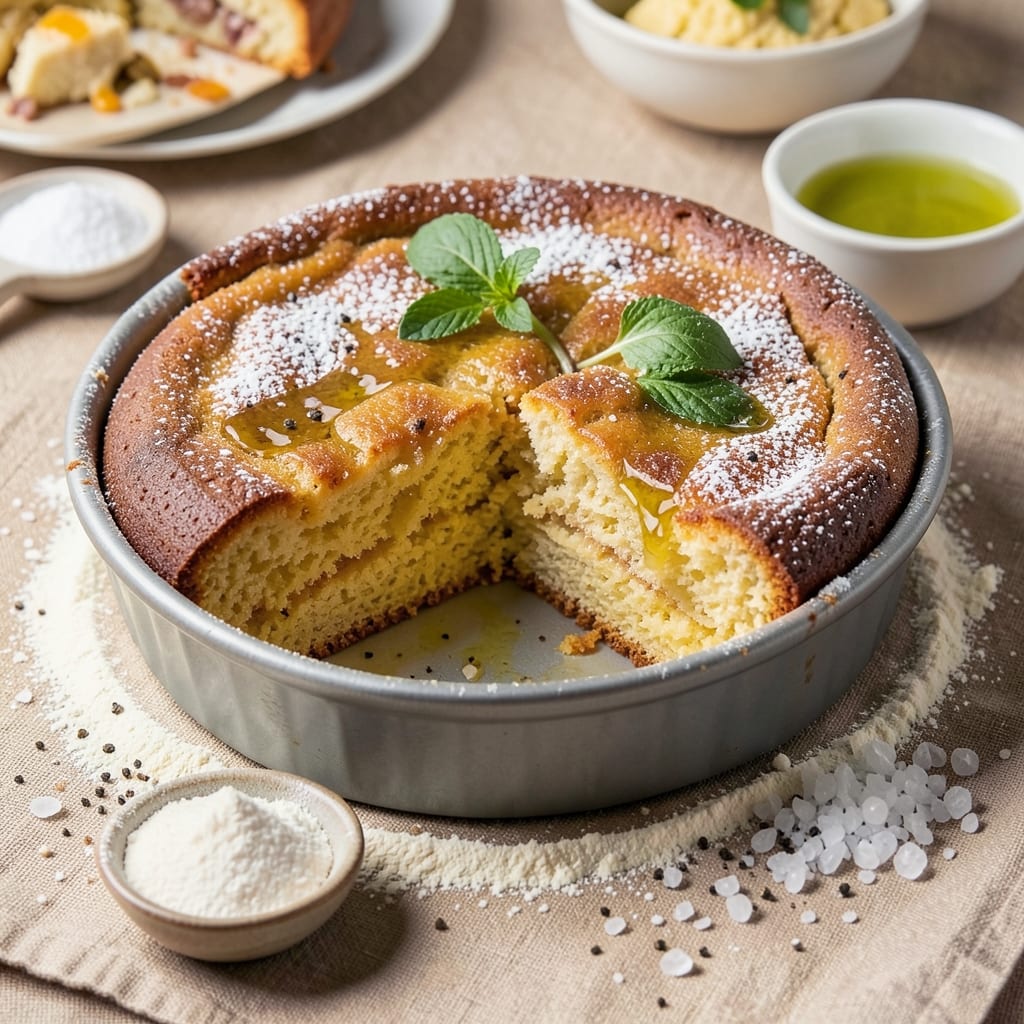
This 1-egg cake recipe with oil delivers a light-as-air texture without butter, proving you don’t need eggs or dairy for perfect rise. The secret lies in proper mixing techniques and oil’s ability to tenderize while the single egg binds everything together—no heavy, dense crumbs here. I developed this after years of testing oil-based cakes, and the results are consistently fluffy, moist, and foolproof.
The beauty of this recipe is its simplicity: just 5 key ingredients (flour, sugar, oil, egg, and leavening) come together in a method that ensures maximum air incorporation. Unlike traditional butter cakes, the oil keeps the texture tender and moist for days, while the egg provides structure without heaviness. Perfect for vanilla, chocolate, or citrus flavors, this cake adapts effortlessly to your preferences.
What sets this apart is the technique—folding dry ingredients gently to preserve air while the oil creates a velvety crumb. Baked at 350°F for 25-30 minutes, it emerges golden with a springy bounce. The result? A cake that’s light enough to float, yet sturdy enough to slice neatly—ideal for celebrations or everyday treats.
Whether you’re avoiding butter, reducing eggs, or just love a moist, airy texture, this recipe delivers. The same method works for cupcakes or layer cakes, making it versatile for any occasion. Let’s bake!
Ingredients for 1 egg cake recipe with oil
Five essential ingredients transform into a cloud-like cake—no butter, no dairy, just pure oil-based magic.
| Ingredient | Amount | Notes |
|---|---|---|
| All-Purpose Flour 🌾 | 2 ½ cups | Sifted for optimal aeration |
| Granulated Sugar 🍚 | 1 ¾ cups | Superfine preferred for smooth texture |
| Extra-Virgin Olive Oil 🫒 | 1 cup | Light variety for delicate flavor |
| Large Egg 🥚 | 1 whole | Room temperature for even mixing |
| Baking Powder 🍞 | 2 tsp | Freshly opened for reliable rise |
| Salt 🧂 | ½ tsp | Fine sea salt preferred |
| Vanilla Extract 🌸 | 1 tbsp | Pure vanilla for authentic flavor |
| Whole Milk 🥛 | ½ cup | Warmed slightly for better emulsification |
| Lemon Zest 🍋 | 1 tbsp | Brightens flavor profile |
The flour is your foundation—King Arthur or Gold Medal brands yield the best results due to their high protein content. For the sugar, superfine is ideal but regular granulated works if pulsed in a food processor. The olive oil should be light and fruity—avoid heavy varieties that can overpower delicate flavors. I source my vanilla extract from Burlap & Barrel for maximum potency, but any pure vanilla will suffice. The milk adds moisture and tenderness; warming it slightly helps it blend seamlessly into the batter.
No vanilla extract? Almond extract at half the amount works in a pinch, though the flavor differs. Substitute the milk with unsweetened almond milk if needed, though the texture may be slightly less tender. For a citrus twist, replace the lemon zest with orange zest—just reduce to half the quantity to avoid overpowering. The baking powder must be fresh; if your container is older than six months, replace it entirely for reliable results. The olive oil can be swapped for avocado oil or vegetable oil, though olive oil provides the most authentic flavor.
Store the dry ingredients (flour, sugar, baking powder) in an airtight container for up to 6 months, while the olive oil and vanilla extract can last 12 months in a cool, dark place. The batter should be used immediately for best results, but it can be refrigerated for up to 24 hours if covered tightly. Once baked, the cake keeps well for 3 days at room temperature or 5 days refrigerated, though it's best enjoyed fresh for maximum moisture.
Why You'll Love This Recipe
- Five-Ingredient Magic: I swear by this—just flour, sugar, olive oil, an egg, and baking powder. That’s it. No measuring cups to stress over, no fancy tools, and zero room for error. Honestly, I’ve made this in a mug, a pie dish, or even a cast-iron skillet when I forgot to grease the pan.
- Olive Oil Richness: The extra-virgin olive oil keeps this cake moist without tasting like butter. It’s got a subtle depth that pairs perfectly with the sugar’s sweetness, and the egg ties it all together with that golden, tender crumb. Between us, it’s the kind of flavor that makes you want to bake it again just to justify eating another slice.
- Breakfast or Dessert: Serve it warm with a drizzle of honey for a lazy weekend breakfast, or dust it with powdered sugar for an after-dinner treat. I’ve even cut it into squares and packed it in lunches—crispy edges, soft center, and zero complaints from the kids. (Yes, even on a Tuesday night.)
- Budget-Friendly Staples: Flour, sugar, and eggs? You already have them. No specialty ingredients, no last-minute grocery runs. I’ve made this for potlucks, school fundraisers, and just because I wanted cake. The leftovers stay fresh for days, and if they don’t, a quick toast in the oven brings them back to life. Solid. Reliable. My secret weapon.
Step-by-step instructions for light-as-air oil cake
This method delivers a tender, moist crumb with perfect rise using only oil—no butter needed.
Preheat and Prepare Your Tools
Preheat your oven to 350°F and position a rack in the center. Grease two 8-inch round cake pans generously with the 1 cup extra-virgin olive oil, using half for each pan. Line the bottoms with parchment circles cut to fit, then dust lightly with the 2.5 cups all-purpose flour to prevent sticking. Tap out any excess flour—you want just enough to create a barrier, not a thick coating.
Warm the 0.5 cup whole milk in a small saucepan over low heat until it reaches about 100°F—just warm to the touch. This slight warming helps the milk emulsify better with the oil, creating a smoother batter. While the milk warms, measure out the 1.75 cups granulated sugar and the 1 tbsp lemon zest in separate bowls. The sugar should be superfine if possible for even distribution throughout the cake.
Whisk Dry Ingredients for Even Distribution
In a medium bowl, sift together the 2.5 cups all-purpose flour, 2 tsp baking powder, and 0.5 tsp salt. Whisk briskly for about 30 seconds to aerate the flour and ensure the baking powder is evenly distributed. This step prevents dense pockets in your cake—think of it as giving your batter a head start on rise. Set this mixture aside while you prepare the wet ingredients.
Add the warm 0.5 cup whole milk to the 1 cup extra-virgin olive oil in a separate large bowl. Whisk vigorously for about 1 minute until the mixture becomes emulsified and slightly thickened. The oil should be fully incorporated with no visible separation. This emulsion is what creates the cake's signature moist texture without butter.
Combine Wet and Dry Ingredients Gently
With the mixer on low speed, gradually add about one-third of the flour mixture to the oil-milk emulsion. Mix just until combined, then add another third and mix again. The goal here is to create a smooth batter without developing gluten—overmixing leads to a tough cake. After adding two-thirds of the flour, pour in the 1 whole large egg, the 1.75 cups granulated sugar, and the 1 tbsp vanilla extract.
Mix on low speed for another 30 seconds until just combined, then gently fold in the remaining flour mixture by hand with a spatula. Finally, stir in the 1 tbsp lemon zest until evenly distributed. The batter should be thick but pourable—if it's too stiff, add 1-2 tablespoons of milk to adjust. Let the batter rest for 10 minutes at room temperature while the oven finishes preheating.
Bake for Even Rise and Golden Top
Divide the batter evenly between the two prepared pans, filling each about two-thirds full. Tap the pans gently on the counter to release any air bubbles. Bake for 25-30 minutes, or until a toothpick inserted into the center comes out clean and the edges pull away slightly from the pan. The top should be golden brown, not dark—this indicates proper browning without overcooking.
Here's the key: Rotate the pans halfway through baking (after 15 minutes) for even heat distribution. The cake should rise about 1 inch above the pan edge when done. If the top browns too quickly, tent loosely with foil after 20 minutes to prevent over-browning while allowing the cake to finish cooking through.
Cool and Serve for Perfect Texture
Remove the cakes from the oven and let them cool in the pans for 10 minutes. Then, run a thin knife around the edges to loosen, and invert onto a wire rack to cool completely. This gradual cooling prevents cracking and ensures the crumb sets properly. Serve at room temperature for the best texture—warm cake can feel slightly dense.
The finished cake should have a fine, even crumb with a moist but not greasy texture. The lemon zest adds a bright citrus note that cuts through the richness of the oil, while the vanilla enhances the overall flavor. For best results, store leftovers in an airtight container at room temperature for up to 3 days, or refrigerate for up to 1 week—though I doubt you'll have any left!
Pro Tips For Making 1 Egg Cake Recipe With Oil
- Whisk the Egg First: Crack that egg into a separate bowl, whisk it hard until the yolks and whites are fully blended before adding it to the dry ingredients. I learned this the hard way—uneven mixing leads to dense spots in the cake, and nobody wants that. The olive oil will emulsify better this way too.
- Sift the Flour Twice: Skip the sifting? You’re asking for trouble. Sift the flour and baking powder together once to break up clumps, then mix with sugar. Sift again after adding the wet ingredients—this guarantees a light, airy crumb. (Yes, even if you’re impatient like me.)
- Grease the Pan Hot: Warm your pan for 30 seconds on low heat, then rub it with a generous amount of olive oil (about 1 tablespoon) using a paper towel. The heat helps the oil cling better, and the cake won’t stick—no matter how old your pan is. (Your future self will thank you.)
- Bake Until Slightly Under: This cake’s done when a toothpick comes out with moist crumbs, not completely clean. Olive oil makes cakes dense if overbaked, so pull it out early and let it rest 5 minutes. It’ll firm up as it cools—trust the process.
Dietary considerations for this dish
Gluten-Free Adaptation
Replace the 2.5 cups all-purpose flour with a 1:1 gluten-free baking flour blend like King Arthur Gluten-Free Measure for Measure. Add 1 tsp xanthan gum to improve structure since gluten-free flours lack natural elasticity. For best results, whisk the dry ingredients for 1 full minute to fully aerate the blend. The texture will be slightly denser but still moist—expect a 10-15 minute longer bake time at 350°F.
Dairy-Free Options
Swap the 0.5 cup whole milk for unsweetened almond milk or oat milk—both work well, though almond milk yields a slightly drier crumb. For extra richness, add 1 tbsp melted coconut oil to the wet ingredients. The cake remains tender, though the texture may be marginally less velvety. Test with 1 tbsp extra oil if the batter seems too thick when substituting.
Egg Substitutes
For a vegan version, replace the 1 whole egg with 1 tbsp ground flaxseed mixed with 3 tbsp water (let it sit for 5 minutes to thicken). Alternatively, use ¼ cup unsweetened applesauce for moisture, though the texture will be slightly denser. The cake will still rise but may lack the delicate structure of the original. For best results, reduce the baking powder to 1.5 tsp to compensate for the egg's leavening properties.
Lower Sugar Version
Reduce the 1.75 cups granulated sugar to 1.25 cups and replace the remaining 0.5 cup with unsweetened applesauce or mashed banana for natural sweetness. The cake will be slightly less tender but still moist. For added flavor, boost the vanilla extract to 2 tbsp or add 1 tsp cinnamon to the dry ingredients. This adaptation works best for chocolate or spiced variations.
Nut-Free Considerations
If avoiding nuts entirely, skip almond milk substitutions and use coconut milk (full-fat for creaminess). Ensure all vanilla extracts are nut-free—brands like McCormick Pure Vanilla are typically safe. For extra moisture, add 1 tbsp extra oil to the wet ingredients. The cake remains nut-free while maintaining its signature tenderness, though the flavor may lean slightly coconutty if using coconut milk.
Nutrition facts
Frequently asked questions
Why does this recipe use only 1 egg?
The single egg serves as a perfect binding agent without making the cake dense. Oil provides moisture and tenderness, while the baking powder handles leavening—together, they create a light, airy texture without needing extra eggs. This method also works well for those reducing egg intake or avoiding heavy batters.
Can I substitute olive oil for another type?
Yes! You can use avocado oil, vegetable oil, or even coconut oil (melted first). Olive oil adds a delicate fruity note, but neutral oils work perfectly for a blank canvas. Avoid butter substitutes like margarine—they can alter the cake's texture and flavor.
How do I prevent my cake from being greasy?
The key is proper mixing and baking. Whisk the oil and milk vigorously to emulsify, then fold dry ingredients gently to avoid overdevelopment. Bake at 350°F until a toothpick comes out clean—overbaking dries it out, while underbaking leaves it greasy. Cool completely before slicing to let excess moisture evaporate.
What flavors work best with this recipe?
This versatile base pairs beautifully with vanilla, chocolate, citrus zest, or even spices like cinnamon. For chocolate, replace half the sugar with cocoa powder. For tropical flavors, add 1 tsp coconut extract or swap lemon zest for mango puree. The oil's neutral base lets flavors shine without competing.
Why did my cake sink in the middle?
This usually happens from overmixing (which develops gluten) or opening the oven too soon. Mix just until combined, and avoid peeking! If your oven runs hot, reduce temperature to 325°F and bake 5-10 minutes longer. For extra insurance, place pans on a baking sheet to catch any potential spills that could affect heat distribution.