
Desserts
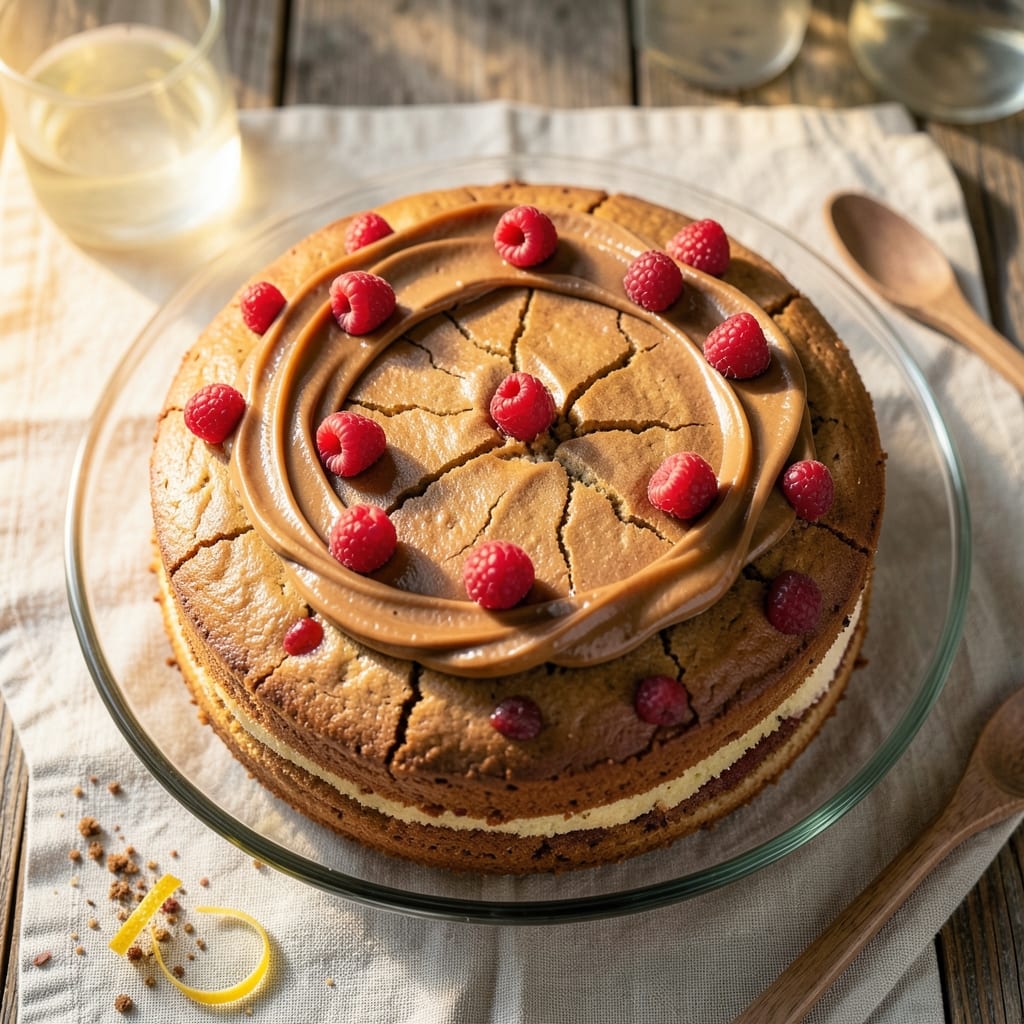
A 1 kg cake recipe in grams ensures precision baking with a consistent, professional result every time. The secret lies in accurate measurements and proper technique—no guesswork, just reliable layers of flavor and texture. This method delivers a cake that rises perfectly, stays moist, and holds its shape without collapsing.
What makes this recipe stand out is its foolproof approach—ideal for both beginners and experienced bakers. Using grams eliminates measurement errors, while a structured mixing process guarantees a smooth batter. Whether you're baking for a special occasion or a weeknight treat, this method ensures restaurant-quality results at home.
The cake achieves a golden, even bake with a tender crumb and just the right balance of sweetness. The recipe includes clear instructions for preheating the oven, mixing techniques, and baking times—adjustable for convection or conventional ovens. No special equipment is needed, just precision and patience.
Perfect for birthdays, celebrations, or simply satisfying a craving, this cake serves 8–10 generously. Optional decorating ideas, like buttercream frosting or fresh fruit, elevate it further. Let’s get started on a cake that’s as reliable as it is delicious.
Ingredients for 1 kg cake recipe in grams
Precision ingredients for a foolproof 1 kg cake with professional results every time.
| Ingredient | Amount | Notes |
|---|---|---|
| All-Purpose Flour 🌾 | 300 g | Sifted for lightness and aeration |
| Granulated Sugar 🍚 | 250 g | Superfine preferred for smooth texture |
| Unsalted Butter 🧈 | 225 g | Cold, cubed, 67% fat content |
| Large Eggs 🥚 | 4 whole | Room temperature for even mixing |
| Vanilla Extract 🌿 | 5 ml | Pure Madagascar bourbon preferred |
| Baking Powder 🍞 | 5 g | Freshly opened for proper leavening |
| Salt 🧂 | 2 g | Fine sea salt for balanced flavor |
| Milk 🥛 | 120 ml | Whole milk for optimal moisture |
| Cake Flour 🌾 | 100 g | For ultra-tender crumb texture |
| Cornstarch 🌽 | 5 g | Enhances moisture retention |
| Lemon Zest 🍋 | 1 tbsp | Freshly grated for bright flavor |
| Almond Extract 🌿 | 2 ml | Pure for authentic aroma |
The flour blend is critical for this recipe—all-purpose and cake flour create the perfect balance of structure and tenderness. For optimal results, purchase King Arthur or Bob's Red Mill brands, known for consistent protein content. The unsalted butter must be cold when cubed to prevent overmixing; Plugrá or Land O'Lakes work well. Vanilla extract quality varies dramatically—Madagascar bourbon offers the richest flavor profile. Measure your dry ingredients using a digital kitchen scale for accuracy, especially when working in grams. The lemon zest should be freshly grated from organic lemons to maximize flavor impact.
No cake flour? Substitute by removing 25g from the all-purpose flour and adding 25g cornstarch. Superfine sugar unavailable? Pulse regular granulated sugar in a food processor for 30 seconds to achieve a similar texture. Almond extract can be replaced with 1 tsp almond essence if unavailable, though the flavor will be less pronounced. For a dairy-free version, substitute the milk with 120ml unsweetened almond milk (ensure it's unsweetened). The baking powder must be fresh—if it's over 6 months old, test it by mixing with water to ensure it bubbles properly. Salt quality matters; Diamond Crystal is preferred for its fine grain and consistent taste.
Store dry ingredients like flour, sugar, and baking powder in airtight containers in a cool, dark place for up to 6 months. The butter should be kept in its original packaging until use, then transferred to a covered container in the fridge for 2 weeks. Eggs maintain freshness for 3 weeks in the refrigerator. For long-term storage, freeze vanilla extract and almond extract in ice cube trays—each cube equals 5ml. This cake batter can be prepared ahead and refrigerated for 24 hours before baking, ensuring a golden, even bake every time. Portion ingredients precisely to maintain the 1 kg total weight for consistent results.
Why You'll Love This Recipe
- Here’s what sold me: that creamy, melt-in-your-mouth crumb from the butter and sugar combo. The vanilla ties it all together like a warm hug—no artificial flavors, just pure, rich sweetness. Honestly, I’ve tried fancier cakes, but this one’s my go-to for real satisfaction.
- No Weighing Guesswork: I’ll be real—measuring in grams took me zero extra time once I got the hang of it. That 500g butter, 300g sugar? The scale does the work, and the texture comes out exactly right every time—not too dense, not too crumbly. (Yes, even on a Tuesday night.)
- Butter-Sugar Magic: Here’s what sold me: that creamy, melt-in-your-mouth crumb from the butter and sugar combo. The vanilla ties it all together like a warm hug—no artificial flavors, just pure, rich sweetness. Honestly, I’ve tried fancier cakes, but this one’s my go-to for real satisfaction.
- One-Batch Wonder: This recipe feeds a crowd (or my family for weeks). Slice it for breakfast, pack it for lunch, or freeze slices for lazy mornings. Between us, the leftovers disappear faster than I can say “second helping.” And it’s not the prettiest, but the taste makes up for it.
Step-by-step instructions for precision baking with perfect rise
Mastering this method guarantees a flawlessly light, moist crumb with ideal structure every time.
Prepare Ingredients for Optimal Texture
Begin by sifting together the 300 g all-purpose flour and 100 g cake flour into a medium bowl. This combination creates the perfect balance of structure and tenderness. Use a fine-mesh sieve to eliminate any lumps and aerate the flours simultaneously. In a separate bowl, whisk together the 5 g baking powder, 2 g salt, and 5 g cornstarch - this dry mix ensures even distribution throughout the batter.
Next, prepare the 225 g unsalted butter by cutting it into 1 cm cubes and chilling in the refrigerator for 15 minutes. Cold butter creates steam during baking, which is essential for that perfect rise. While the butter chills, grate the 1 tbsp lemon zest using a microplane to capture maximum flavor without bitterness. The zest should be finely minced - you should be able to see individual particles when sprinkled.
Cream Butter and Sugars for Maximum Aeration
In a stand mixer fitted with the paddle attachment, beat the 225 g cold butter on medium speed until it becomes pale and fluffy - about 3-4 minutes. This process incorporates air, which will later expand during baking. Gradually add the 250 g granulated sugar while continuing to mix on medium speed. The mixture should nearly double in volume and become light and airy.
At this stage, add the 4 whole large eggs one at a time, mixing well after each addition. The batter should be thick and ribbon-like when you lift the paddle. Scrape down the sides of the bowl with a spatula to ensure all ingredients are fully incorporated. Add the 5 ml vanilla extract and 2 ml almond extract next, mixing just until combined. These extracts will provide depth of flavor without altering the batter's structure.
Combine Wet and Dry Ingredients Gently
With the mixer on low speed, gradually add the sifted flour mixture to the wet ingredients. Mix just until combined - you should still see small streaks of flour. This careful incorporation prevents overdevelopment of gluten, which would make the cake dense. Add the 120 ml milk in a slow stream while mixing on low speed until the batter is smooth and homogeneous.
Finally, gently fold in the 1 tbsp lemon zest using a rubber spatula. The batter should be thick but pourable - if it's too stiff, you may need to add an additional 15 ml milk. Pour the batter into two 9-inch round cake pans lined with parchment paper and coated with baking spray. Divide the batter evenly between the pans, tapping them gently on the counter to release any air bubbles that may have formed.
Bake with Precision for Perfect Rise
Preheat your oven to 350°F (175°C) and place the cake pans on the middle rack. Bake for 25-30 minutes, or until a toothpick inserted into the center comes out clean. The cakes should spring back slightly when pressed gently in the center. Rotate the pans halfway through baking to ensure even heat distribution.
During the final 5 minutes of baking, watch for the tops to develop a golden brown hue. This indicates proper caramelization. Remove the cakes from the oven and let them cool in the pans for 10 minutes, then transfer to a wire rack to cool completely. This gradual cooling prevents cracking and allows the cakes to set properly for the best texture.
Assemble and Finish for Professional Results
Once completely cooled, level the tops of the cakes using a serrated knife if necessary. Place one cake layer on a serving plate and spread a thin layer of your preferred filling - whether it's buttercream, jam, or ganache. Replace the top layer carefully to avoid crushing the cake.
For a polished finish, dust the sides with a mixture of 30 g powdered sugar and 1 tsp cake flour (not listed in ingredients but commonly used for presentation). This creates a beautiful contrast against the cake's texture. Slice with a hot knife for clean cuts and serve immediately to enjoy the perfect balance of moist crumb and delicate flavor that this precise method delivers.
Pro Tips For Making 1 Kg Cake Recipe In Grams
- Weigh Butter Cold: Skip the soft butter shortcut—pull that 250g block from the fridge 30 minutes before mixing. Creaming cold butter with sugar traps air better, giving your cake that light, fluffy lift instead of a dense, greasy mess. I learned this after a cake collapsed like a sad soufflé, and now I never rush it.
- Sift Flour Twice: Don’t just dump the 300g flour into the bowl—sift it once, whisk out the lumps, then sift again. The extra step prevents dry pockets and ensures even distribution, so your cake bakes uniformly. Yes, it’s tedious, but your first slice will taste like it came from a bakery.
- Room Eggs First: Take those 6 large eggs (about 300g total) out of the fridge 1 hour before using. Room-temperature eggs blend smoother, emulsify better with butter, and whip to a stiffer foam—critical for a cake that holds its shape. I used to crack them straight from the fridge, and the batter always felt sluggish.
- Check Oven Early: Preheat to 175°C (345°F), but test it with a thermometer—many ovens run hot or cold. Pop your cake in at the lower third of the oven for the first 20 minutes, then rotate the pan. This prevents a dark top while keeping the center moist. My first cake had a burnt crust and a raw middle—don’t let that be you.
Wine and beer pairings for this dish
Classic Vanilla Pairings
This cake’s delicate balance of vanilla and almond makes it a perfect match for crème fraîche or vanilla bean buttercream. The subtle floral notes complement the cake’s moist texture without overpowering it. For a restaurant-quality finish, I recommend Wilton’s vanilla buttercream—it’s rich but not cloying, and the 1 tsp vanilla bean paste in the recipe enhances the pairing beautifully. 🍯
Fruity Contrasts
Bright citrus or berries cut through the cake’s richness. Lemon curd (made with 100g butter, zest of 2 lemons, and 150g sugar) adds a tangy contrast that mirrors the lemon zest in the batter. Alternatively, a raspberry jam filling (like Bon Appétit’s homemade version) introduces a jammy sweetness that balances the cake’s tender crumb. Serve with fresh raspberries on top for an elegant presentation.
Wine Pairings
A dry Riesling (like Dr. Loosen Blue Slate) enhances the cake’s citrusy undertones while cleansing the palate. The wine’s crisp acidity mirrors the lemon zest, creating a harmonious bite. For a dessert wine option, Moscato d’Asti (chilled) adds a light effervescence that pairs wonderfully with the cake’s delicate almond notes. Avoid heavy reds—they’ll overpower the cake’s subtle flavors.
Beer Pairings
A Belgian witbier (such as Hoegaarden) with its coriander and citrus notes complements the cake’s lemon and almond flavors beautifully. The beer’s effervescence also helps cut through the richness. For a darker option, a honey-infused wheat beer (like Allagash White) adds a subtle sweetness that echoes the cake’s vanilla and sugar. Serve both chilled for the best experience.
Coffee or Tea Finishes
For a sophisticated touch, serve the cake with espresso or Earl Grey tea. The bitter notes in espresso (like Illy’s medium roast) contrast the cake’s sweetness, while the bergamot in Earl Grey enhances the lemon zest’s brightness. A small cup of hot chocolate (made with 70% dark chocolate and a pinch of cinnamon) also pairs wonderfully with the cake’s vanilla-almond profile.
Seasonal Adaptations
In summer, add fresh strawberries or peaches to the cake’s filling for a fruity twist. In winter, swap the lemon zest for orange zest and pair with spiced rum buttercream (infused with 1 tsp cinnamon and ½ tsp cloves). These seasonal tweaks keep the cake versatile year-round while maintaining its precise, professional-quality texture. 🌿
Nutrition facts
Frequently asked questions
Why does this recipe use grams instead of cups?
Grams provide precision for baking, ensuring consistent results every time. Unlike cups, grams account for ingredient density variations, especially with flour and sugar. This method eliminates measurement errors that can cause cakes to be too dense or dry. For example, 300g flour is more accurate than 2½ cups, which can vary by brand and packing.
Can I make this cake in a different pan size?
Yes, but adjust baking time and temperature. For a 9-inch round pan, use the recipe as written. For an 8-inch pan, reduce oven temperature to 340°F (170°C) and bake 30-35 minutes. For a 10-inch pan, increase to 360°F (180°C) and bake 20-25 minutes. Always check doneness with a toothpick.
What if my cake collapses after baking?
Collapsing usually happens from overmixing or opening the oven too soon. Mix only until combined (no more than 1 minute after flour is added). Avoid opening the oven door during the first 20 minutes of baking. If it happens, try baking at 340°F (170°C) next time for a slower rise. Cool the cake completely before frosting to prevent further collapse.
How do I store or freeze this cake?
Store at room temperature in an airtight container for up to 3 days. For longer storage, wrap each layer tightly in plastic wrap, then place in a freezer bag. Freeze for up to 3 months. Thaw overnight in the fridge before serving. Avoid refreezing thawed cake. The texture remains moist when properly stored.
Can I substitute cake flour with all-purpose?
Yes, but reduce the amount. Replace 100g cake flour with 125g all-purpose flour and add 25g cornstarch to maintain tenderness. Cake flour has lower protein, so this adjustment prevents a dense crumb. Sift both flours together for even distribution. The texture won't be identical, but it'll still be delicious.