
Desserts
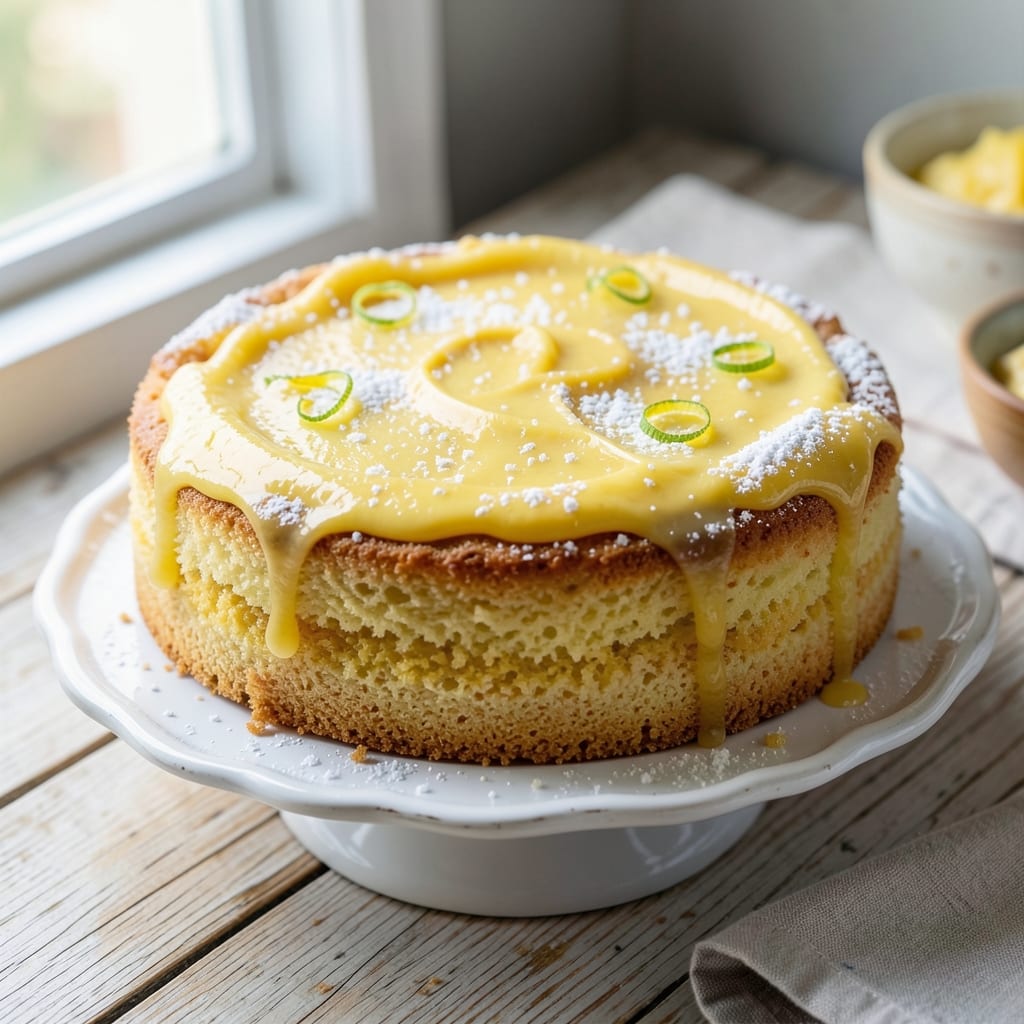
This 1-layer lemon cake recipe delivers restaurant-quality brightness without the complexity of multiple tiers. The secret lies in a perfectly balanced lemon extract and zest combination that infuses every bite with that signature tangy-sweet flavor, while a simple buttercream topping keeps it elegant yet approachable. I've baked this version countless times for gatherings where simplicity meets impressive results—no one ever guesses it's just one layer.
The beauty of this recipe is its foolproof technique: a single bowl mix, precise baking time, and a fool-resistant buttercream that stays stable. You'll achieve a moist, tender crumb with just the right amount of lemon zest to brighten the palate, all baked at 350°F for 25-30 minutes. The cake emerges golden with a subtle crackle on top, while the buttercream adds that professional finish without requiring advanced piping skills.
What makes this lemon cake truly special is how it balances effortless preparation with showstopping results. The lemon flavor shines through without being overpowering, and the buttercream—made with just powdered sugar, butter, and a splash of lemon juice—elevates it to bakery-level appeal. This is the kind of dessert that disappears quickly but leaves a lasting impression on your guests.
Perfect for birthdays, brunch celebrations, or when you simply crave something bright and citrusy, this cake comes together in under 45 minutes from start to finish. The recipe scales beautifully for larger gatherings, and the simplicity means you can focus on enjoying the moment rather than stressing over complicated techniques. Let's get baking!
Ingredients for 1 layer lemon cake
Twelve ingredients for a lemon cake that tastes like a bakery masterpiece without the fuss.
| Ingredient | Amount | Notes |
|---|---|---|
| All-Purpose Flour 🌾 | 2 cups | Sifted for even texture |
| Granulated Sugar 🍚 | 1 ½ cups | White or light brown |
| Unsalted Butter 🧈 | 1 cup | Room temperature, full-fat |
| Large Eggs 🥚 | 2 whole | Room temperature, separated |
| Lemon Zest 🍋 | 2 tbsp | Fresh, fine grated |
| Lemon Extract 🍋 | 1 tsp | Pure, high-quality |
| Lemon Juice 🍋 | ½ cup | Freshly squeezed |
| Baking Powder 🧂 | 2 tsp | Diamond Crystal preferred |
| Salt 🧂 | ½ tsp | Fine sea salt |
| Powdered Sugar 🍚 | 2 cups | Confectioners' sugar |
| Heavy Cream 🥛 | ½ cup | Cold, for stability |
| Vanilla Extract 🌿 | ½ tsp | Pure almond extract optional |
The lemon zest and extract are non-negotiable for that signature tang. Fresh lemons from the grocery store produce the brightest zest—avoid pre-grated bottles, which lose potency quickly. For the extract, McCormick or Frontier are reliable brands that deliver consistent flavor. The butter should be at room temperature but not melted; if it's too soft, chill the bowl for 10 minutes. Sift the flour and baking powder together to prevent lumps, which can lead to an uneven crumb. The baking powder matters here—Diamond Crystal measures differently than other brands, so use the spoon-and-level method for precision.
No lemon extract? Double the zest and add 1 tsp more lemon juice for a similar effect, though the flavor won't be as concentrated. Substituting butter with vegetable shortening keeps the cake moist but loses some richness. For a dairy-free option, Earth Balance vegan butter works well, though the texture may be slightly denser. The powdered sugar for the buttercream can be swapped for turbinado sugar if you prefer a slightly coarser texture, but it won't whip as smoothly. Fresh lemon juice is critical—bottled juice often contains preservatives that can dull the flavor. If you must use bottled, opt for ReaLemon or Simply Lemon for a closer match.
This cake keeps well at room temperature for 3 days in an airtight container, though it's best enjoyed fresh. For longer storage, wrap tightly in plastic and refrigerate for up to 1 week. The buttercream can be made a day ahead and stored in the fridge; simply re-whip with a mixer before serving. Freezing isn't recommended for the cake itself, as it can dry out, but the batter can be frozen for up to 3 months—bake straight from frozen, adding 5-10 minutes to the cooking time. The lemon flavor intensifies slightly as the cake sits, so it often tastes even better the next day.
Why You'll Love This Recipe
- One-Bowl Wonder: I swear by this recipe—just mix, bake, and done. No folding, no stressing over layers or frosting. The butter and sugar get creamed in minutes, and the lemon zest infuses that bright, tangy magic while you preheat the oven.
- Zesty Magic: That lemon zest isn’t just garnish—it’s the star. The butter and sugar caramelize just enough to balance the sharp citrus, while the eggs keep it moist without being dense. Honestly, the first bite makes me want to make another slice right away.
- Weeknight Hero: Between us, this is my go-to when I need dessert now. It’s ready in under an hour, and the single layer means no fussing with stacking or chilling. Serve it warm with a dollop of whipped cream, or let it cool for a slice that’s just as good the next day.
- Budget-Friendly Luxe: All the good stuff—real butter, fresh zest, proper eggs—without breaking the bank. A single pan, minimal ingredients, and leftovers that disappear faster than you can say “second cup of coffee.” Plus, it’s the kind of cake that makes you feel fancy without the grocery bill.
Step-by-step instructions for a perfect 1-Layer lemon cake
This method delivers a tender, moist crumb with vibrant citrus flavor and a flawless finish.
Cream Butter and Sugar for Maximum Tenderness
In a stand mixer fitted with the paddle attachment, beat the 1 cup unsalted butter and 1.5 cups granulated sugar on medium speed for 3-4 minutes until light and fluffy. You'll notice the mixture nearly doubles in volume and becomes pale yellow—this incorporates air that creates a tender crumb. Scrape down the sides of the bowl with a spatula to ensure even mixing.
I always use room-temperature butter for this step—it should leave a slight indent when pressed. If your butter is too cold, the mixture will struggle to emulsify properly, resulting in a denser cake. If it's too soft, you'll end up with a greasy texture. The perfect consistency is crucial for that light, airy texture we're after.
Incorporate Eggs and Citrus Flavors
Add the 2 whole large eggs, one at a time, mixing on low speed after each addition until fully incorporated. Then add the 2 tablespoons lemon zest, 1 teaspoon lemon extract, and 0.5 cup lemon juice. Mix on low speed for another 30 seconds to combine completely. The zest adds bright flavor while the extract and juice provide that signature tangy punch.
Here's where the cake's signature flavor develops. The lemon extract is particularly potent—just a little goes a long way. If you're using fresh lemon juice, make sure it's freshly squeezed and strained to remove any pulp that could make your batter gummy. The mixture should now be a vibrant yellow color with a fresh citrus aroma that fills your kitchen.
Combine Dry Ingredients for Even Texture
In a separate bowl, whisk together the 2 cups all-purpose flour, 2 teaspoons baking powder, and 0.5 teaspoon salt. Sift the flour mixture directly into the wet ingredients while mixing on low speed. This prevents gluten development that would make the cake tough. Mix just until combined—you should still see small flour streaks remaining.
Overmixing at this stage develops gluten, which leads to a dense, chewy texture rather than the tender crumb we want. The key is to combine just until the dry ingredients disappear. I typically mix for about 20-30 seconds after adding all the flour. The batter should be smooth but not overly thick—it should hold its shape when spooned but still be pourable.
Bake to Golden Perfection
Preheat your oven to 350°F and grease an 8-inch round cake pan. Pour the batter into the prepared pan and smooth the top with a spatula. Bake for 25-30 minutes, or until a toothpick inserted into the center comes out clean. The edges should be golden brown while the center remains slightly springy to the touch.
Don't open the oven during baking—this causes the cake to sink. The first 15 minutes are critical for proper rise. If your oven runs hot, you might need to reduce the temperature to 340°F or check for doneness at the 22-minute mark. The cake is done when it's set but still moist—overbaking leads to dryness. Let it cool in the pan for 10 minutes before transferring to a wire rack to cool completely.
Prepare the Cream Cheese Frosting
In a separate bowl, beat the 0.5 cup heavy cream and 2 cups powdered sugar on medium speed until soft peaks form. Add the 0.5 teaspoon vanilla extract and mix for another 30 seconds. This creates a light, airy frosting that complements the cake's tender crumb without overpowering its lemon flavor.
The cold heavy cream is essential here—it prevents the frosting from becoming too soft. If your kitchen is warm, chill the bowl and beaters for 10 minutes before starting. Spread the frosting over the completely cooled cake, using a spatula to create smooth, even layers. The contrast between the moist lemon cake and the cool, sweet frosting makes each bite unforgettable.
Pro Tips For Making 1 Layer Lemon Cake
- Cream Butter Properly: Use a stand mixer or hand mixer to beat the butter and sugar until it’s pale yellow and lightly fluffy—about 3-4 minutes. I learned this the hard way: under-creaming means dense cake, and over-whipping makes it greasy. Stop when the mixture looks like it could hold its shape if you dropped a spoon in.
- Sift the Flour: Sift the all-purpose flour twice before folding it into the butter mixture—once to break up clumps, and again if you’re using cake flour as a partial swap. A fine, airy texture matters more than you’d think, especially for a single layer where every bit of lift counts.
- Room-Temp Eggs: Take your eggs out of the fridge 30 minutes before using them—cold eggs won’t emulsify properly with the butter, and you’ll end up with a cake that’s heavier and drier. I know it’s tempting to crack them straight from the carton, but trust me on this.
- Don’t Overbake: Pull the cake out of the oven when the center still has a slight bounce—it’ll firm up as it cools. Overbaking dries out the crumb and turns it gummy. A toothpick with moist crumbs* (not wet batter) is the real test. Yes, even if it looks underdone.
Flavor customization for these flavors
Classic Tangy Twist
For a more traditional lemon flavor, boost the citrus impact by adding 1 extra tablespoon lemon zest and 1 tablespoon fresh lemon juice to the batter. This creates a brighter, more pronounced lemon taste that's perfect for those who love their desserts zesty. I often do this when baking for lemon enthusiasts—it makes the cake practically sing with citrus. 🍋
Honey-Lemon Balance
Replace ½ cup granulated sugar with ¼ cup honey to create a subtle sweetness that pairs beautifully with the lemon. The honey adds depth while maintaining the cake's moisture. I recommend using local wildflower honey for a floral note that complements the citrus. This variation works especially well with a yogurt-based frosting instead of buttercream.
Spiced Citrus Warmth
Infuse the batter with ½ teaspoon ground cardamom and ¼ teaspoon cinnamon for a warm, aromatic twist. These spices enhance the lemon's natural brightness while adding complexity. The cardamom is particularly effective—it pairs wonderfully with the citrus and creates a cozy, almost Middle Eastern-inspired flavor profile. 🌶️
White Chocolate Swirl
Fold ½ cup melted white chocolate into the batter for a marbled effect that adds richness. Use high-quality white chocolate like Ghirardelli for the best flavor. After baking, swirl the chocolate through the frosting for a stunning presentation. This variation is a crowd-pleaser for those who enjoy a mix of sweet and tangy flavors.
Berry-Lemon Fusion
Add ½ cup mixed berries (raspberries or blueberries work best) to the batter for a fruity twist. These berries add natural sweetness and create beautiful pockets of juicy fruit throughout the cake. I recommend using fresh berries in season for the brightest flavor. This variation pairs wonderfully with a light cream cheese frosting to balance the tartness.
Cream Cheese Frosting Variations
For a richer frosting, replace the heavy cream with 8 oz cream cheese softened to room temperature. Add 1 tablespoon lemon juice and 1 teaspoon lemon zest to the frosting for an extra lemon kick. This creates a tangy, velvety layer that complements the cake's citrus notes perfectly. 💫
Nutrition facts
Frequently asked questions
Can I make this lemon cake without lemon extract?
Yes! Replace the 1 teaspoon lemon extract with 1 extra tablespoon lemon zest and 1 tablespoon fresh lemon juice. The zest adds bright flavor while the juice provides moisture. For best results, use freshly squeezed juice from 2-3 lemons to maintain that signature tang.
Why did my cake turn out dense instead of light?
Overmixing the batter or using cold butter are the most common causes. Always mix dry ingredients just until combined (20-30 seconds) and use room-temperature butter that leaves a slight indent when pressed. Also ensure your baking powder is fresh—old baking powder loses its lift.
Can I bake this cake in a different pan size?
Yes, but adjust baking time accordingly. For a 9-inch round pan, bake 20-25 minutes at 350°F, while an 8x8-inch square pan requires 25-30 minutes. Always check doneness with a toothpick. The cake should be golden with a slightly springy center.
How do I store leftovers to keep them fresh?
Store covered at room temperature for 2-3 days in an airtight container. For longer storage, refrigerate for up to 1 week—the frosting may firm up but softens at room temperature. Freezing isn't recommended for the cake itself, but you can freeze the batter for 3 months (add 5-10 minutes to baking time).
What's the secret to making the frosting extra fluffy?
Chill your mixing bowl and beaters for 10 minutes before whipping, and use very cold heavy cream (straight from the fridge). Beat on medium-high speed until stiff peaks form—this incorporates maximum air. Adding 1 teaspoon cornstarch to the powdered sugar also helps stabilize the texture.