
Desserts
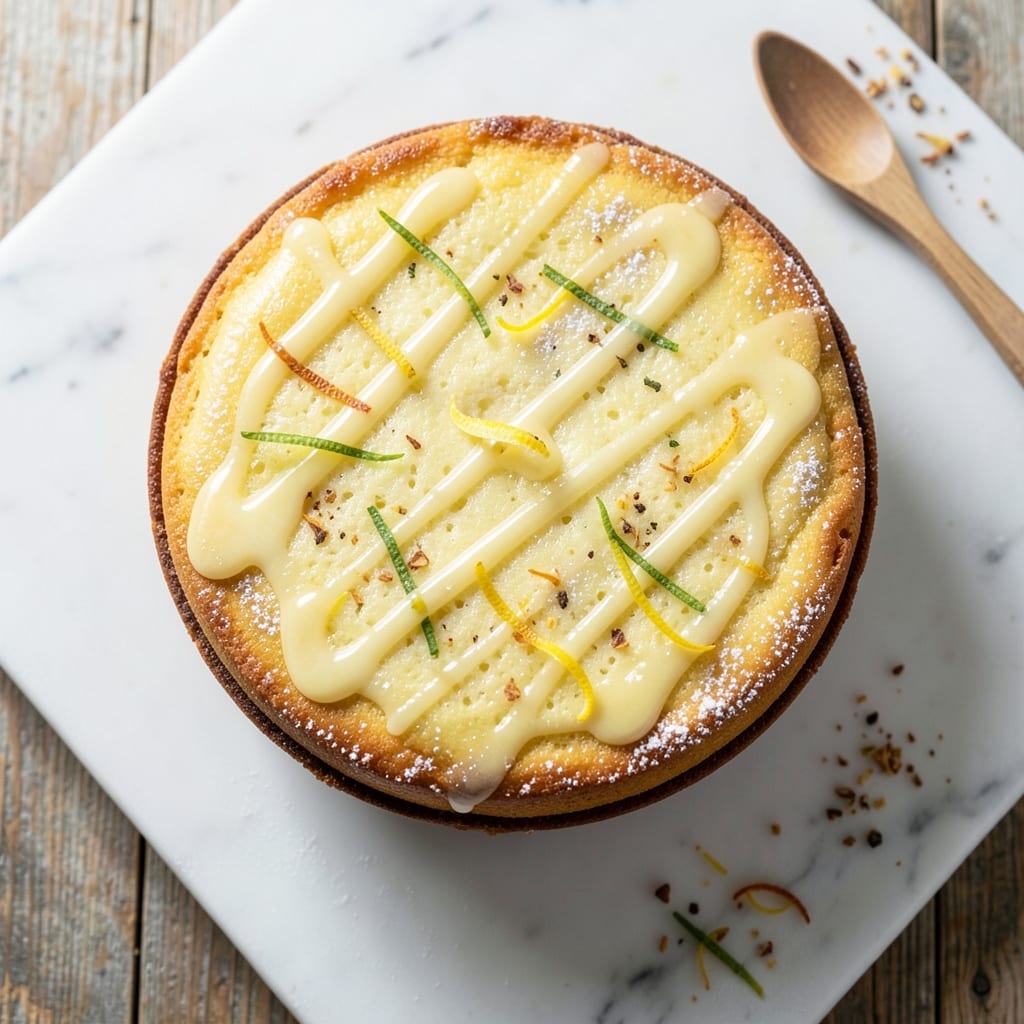
This 10-inch lemon cake recipe delivers a perfect balance of bright citrus and tender crumb, with a gluten-free option that maintains all the classic flavor. The secret lies in using freshly zested lemons and a precise baking technique that ensures a moist, evenly baked cake every time. Whether you're baking for a celebration or simply craving a zesty treat, this recipe delivers professional-quality results with simple ingredients and straightforward steps.
The cake's signature tang comes from a combination of lemon juice and zest, which infuse the batter with vibrant flavor while keeping the texture light and airy. A 325°F oven temperature ensures a gentle bake that prevents drying out, and the gluten-free version substitutes traditional flour with a blend that mimics the cake's structure without compromising taste. The recipe also includes a simple lemon glaze that adds shine and extra citrus punch.
What sets this recipe apart is its versatility—it works as a classic pound cake or a delicate sponge, depending on your preference. The gluten-free adaptation uses xanthan gum to bind the ingredients, creating a texture that's just as satisfying as the traditional version. Each slice offers a perfect harmony of sweet and tart, with a tender crumb that melts in your mouth.
Ready in about 1 hour and 15 minutes (including cooling), this cake is ideal for special occasions or a refreshing afternoon treat. The recipe also includes tips for achieving a perfectly even bake and decorative plating that makes it look as impressive as it tastes. Let's get started!
Ingredients for 10 inch lemon cake
Freshly zested lemons and precise measurements create this professional-quality lemon cake with gluten-free adaptation.
| Ingredient | Amount | Notes |
|---|---|---|
| All-Purpose Flour 🌾 | 2 ½ cups | Sifted for even texture |
| Granulated Sugar 🍚 | 1 ½ cups | Superfine preferred for smoothness |
| Unsalted Butter 🧈 | 1 cup | Room temperature for creaming |
| Large Eggs 🥚 | 4 whole | Room temperature for best mixing |
| Fresh Lemon Juice 🍋 | ¾ cup | From 3-4 medium lemons |
| Lemon Zest 🍋 | ¼ cup | Fine, from 3-4 lemons |
| Baking Powder 🍳 | 2 tbsp | Diamond Crystal preferred |
| Salt 🧂 | ½ tsp | Fine sea salt |
| Vanilla Extract 🌿 | 2 tsp | Pure Madagascar preferred |
| Gluten-Free 1:1 Baking Flour 🌾 | 2 ½ cups | With xanthan gum included |
| Powdered Sugar 🍚 | 1 cup | For lemon glaze |
| Heavy Cream 🥛 | ¼ cup | For glaze consistency |
| Fresh Lemon Zest 🍋 | 1 tbsp | Extra for glaze |
The lemons are non-negotiable here—organic, unwaxed lemons from Whole Foods or a local farmers' market deliver the brightest flavor. For zest, use only the yellow outer layer, avoiding the bitter white pith. The baking powder should be Diamond Crystal (not aluminum-free)—it reacts differently. Room-temperature butter and eggs ensure a smooth batter, so plan ahead if your kitchen is cold. For the gluten-free version, Bob's Red Mill 1:1 Baking Flour is my go-to; it includes xanthan gum for proper binding without altering texture.
No superfine sugar? Pulse regular granulated sugar in a food processor for 30 seconds to refine it. Substitute vanilla extract with vanilla bean paste for deeper flavor, or use 1 tsp vanilla bean seeds scraped from a pod. For a dairy-free glaze, replace heavy cream with full-fat coconut cream. The gluten-free flour blend must contain xanthan gum—King Arthur or Cup4Cup are reliable brands. If your oven runs hot, reduce the temperature to 320°F to prevent overbrowning, especially with gluten-free batters which can dry out faster.
Store the cake in an airtight container at room temperature for up to 3 days, or refrigerate for 5 days if using the glaze. The gluten-free version stays moist for 2 days at room temperature. For long-term storage, freeze the unglazed cake for up to 3 months. Bring to room temperature before glazing. The glaze sets quickly, so work efficiently—mix it last and spread immediately. A piping bag with a small tip creates elegant drizzle patterns for special occasions.
Why You'll Love This Recipe
- Foolproof Mix-Ins: I swear by this batter—just fold in the flour, sugar, and butter until it’s just combined, then crack in those eggs like you’re playing a game of chance. No food processor, no fancy whisking. The lemon juice cuts through the richness instantly, so you’re not left with a dry, heavy cake.
- Bright Citrus Magic: That first slice? Pure sunshine in cake form. The fresh lemon juice keeps it from tasting like dessert sugar overload—it’s tangy, not cloying, and the butter keeps it moist without being greasy. Honestly, I’ve tried boxed lemon cakes, and this one wins every time.
- Showstopper Any Day: Bring this to a brunch, a birthday, or just because your kitchen smells amazing. The 10-inch size is perfect for sharing (or not—no judgment), and it slices cleanly so you can serve it at room temp or chilled. My go-to? Dust it with powdered sugar and a sprinkle of lemon zest for instant wow factor.
- Leftovers That Don’t Suck: This cake actually improves the second day. Store it wrapped at room temp, and the flavors meld even more. I’ve packed it for lunches, sliced it for coffee breaks, and even used it for a quick dessert when I forgot to grocery shop. Five ingredients, zero regrets.
Step-by-step instructions for lemon cake with gluten-free option
Mastering this bright, citrusy cake requires precision—here's how to create layers that balance moisture and structure.
Prepare the Cake Layers
Preheat your oven to 350°F and grease two 10-inch round cake pans, then line their bottoms with parchment circles. Sift together the 2.5 cups all-purpose flour (or 2.5 cups gluten-free 1:1 baking flour for the gluten-free version) with the 2 tbsp baking powder and 0.5 tsp salt in a medium bowl—this prevents lumps that can create dense spots.
In a separate large bowl, cream the 1 cup room-temperature unsalted butter and 1.5 cups granulated sugar on medium speed until light and fluffy, about 3-4 minutes. This step ensures proper aeration for tender layers. Add the 4 whole large eggs one at a time, mixing well after each addition, followed by the 2 tsp vanilla extract.
Gradually add the dry ingredients to the butter mixture, alternating with 0.75 cup fresh lemon juice and 0.25 cup lemon zest, beginning and ending with the dry ingredients. Mix on low speed just until combined—overmixing develops gluten and creates tough cake. Divide the batter evenly between the prepared pans.
Bake to Perfect Doneness
Bake the cakes for 25-30 minutes, or until a toothpick inserted into the center emerges clean. The edges should pull away slightly from the pan, and the tops should spring back when gently pressed. Rotate the pans halfway through baking for even browning.
Here's the thing—gluten-free cakes can dry out faster, so I recommend checking them at the 22-minute mark if using the gluten-free flour. If the tops brown too quickly, tent loosely with foil to prevent overbrowning while ensuring full doneness.
Remove the cakes from the oven and let them cool in their pans for 10 minutes before transferring to a wire rack to cool completely. This gradual cooling prevents cracking as the cakes shrink slightly.
Prepare the Lemon Glaze
While the cakes cool, combine the 1 cup powdered sugar, 0.25 cup heavy cream, and 1 tbsp fresh lemon zest in a small bowl. Whisk until smooth, then add 1-2 tablespoons fresh lemon juice (from your remaining lemon) to reach a thick but pourable consistency.
This glaze should be glossy enough to coat the back of a spoon but still flow gently when drizzled. If it's too thick, add a splash more lemon juice; if too thin, add a pinch more powdered sugar. The glaze needs to adhere to the cake layers without soaking in.
For extra brightness, strain the glaze through a fine-mesh sieve to remove any zest fibers before using. This ensures a silky finish that enhances rather than disrupts the cake's texture.
Assemble and Decorate
Once the cakes are completely cool, place one layer on a serving plate. Spread a thin layer of lemon curd or whipped cream (if desired) between layers for added moisture. Place the second layer on top and gently press down.
Drizzle the lemon glaze evenly over the top and down the sides, allowing it to drip naturally. For a polished look, use an offset spatula to spread excess glaze back onto the cake. The glaze should create a glossy, professional finish that highlights the cake's vibrant yellow hue.
Let the glaze set for 15-20 minutes before slicing. This ensures clean cuts and prevents the glaze from smearing. Serve at room temperature for the best texture contrast between the tender cake and the bright, tangy glaze.
Pro Tips For Making 10 Inch Lemon Cake
- Whisk Butter & Sugar Longer: I used to give this 20 seconds, then wondered why my cake tasted flat. Cream the butter and sugar until it’s pale, thick, and leaves a ribbon trail when you lift the whisk—about 3-4 minutes. This traps air for a lighter crumb, especially in a 10-inch pan where density shows.
- Zest Before Juicing: Fresh lemon zest packs the real flavor, but most recipes forget it. Grate 1-2 teaspoons from the same lemons you juice, then sift out the pith—it’s bitter and ruins the vibrancy. Toss it into the dry ingredients where it’ll bloom with the flour.
- Don’t Overmix the Batter: After burning three batches, I finally figured out the eggs and flour hate each other when combined roughly. Mix just until the flour disappears—maybe 10-12 strokes with a spatula. Overworking it makes the cake tough, and a 10-inch pan needs all the tenderness it can get.
- Test for Doneness Early: Ovens lie, especially with a lemon cake’s moisture. Start checking at 25-30 minutes with a skewer—it should come out with moist crumbs, not wet batter. If it’s browned but underdone, tent with foil and finish low. No one wants a dry cake, even if it’s lemony.
Pro cooking tips for great 10 inch lemon cake
Room-Temp Ingredients
Room-temperature butter and eggs are non-negotiable for this cake—they emulsify better and create a lighter texture. Take your butter out of the fridge 1 hour before baking and let your eggs sit in warm water for 5 minutes to bring them to room temperature. I use a thermometer to check butter at 65°F—this is the sweet spot for creaming. Cold butter creates dense layers, while warm butter ensures proper aeration. 🌡️
Lemon Selection Matters
Not all lemons are created equal! Use organic, unwaxed Meyer lemons for their sweeter flavor and thinner skins, or standard Eureka lemons for more tartness. Roll lemons on the counter before juicing to break cell walls and extract more juice. For zest, only use the yellow outer layer—avoid the bitter white pith. I like to zest 4 lemons for the cake and reserve 1 extra lemon for the glaze.
Gluten-Free Adjustments
The gluten-free version requires extra care—Bob's Red Mill 1:1 Baking Flour includes xanthan gum, which mimics gluten's structure. Don't skip the extra 1 minute of mixing compared to all-purpose flour to ensure proper hydration. Bake gluten-free cakes at 325°F instead of 350°F to prevent overbrowning. I also recommend checking doneness 2 minutes early since gluten-free batters can set faster.
Glaze Consistency Secrets
The perfect glaze should be thick enough to drip but thin enough to coat. Start with 1 cup powdered sugar and 2 tbsp lemon juice, then adjust in ½ tbsp increments. For a silky finish, strain through a fine-mesh sieve to remove zest fibers. Pro tip: Chill the glaze for 10 minutes before applying—it'll thicken slightly and adhere better to the cake layers. 💫
Even Baking Tricks
Rotate your cake pans halfway through baking for even color and texture. If your oven has hot spots, place pans on the middle rack and swap their positions. For extra insurance, tent loosely with foil if the edges brown too quickly. Gluten-free cakes need even more attention—check them at 22 minutes to prevent overbaking. A toothpick should come out clean with just a few moist crumbs.
Make-Ahead Magic
This cake actually tastes better the next day! Bake layers 1 day ahead, wrap tightly in plastic wrap, and store at room temperature. The glaze can be made 2 days ahead and refrigerated—just whisk briefly before using. For long-term storage, freeze unglazed layers for up to 3 months. Thaw overnight in the fridge before assembling. The flavors meld beautifully when made ahead! ⏰
Nutrition facts
Frequently asked questions
Can I use bottled lemon juice instead of fresh?
Fresh lemon juice makes all the difference for authentic flavor! While bottled juice works in a pinch, it lacks the bright, complex notes of freshly squeezed citrus. If you must substitute, use 1.5 tbsp bottled lemon juice per tablespoon of fresh juice—the higher acidity helps balance the cake's sweetness. For best results, always zest fresh lemons.
How do I adjust this recipe for a smaller or larger cake?
For a 6-inch cake, reduce all ingredients by 50% and bake for 20-25 minutes. For a 12-inch cake, increase ingredients by 150% but use three 10-inch pans instead of two. The key is maintaining the same depth (2-2.5 inches) for even baking. Adjust oven temperature by 10°F if scaling up/down significantly.
Why did my gluten-free cake turn out dense?
Gluten-free cakes often need extra care! Overmixing develops gluten-like properties, so mix just until combined. Use a gluten-free flour blend with xanthan gum and don't skip the extra 1 minute of mixing. Bake at 325°F (not 350°F) and check for doneness 2 minutes early—gluten-free batters set faster. Also ensure your butter and eggs are truly room temperature.
Can I make this cake without eggs?
Yes! Replace the 4 eggs with 1 cup unsweetened applesauce or 1 cup aquafaba (chickpea brine) for a vegan version. For aquafaba, whip it until stiff peaks form before adding to the batter. The texture will be slightly denser but still delicious. Reduce baking time by 2-3 minutes as egg substitutes can make cakes set faster.
How do I store leftovers?
Store the cake in an airtight container at room temperature for up to 3 days. For longer storage, refrigerate for 5 days or freeze unglazed layers for 3 months. To serve frozen cake, thaw overnight in the fridge before glazing. The glaze can be made ahead and stored separately—just whisk before using to restore consistency.