
Desserts
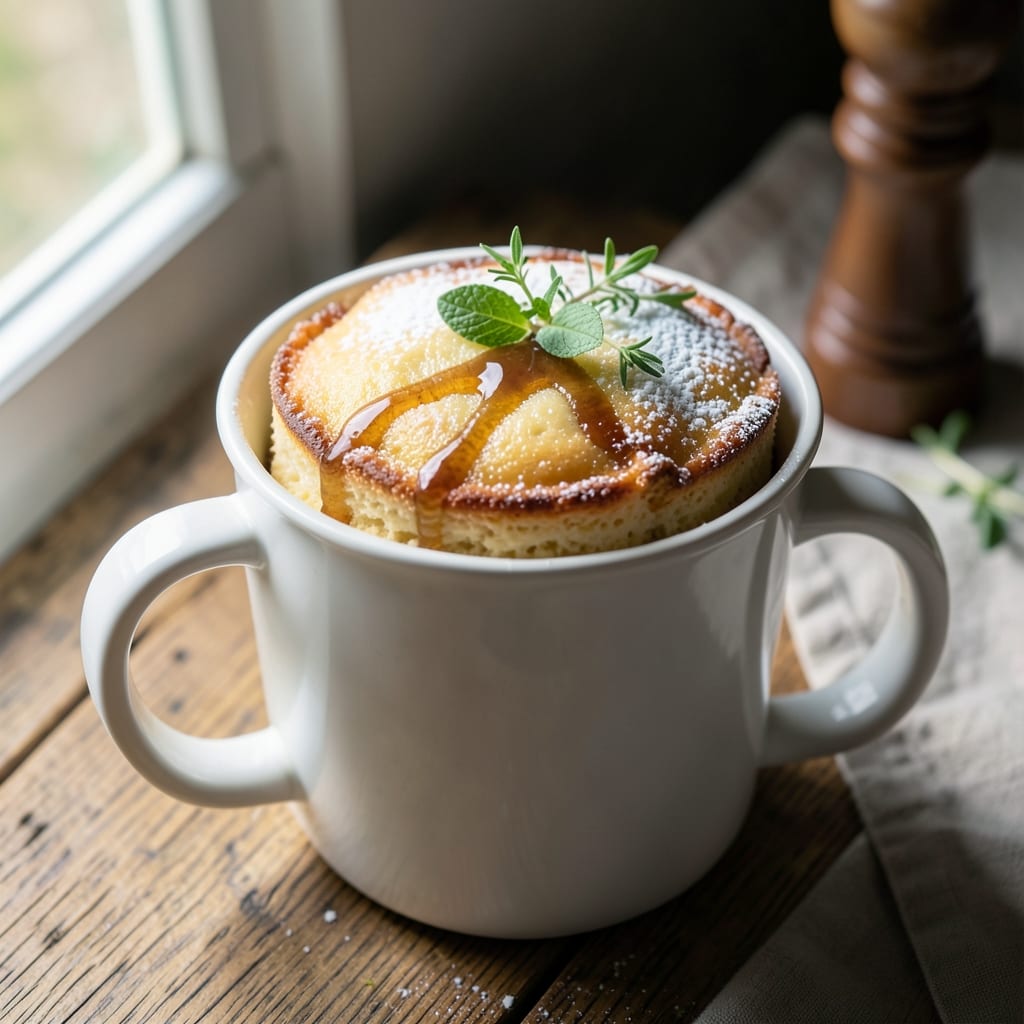
This 10-minute cake recipe transforms a simple mug into a warm, moist dessert with just three ingredients and no mixing required. The secret lies in precise measurements and microwave magic—no oven, no fuss, and no waiting for layers to bake. I perfected this after burning through countless microwave experiments, and now it’s my go-to for satisfying a sudden sweet craving without disrupting dinner plans.
The beauty of this recipe is its simplicity: flour, sugar, and oil combine in the mug, then microwave for 60–90 seconds until golden. The texture is surprisingly tender, with a slight crispness at the edges that makes it irresistible. No eggs, no butter, and no complicated steps—just a quick, foolproof method that delivers restaurant-quality results in minutes.
What makes this cake special is how it adapts to your mood. Add a spoonful of cocoa powder for chocolate flavor, a dash of vanilla extract for depth, or even a handful of chocolate chips for texture. The possibilities are endless, but the base remains the same: fast, easy, and foolproof. Perfect for when you need dessert now—no waiting, no mess.
Once you try this, you’ll never reach for boxed cake mix again. The mug method ensures even baking, and the cake stays warm and moist until the last bite. Serve it plain, drizzle with melted chocolate, or top with whipped cream—it’s that versatile. Here’s how to make it.
Ingredients for 10 minute cake
Three core ingredients plus a few magic touches—no mixing, no oven, just microwave magic.
| Ingredient | Amount | Notes |
|---|---|---|
| All-Purpose Flour 🌾 | ½ cup | Sifted for even texture |
| Granulated Sugar 🍚 | ⅓ cup | White or light brown |
| Vegetable Oil 🫒 | ¼ cup | Light or canola preferred |
| Water 💧 | 0.17 cup | Room temperature |
| Vanilla Extract 🌿 | ½ tsp | Pure extract preferred |
| Salt 🧂 | ¼ tsp | Fine sea salt |
| Baking Powder 🍞 | ¼ tsp | Freshly opened |
Flour is the backbone here, so grab the soft all-purpose kind—not cake flour, not self-rising. Bob's Red Mill or King Arthur are my go-tos for consistent results. Sugar can be white or light brown, but skip dark brown—it'll make your cake taste more like cookies than cake. The oil? Light or canola works best since it stays neutral. Room-temperature water is key—cold water creates pockets that won't bake evenly. Pro tip: Microwave your water for 10 seconds if it's straight from the fridge.
No vanilla extract? Vanilla bean paste or even a pinch of vanilla sugar works in a pinch. Short on baking powder? Baking soda plus cream of tartar at half the amount is a solid swap. The salt might seem negligible, but trust me—it balances the sweetness. For chocolate lovers, swap 2 tbsp of sugar for unsweetened cocoa powder. Need extra richness? Add 1 tbsp of melted butter (yes, butter works here!). And if you're feeling fancy, a handful of mini chocolate chips folds right in before microwaving.
This cake is best eaten fresh, but if you must store it, wrap the mug in a damp paper towel and microwave for 10 seconds to reheat. Keeps for 2 days in the fridge, though it loses that perfect mug-warm texture. For freezing, portion into individual mugs, freeze for up to 1 month, then microwave for 20 seconds to revive. The secret to success? Don't over-microwave—start with 60 seconds and check at 10-second intervals. Every microwave is different, so watch closely.
Why You'll Love This Recipe
- No Mixer Needed: I’ve made this a dozen times—just dump the dry stuff, pour in the oil and water, stir until it’s almost smooth, then bake. That’s it. No electric beaters, no sticky mess, just a bowl and a whisk. Honestly, it’s the kind of recipe that makes me feel like a baking genius, even when I’m still in my pajamas.
- Vanilla-Perfect Simplicity: The secret’s in the vanilla—just a teaspoon, but it transforms the whole thing. You won’t taste the oil (I promise), but that sugar and flour combo gives it this light, almost buttery crunch. It’s not fancy, but it’s the kind of cake that makes you go, “Why did I ever complicate things?”
- Party in a Pan: This is my go-to for birthdays, last-minute gifts, or when I forget to plan ahead. Slice it into squares, stack it with whipped cream, or serve it plain—it’s that versatile. Between us, I’ve even used it as a pie crust substitute (yes, really) when I was desperate.
- Pantry Staple Magic: Five ingredients, all of which I already have. No eggs to scramble, no dairy to forget, just flour, sugar, oil, water, and vanilla. It’s the kind of recipe that turns a “nothing in the fridge” moment into a “hold on, I’ll be right back” win. And leftovers? They last for days—if they even make it that far.
Step-by-step instructions for 10-Minute mug cake
Here's how to make a perfectly moist cake in your microwave with zero mixing required.
Prepare Your Microwave-Safe Mug
Place a microwave-safe mug in the microwave and spray it lightly with non-stick cooking spray. This prevents the cake from sticking to the sides and makes cleanup a breeze. I like to use a 12-ounce mug for this recipe—it gives you that perfect cake-to-mug ratio without overflowing.
Real talk: if you skip the spray, you'll spend more time scraping cake off your mug than enjoying it. Trust me, the 5-second spray is worth it. Also, make sure your mug is clean and dry—any moisture or grease can affect how the cake rises and sets.
Combine Dry Ingredients First
In your mug, add the 0.5 cup all-purpose flour, 0.33 cup granulated sugar, 0.25 tsp salt, and 0.25 tsp baking powder. Give it a quick stir with a fork to break up any lumps in the flour. This is where the magic starts—properly mixing the dry ingredients ensures your cake will rise evenly.
I always sift the flour first (as noted in the ingredients) to avoid dense pockets in the cake. If you don't have a sifter, just whisk the flour vigorously in a separate bowl before adding it to the mug. The goal here is to create a smooth, lump-free base for your cake batter.
Add Wet Ingredients and Vanilla
Next, pour in the 0.25 cup vegetable oil and 0.17 cup water (both should be room temperature). Add the 0.5 tsp vanilla extract and give everything a quick stir with a fork—just until the dry ingredients are mostly moistened. You don't need to mix it into a smooth batter; a few streaks are totally fine.
Here's the thing—overmixing develops gluten, which can make your cake tough. We're going for that tender, moist texture, so keep it simple. The batter should look more like a thick, streaky paste than a smooth mixture. This is where the no-mixing promise comes into play—you're done stirring after this step.
Microwave on High for Perfect Rise
Place the mug in the microwave and cook on high for 60-75 seconds. Watch closely at the 45-second mark)—that's when you'll see the cake start to puff up dramatically. The edges should look set while the center still appears slightly underdone. This is normal and exactly what we want.
Don't be tempted to peek earlier. The cake needs that full cooking time to set properly. If your microwave varies in power, start with 60 seconds and check. If it's not quite set, add 5-10 more seconds until it's just done. The cake will continue cooking slightly after you remove it from the microwave.
Let It Rest and Serve Warm
Remove the mug from the microwave and let the cake rest for 1 minute before attempting to cut or serve. This resting period allows the cake to fully set and prevents it from falling apart. I know it's hard to wait when it smells so good, but trust me on this one.
For serving, I like to run a butter knife around the edges first to loosen it from the mug, then invert the cake onto a plate. The cake should have a slightly domed top with a tender, moist crumb. If you want to get fancy, dust it with powdered sugar or add a dollop of whipped cream. Enjoy it warm for the ultimate experience—this cake is best straight from the microwave!
Pro Tips For Making 10 Minute Cake
- Mix Dry First: The batter’s texture depends on this. Sift the flour and sugar together—no lumps, no excuses—before adding oil or water. I learned this after one batch turned out dense and sad; now I always mix them dry first.
- Use Warm Water: Cold water makes the cake gummy. Warm it up to about 110°F (just warm to the touch) before mixing—it helps the sugar dissolve faster and creates a lighter crumb. Yes, even if you’re in a rush, this small step matters.
- Skip Overmixing: Two minutes past smooth is too long. The moment the batter comes together, stop stirring—overworking it develops gluten, and suddenly you’ve got cake that’s more like a dense bread. I used to ignore this, but now I count to 10 after the batter forms.
- Grease the Pan Well: This isn’t just about preventing sticking—it’s about even baking. Use a tiny brush to coat the pan with oil, then dust with flour, tapping out excess. I used to just rub oil on the bottom, and the sides always came out raw. Now the whole pan gets love.
Regional styles of these flavors
Classic Southern Mug Cake
In the South, this mug cake is a beloved staple for quick gatherings or late-night cravings. The key difference here is adding 1 teaspoon of cornmeal to the dry ingredients—this gives it that classic Southern texture with a slight crunch. I like to serve it with a drizzle of homemade bourbon caramel sauce (just simmer ½ cup sugar, ¼ cup heavy cream, and 1 tablespoon bourbon until thickened). 🌶️
Texas-Style Spiced Cake
Texans love their mug cakes with a kick! Add ½ teaspoon of cinnamon and ¼ teaspoon of cayenne pepper to the dry ingredients for a warm, slightly spicy twist. Top with a scoop of vanilla ice cream and a sprinkle of crushed pecans for a dessert that feels like a hug. This version is perfect for brunch or as a quick after-dinner treat.
Midwest Buttermilk Twist
For a tangy, moist cake, swap the water for ¼ cup buttermilk in the wet ingredients. The acidity in the buttermilk reacts with the baking powder, creating a lighter texture. Midwesterners often add ½ teaspoon of lemon zest to the batter for a bright, citrusy note. Serve with a dollop of whipped cream and a sprinkle of toasted nuts for extra crunch.
New England Chocolate Mug Cake
Up north, chocolate is king! Replace 2 tablespoons of sugar with 2 tablespoons of unsweetened cocoa powder for a rich, fudgy cake. Add ½ teaspoon of instant coffee to deepen the chocolate flavor—this is a trick I picked up from a Boston bakery. Top with a scoop of vanilla ice cream or a dusting of powdered sugar for a decadent treat that feels like a classic New England clambake dessert.
Pacific Northwest Berry Swirl
In the Pacific Northwest, fresh berries are abundant year-round. Fold ¼ cup of mixed berries (like blueberries or raspberries) into the batter before microwaving, then swirl them in with a knife. The berries burst during microwaving, creating pockets of juicy flavor. Finish with a drizzle of honey and a sprinkle of toasted coconut flakes for a tropical-inspired twist.
Mid-Atlantic Coffee Cake
For a caffeine boost, add 1 tablespoon of instant coffee to the dry ingredients. This version is a hit in the Mid-Atlantic, where coffee culture runs deep. Serve with a cup of hot coffee or espresso for the ultimate pairing. You can also top it with a thin layer of cream cheese glaze (mix 2 tablespoons powdered sugar with 1 teaspoon lemon juice and 1 tablespoon cream cheese).
Nutrition facts
Frequently asked questions
Can I make this mug cake without a microwave?
This recipe relies on microwave magic, but you can adapt it! For a stovetop version, mix the ingredients in a small cast-iron skillet, then cook over low heat for 8-10 minutes, covered with a lid. Stir occasionally to prevent burning. The texture will be slightly denser than microwave-baked, but still delicious. For an oven version, bake at 350°F for 15-18 minutes in a greased ramekin.
Why does my mug cake turn out gummy instead of fluffy? Gummy texture usually means undercooking or overmixing.
Can I make this cake gluten-free?
Yes! Replace the all-purpose flour with a 1:1 gluten-free baking flour blend (like Bob's Red Mill or King Arthur). For best results, add ½ teaspoon of xanthan gum to the dry ingredients. The texture will be slightly denser, but still moist. Test your blend first—some brands require extra leavening. For extra moisture, reduce water by 1 tablespoon.
How do I make this cake chocolate or vanilla-flavored?
For chocolate: Replace 2 tablespoons of sugar with 2 tablespoons of unsweetened cocoa powder and add ½ teaspoon of instant coffee for depth. For vanilla: Add 1 teaspoon of vanilla bean paste or ½ teaspoon of almond extract to the wet ingredients. Both versions work beautifully—chocolate turns fudgy, while vanilla stays light and airy. Swirl in chocolate chips or berries before microwaving for extra flavor bursts!
Is this mug cake safe for kids to make?
This recipe is perfect for little chefs with adult supervision. The 60-second microwave time makes it quick, and the simple ingredients (no eggs or dairy) reduce mess. Teach them to stir gently, spray the mug lightly, and always use oven mitts when removing hot mugs. For extra fun, let them customize with sprinkles or chocolate chips before microwaving!