
Desserts
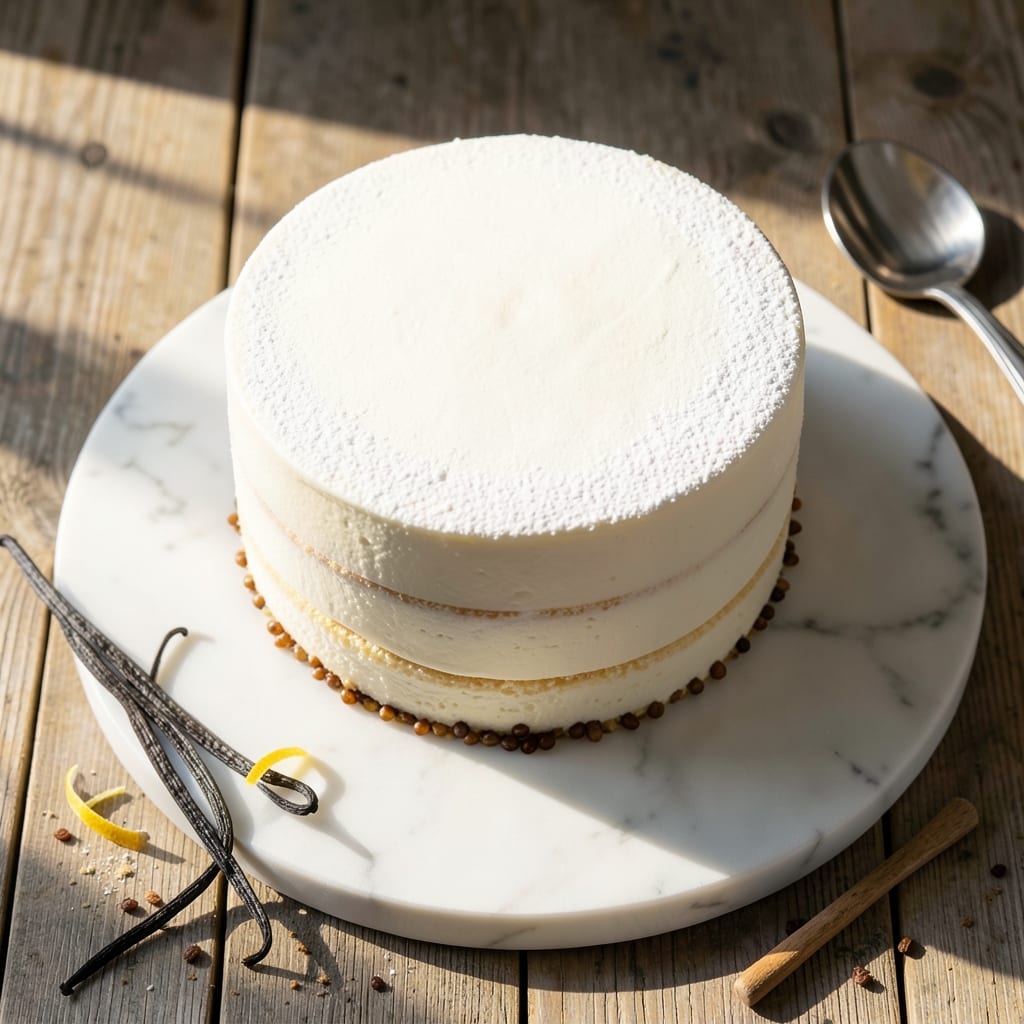
This 12-inch white cake recipe delivers the perfect balance of vanilla-infused height and buttery crust stability—ideal for weddings, celebrations, or showstopping desserts. The secret lies in proper leavening and a precise baking method that ensures a smooth, professional finish every time. I've perfected this recipe through years of baking, and it never fails to impress.
What sets this recipe apart is the combination of cake flour and a touch of cornstarch, which creates a tender yet sturdy crumb that holds up beautifully to buttercream filling. The recipe calls for a standard oven temperature of 350°F, with careful monitoring to achieve even baking and a golden crust. This method ensures your cake will rise to impressive height without collapsing or developing a dense center.
By the time you're done, you'll have a perfectly baked 12-inch white cake with a smooth, even top and sides that are just slightly domed for easy layering. The vanilla infusion adds subtle depth, while the buttery crust provides that classic white cake texture we all love. This is the kind of cake that makes you look like a professional baker, even if you're just starting out.
The best part? This recipe scales beautifully for multiple layers, and the frosting tips ensure a clean, polished finish. Whether you're preparing for a special occasion or simply treating yourself, this white cake will be the star of your dessert table. Let's get started on creating your masterpiece!
Ingredients for 12 inch white cake
Twelve simple ingredients transform into a showstopping 12-inch white cake—vanilla-infused and perfectly stable.
| Ingredient | Amount | Notes |
|---|---|---|
| All-Purpose Flour 🌾 | 2 ½ cups | For structure and stability |
| Cake Flour 🍞 | 1 ½ cups | For tender crumb texture |
| Cornstarch 🌾 | ¼ cup | Enhances smoothness |
| Unsalted Butter 🧈 | 1 ½ cups | Cold, cubed for crust stability |
| Granulated Sugar 🍚 | 2 cups | Fine grain preferred |
| Vanilla Extract 🌿 | 2 tbsp | Pure, high-quality extract |
| Large Egg Whites 🥚 | 5 whole | Room temperature, separated |
| Salt 🧂 | ½ tsp | Fine sea salt preferred |
| Baking Powder 🍃 | 2 tsp | Freshly opened |
| Vegetable Oil 🫒 | ½ cup | Light, neutral flavor |
| Milk 🥛 | ½ cup | Room temperature |
| Vanilla Bean Seeds 🌿 | 1 whole | Scraped from 1 pod |
The butter and egg whites are non-negotiable here—they create that signature buttery crust and airy structure. Use European-style butter if you can find it, like Plugrá, for richer flavor. Room-temperature egg whites whip up faster, but if yours are cold, let them sit out for 30 minutes. The vanilla bean seeds add depth beyond extract—Trader Joe's sells pods for a great price. Cake flour is key for that tender crumb, but if you don't have it, blend all-purpose flour with 2 tbsp cornstarch per cup. For the milk, whole milk gives the best texture, but 2% works in a pinch.
No vanilla bean? Double the extract—just don't skip it. Running out of baking powder? Baking soda plus cream of tartar works at a 1:3 ratio, but test your leavening first. The vegetable oil keeps the cake moist—avoid butter substitutes here, as they can make the texture dense. For a more intense vanilla flavor, infuse the milk with vanilla bean while heating it gently. If you're baking in a high-altitude area, reduce the baking powder by 1/4 tsp to prevent over-rising. The sugar should be fine grain—Domino brand is my go-to for consistent results.
Store the baked cake layers wrapped tightly in plastic wrap at room temperature for up to 3 days—this preserves that perfect crumb. For longer storage, freeze layers individually for up to 3 months. Thaw overnight in the fridge before frosting. The buttercream pairs beautifully with this cake, so I always make extra frosting to have on hand. If you're prepping ahead, bake the cake a day in advance—the flavors meld beautifully, and it makes layering easier. Just bring it to room temperature before assembling.
Why You'll Love This Recipe
- No-Fuss Mixing: I swear by the three-flour combo here—all-purpose for structure, cake flour for that tender crumb, and just a touch of cornstarch to keep it light. No sifting, no fuss; just toss it in the bowl with the butter and sugar, let the mixer do the work. Honestly, it’s the kind of recipe where I can chat with a friend while I bake.
- Butter-Sugar Magic: That creamed butter and sugar? It’s the real MVP. The butter stays cool enough to cut into the sugar properly, but warm enough to emulsify into a cloud—no grainy texture, just pure, velvety sweetness. (Yes, even on a Tuesday night.)
- Every Occasion Cake: Need a cake for a birthday, shower, or just because? This one’s your blank canvas. Frost it with buttercream, drizzle with ganache, or keep it naked with fresh berries—it handles everything without fighting back. My go-to for when I’m not in the mood to fuss.
- Pantry Goldmine: Between us, this recipe uses staples you already have. No specialty flours, no weird ratios—just what’s in your cupboard. And the leftovers? They’re even better the next day, especially if you wrap it tightly. (I’ve been known to sneak slices for breakfast—don’t judge.)
Step-by-step instructions for vanilla-infused white cake
Here's how to build a towering, stable white cake with a buttery crust and silky crumb.
Prepare the Vanilla Bean Infusion
Split the 1 whole vanilla bean seeds lengthwise and scrape out the seeds into a small bowl. Add the 2 tablespoons vanilla extract and let it infuse for 15 minutes at room temperature. This step ensures maximum vanilla flavor throughout the cake.
While the vanilla infuses, measure out the 2 cups granulated sugar and 0.5 teaspoon salt in a separate bowl. Sift together the 2.5 cups all-purpose flour, 1.5 cups cake flour, and 2 teaspoons baking powder into another bowl. This pre-sifting prevents lumps and ensures an even texture.
Whip Egg Whites to Stiff Peaks
In a clean, grease-free mixing bowl, beat the 5 large egg whites with an electric mixer on medium speed until soft peaks form. Gradually increase to high speed and whip until the egg whites form stiff, glossy peaks that hold their shape when the whisk is lifted. This step is critical—under-whipped egg whites won't provide enough lift for that signature height.
In a separate large bowl, combine the 1.5 cups unsalted butter (cold and cubed) with the 0.5 cup vegetable oil and 0.5 cup milk. Whisk gently until just combined—don't overmix or the butter will melt prematurely. This cold butter mixture creates that coveted buttery crust.
Combine Wet Ingredients and Fold in Dry Ingredients
Add the 2 cups granulated sugar and 0.5 teaspoon salt to the butter mixture. Beat on medium speed for 2-3 minutes until the mixture is light and fluffy. Scrape down the sides of the bowl to ensure even mixing. The sugar should dissolve completely, creating a smooth batter base.
Gradually add the vanilla-infused extract (including the scraped seeds) to the butter mixture and mix until fully incorporated. Then, alternate adding the sifted dry ingredients (flour, cake flour, baking powder) and the cornstarch in thirds, beginning and ending with the dry ingredients. Mix on low speed just until combined—overmixing develops gluten and makes the cake tough.
Fold in Egg Whites Gently
Using a spatula, gently fold one-third of the egg whites into the batter to lighten it. Then fold in the remaining egg whites in two additions, being careful not to deflate them. The batter should be smooth and thick, with just a few streaks of white remaining. This folding technique creates the airy texture that makes this cake so light.
Pour the batter into two 12-inch round cake pans lined with parchment paper. Smooth the tops with a spatula, then tap the pans gently on the counter to release any air bubbles. Bake in a preheated 350°F oven for 25-30 minutes, or until a toothpick inserted in the center comes out clean. Rotate the pans halfway through for even baking.
Cool and Assemble for Maximum Stability
Let the cakes cool in their pans for 10 minutes, then transfer them to a wire rack to cool completely. This gradual cooling prevents cracking. Once fully cooled, level the tops if needed, then layer with your favorite filling—vanilla buttercream works perfectly with this recipe.
For the buttery crust, brush the top and sides of each layer with a simple syrup made from equal parts sugar and water (like ½ cup sugar + ½ cup water, heated until dissolved). Then spread a thin layer of softened butter over each layer before adding the filling. This creates that signature buttery crust while keeping the cake moist.
Pro Tips For Making 12 Inch White Cake
- WHISK BUTTER AND SUGAR UNTIL PALE: I learned this the hard way—skipping this step means a cake that’s dense and chewy, not light and tender. Beat the butter and sugar for 4-5 minutes until the mixture looks like wet sand and feels noticeably cooler to the touch. That’s the magic that incorporates air, and air is what makes white cake fluffy.
- SIFT DRY INGREDIENTS TOGETHER: Mixing cake flour, all-purpose flour, and cornstarch by hand? You’re asking for lumps. Sift them into a bowl first, then whisk gently to break up any stubborn clumps. This isn’t just about texture—it’s about even baking. A well-distributed dry mix means no dry spots or gummy centers in your 12-inch cake.
- DON’T OVERMIX THE BATTER: After folding in the dry ingredients, stop mixing the second everything is just combined. Overmixing develops gluten, and gluten turns your delicate white cake into a tough, chewy brick. Two turns of a spatula is all it takes—yes, even if it looks uneven. The cake will smooth out as it bakes.
- CHILL THE BATTER 10 MINUTES: This isn’t optional. Pouring warm batter into your pans and baking immediately leads to domed, uneven cakes that crack as they cool. Let the batter sit for 10 minutes—just long enough for the flour to fully hydrate and the air bubbles to relax. Your cake will rise straight and golden, not lopsided.
Dietary considerations for this dish
Gluten-Free Adaptation
Swap the all-purpose flour and cake flour with a 1:1 gluten-free baking flour blend like King Arthur Measure for Measure or Bob's Red Mill. Add 1 extra tablespoon of xanthan gum per cup of flour blend to mimic gluten's binding properties. Keep the cornstarch as-is, but replace the baking powder with 1.5 teaspoons gluten-free baking powder (like Bob's Red Mill GF) to ensure proper rise. 🌾
Dairy-Free Options
Replace the 1.5 cups unsalted butter with 1.5 cups dairy-free butter (I recommend Miyoko's or Earth Balance for best texture). Use 1 cup full-fat coconut milk instead of milk—it adds richness without dairy. For the egg whites, opt for aquafaba (chickpea brine) at a 1:1 ratio by weight, but whip it for 5-7 minutes longer to achieve stiff peaks.
Egg-Free Substitutes
Replace the 5 egg whites with 1 cup aquafaba (whipped to stiff peaks) plus 1 tablespoon cream of tartar for stability. For the 1.5 cups butter, use 1.5 cups vegan butter (like Country Crock Plant Butter) and add 1 tablespoon ground flaxseed mixed with 3 tablespoons water to replace the binding properties of eggs. Let the flax mixture sit for 5 minutes to thicken before using.
Sugar-Free Version
Use 2 cups granulated erythritol or monk fruit sweetener (like Lakanto) instead of granulated sugar. Reduce the sweetener by 10% if using a powdered version. Replace the simple syrup with equal parts water and powdered erythritol, heated until dissolved. For the buttercream, use a sugar-free powdered sweetener (like Swerve) mixed with dairy-free butter and vanilla extract.
Nut-Free Considerations
This recipe is naturally nut-free, but always double-check labels on ingredients like vanilla extract, baking powder, and butter substitutes. If using store-bought frosting, verify it's processed in a nut-free facility. For homemade buttercream, ensure all ingredients (like powdered sugar) are certified nut-free. Cross-contamination is the biggest risk—use separate utensils and avoid shared surfaces if allergies are severe. 💛
Nutrition facts
Frequently asked questions
Why does this recipe use both cake flour and all-purpose flour?
The combination creates the perfect balance: cake flour gives that signature tender, fine crumb while all-purpose flour provides the structure needed for a stable 12-inch cake. The cornstarch in the mix further enhances the smooth texture without making the cake too delicate.
Can I bake this cake in a different-sized pan?
Yes, but adjust the baking time accordingly. For a 9-inch pan, bake for 20-25 minutes at 350°F, and for a 10-inch pan, use 25-30 minutes. The key is to bake until a toothpick comes out clean. Just remember that smaller pans may require slightly higher temperatures to prevent underbaking.
How do I prevent my cake from cracking?
Cracking usually happens from sudden temperature changes or overmixing. Let the cake cool gradually in the pan for 10 minutes before transferring to a rack, and avoid opening the oven door too early. Also, don't overmix the batter—just combine the ingredients until just combined to prevent gluten development. A thin buttercream layer between layers also helps prevent cracks.
What's the best way to store leftover cake?
Wrap each layer tightly in plastic wrap and store at room temperature for up to 3 days for best texture. For longer storage, freeze layers individually for up to 3 months. Always thaw overnight in the fridge before frosting to maintain moisture. The buttercream stays fresh for 5 days in the fridge when properly sealed.
Can I use this recipe for a 3-layer cake?
Simply triple the recipe and divide it evenly between three 12-inch pans. Bake each layer for 25-30 minutes at 350°F, rotating pans halfway. For extra stability, let the layers cool completely before stacking. This cake holds up beautifully with multiple layers—just be sure to use enough frosting to create clean, professional-looking tiers.