
Desserts
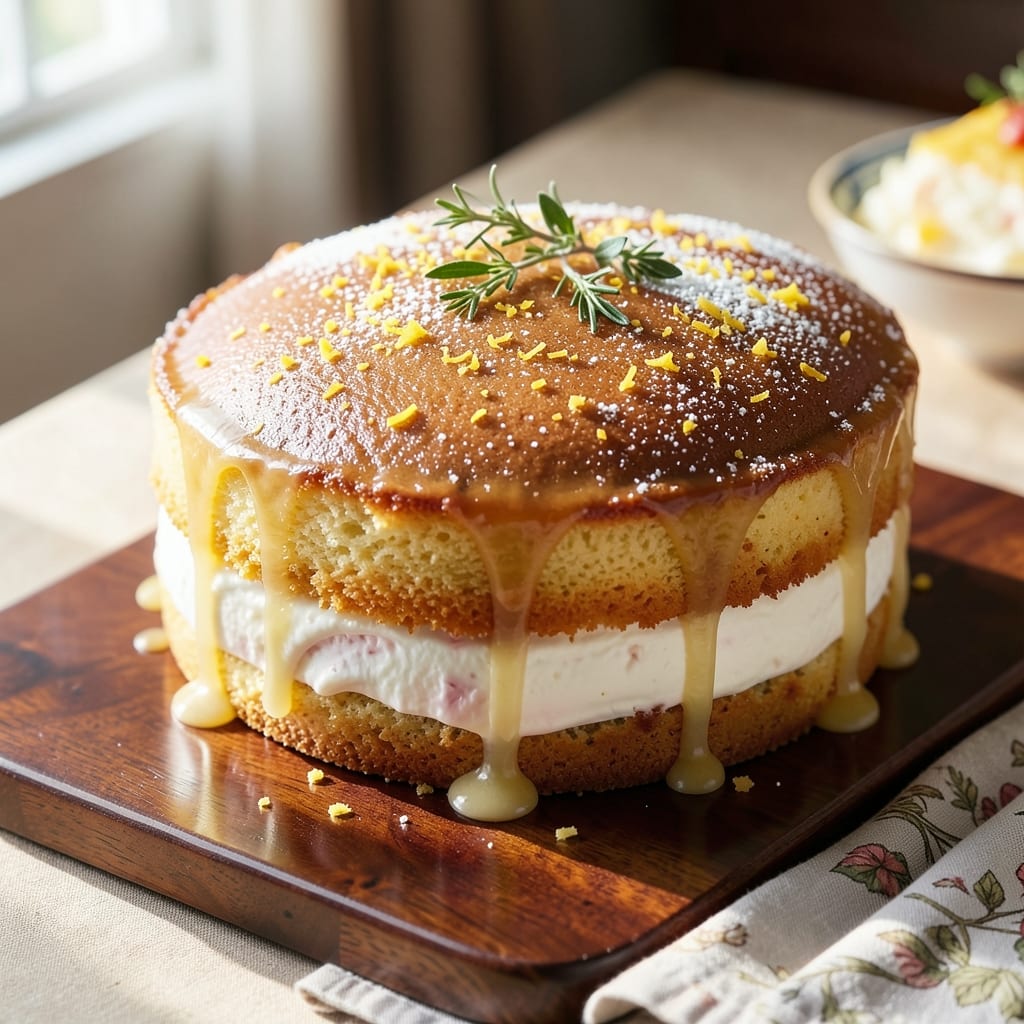
This 1920s Ritz-Carlton lemon pound cake brings old-world elegance to your kitchen with its signature buttery layers and bright citrus glaze. Inspired by the opulence of 1920s luxury dining, this recipe delivers a tender crumb, rich flavor, and that iconic golden crust that made it a staple at the Ritz-Carlton. The secret lies in precise layering and a high-ratio butter-to-flour blend, a technique perfected in grand hotel kitchens over a century ago.
The cake’s magic begins with a foolproof batter method—creaming butter and sugar until light and fluffy ensures a moist, tender crumb, while the addition of citrus zest infuses every bite with bright, zesty flavor. Baked at 325°F for 50-60 minutes, the cake develops a crackly top and stays perfectly moist inside. The citrus glaze, made with fresh lemon juice and powdered sugar, adds a glossy finish and a burst of tangy sweetness that balances the richness.
What sets this recipe apart is its authentic approach—no shortcuts, just the traditional techniques that defined luxury baking in the 1920s. The result is a cake that’s as impressive to serve as it is delicious to eat, with layers of buttery goodness and a glaze that makes every slice look like it belongs on a silver platter. Whether you’re recreating a historic dessert or treating yourself to a classic, this recipe delivers restaurant-quality results at home.
Perfect for special occasions, afternoon tea, or simply indulging in a slice of history, this lemon pound cake is a timeless dessert that never goes out of style. The recipe scales easily for gatherings, and the glaze can be adjusted to suit your sweetness preference. Let’s bring a taste of the 1920s into your kitchen today.
Ingredients for 1920 ritz carlton lemon pound cake
Twelve ingredients, one iconic cake—luxury baking made simple with precision and tradition.
| Ingredient | Amount | Notes |
|---|---|---|
| Unsalted Butter 🧈 | 1 ½ cups | Cold, high-fat content for layers |
| Granulated Sugar 🍚 | 2 ½ cups | Superfine preferred for smoothness |
| All-Purpose Flour 🌾 | 2 ½ cups | Sifted, no substitutions |
| Fresh Lemon Zest 🍋 | 2 tbsp | Organic lemons for bright flavor |
| Large Eggs 🥚 | 4 whole | Room temperature, separated |
| Baking Powder 🍞 | 1 tbsp | Aluminum-free for texture |
| Salt 🧂 | ½ tsp | Diamond Crystal preferred |
| Powdered Sugar 🍚 | 2 cups | For glaze, sifted |
| Fresh Lemon Juice 🍋 | ½ cup | Strained, no pulp |
| Vanilla Extract 🌸 | 1 tsp | Pure Madagascar preferred |
| Heavy Cream 🥛 | ¼ cup | For glaze, cold |
The butter is non-negotiable here. European-style unsalted butter with at least 82% fat delivers that signature Ritz-Carlton richness. Plugrá or President brands are ideal, but any high-fat butter works in a pinch. Keep it cold when creaming—room temperature butter makes for a dense cake. The sugar matters too: superfine sugar dissolves faster, creating a smoother batter. If you only have granulated, pulse it in a food processor for 30 seconds. Fresh lemon zest should be vibrant yellow, not green—organic lemons from Whole Foods or specialty markets have the brightest flavor. Store-bought zest blends often contain fillers that dull the flavor.
No vanilla extract? Vanilla bean paste works beautifully, or scrape seeds from a split vanilla bean. The baking powder must be fresh—if it's more than six months old, toss it. For the glaze, powdered sugar should be sifted through a fine-mesh sieve to avoid graininess. Fresh lemon juice is critical; bottled juice lacks the bright acidity. Need a substitution? Key lime juice at half the amount adds complexity. The heavy cream in the glaze keeps it glossy—don't skip it, even if you're not a fan of cream-based glazes. This is a classic Ritz-Carlton technique that makes all the difference. If you're making this ahead, the glaze can be piped onto the cake up to 24 hours before serving—it sets beautifully.
Store the cake in an airtight container at room temperature for up to 3 days—it actually improves as the flavors meld. For longer storage, wrap tightly in plastic and refrigerate for 1 week. The glaze can be made 1 day ahead and stored in the fridge; simply whisk with a splash of cream before using. To serve, dust with extra powdered sugar or a sprinkle of lemon zest for that authentic Ritz-Carlton presentation. The cake freezes well too—wrap individual slices in plastic and freeze for up to 3 months. Thaw at room temperature for 30 minutes before serving.
Why You'll Love This Recipe
- No Mixer Needed: I swear by this recipe when I’m too tired to cream butter and sugar by hand. Just soften the butter, fold it into the sugar with a sturdy spoon—no electric help required—and let the eggs do the heavy lifting. The texture turns out tender every single time.
- Citrus Kiss Magic: That bright lemon zest? It’s the star. The butter and sugar create a rich, velvety crumb, but the zest cuts through with a zing that makes it feel fancy without being heavy. Honestly, I’ve tried boxed lemon cakes before, and this one actually tastes like summer in a slice.
- Weekend or Weeknight: Slice it warm with a pat of that same butter you used to bake it, or stash it in the fridge for days—it stays moist for ages. I’ve served it at brunch with coffee, as a dessert after dinner, and even packed it for lunches. (Yes, even on a Tuesday night.)
- Budget Luxury: This cake costs pennies to make but feels like a five-star treat. You’re using pantry staples—flour, sugar, eggs—and a single lemon. I’ll be real: my grocery bill stays low, but my guests never guess how simple it was. That’s the kind of win I’ll take.
Step-by-step instructions for 1920s Ritz-carlton lemon pound cake
Mastering this classic recipe delivers a rich, moist cake with perfectly balanced citrus notes and a velvety glaze.
Prepare the Cake Batter with Precision
Preheat your oven to 350°F and grease a 10-inch tube pan thoroughly with butter, then dust with flour. In a stand mixer fitted with the paddle attachment, beat the 1.5 cups unsalted butter and 2.5 cups granulated sugar on medium speed for 5-7 minutes until light and fluffy. You'll notice the mixture nearly doubles in volume and becomes pale—this aeration creates the cake's signature tender crumb.
Add the 4 whole large eggs one at a time, mixing well after each addition until fully incorporated. Scrape down the sides of the bowl to ensure even mixing. In a separate bowl, whisk together the 2.5 cups all-purpose flour, 1 tbsp baking powder, and 0.5 tsp salt. With the mixer on low speed, gradually add the dry ingredients to the butter mixture, alternating with 2 tbsp fresh lemon zest and 1 tsp vanilla extract. Mix just until combined—overmixing develops gluten and can make the cake dense.
Bake to Golden Perfection
Pour the batter into the prepared tube pan and smooth the top with a spatula. Bake in the preheated oven for 50-60 minutes, or until a toothpick inserted into the center comes out clean and the top springs back when pressed gently. The cake should have a golden brown hue and pull away slightly from the edges of the pan—this indicates proper doneness.
I recommend checking the cake at the 50-minute mark, as ovens vary. If the top browns too quickly, tent the pan with foil. The cake's internal temperature should reach 205-210°F—this ensures complete baking without drying. Let the cake cool in the pan for 15 minutes before transferring it to a wire rack to cool completely.
Create the Signature Citrus Glaze
While the cake cools, prepare the glaze by whisking together the 2 cups powdered sugar, 0.5 cup fresh lemon juice, and 0.25 cup cold heavy cream in a medium bowl. The mixture should be smooth and pourable—if it's too thick, add 1-2 teaspoons of lemon juice to reach the desired consistency. The glaze should coat the back of a spoon but still flow easily when poured.
Strain the glaze through a fine-mesh sieve to remove any lumps, then pour it over the completely cooled cake. Use a fork to spread the glaze evenly over the top and sides, allowing any excess to drip down the sides. For a professional finish, I recommend working quickly—this glaze sets faster than you might expect, especially in warm kitchens.
Pro Tips For Making 1920 Ritz Carlton Lemon Pound Cake
- Weigh Your Butter: I used to eyeball it, and the cake turned out dense—like someone packed it with bricks. For this recipe, use a kitchen scale and measure the butter by weight (usually 1 cup = 227g). The Ritz-Carlton version relies on that light, airy texture, so precision matters more than you’d think.
- Zest Only the Outer Peel: Fresh lemon zest is non-negotiable, but scraping too deep into the bitter white pith ruins the whole thing. Run a microplane over the very outer layer of organic lemons—you’ll need about 2 tablespoons for this recipe. Skip the yellow parts if they look dull or waxy.
- Don’t Overmix the Batter: I learned this the hard way—after beating the eggs and sugar into a pale, foamy mess, the cake ended up tough as shoe leather. Mix just until the flour is barely incorporated. The Ritz-Carlton version is all about tender crumb, not glue.
- Bake Until the Center Holds: The recipe says "until a toothpick comes out clean," but that’s not enough. Wait until the center spring back when pressed gently—like a marshmallow, not a sponge. Underbaking is the #1 way to end up with a gummy mess. If it’s still warm to the touch, it’s not done.
Wine and beer pairings for this dish
Classic Wine Pairings
The 1920s Ritz-Carlton lemon pound cake pairs beautifully with crisp, aromatic whites that complement its buttery richness and citrus brightness. I always reach for a Chablis from Burgundy—its mineral notes and high acidity cut through the cake's density while enhancing the lemon's zing. A Sancerre from the Loire Valley also works wonders, offering floral undertones that harmonize with the vanilla and citrus zest. For a sweeter profile, try a Moscato d'Asti—its light effervescence and honeyed sweetness balance the cake's tangy glaze perfectly. 🍷
Bold Rosé Options
Don't overlook rosé for this dessert! A Provence rosé with its pale hue and dry finish provides a refreshing contrast to the cake's richness. Look for one aged in stainless steel to preserve its crisp acidity. I love pairing it with a demi-sec version if you prefer a touch of sweetness—about 15-20g residual sugar complements the glaze beautifully. The rosé's red fruit notes also echo the cake's citrus undertones, creating a delightful harmony. 🌸
Creamy Dessert Wines
For a luxurious touch, serve with a Vin Santo from Tuscany—its nutty, honeyed profile mirrors the cake's vanilla and butter notes while adding depth. A Sauternes also shines here, with its luscious apricot and citrus flavors that mirror the pound cake's glaze. Keep portions small (about 2-3 ounces) to avoid overwhelming the delicate citrus flavors. These wines elevate the cake from dessert to an elegant dining experience. ✨
Beer Pairings for Contrast
If wine isn't your thing, try a Belgian witbier—its coriander and citrus notes create a surprising but delicious contrast with the cake's buttery layers. I recommend Hoegaarden or Stella Artois' witbier version. For a darker option, a Belgian dubbel with its caramel and spice undertones pairs surprisingly well with the cake's richness. Serve both at 45-50°F to preserve their crispness and enhance the pairing. 🍺
Coffee & Tea Enhancements
After the cake, serve with a lightly sweetened espresso to cleanse the palate—its bitterness balances the cake's sweetness beautifully. For tea lovers, Earl Grey with its bergamot notes complements the citrus flavors, while chamomile tea adds a soothing contrast. I often drizzle a touch of orange blossom syrup over the tea to echo the cake's floral vanilla undertones. 💫
Seasonal Adaptations
In summer, opt for sparkling wines like Prosecco or Cava—their bubbles refresh the palate between bites. For winter gatherings, a late-harvest Riesling with its honeyed sweetness pairs wonderfully with the cake's warmth. Always adjust portion sizes based on the wine's sweetness: drier wines need smaller servings, while sweeter options can be enjoyed more generously. 🍋
Nutrition facts
Frequently asked questions
Why does this recipe use a tube pan instead of a round cake pan?
The 10-inch tube pan creates the signature layered effect that makes this cake so special. The center tube allows for even baking while the sides rise beautifully, giving you that iconic Ritz-Carlton presentation with visible layers. Plus, it bakes more efficiently than a round pan, ensuring consistent doneness throughout.
Can I substitute butter with margarine or vegetable oil?
Never! This recipe relies on the high-fat content of European-style butter (82% fat) for that signature rich, tender crumb. Margarine lacks the same flavor and texture, while oil would make the cake dense. For best results, use Plugrá or President butter—it's worth seeking out for this classic dessert.
How do I know when the cake is fully baked?
Look for three key signs: a toothpick inserted in the center comes out clean, the top springs back when pressed gently, and the cake pulls away slightly from the pan edges. The internal temperature should reach 205-210°F. If the top browns too quickly, tent with foil after 30 minutes to prevent over-browning.
Can I make this cake ahead of time?
This cake actually improves as it sits. Store it in an airtight container at room temperature for up to 3 days, or refrigerate for 1 week. The glaze can be made 1 day ahead—just whisk with a splash of cream before using. For parties, assemble the cake 24 hours in advance for maximum flavor development.
What's the secret to the perfect citrus glaze?
The glaze needs three key elements: fresh lemon juice (never bottled), cold heavy cream (for gloss), and sifting the powdered sugar to remove lumps. Strain it through a fine-mesh sieve for a silky texture, and work quickly—this glaze sets faster than you might expect!