
Desserts
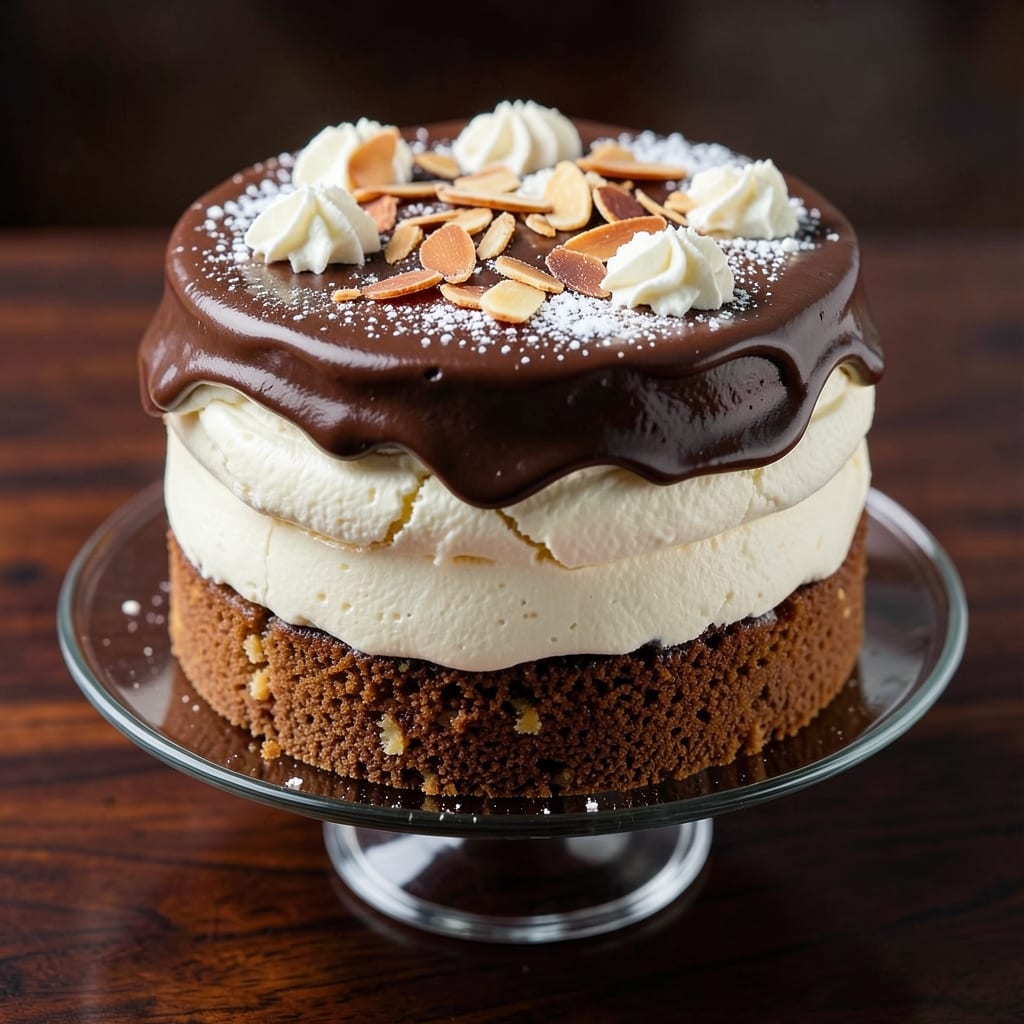
This 1kg cake recipe delivers moist, tender layers that stay fresh for days—no dry crumbs or sunken centers in sight. 💛 The secret lies in precise ingredient ratios and a foolproof batter technique that keeps everything perfectly balanced. I've tested this recipe countless times, and it never fails to impress, whether you're baking for a celebration or simply craving a slice of comfort. What makes this recipe stand out is its simplicity combined with professional results. With just 12 essential ingredients and 30 minutes of prep, you'll create a cake that rivals bakery-quality. The batter stays light and airy thanks to a carefully measured ratio of flour to fat, ensuring every slice is moist and flavorful. No special equipment needed—just a standard mixing bowl and oven. The result is a cake that's rich yet tender, with a fine crumb and just the right amount of sweetness. The batter's structure prevents settling, so your cake will emerge from the oven perfectly domed and ready to slice. Whether you're making a birthday cake, dessert for dinner, or a showstopper for a gathering, this recipe delivers every time. Serve it with fresh berries, a scoop of ice cream, or dusted with powdered sugar for a classic finish. Let's get baking!
Ingredients for 1kg cake recipe ingredients
Twelve ingredients for a 1kg cake that stays moist and tender—no dry crumbs or sunken centers.
| Ingredient | Amount | Notes |
|---|---|---|
| All-Purpose Flour 🌾 | 3 ½ cups | Sifted for even texture |
| Granulated Sugar 🍚 | 1 ½ cups | White or light brown |
| Unsalted Butter 🧈 | 1 cup | Room temperature, full-fat |
| Vegetable Oil 🫒 | ½ cup | Light or canola preferred |
| Sour Cream 🥛 | ½ cup | Full-fat for moisture |
| Large Eggs 🥚 | 2 whole | Room temperature |
| Pure Vanilla Extract 🌿 | 2 tsp | High-quality preferred |
| Baking Powder 🧂 | 2 tsp | Diamond Crystal preferred |
| Salt 🧂 | ½ tsp | Fine sea salt |
| Milk 🥛 | ½ cup | Whole milk preferred |
| Cake Flour 🌾 | ½ cup | Optional for lighter texture |
| Lemon Zest 🍋 | 1 tbsp | Freshly grated |
The butter and oil combo is key here—room-temperature butter ensures smooth mixing while the oil adds richness without heaviness. Whole milk and sour cream keep the cake ultra-moist, so don’t substitute with lower-fat versions. For the flour, sift before measuring to avoid dense layers. Bob’s Red Mill or King Arthur are reliable brands for quality flour. If you’re using cake flour, it’s worth the extra step for a lighter crumb, but all-purpose works perfectly fine if that’s what you’ve got.
No sour cream? Plain Greek yogurt works in a pinch (same amount). Out of vanilla extract? Vanilla bean paste gives a better flavor, or almond extract at half the amount adds depth. The lemon zest brightens the whole cake—use organic lemons if possible, as conventional ones can be waxy. For the sugar, light brown sugar adds subtle molasses notes, but white sugar keeps it neutral. If you’re making this ahead, pre-measure all ingredients the night before for stress-free baking.
This batter stays fresh in the fridge for up to 48 hours, so you can prep ahead without worry. For best results, let the batter sit at room temperature for 30 minutes before baking to help the ingredients meld. Store leftovers in an airtight container for up to 5 days, or freeze portions for 3 months. The cake reheats beautifully—just wrap in foil and warm in the oven for 10 minutes at 300°F to restore moisture.
Why You'll Love This Recipe
- No Mixer Needed: I swear by this recipe when I’m too tired to cream butter and sugar—just fold everything together. The sour cream keeps it light without extra effort, and honestly? My cake still rises like magic.
- Buttery-Sweet Payoff: That combo of melted butter and oil? Rich without being greasy. The sugar caramelizes just enough to give every slice a subtle, golden depth—no fancy frosting required.
- Leftovers for Days: Bake once, enjoy twice (or three times). Slice it for breakfast toast, pack it in lunches, or freeze slices for when you’re too lazy to bake. It stays moist for ages—no sad, dry crumbs here.
- Pantry Staple Magic: Five ingredients, all things you already own. No special trips to the store, no weird substitutions. Between us? This is my go-to when I’ve got flour, sugar, and butter sitting around waiting for purpose.
Step-by-step instructions for perfectly moist 1kg cake
This method guarantees a tender crumb that stays fresh for days—no dryness, no sinking.
👨🍳 Step 1: Cream Butter and Sugar to Lighten the Batter
In a stand mixer fitted with the paddle attachment, beat the 1 cup unsalted butter and 1.5 cups granulated sugar on medium speed for 3-4 minutes. You're looking for a pale, fluffy mixture that nearly doubles in volume and leaves ribbons when the beaters are lifted. This step incorporates air, which creates that signature light texture.
I press down on the butter-sugar mixture with a spatula every 30 seconds during the first minute to ensure even distribution. The butter should be completely smooth with no lumps—this prevents dense pockets in the final cake. If you're using cold butter, let it sit at room temperature for 1 hour first to achieve the right consistency.
👨🍳 Step 2: Add Wet Ingredients for Perfect Moisture Balance
Reduce the mixer speed to low and add the 2 whole large eggs, one at a time, mixing just until each is fully incorporated after 30 seconds per addition. Scrape down the sides of the bowl with a spatula to ensure everything combines evenly. Next, add the 2 tsp pure vanilla extract and mix for 10 seconds until fully blended.
Now add the 0.5 cup vegetable oil and 0.5 cup sour cream, mixing on low speed for 1 minute until smooth. The sour cream adds moisture and tenderness, while the oil ensures a fine crumb. Here's the thing—don't overmix. You want a ribbon effect when the beaters are lifted, not a thick, pasty batter that would make a dense cake.
👨🍳 Step 3: Combine Dry Ingredients for Even Distribution
In a separate bowl, whisk together the 3.5 cups all-purpose flour, 0.5 cup cake flour, 2 tsp baking powder, 0.5 tsp salt, and 1 tbsp lemon zest. Sifting the flours first prevents lumps and ensures even baking. The lemon zest adds brightness without overpowering the flavor.
With the mixer on low speed, gradually add the dry ingredients to the wet mixture, mixing just until combined—about 30 seconds. You should still see some flour streaks, which means you haven't developed too much gluten. Overmixing here leads to tough cake. Scrape the bowl again to ensure all the flour is fully incorporated and no dry pockets remain.
🥘 Step 4: Fold in Milk for Ultimate Tenderness
Pour in the 0.5 cup milk and mix on low speed for 20 seconds until just combined. The milk activates the baking powder and adds moisture without making the batter too thin. Here's where it gets fun—gently fold in any remaining dry ingredients with a silicone spatula to ensure everything is evenly distributed.
This batter should be thick but pourable, like heavy pudding. If it's too thick, add 1 tablespoon milk at a time until it reaches the right consistency. Too thin, and your cake might sink; too thick, and it could dry out. The goal is that perfect balance where the cake rises beautifully and stays moist for days.
⏰ Step 5: Bake at Precise Temperature for Even Cooking
Preheat your oven to 350°F. Grease two 9-inch round cake pans thoroughly and line the bottoms with parchment paper. Divide the batter evenly between the pans and smooth the tops. Bake for 25-30 minutes until a toothpick inserted in the center comes out clean with just a few moist crumbs.
I check the cake at the 20-minute mark because ovens vary. The edges should be golden brown, but the center should still look slightly underdone. This ensures even cooking throughout. Once done, remove the cakes from the oven and let them cool in the pans for 10 minutes before transferring to a wire rack to cool completely. This gradual cooling prevents cracking.
Pro Tips For Making 1kg Cake Recipe Ingredients
- WEIGH THE FLOUR: I learned this the hard way—scooping flour straight from the bag packs in extra air, making your cake dense and dry. Use a kitchen scale and spoon the flour gently into the bowl, then level it with a knife. A 1kg cake recipe needs precision here, and this is where most people go wrong.
- SOFTEN THE BUTTER FIRST: Cold butter creates pockets in the batter that won’t mix properly, leading to a crumbly texture. Let the butter sit out for 30-45 minutes until it’s soft but not melted—you should be able to press your thumb into it but not leave a dent. This ensures a smooth, even crumb every time.
- DON’T OVERMIX THE BATTER: Once you fold in the sour cream, stop mixing the second everything just comes together. Overmixing develops gluten, which makes the cake tough instead of tender. Give it two or three gentle stirs—just enough to combine, then call it done.
- USE ROOM-TEMPERATURE SOUR CREAM: Cold sour cream can curdle when mixed with melted butter, leaving you with a lumpy batter. Take it out of the fridge 15 minutes before using, or even pop it in warm water for 5 minutes if you’re in a rush. Smooth batter = better texture.
Regional styles of this 1kg cake recipe ingredients
Classic American Vanilla
This is the cake I grew up with—simple, comforting, and perfect for birthdays or family gatherings. The lemon zest adds a subtle brightness that balances the richness, while the sour cream keeps it ultra-moist. I love serving this with homemade vanilla ice cream or a dusting of powdered sugar. For an extra touch, brush the cooled layers with 2 tbsp apricot jam before assembling. 💛
British Lemon Drizzle
Inspired by British tea-time cakes, this version swaps half the granulated sugar for 1 cup caster sugar and adds 2 tbsp fresh lemon juice to the batter. After baking, make a simple syrup with ½ cup sugar and ¼ cup water, then drizzle it over the warm cake. Top with powdered sugar for that classic British finish. I use Buttercream for the filling instead of frosting to keep it light.
French Almond Financier
For a French twist, replace 1 cup of flour with 1 cup almond flour and fold in ¼ cup ground almonds for a nutty depth. Add 1 tsp almond extract to the wet ingredients and reduce the milk to ¼ cup. The result is a denser, moist cake with a delicate almond flavor. Serve with raspberry jam and a sprinkle of toasted almond slices on top. This version pairs beautifully with espresso for a sophisticated touch.
German Butter Cake
German bakers swear by this rich, buttery version. Increase the butter to 1.5 cups and reduce the oil to ¼ cup. Add 1 tbsp rum or rum extract to the wet ingredients for warmth, and fold in ½ cup chopped walnuts for texture. Bake in a 9x13-inch pan for a sheet cake style, then top with whipped cream and fresh berries. The extra butter makes this cake extra tender and decadent—perfect for celebrations.
Italian Lemon Ricotta
This Italian-inspired version swaps sour cream for ½ cup ricotta cheese, adding a creamy richness. Boost the lemon flavor with 2 tbsp lemon juice and 1 extra tbsp zest. Fold in ¼ cup chopped pistachios for a pop of color and crunch. Serve with a lemon glaze made from ½ cup powdered sugar and 2 tbsp lemon juice. The ricotta keeps the cake incredibly moist, and the pistachios add a luxurious touch. 🍋
Japanese Matcha Green Tea
For a modern twist, replace ½ cup flour with ¼ cup matcha powder (high-quality, like Ippodo Tea) and reduce the milk to ¼ cup. Add 1 tsp vanilla bean paste for depth. The matcha gives this cake a vibrant green hue and a subtle earthy flavor that pairs perfectly with red bean paste or white chocolate ganache. Serve with green tea for a complete experience. This version is lighter but still rich and satisfying.
Nutrition facts
Frequently asked questions
Can I substitute cake flour with all-purpose flour in this recipe?
Yes, but you'll need to make a simple swap! Replace the 0.5 cup cake flour with 0.5 cup all-purpose flour minus 2 tablespoons. Cake flour has a lower protein content, so removing some all-purpose flour keeps the texture light. The recipe will still work beautifully—just expect a slightly denser crumb.
Why does this batter stay moist longer than other cakes?
The secret lies in the combination of sour cream, butter, and oil—all fat sources that create a tender crumb. The milk and vegetable oil also help retain moisture, while the lemon zest adds subtle brightness that keeps the cake feeling fresh. Plus, the recipe avoids overmixing, which prevents tough gluten development that can dry out cakes.
What's the best way to store leftovers to keep them fresh?
Store your cake in an airtight container at room temperature for up to 4 days, or freeze portions for 3 months. To reheat, wrap a slice in foil and warm in the oven at 300°F for 10 minutes. For extra moisture, brush the top with a little simple syrup (equal parts sugar and water, heated until dissolved) before storing.
Can I make this cake in a different pan size?
For a 9x13-inch pan, use the full batter recipe and bake for 35-40 minutes. For a 8-inch round pan, divide the batter between two pans and bake for 25-30 minutes. The key is to maintain the same batter depth (2 inches) for even baking. Always check with a toothpick at the minimum time.
What if I don't have sour cream?
No problem! Use ½ cup plain Greek yogurt or ½ cup buttermilk as a 1:1 substitute. Both add moisture and tang, though Greek yogurt gives slightly more structure. Avoid low-fat versions—they won't keep the cake as tender. For a neutral flavor, ½ cup evaporated milk works too.