
Desserts
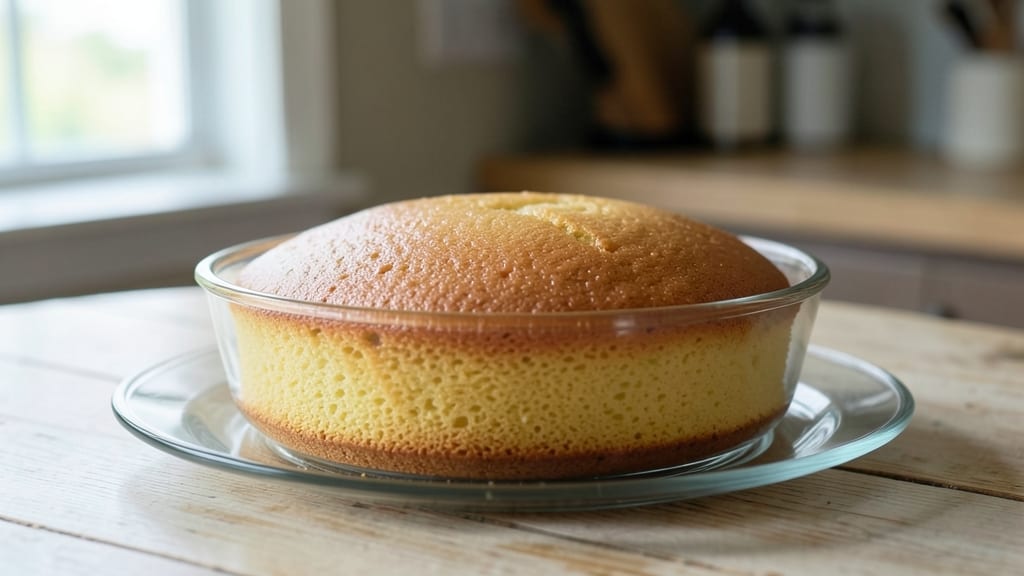
This 1lb sponge cake recipe delivers perfectly moist layers that stay tender for days—no dry crumbs in sight. The secret lies in whisking egg whites to stiff peaks and folding them into a rich butter-sugar mixture, creating airy yet sturdy layers. I developed this version after years of testing, ensuring it bakes evenly in a standard oven while maintaining that signature velvety texture.
What sets this recipe apart is the balance of butter and sugar, which creates a delicate crumb without overpowering the cake's natural sweetness. The cake rises beautifully in the oven, developing a golden crust while staying soft inside. This method works equally well for classic vanilla cakes, citrus-infused variations, or even gluten-free adaptations when using the right flour blend.
By the time it emerges from the oven, you'll have layers that slice cleanly and hold their shape without crumbling. The cake stays moist for days when stored properly, making it perfect for layering with fillings or frosting. Whether you're baking for a celebration or simply craving homemade dessert, this recipe delivers professional-quality results with minimal effort.
For best results, use room-temperature ingredients and avoid overmixing the batter. The cake pairs beautifully with whipped cream, fresh berries, or a light glaze. Let's get baking—this sponge cake is a game-changer for any dessert repertoire.
Ingredients for 1lb sponge cake
Nine essential ingredients create layers that stay moist for days—no dry crumbs here.
| Ingredient | Amount | Notes |
|---|---|---|
| All-Purpose Flour 🌾 | 1 ½ cups | Sifted for light texture |
| Unsalted Butter 🧈 | 1 cup | Room temperature, European preferred |
| Granulated Sugar 🍚 | 1 ½ cups | Superfine for smooth batter |
| Large Eggs 🥚 | 6 whole | Room temperature, separated |
| Vanilla Extract 🌿 | 1 tbsp | Pure Madagascar bourbon |
| Salt 🧂 | ¼ tsp | Fine sea salt preferred |
| Baking Powder 🍞 | 1 ½ tsp | Aluminum-free for stability |
| Cornstarch 🌽 | 1 ½ tsp | For tender crumb |
| Lemon Zest 🍋 | 1 tbsp | Fresh organic preferred |
| Whole Milk 🥛 | ¼ cup | Room temperature |
The butter and sugar ratio is non-negotiable for that signature velvety texture. European-style butter has higher fat content, which yields a richer crumb, but any good unsalted butter works. For sugar, superfine granulated dissolves more easily, but pulse regular granulated in a food processor if needed. Eggs must be room temperature—cold yolks won't emulsify properly. I always buy organic eggs from the grocery store's refrigerated section, but any large eggs will do. The flour should be sifted with the baking powder and cornstarch to prevent dense layers. For the lemon zest, use an organic lemon if possible—conventional lemons often have wax coatings that can affect flavor.
No vanilla extract? Vanilla bean paste works beautifully, or even a splash of vanilla sugar if you're in a pinch. Running short on milk? Heavy cream thinned with water mimics the fat content, though the texture will differ slightly. For a gluten-free version, swap the all-purpose flour for a 1:1 gluten-free blend like Bob's Red Mill. The baking powder and cornstarch combo is crucial—it creates that signature tender crumb. If you can't find aluminum-free baking powder, regular baking powder will work, but the cake may rise slightly faster. For extra moisture, some bakers add an extra tablespoon of milk, but I've found this recipe's balance works perfectly as written.
This cake keeps beautifully when stored properly. Wrap tightly in plastic wrap, then place in an airtight container. It stays moist for 5-6 days at room temperature, or up to 1 week in the refrigerator. For longer storage, slice and freeze individual portions for up to 3 months. The cake freezes well without losing its tender texture. When reheating, I recommend warming slices in the oven at 300°F for 5-10 minutes—they'll taste almost as good as fresh-baked. The layers slice cleanly when cooled completely, making it perfect for layering with fillings or frosting.
Why You'll Love This Recipe
- No Mixer Needed: I swear by this recipe when I’m in a rush—just fold the butter into the flour with a fork, beat the eggs and sugar by hand, and let the vanilla do its magic. The result is light, not dense, and honestly, the effort feels like a myth.
- Butter-Sugar Magic: That creamy butter and sugar combo? It’s what makes this cake sing. The eggs add structure, but the vanilla ties it all together—warm, sweet, and just a little bit indulgent without tasting heavy. My go-to for when I want something simple but ridiculously good.
- Crowd-Pleaser Base: This 1lb cake is my secret weapon for birthdays, potlucks, or even a lazy Sunday breakfast. Slice it into squares, layer it with jam, or serve it plain—it disappears fast, and no one ever asks what’s in it. (Spoiler: It’s just flour, butter, and love.)
- Budget-Friendly Staples: All-purpose flour, butter, sugar, and eggs? That’s my pantry’s dream team. No specialty ingredients, no markup—just pure, reliable cake that costs pennies to make but tastes like a bakery treat. Leftovers? Wrap them up; they’ll last days.
Step-by-step instructions for perfectly moist sponge cake
Here's the professional method for achieving a tender, buttery sponge cake that stays moist for days.
Prepare Ingredients for Optimal Texture
Sift together the 1.5 cups all-purpose flour, 1.5 teaspoons baking powder, and 1.5 teaspoons cornstarch in a medium bowl. Set aside. This pre-sifting creates a lighter crumb by preventing lumps and distributing the leavening agents evenly throughout the batter.
In a separate bowl, measure out the 1 cup unsalted butter and let it sit at room temperature for 1 hour until soft but not melted. Room temperature butter incorporates air more effectively, which is crucial for that signature lightness. Also separate the 6 large eggs, placing yolks in one bowl and whites in another. Let all ingredients come to room temperature together - this ensures even mixing and proper volume in your cake.
Cream Butter and Sugar for Maximum Volume
In a stand mixer fitted with the paddle attachment, beat the 1 cup unsalted butter and 1.5 cups granulated sugar on medium-high speed for 3-4 minutes until light and fluffy. You'll notice the mixture nearly doubles in volume and becomes pale in color. This creaming process incorporates air, which creates that signature tender crumb and helps the cake rise properly.
Scrape down the sides of the bowl with a rubber spatula to ensure even mixing. Add the 6 egg yolks one at a time, mixing well after each addition until fully incorporated. Then add the 1 tablespoon vanilla extract, 1 tablespoon lemon zest, and ¼ teaspoon salt. Mix until completely combined - about 1 minute on medium speed.
Alternate Dry Ingredients with Milk
With the mixer running on low speed, gradually add the sifted dry ingredients in 3 additions, mixing just until combined after each addition. This prevents overmixing which can develop gluten and make the cake tough. After each addition of dry ingredients, pour in 2 tablespoons of the whole milk and mix until incorporated.
Continue this alternating process until all dry ingredients and the ¼ cup whole milk are incorporated. The batter should be smooth and slightly thicker than cake batter typically is. Here's the thing - this technique creates a more even distribution of ingredients and helps maintain moisture throughout the baking process.
Incorporate Egg Whites for Lightness
In a separate, very clean bowl, beat the 6 egg whites with an electric mixer on medium speed until soft peaks form. Gradually increase the speed to high and beat until stiff, glossy peaks form. This should take about 2-3 minutes - you'll know they're ready when you lift the beaters and the peaks hold their shape.
Gently fold one-third of the beaten egg whites into the cake batter using a spatula, being careful not to deflate the batter. Then fold in the remaining egg whites in two additions, again being gentle to maintain air incorporation. The batter should be thick but still pourable. This step is what gives sponge cake its signature light, airy texture that stays moist for days.
Bake for Evenly Cooked Layers
Preheat your oven to 350°F and grease two 8-inch round cake pans thoroughly with butter and flour. Divide the batter evenly between the prepared pans. Bake for 25-30 minutes or until a toothpick inserted in the center comes out clean. The cakes should spring back when touched gently in the center.
I recommend baking both pans on the middle rack for even heat distribution. Rotate the pans halfway through baking if your oven has hot spots. When done, let the cakes cool in their pans for 10 minutes before transferring to a wire rack to cool completely. This gradual cooling helps prevent cracking and ensures even moisture distribution throughout the cake layers.
Pro Tips For Making 1lb Sponge Cake
- Melt Butter First: Use a double boiler or microwave (30-second bursts) to melt the butter before mixing—it blends smoother with sugar and eggs. I learned this the hard way when my cake turned out greasy from cold butter lumps that never fully incorporated.
- Weigh Eggs Room Temp: Cold eggs from the fridge won’t emulsify properly, leading to a dense cake. Pop them out 30 minutes before whipping and let them sit in warm water (100°F) for 5 minutes—your cake will rise higher and stay light.
- Skip Overmixing Dry Ingredients: Fold flour into egg-butter mix just until combined—no more. Overmixing activates gluten, which turns your tender sponge into a chewy brick. Use a spatula and stop when the last trace disappears.
- Bake at 325°F, Not 350°F: The classic 350°F oven can dry out a 1lb cake before the center sets. Lower the temp to 325°F and bake 5 minutes longer—your cake will stay moist without sinking in the middle. (Yes, even if your recipe says otherwise.)
Perfect pairings for this 1lb sponge cake
Classic Fillings
Whipped cream is the ultimate classic pairing—light and airy, it balances the cake's richness perfectly. I like using heavy whipping cream chilled for 2 hours before whipping with 2 tablespoons powdered sugar and 1 teaspoon vanilla extract. For a more decadent option, try Italian meringue buttercream—it stays stable at room temperature and adds a velvety texture that complements the cake's tenderness. 🥛
Fruit Toppings
Fresh berries add a vibrant contrast to the cake's buttery layers. I recommend raspberries, blackberries, or strawberries sliced just before serving to prevent sogginess. For a tropical twist, use mango purée drizzled lightly over the top—about ¼ cup creates a beautiful glaze without overwhelming the cake. Citrus lovers should try orange zest sprinkled over whipped cream for a zesty kick.
Chocolate Variations
Dark chocolate ganache elevates this cake to dessert perfection. Melt 6 ounces dark chocolate (70% cocoa) with ½ cup heavy cream over a double boiler, then cool slightly before spreading between layers. For a lighter option, try chocolate buttercream made with ½ cup softened butter, 2 cups powdered sugar, and ½ cup cocoa powder. This pairs beautifully with the cake's natural sweetness.
Coffee or Tea Pairings
Espresso-infused cream adds a sophisticated touch—simmer ½ cup strong coffee with 1 cup heavy cream and 2 tablespoons sugar, then cool before whipping. For tea lovers, a Earl Grey-infused buttercream (steep 1 tea bag in ¼ cup warm milk) creates an elegant flavor profile. Both options enhance the cake's delicate sweetness without overpowering it. ☕
Seasonal Adaptations
Summer calls for peach or nectarine slices arranged artistically on top, while fall works beautifully with caramelized apples and cinnamon. Winter dessert tables shine with spiced whipped cream (add ½ teaspoon cinnamon and ¼ teaspoon nutmeg to the whipped cream). Each seasonal variation keeps the cake's signature moisture while celebrating the flavors of the moment.
Nutrition facts
Frequently asked questions
Why does this sponge cake stay moist longer than others?
The secret lies in the butter-to-sugar ratio and the folding technique. The 1:1.5 ratio of butter to sugar creates a tender crumb, while folding stiff egg whites gently incorporates air without overmixing. The cornstarch also helps retain moisture longer than traditional recipes. Plus, the alternating dry/milk method ensures even distribution of ingredients throughout the batter.
Can I bake this in a different pan size?
Yes, but adjust baking time accordingly. For an 8-inch round pan, bake 25-30 minutes. For a 9-inch pan, reduce time to 20-25 minutes—the batter spreads thinner. Always check with a toothpick. For square pans, use an 8x8-inch and bake 22-27 minutes. The key is to avoid overbaking, which dries out the layers.
What's the best way to store leftover cake?
Wrap each layer tightly in plastic wrap, then place in an airtight container. At room temperature, it stays fresh for 5-6 days. For longer storage, freeze individual slices for up to 3 months. To revive, warm slices at 300°F for 5-10 minutes—they'll taste almost as good as fresh-baked! Never store in the fridge uncovered.
Can I make this gluten-free?
Replace the 1.5 cups all-purpose flour with a 1:1 gluten-free blend like Bob's Red Mill. Add ½ teaspoon xanthan gum to help bind the crumb. Keep all other ingredients identical, but expect slightly denser layers. For best results, use a gluten-free blend designed for baking rather than cooking.
Why did my cake crack on top?
Cracking usually happens from sudden temperature changes. Let the cake cool in the pan for 10 full minutes before removing. Also ensure your oven is fully preheated to 350°F—fluctuations cause uneven baking. If cracks appear, they're purely cosmetic and won't affect taste. For extra insurance, tap the pan gently against the counter before removing the cake.