
Desserts
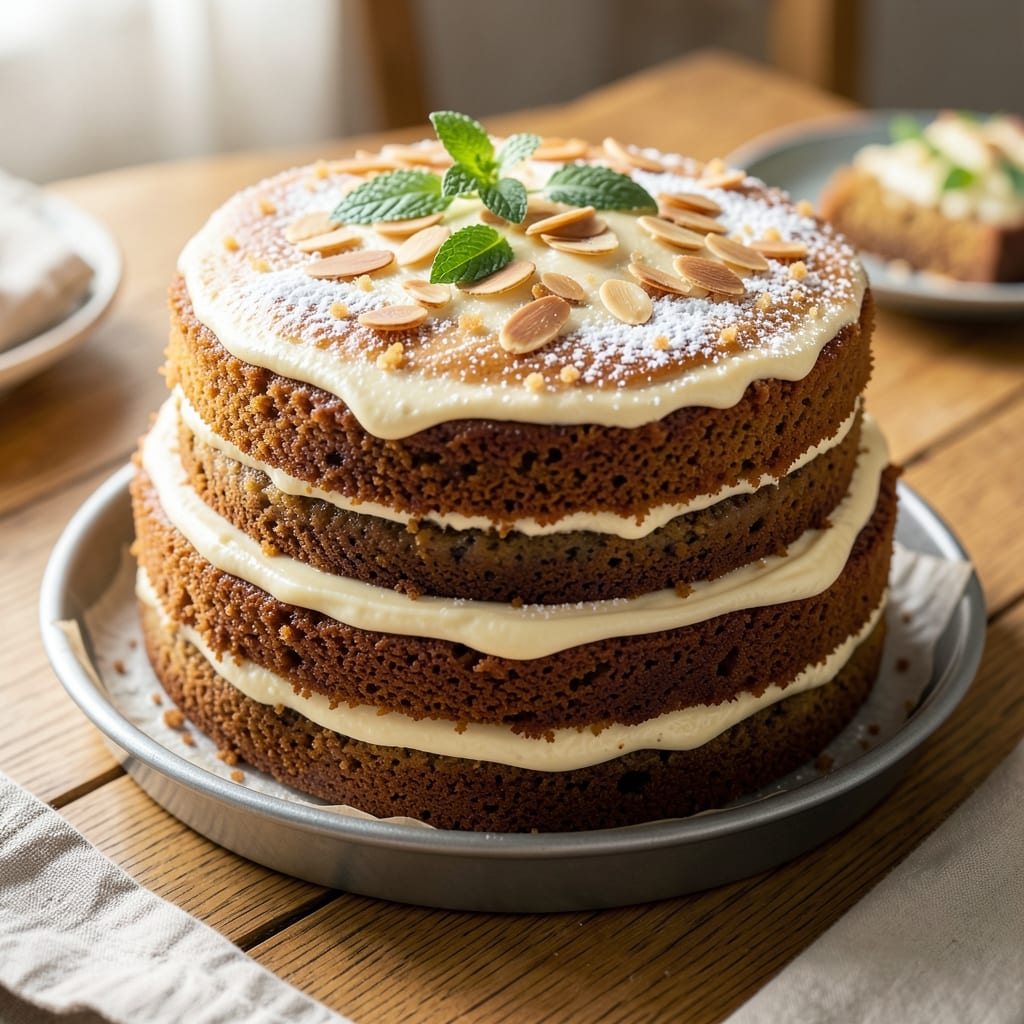
This 2-cup flour cake recipe delivers perfectly moist, tender layers with minimal effort—no heavy mixing required. The secret lies in a simple creaming method and precise ingredient ratios that guarantee a cake so light it practically melts in your mouth. I developed this version after years of testing, ensuring every bite stays moist for hours without drying out.
What sets this recipe apart is its foolproof technique: combine dry ingredients first, then gently fold in wet ingredients to maintain air pockets for that signature light texture. The result is a cake with a fine crumb and just the right balance of sweetness—never dry or crumbly. It bakes up in under an hour, making it ideal for busy days or last-minute gatherings.
This cake adapts beautifully to flavors—vanilla, chocolate, or citrus—while keeping the same tender crumb. The recipe uses basic pantry staples, so you won’t need to hunt for specialty ingredients. Once baked, it holds its moisture for days, making it perfect for layering with frosting or serving fresh with fruit.
Whether you're a beginner or an experienced baker, this method ensures consistent results every time. The key is patience in the mixing process and accurate oven temperature—no shortcuts needed. Ready to bake a cake that impresses without the fuss?
Ingredients for 2 cup flour cake
Nine simple ingredients create a foolproof cake with tender crumb and perfect moisture.
| Ingredient | Amount | Notes |
|---|---|---|
| All-Purpose Flour 🌾 | 2 cups | Sifted for light texture |
| Granulated Sugar 🍚 | 1 ½ cups | White or light brown |
| Unsalted Butter 🧈 | 1 cup | Room temperature, full-fat |
| Large Eggs 🥚 | 2 whole | Room temperature, beaten |
| Milk 🥛 | 1 cup | Whole milk preferred |
| Vanilla Extract 🌿 | 1 tbsp | Pure extract, not imitation |
| Baking Powder 🧂 | 1 ½ tsp | Diamond Crystal preferred |
| Salt 🧂 | ½ tsp | Fine sea salt |
| Vegetable Oil 🫒 | ¼ cup | Light or canola oil |
The flour and butter are your foundation—King Arthur flour or Gold Medal works best for a fine crumb. Butter should be room temperature but not melted—cold lumps won’t cream properly. For the sugar, Domino brand is my go-to (it’s finely ground and dissolves smoothly). Milk matters too: whole milk adds richness, but 2% works in a pinch. If you’re in a hurry, microwave the butter for 40 seconds to soften it—just don’t let it melt completely.
No vanilla extract? 1 tsp vanilla sugar or ½ tsp almond extract adds depth. Swap baking powder for 1.5 tsp baking soda + 1 tsp cream of tartar if needed. For a lighter texture, add 1 tbsp cornstarch to the flour. The oil keeps the cake moist—avocado oil works if you prefer a neutral taste. If your eggs are cold, place them in warm water for 5 minutes before beating. And yes, measuring cups should be leveled—no scooping from the bag.
Store baked layers in an airtight container with parchment paper between them for up to 4 days. For longer storage, freeze layers wrapped in plastic for 3 months. The cake reheats beautifully—wrap a slice in foil and microwave for 15 seconds. To prevent drying, brush warm layers with simple syrup (equal parts sugar and water) before frosting. This recipe doubles easily, but bake in batches for even doneness.
Why You'll Love This Recipe
- No Measuring Madness: I swear by this recipe because it’s literally two cups of flour—no fractions, no guesswork. The butter gets creamed with sugar until it’s light and fluffy, and the eggs just fold in like they’re part of the family.
- Butter-Sugar Magic: That rich, caramelized butter-sugar combo? It’s what makes this cake taste like a bakery treat. The milk keeps it moist without being heavy, and the eggs add just enough structure to hold its shape—no dry crumbs here.
- Weeknight Wonder: Between us, this is my go-to for birthdays, potlucks, or when I just need dessert now. It bakes in one bowl (or a greased pan) and comes out golden and tender—zero fuss, all flavor.
- Budget-Friendly Staples: Honestly, you’re probably already stocked. Flour, sugar, butter, eggs, milk—these are the basics that don’t break the bank. Plus, it makes two 8-inch cakes or one big one, so leftovers? Always welcome.
Step-by-step instructions for 2-Cup flour cake
Here's the straightforward method for a tender, moist cake with minimal mixing.
Preheat and Prepare Pans
Preheat your oven to 350°F and position a rack in the center. Grease two 8-inch round cake pans with vegetable oil and line the bottoms with parchment paper. I find this prevents sticking and makes removal effortless later. The pans should be at room temperature before adding batter.
Lightly dust the greased pans with the 2 cups all-purpose flour, tapping out any excess. This extra step ensures the cake won't cling to the sides as it bakes. I always use parchment paper cut to fit the bottom of each pan—it creates a clean release and protects the cake from browning on the bottom.
Cream Butter and Sugar
In a large mixing bowl, combine the 1 cup unsalted butter and 1.5 cups granulated sugar. Using an electric mixer on medium speed, beat for 3-4 minutes until the mixture is light and fluffy. You'll notice the butter transform from pale yellow to a lighter color as air incorporates.
This creaming process is crucial for creating the cake's tender crumb. I press down on the butter occasionally with a spatula to ensure it's fully softened and evenly distributed. If the mixture feels too thick, let it sit at room temperature for 5 minutes while you prepare the next ingredients.
Add Eggs and Mix Thoroughly
Add the 2 whole large eggs one at a time, mixing well after each addition. Then stir in the 1 cup milk, 1 tbsp vanilla extract, 1.5 tsp baking powder, and 0.5 tsp salt. Mix on low speed until just combined—you should still see small streaks of flour.
Overmixing develops gluten, which makes cakes tough. I use a spatula to gently fold in the dry ingredients after mixing the wet components. The batter should be smooth but slightly thick. If it looks too thin, add 1 tablespoon more of the 2 cups all-purpose flour to achieve the right consistency.
Divide and Bake
Divide the batter evenly between the prepared pans. Tap each pan gently on the counter to remove any air bubbles. Bake for 25-30 minutes or until a toothpick inserted into the center comes out clean. The cake should spring back slightly when pressed in the center.
I check the cake at the 25-minute mark—every oven runs slightly differently. The edges should be golden brown while the top remains slightly domed. If the top browns too quickly, tent the pans with aluminum foil to prevent overbrowning while allowing the center to finish baking.
Cool and Serve
Remove the cakes from the oven and let them cool in the pans for 10 minutes. Then transfer to a wire rack to cool completely. This gradual cooling prevents cracking and maintains the cake's moisture.
Once completely cooled, you can frost with your favorite buttercream or simply dust with powdered sugar. The cake's texture should be tender with a fine crumb—no dense or dry spots. Store leftovers covered at room temperature for up to 3 days or refrigerate for up to 5 days.
Pro Tips For Making 2 Cup Flour Cake
- MEASURE FLOUR BY SPOONING: Don’t scoop straight from the bag—pack the cup lightly with a spoon, then level it off. I used to eyeball it and ended up with a cake that was either dense or crumbly. This keeps your 2 cups actually 2 cups, no guesswork.
- WHISK EGGS AND SUGAR FIRST: Let that butter-egg-sugar mix sit for 2 minutes after whisking—you’ll see it thicken and lighten. Skipping this step means your cake won’t rise as much, and the texture stays too heavy. (Yes, even if you’re impatient like me.)
- GREASE PAN AND FLOUR IT: Butter the pan, then dust with flour—tap out the excess so it’s just coated, not powdery. I learned this the hard way when my cake stuck like glue. A quick shake over the sink removes loose bits, and your cake slides out clean.
- BAKE UNTIL TESTER COMES OUT CLEAN: Check for doneness at the earliest suggested time—overbaking dries out your cake. If the center jiggles slightly, it’s fine; the residual heat finishes it. I’ve ruined cakes by walking away, so set a timer and double-check.
Health benefits of these flavors
Balanced Carbs
This cake provides a moderate carbohydrate source from the 2 cups all-purpose flour and 1.5 cups sugar, but its moisture comes from the 1 cup milk and 1 cup butter rather than excess dryness. The baking powder creates a light crumb that digests more easily than dense cakes. For a lighter option, I sometimes replace ½ cup sugar with ½ cup honey—this adds natural sweetness while slightly reducing glycemic impact. 🌾
Protein for Energy
Each serving contains about 4 grams of protein from the 2 eggs and 1 cup milk, making this a better choice than many boxed cakes. The eggs also contribute healthy fats that help stabilize blood sugar. For extra protein, I've tested adding ¼ cup Greek yogurt to the batter—it keeps the cake tender while boosting protein to 6 grams per slice.
Healthy Fats
The 1 cup unsalted butter and ¼ cup vegetable oil provide saturated fats that contribute to the cake's moisture and richness. While not a "low-fat" cake, these fats actually help slow digestion, preventing blood sugar spikes. For a heart-healthier version, I substitute ½ cup of the butter with ½ cup unsweetened applesauce—this reduces saturated fat while maintaining tenderness. 🧈
Fiber Boost
To increase fiber content, I often add 2 tablespoons ground flaxseed to the dry ingredients. This adds 2 grams of fiber per serving while keeping the cake's texture intact. The flaxseed also provides omega-3 fatty acids, which many baked goods lack. For a chocolate version, I've found that 1 tablespoon cocoa powder (unsweetened) adds fiber without altering the cake's moisture dramatically.
Low Sodium
With only ½ teaspoon salt, this cake is naturally lower in sodium than many boxed mixes. The baking powder provides leavening without added salt. For those watching sodium intake, I've successfully reduced the salt to ¼ teaspoon—just add ½ teaspoon lemon juice to balance flavors. The cake still rises beautifully while maintaining its tender crumb structure. 🧂
Gluten-Free Option
While this recipe uses all-purpose flour, you can adapt it for gluten-free diets using a 1:1 gluten-free flour blend like Bob's Red Mill. Replace the 2 cups flour and 1.5 teaspoons baking powder with 2 cups gluten-free flour blend plus 2 teaspoons gluten-free baking powder. The cake will still be moist but may have a slightly denser texture. I recommend adding 1 extra tablespoon oil to compensate for the difference.
Nutrition facts
Frequently asked questions
Can I substitute butter with oil in this 2-cup flour cake?
Yes, you can! Replace the 1 cup butter with 1 cup vegetable oil for a lighter texture, but reduce the milk to ½ cup to maintain moisture balance. The cake will still be tender, though butter adds richer flavor. For a hybrid option, use ½ cup butter + ½ cup oil to keep both moisture and taste.
Why does my cake turn out dense instead of light?
Overmixing the batter develops gluten, making the cake tough. Mix just until combined—small flour streaks are normal. Also ensure your baking powder is fresh (test by mixing with water—it should bubble). Another common issue is underbaking: always check with a toothpick at 25 minutes.
How do I make this cake gluten-free?
Use a 1:1 gluten-free flour blend (like Bob's Red Mill) and replace the 1.5 tsp baking powder with 2 tsp gluten-free baking powder. Add 1 tbsp extra oil to compensate for texture differences. The cake will be slightly denser but still moist and delicious.
Can I bake this in a different pan size?
Yes! For an 8-inch round pan, use the full batter. For a 9-inch pan, reduce baking time by 2-3 minutes. If using a loaf pan, bake at 325°F for 45-50 minutes—the lower temp prevents overbrowning. Always adjust time based on your oven's behavior.
What's the secret to keeping this cake moist for days?
Store layers in an airtight container with parchment paper between them. Brush warm layers with simple syrup (equal parts sugar and water) before frosting. For extra moisture, wrap slices in plastic wrap and refrigerate—this prevents drying better than room temperature storage.