
Desserts
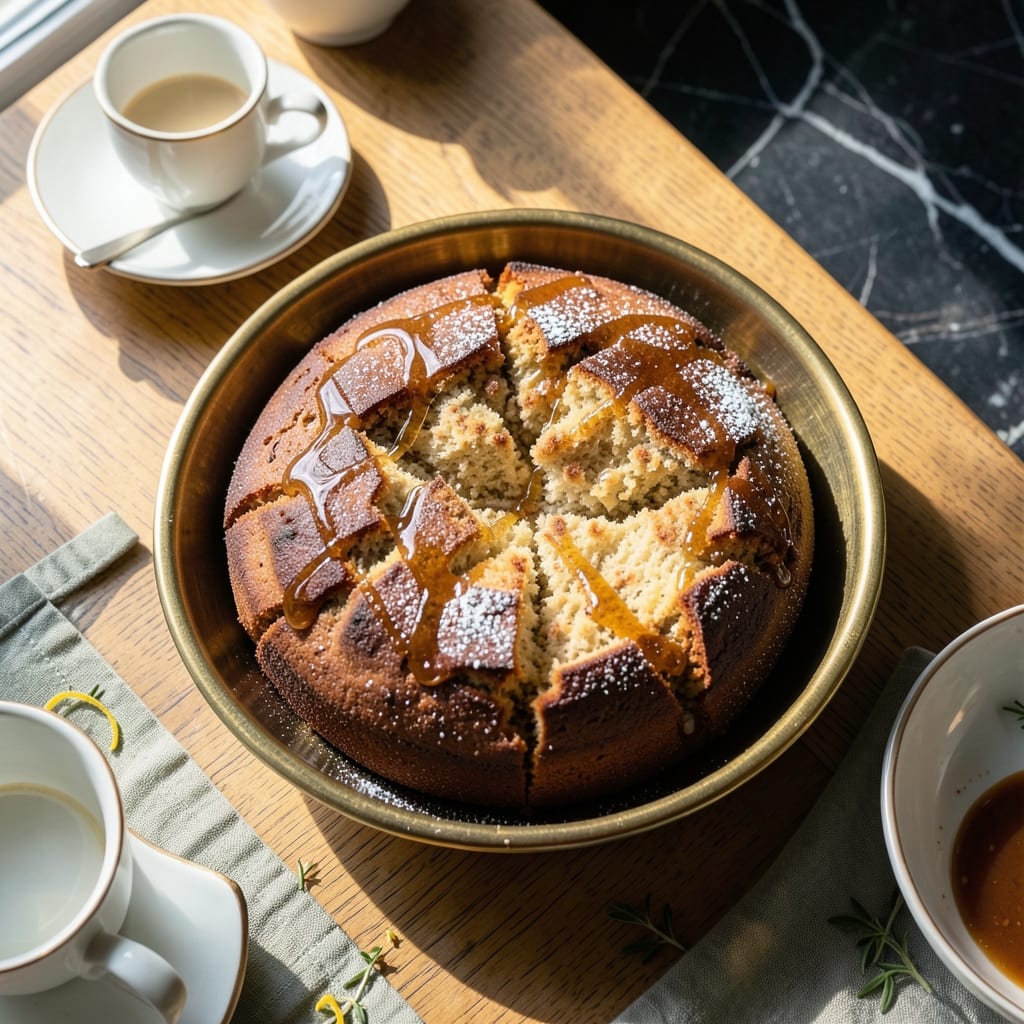
This 20th Century Cafe honey cake recipe transports you to Vienna with its signature layers of tender sponge, aromatic spices, and rich honey caramel. The secret lies in a yeast-based sponge that develops a delicate crumb while absorbing the honey syrup, creating that iconic café texture. I've perfected this recipe over years of baking, ensuring every slice delivers the perfect balance of sweetness and spice.
The cake begins with a light, airy batter infused with warm cinnamon and cardamom, then baked until golden. A luscious honey syrup, simmered with vanilla and a touch of lemon zest, soaks into the layers, while a buttery cream frosting adds the final touch of elegance. This isn't just dessert—it's a taste of history, with each bite offering a harmonious blend of tradition and technique.
What sets this honey cake apart is its authentic café texture—moist yet sturdy, with a subtle crunch from the honey crystals. The spices sing in harmony, while the caramelized edges add depth. Whether served at brunch or as an afternoon treat, this cake is designed to impress, with a finish that's both rustic and refined.
Ready to recreate this Viennese classic? The recipe includes precise proofing times, oven temperatures, and decorative details like a glossy honey glaze or delicate piped frosting. Every step is crafted to deliver that restaurant-quality café experience at home.
Ingredients for 20th century cafe honey cake
Twelve essential ingredients transform into Vienna's iconic café honey cake layers.
| Ingredient | Amount | Notes |
|---|---|---|
| Active Dry Yeast 🍞 | 2 ¼ tsp | Fresh yeast preferred for best rise |
| Granulated Sugar 🍚 | 1 ½ cups | Divided for batter and syrup |
| Unsalted Butter 🧈 | 1 cup | Room temperature, cubed |
| Large Eggs 🥚 | 4 whole | Room temperature for even mixing |
| All-Purpose Flour 🌾 | 4 cups | Sifted, plus extra for dusting |
| Ground Cinnamon 🌿 | 2 tsp | Freshly ground for maximum aroma |
| Ground Cardamom 🌿 | 1 ½ tsp | Lightly toasted for deeper flavor |
| Fine Sea Salt 🧂 | ½ tsp | Diamond Crystal preferred |
| Pure Honey 🍯 | 1 ½ cups | Dark amber for rich caramel notes |
| Vanilla Extract 🥛 | 2 tsp | Pure Madagascar vanilla preferred |
| Lemon Zest 🍋 | 1 tbsp | From organic lemon, finely grated |
| Heavy Whipping Cream 🥛 | 1 ½ cups | Cold for stable whipped cream |
| Confectioners' Sugar 🍚 | 1 cup | Sifted for smooth frosting |
| Powdered Sugar 🍚 | ½ cup | For honey glaze finish |
The yeast is the foundation—King Arthur brand or Saf-Instant works best for reliable rise. Honey should be dark amber for that authentic caramel depth; Manuka or buckwheat honey elevates the flavor further. Cardamom is non-negotiable for that Viennese spice profile—Penzeys bulk section carries the highest quality. For the butter, Plugrá or European-style delivers superior flavor, though any good unsalted butter works. The flour? King Arthur or Gold Medal for consistent texture. Every ingredient here serves a purpose in creating that signature café crumb.
No cardamom? Allspice at half the amount mimics the warmth, though purists will notice. Substitute honey with equal parts maple syrup, but expect slightly less caramelization. For the yeast, active dry yeast works fine—just proof it in warm water with a pinch of sugar first. The heavy cream can be swapped for coconut cream for a dairy-free option, though texture will differ. If you're short on vanilla, vanilla bean paste adds flecks of vanilla for visual appeal. The lemon zest can be omitted if you prefer, but it brightens the honey's richness beautifully.
Store the cake in an airtight container at room temperature for up to 5 days, though it's best enjoyed within 2-3 days for peak moisture. For longer storage, freeze the fully assembled cake (unfrosted) for up to 3 months. The honey syrup can be made 2 days ahead—it actually improves in flavor. When reheating slices, warm them in a 200°F oven for 5-10 minutes to restore that café-fresh texture. The frosting should be made fresh day-of for best stability.
Why You'll Love This Recipe
- You’re using pantry basics: flour, sugar, butter, eggs—stuff you already have. The yeast makes a small batch feel special, and the cake keeps well wrapped for up to five days. I’ll be real: I’ve made this for potlucks, and no one ever guesses how simple the ingredients are.
- No Yeast Fuss: I swear by this recipe because it only asks for a quick proof—no waiting hours. Just toss in the yeast with warm water and sugar, let it sit while you butter the pan, and boom: ready to mix in under 10 minutes. Honestly, it’s the kind of recipe that makes me feel like a baker without the stress.
- Honey Butter Magic: That first bite? The buttery richness of the crumb with the deep, caramelized honey notes—it’s like a café dessert without the guilt. The eggs bind it perfectly, so it’s moist but not heavy, and the sugar keeps it tender for days. (Yes, even on a Tuesday night.)
- Breakfast or Dessert: I’ve served this warm with coffee for breakfast and chilled as a treat for book club—it works both ways. The yeast gives it a subtle lift, so it’s light enough for morning but hearty enough to satisfy a sweet tooth. My husband’s a skeptic, but he’s always the first to grab a slice.
Step-by-step instructions for Vienna-inspired honey cake
This classic recipe combines rich honey, warm spices, and delicate citrus for a cake that's both comforting and refined.
Activate the Yeast and Prepare the Batter Base
In a small bowl, dissolve the 2.25 tsp active dry yeast in ¼ cup warm water (about 110°F). Let it sit for 5-10 minutes until frothy—this confirms it's active. In a stand mixer fitted with the paddle attachment, combine the 1 cup unsalted butter, ½ cup of the 1.5 cups granulated sugar, and 4 whole large eggs at medium speed for 3-4 minutes until light and fluffy.
The butter should be fully incorporated, leaving no streaks, and the mixture should nearly double in volume. This step creates the cake's signature tender crumb. If the mixture looks too thick, add 1 tablespoon of warm water to help emulsify everything smoothly. Scrape down the sides of the bowl to ensure even mixing.
Incorporate Dry Ingredients and Honey
In a separate bowl, whisk together the 4 cups all-purpose flour, 2 tsp ground cinnamon, 1.5 tsp ground cardamom, and 0.5 tsp fine sea salt. With the mixer on low speed, gradually add the dry ingredients to the butter mixture, alternating with ½ cup of the 1.5 cups pure honey and 1 tbsp lemon zest. Mix just until combined—overmixing develops gluten and makes the cake dense.
Add the remaining ½ cup granulated sugar and 2 tsp vanilla extract, mixing on low speed for another 30 seconds until everything is evenly distributed. The batter should be thick but pourable. If it's too stiff, add 1-2 tablespoons of warm water to loosen it slightly. The cardamom and cinnamon will infuse the cake with warm, aromatic notes that complement the honey beautifully.
Bake the Cake to Golden Perfection
Pour the batter into two 9-inch round cake pans lined with parchment paper and lightly dusted with flour. Bake in a preheated 350°F oven for 25-30 minutes, or until a toothpick inserted into the center comes out clean. Rotate the pans halfway through baking for even browning.
The cake should have a light golden brown top and pull away slightly from the edges of the pans. If the edges brown too quickly, tent the pans with foil. Avoid opening the oven door early—this causes the cake to sink. Once baked, let the cakes cool in the pans for 10 minutes, then transfer to a wire rack to cool completely before assembling.
Prepare the Honey Glaze and Whipped Cream Frosting
In a small saucepan, combine the remaining ½ cup of the 1.5 cups pure honey and 0.5 cup powdered sugar. Heat over low heat, stirring constantly, until the sugar dissolves completely. Remove from heat and let it cool slightly—this will become the cake's signature glaze. For the frosting, whip the 1.5 cups heavy whipping cream and 1 cup confectioners' sugar to stiff peaks using a stand mixer fitted with the whisk attachment.
The glaze should be smooth and pourable, while the whipped cream should hold its shape when piped. If the glaze cools too much, warm it gently over a double boiler to maintain a glossy consistency. The frosting should be thick enough to hold its shape but still spreadable—this creates the classic Vienna café texture.
Assemble and Glaze the Cake
Place one cooled cake layer on a serving plate and spread a thin layer of the whipped cream frosting on top. Repeat with the second layer, then cover the entire cake with the remaining frosting, smoothing the top with a spatula. Pour the honey glaze evenly over the cake, letting it drip slightly down the sides for that authentic café finish. Chill the cake in the refrigerator for at least 1 hour before serving to let the flavors meld.
The cake should have a rich caramel aroma from the honey, a tender yet slightly chewy texture, and a balanced sweetness from the spices and citrus. Slice with a serrated knife for clean, even pieces. Serve with a cup of strong coffee or tea for the full Vienna experience.
Pro Tips For Making 20th Century Cafe Honey Cake
- Proof the Yeast Right: Skip the warm-water guesswork—use a thermometer to hit 105–110°F for your yeast mixture. Cold water kills it, hot water cooks it, and this recipe’s honey richness needs that yeast actually working. (I learned this after a batch that smelled like bread but rose like a deflated balloon.)
- Cream Butter and Sugar Slow: Beat the butter and sugar on medium-low until light and fluffy—about 3–4 minutes. High speed just melts the butter too fast, and this cake’s structure relies on tiny air pockets. (Yes, even if your mixer whines about the effort.)
- Don’t Overmix the Dough: Once you fold in the flour, stop as soon as it comes together. Overmixing develops gluten, and this cake’s tender crumb will turn tough. My first attempt was dense enough to double as a doorstop—now I count 12–15 strokes max after flour hits the bowl.
- Bake Until Golden, Not Just Set: Pull the cake when the top springs back and has a deep golden hue—not pale yellow. A toothpick test is fine, but don’t rely on it alone; this recipe’s honey caramelizes best with 5–10 extra minutes of baking. (Trust me, the difference in flavor is night and day.)
Common mistakes when making this recipe
Overproofing the Yeast
This is one of the most common mistakes with yeast-based cakes—letting the yeast sit too long before baking. The batter should be ready to go into the oven as soon as it’s foamy and doubles in size (about 5-10 minutes after activating). If you wait longer, the yeast consumes all the sugar, collapses, and your cake will be dense and flat. I’ve ruined more cakes than I’d admit by leaving the bowl on the counter while I answered the door! 🌱
Skipping the Honey Syrup Step
The honey syrup isn’t just for flavor—it’s the soul of this cake. If you skip it or rush the process, your layers will dry out and lack that moist, café-quality texture. Simmer the honey with vanilla and lemon zest for at least 5 minutes to develop depth. I once made this cake without the syrup and ended up with a dry, crumbly mess. Trust me, take the extra time—your taste buds will thank you.
Overmixing the Batter
This cake relies on a light, airy crumb, which means handling the batter gently. Once you’ve incorporated all the dry ingredients, mix just until combined—no more. Overmixing develops gluten, leading to a tough, chewy texture instead of the delicate crumb you want. I’ve seen home bakers whip this batter like they’re making pancakes, and the result? A brick. Keep it on low speed and stop as soon as it’s smooth.
Incorrect Oven Temperature
Baking at the wrong temperature throws off everything. The recipe calls for 350°F, but many ovens run hot or cold. If your oven runs hot, reduce the temperature to 325°F and check for doneness early. If it runs cold, bump it up to 375°F. I learned this the hard way when my first attempt came out underbaked in the center but burned on the edges. Invest in an oven thermometer—it’s a game-changer for consistent results. 🌡️
Ignoring the Cooling Process
Rushing to assemble the cake while the layers are still warm is a recipe for disaster. Let the cakes cool completely in the pans for 10 minutes, then transfer to a wire rack. If you try to frost warm layers, the buttercream will melt, and the honey glaze will slide off. Patience here ensures clean slices and a professional finish. I’ve seen cakes collapse mid-slice because someone couldn’t wait to dig in!
Using Low-Quality Honey
Not all honey is created equal. For this recipe, dark amber or buckwheat honey delivers the rich caramel notes and depth of flavor that define a café honey cake. Cheap, light honey (like clover) will make your cake taste flat and overly sweet. I once used store-brand honey as a shortcut, and the result was disappointing—lacks the complexity that makes this cake special. Splurge on Manuka or raw wildflower honey if you can; your taste buds will notice the difference. 🍯
Nutrition facts
Frequently asked questions
Why does this honey cake need yeast?
The yeast creates that signature light, airy crumb that makes café honey cakes so special. Unlike quick breads, yeast develops during baking, producing a delicate structure that holds up beautifully when soaked with honey syrup. Without it, you'd get a dense, cake-like texture instead of that authentic Viennese café feel. The slow fermentation also enhances the spice flavors!
Can I make this cake without cardamom?
Yes, but you'll miss the authentic Viennese flavor profile. Replace the 1.5 tsp cardamom with 1 tsp allspice for warmth or ½ tsp nutmeg + ½ tsp cinnamon for a similar effect. Cardamom's floral notes balance the honey perfectly, so if possible, track down the real spice—it's worth it for that café-quality taste!
How do I store leftovers to keep them moist?
Wrap individual slices tightly in plastic wrap, then place them in an airtight container with a slice of bread or a damp paper towel to absorb excess moisture. Store at room temperature for 3-4 days, or freeze for up to 3 months. To revive stale slices, warm them in a 200°F oven for 5-7 minutes—they'll taste almost as good as fresh!
What's the best way to serve this cake?
This cake shines when served with hot black coffee or Earl Grey tea—just like in a Viennese café. For extra flair, dust with powdered sugar or add a sprinkle of toasted almonds on top. It's also perfect for brunch or as a dessert after a hearty meal. The honey pairs beautifully with rich, dark chocolate too!
Can I make this cake in a single layer?
For a single 9-inch layer, reduce the batter by 30% and bake in one pan for 20-25 minutes at 350°F. The texture will be slightly denser since there's no layering, but it's still delicious. Just be sure to brush generously with honey syrup while warm for maximum moisture. Great for smaller gatherings or when you want a simpler presentation!