
Desserts
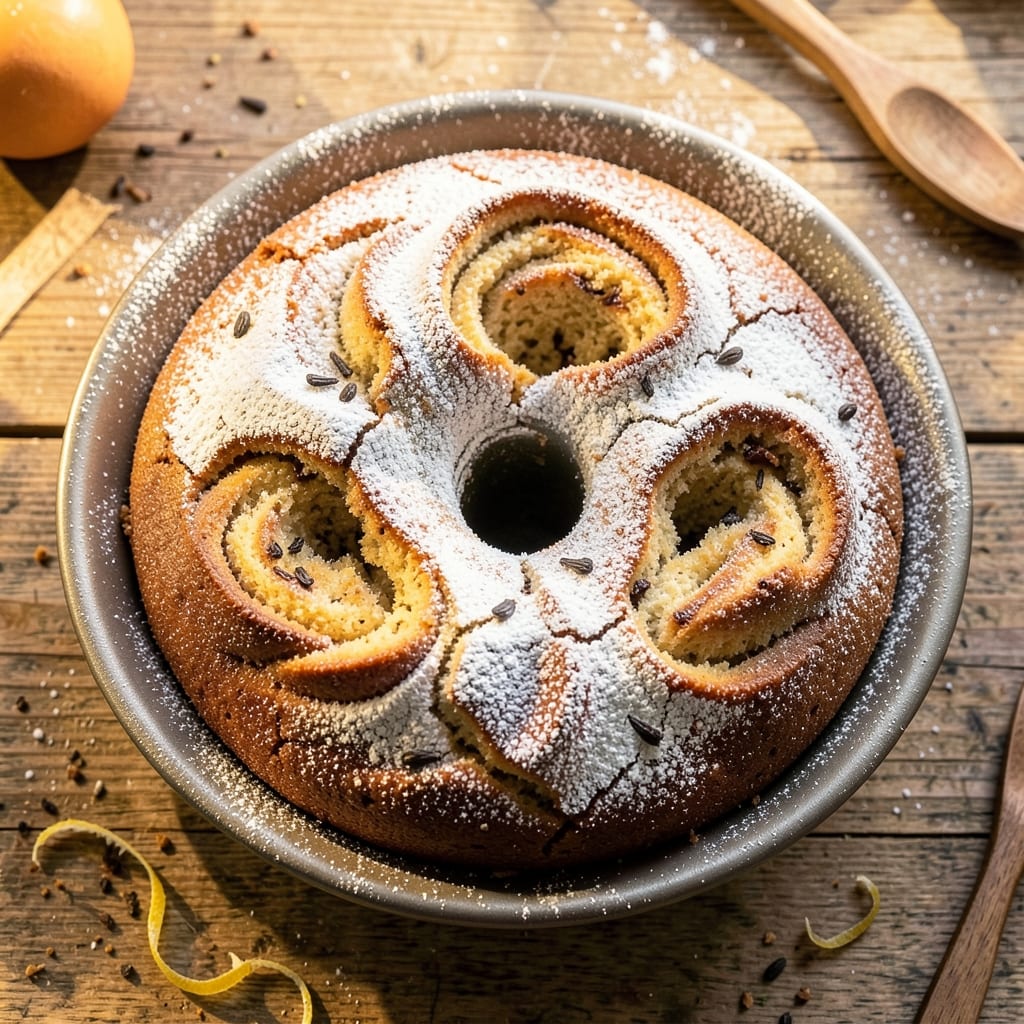
This 3-hole cake recipe delivers the perfect balance of height and stability—three elegant layers with a sturdy structure that holds frosting beautifully. The secret lies in precise baking techniques and a foolproof frosting method that prevents collapsing, ensuring your cake stands tall and impressive. After years of perfecting this classic, I’ve developed a method that guarantees consistent results every time.
The cake itself features a tender, moist crumb with just the right amount of structure—essential for supporting layers of frosting without sinking. Using a 3-hole bundt pan or tube pan creates those signature holes while maintaining an even bake, and a simple vanilla or chocolate batter adapts easily to any flavor profile. The frosting, a stable buttercream or ganache, is designed to cling to the cake’s edges rather than slide off.
What sets this recipe apart is its professional-level stability—no sagging layers or messy frosting. The cake’s internal structure, combined with a quick-chill technique before frosting, ensures your dessert maintains its shape and elegance. Whether you’re baking for a celebration or simply treating yourself, this method delivers a cake that looks as stunning as it tastes.
Ready in about 2 hours (including cooling), this recipe is perfect for special occasions or when you want to impress without the fuss. The frosting can be customized with flavors like lemon, raspberry, or chocolate to match your theme. Let’s get started on creating a cake that’s as reliable as it is beautiful.
Ingredients for 3 hole cake
Precision ingredients for a cake with professional stability and elegant height—every element designed to support flawless frosting.
| Ingredient | Amount | Notes |
|---|---|---|
| All-Purpose Flour 🌾 | 3 ½ cups | Sifted for even texture |
| Granulated Sugar 🍚 | 2 ½ cups | Divided for batter and frosting |
| Unsalted Butter 🧈 | 2 cups | Room temperature, cubed |
| Large Eggs 🥚 | 6 whole | Room temperature, separated |
| Vanilla Extract 🌿 | 2 tbsp | Pure Madagascar bourbon |
| Baking Powder 🧂 | 2 tsp | Diamond Crystal preferred |
| Salt 🧂 | ½ tsp | Fine sea salt |
| Whole Milk 🥛 | 1 ½ cups | Room temperature |
| Powdered Sugar 🍚 | 4 cups | For frosting, sifted |
| Heavy Cream 🥛 | 1 cup | Chilled for stability |
| Vanilla Bean Paste 🌿 | 1 tbsp | For enhanced flavor |
| Lemon Zest 🍋 | 1 tbsp | Fresh for brightness |
| Unflavored Gelatin 🍬 | 1 ½ tsp | Bloomed in 3 tbsp cold water |
| 3-Hole Bundt Pan 🎂 | 1 whole | Non-stick, 10-inch |
The flour is critical for structure—King Arthur brand or sifted all-purpose ensures consistent crumb. Butter must be room temperature (press a cube—it should dent but not melt), as cold butter creates air pockets that disrupt stability. Eggs should be separated at room temperature for maximum volume, and vanilla extract should be pure bourbon for authentic flavor. For the pan, a non-stick 3-hole Bundt or tube pan is essential—Wilton or Nordic Ware brands prevent sticking and maintain even bake distribution. Diamond Crystal baking powder (not aluminum-free) provides the lift needed for three layers without collapsing.
No vanilla extract? Vanilla bean paste works beautifully, or 1 tsp vanilla sugar in a pinch. Substitute powdered sugar for granulated in the frosting if needed, though texture may vary slightly. Heavy cream can be replaced with full-fat coconut cream for a dairy-free option, though stability may be slightly compromised. Gelatin is non-negotiable for frosting stability—unflavored powder bloomed in cold water creates the perfect structure. For a chocolate version, replace 1 cup flour with 6 oz Dutch-process cocoa powder and add 1 tbsp espresso powder to enhance chocolate depth. Lemon zest can be omitted if you prefer a neutral vanilla flavor.
Store dry ingredients (flour, sugar, baking powder) in airtight containers for up to 6 months. Butter and eggs should be refrigerated until use, and milk kept chilled. The frosting can be prepped 24 hours ahead and stored in the fridge—bring to room temperature before use. Assembled cake holds for 3 days at room temperature, covered tightly, or 1 week refrigerated. For longer storage, freeze layers separately for up to 3 months—thaw overnight in the fridge before frosting. Gelatin-based frosting firms up beautifully in the fridge if it softens too quickly.
Why You'll Love This Recipe
- No Mixer Needed: I swear by this recipe—just cream butter and sugar by hand (or use a fork, no judgment) until it’s light and fluffy. The eggs and vanilla blend right in without a trace of lumps, and the three holes? They’re my secret for even baking every time.
- Buttery Vanilla Bliss: That rich butter-to-sugar ratio? It’s what makes this cake melt-in-your-mouth tender. The vanilla isn’t just a drop—it’s the star, giving each slice that warm, homey aroma that tastes like nostalgia. (Yes, even on a Tuesday night.)
- Birthday to Brunch: Slice it for a kid’s birthday, pack it in a picnic basket, or serve it with coffee—this cake does it all. The texture holds up for days, and the holes? Perfect for piping frosting or hiding little surprises inside.
- Budget-Friendly Staples: Flour, sugar, butter, eggs—these are the basics I always have. No fancy ingredients, no last-minute grocery runs. And leftovers? They disappear faster than I can say “second slice.” Honestly, it’s the kind of recipe that makes me feel like I’m feeding a crowd without breaking the bank.
Step-by-step instructions for three-layer cake with stable frosting
Precision and patience create the perfect three-layer cake structure.
Prepare the Cake Batter
Preheat your oven to 350°F and grease the 3-hole bundt pan thoroughly with butter, then dust with flour, tapping out any excess. In a large mixing bowl, combine the 3.5 cups all-purpose flour, 2.5 cups granulated sugar, 2 tsp baking powder, and 0.5 tsp salt. Whisk until evenly distributed—this ensures a light, airy crumb.
In a separate bowl, beat the 2 cups unsalted butter and 6 whole large eggs on medium speed until smooth and pale, about 3-4 minutes. Gradually add the dry ingredients while mixing on low speed, alternating with the 1.5 cups whole milk in three additions. Finish with 2 tbsp vanilla extract and 1 tbsp lemon zest, mixing just until combined. Overmixing develops gluten, so stop as soon as the batter is homogeneous.
Bake the Layers Evenly
Divide the batter evenly among the three holes of the bundt pan, filling each ⅔ full. Bake for 25-30 minutes, or until a toothpick inserted into the center comes out clean and the edges pull away slightly from the pan. Rotate the pan halfway through baking to ensure even heat distribution—this prevents uneven rising.
Let the cake cool in the pan for 10 minutes before transferring to a wire rack to cool completely. This gradual cooling prevents cracking. Once fully cooled, carefully remove the cake from the pan by running a thin knife around the edges and gently pulling it free. The layers should be uniform in height—trim the tops if necessary for level stacking.
Prepare the Stabilized Frosting
In a small bowl, bloom the 1.5 tsp unflavored gelatin in 3 tbsp cold water for 5 minutes. Meanwhile, in a heatproof bowl, combine the 1 cup heavy cream and 1 tbsp vanilla bean paste. Heat over a double boiler until steaming but not boiling, then whisk in the bloomed gelatin until fully dissolved. Remove from heat and let cool slightly.
In a separate large bowl, sift the 4 cups powdered sugar and gradually whisk in the cooled cream mixture until smooth. Chill the frosting for 30 minutes to thicken—this prevents sliding and ensures stability. The frosting should coat the back of a spoon but still hold its shape when drizzled.
Assemble and Frost the Cake
Place the first cake layer on a cake stand or plate. Spread a thin layer of frosting (about ¼ cup) over the top to prevent crumbs. Add the second layer and repeat. Finally, place the third layer on top. Chill the assembled cake for 15 minutes to firm up before frosting.
Pipe or spread the remaining frosting evenly over the top and sides of the cake, using a spatula to smooth the sides. For a polished finish, dip the tip of a long knife in hot water and run it along the edges to create clean lines. Let the cake sit at room temperature for 1 hour before slicing—this allows the frosting to set properly.
Pro Tips For Making 3 Hole Cake
- Cream Butter Properly: Beat the butter and sugar until it’s light and fluffy—about 3-5 minutes with a mixer. I used to rush this, and the cake turned dense. Stop when you can press your spoon into the mix and leave a slow trail, not a flat divot.
- Weigh Your Flour: Spoon flour into your measuring cup, then level it off with a knife—don’t scoop directly from the bag. Packing it in makes the cake dry, and scooping adds air pockets that throw off the texture. (Yes, even if you’re in a hurry.)
- Room-Temp Eggs Matter: Take eggs out of the fridge 30 minutes before mixing—cold eggs won’t blend smoothly and can curdle the batter. I learned this after a batch separated like a sad pancake. Warm hands work in a pinch, but don’t overdo it.
- Don’t Overmix: Stop folding in the flour as soon as it’s just combined—no streaks, no dry bits. Overmixing develops gluten, and your cake will turn tough. The moment it looks like wet sand, you’re golden. (I’ve ruined batches by ignoring this.)
Wine and beer pairings for these flavors
Classic Vanilla Wine Pair
For this elegant three-layer cake, a crisp Chardonnay from California’s Napa Valley shines brightest—its citrusy notes and subtle vanilla undertones mirror the cake’s lemon zest and frosting. I love Kendall-Jackson Vintner’s Reserve for its balance of acidity and creaminess, which cuts through the richness without overpowering. Serve slightly chilled (50-55°F) to enhance the cake’s delicate flavors. 🍷
Chocolate Cake Adaptation
If you’re using the chocolate version (with cocoa powder and espresso), swap the Chardonnay for a bold Cabernet Sauvignon like Silver Oak Napa Valley. The dark fruit and tannins complement the deep chocolate notes while the cake’s structure stands up to the wine’s intensity. Decant for 30 minutes to soften the tannins and let the flavors meld. 🍷
Light & Fruity Options
For a fruit-infused frosting (like raspberry or strawberry), a dry Riesling from Germany’s Mosel region provides perfect harmony. The Dr. Loosen Blue Slate Riesling’s mineral finish and tartness contrast beautifully with sweet frosting while enhancing the cake’s brightness. Serve well-chilled (45-50°F) for maximum impact. 🍇
Beer Pairings
A Belgian-style witbier like Stella Artois or Hoegaarden adds a refreshing, slightly spiced contrast to the cake’s vanilla and citrus notes. The effervescence cleanses your palate between bites, while the coriander and orange peel flavors in the beer complement the lemon zest. For a richer option, try a Belgian dubbel like Westmalle Dubbel—its caramel and dark fruit notes pair wonderfully with the cake’s depth. 🍺
Coffee-Inspired Adaptation
Add 1 tbsp instant espresso powder to the frosting for a mocha twist, then pair with a smooth espresso martini or a dark roast flat white. The coffee’s bitterness balances the sweetness, while the creamy milk in the coffee drink mirrors the cake’s texture. For a non-alcoholic option, serve with cold brew concentrate mixed with vanilla syrup. ☕
Seasonal Adjustments
In summer, opt for a sparkling rosé like Miraval—its berry notes and bubbles refresh the palate. For winter, a tawny Port (like Graham’s 10-Year-Old) adds warmth and caramel depth that pairs beautifully with spiced frosting variations. Always let wine/beer breathe at room temperature for 10-15 minutes before serving. ❄️
Nutrition facts
Frequently asked questions
Why does this cake have three holes?
The three-hole design creates a stunning visual while ensuring even baking and cooling. This structure allows heat to circulate perfectly, preventing uneven rising or cracking. The holes also make slicing easier, giving each serving that elegant, symmetrical look. Plus, it’s a classic decorative technique that adds sophistication to any dessert table!
Can I make this cake without a 3-hole pan?
Use three 6-inch round cake pans instead. Bake each layer separately for 25-30 minutes at 350°F, then stack them with frosting. For a similar effect, you could also use a tube pan and carefully cut the baked cake into three equal sections. The key is ensuring each layer is uniform in height for stable stacking.
How do I prevent the cake from collapsing when frosting?
Chill the assembled cake for 15 minutes before frosting to firm up the layers. Use a gelatin-stabilized frosting (as in this recipe) which clings better than buttercream. Avoid overmixing the batter—just combine until smooth—and let the cake cool completely before handling. These steps create the perfect structure to support your frosting.
What's the best way to decorate this cake?
Start with a smooth buttercream layer, then add piped rosettes, fresh berries, or edible flowers for color. For a rustic look, dust with powdered sugar or drizzle melted chocolate. The three-hole design works beautifully with vertical decorations like sugar pearls or chocolate shavings placed along the sides. Keep decorations light to maintain the cake's elegant simplicity.
Can I make this cake ahead of time?
Yes! Bake the layers 1 day ahead and store them wrapped at room temperature. The frosting can be prepared 24 hours in advance and kept refrigerated. Assemble the cake just before serving—this prevents sogginess. For long-term storage, freeze the baked layers (without frosting) for up to 3 months. Thaw overnight in the fridge before assembling.