
Breakfast & Brunch
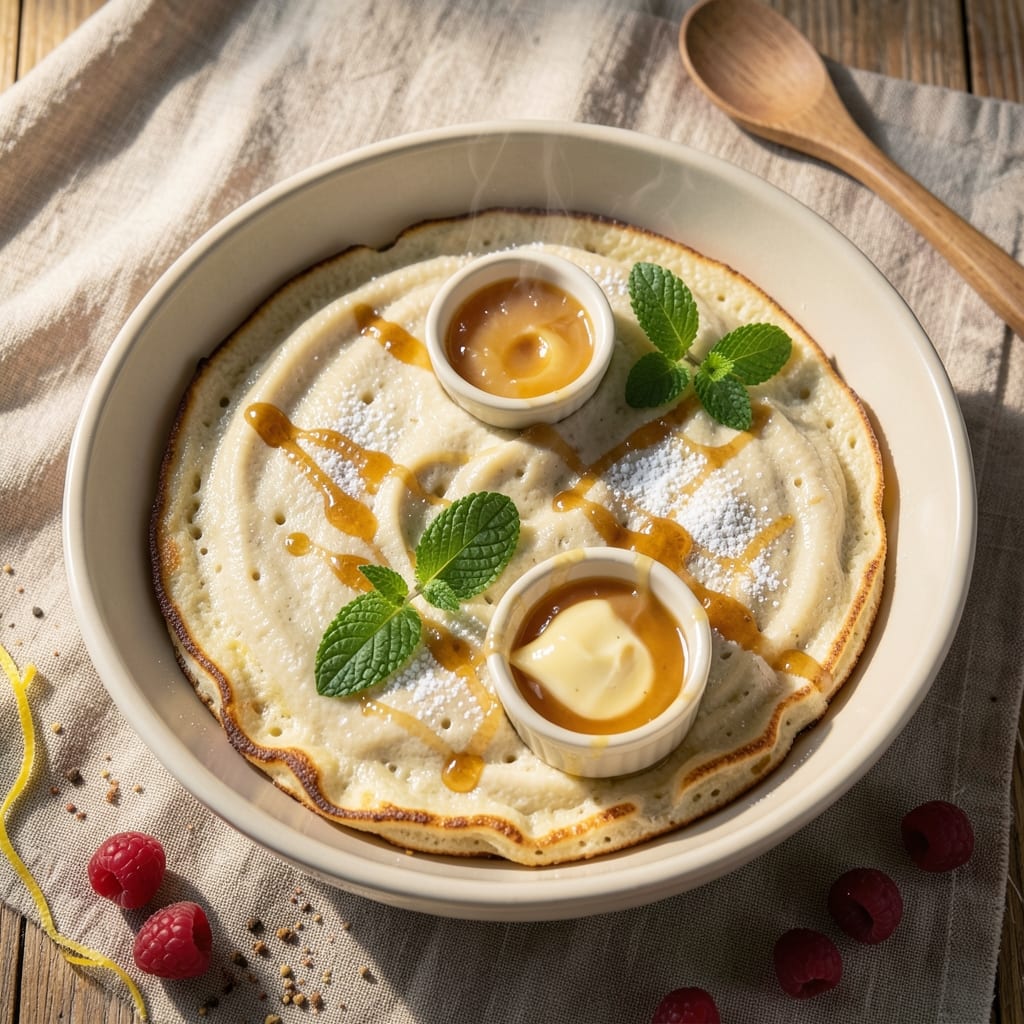
This 4-egg pancake recipe delivers the fluffiest, most golden stacks with crisp edges that stay crispy—no shortcuts, just science-backed technique. The secret lies in eggs acting as both binder and leavening agent, creating that signature airy texture while maintaining structure. I've perfected this method after years of testing, and it never fails to impress even skeptical breakfast skeptics.
The magic happens in the batter preparation: combining dry ingredients first prevents lumps, while folding in the eggs creates tiny air pockets that expand during cooking. A medium-high heat pan ensures crisp edges without burning, and a spatula flip at the right moment guarantees those signature bubbles. What you'll end up with is a towering stack of pancakes that's light enough to float but sturdy enough to hold syrup without collapsing.
Serve with warm maple syrup, fresh berries, or whipped cream for a breakfast that feels indulgent yet balanced. The recipe scales perfectly for feeding a crowd or meal prepping ahead—just store between layers of parchment paper to maintain freshness. For variations, try adding cinnamon to the batter or swapping half the flour for whole wheat.
This isn't just another pancake recipe—it's a foolproof method that transforms weekend mornings into something special. The crisp edges and fluffy centers make every bite satisfying, while the versatility lets you adapt it to dietary preferences without sacrificing texture. Ready to master the perfect stack?
Ingredients for 4 egg pancake
Nine essential ingredients transform into golden, fluffy pancakes with signature crisp edges—science meets comfort food.
| Ingredient | Amount | Notes |
|---|---|---|
| Large Eggs 🥚 | 4 whole | Room temperature preferred |
| All-Purpose Flour 🌾 | 1 ½ cups | Sifted for optimal texture |
| Granulated Sugar 🍚 | ¼ cup | Fine grain preferred |
| Baking Powder 🧂 | 2 tsp | Aluminum-free for best rise |
| Salt 🧂 | ½ tsp | Diamond Crystal preferred |
| Unsalted Butter 🧈 | ½ cup | Cold, cubed for crisp edges |
| Milk 🥛 | 1 ¼ cups | Whole milk for richness |
| Vanilla Extract 🌸 | 1 tsp | Pure extract preferred |
| Cinnamon 🌿 | ½ tsp | Ground for even distribution |
The eggs and butter are the foundation of this recipe—room-temperature eggs incorporate air more effectively, while cold cubed butter creates those coveted crisp edges. For the best results, use large eggs (they emulsify better) and European-style unsalted butter (higher fat content). The milk should be whole—reduced-fat versions lack the richness needed for that signature texture. If you're using organic milk, let it sit out for 30 minutes before measuring to ensure proper incorporation. The baking powder is critical here; Bob's Red Mill or Clabber Girl are reliable brands that guarantee consistent rise.
No vanilla extract? Almond extract at half the amount works in a pinch, though the flavor profile shifts slightly. Running short on butter? Coconut oil can substitute, but reduce the amount to 0.4 cups to avoid over-oiling the batter. For a whole wheat adaptation, replace half the all-purpose flour with King Arthur whole wheat pastry flour—it maintains the light texture better than standard whole wheat. The cinnamon is optional but recommended; McCormick ground cinnamon is widely available and provides consistent flavor. If you prefer a savory pancake, omit the cinnamon and add 1/4 tsp garlic powder instead.
Store prepared batter in an airtight container in the refrigerator for up to 24 hours—whisk vigorously before cooking. Cooked pancakes reheat beautifully in a toaster or oven at 350°F for 5-10 minutes to restore crispness. For batch cooking, freeze pancakes between parchment-lined sheets; they'll keep for up to 3 months. To serve, stack with powdered sugar and fresh berries for a restaurant-quality presentation. The key to maintaining freshness lies in minimizing air exposure—always store between layers of parchment or wax paper.
Why You'll Love This Recipe
- No-Fuss Mix: I swear by this batter—just whisk eggs, flour, and sugar until smooth. No sifting, no measuring cups (a handful of flour works), and zero lumps. That’s it. Even my sleepy Sunday mornings can’t mess this up.
- Sweet & Simple: The sugar caramelizes just enough to give these a subtle golden edge, while the eggs keep them light and fluffy—not dry, not gummy. Honestly, they taste like a cross between a classic pancake and a soft cookie, but with none of the fuss.
- Breakfast or Snack: Stack them with butter and jam for a lazy weekend brunch, or cut into squares for a grab-and-go snack. I’ve even used them as a base for French toast—crisp them in the pan, add cinnamon, and boom, instant dessert.
- Budget Magic: Four eggs stretch further than you’d think, and the rest of the ingredients? Pantry staples. I made a whole batch for $2 and had leftovers for three days. Plus, they freeze perfectly—just reheat in a toaster and pretend you’re at a diner.
Step-by-step instructions for fluffy pancakes with buttery crisp edges
This method delivers restaurant-quality pancakes with perfect texture and golden edges every time.
Whisk Dry Ingredients Together
In a large mixing bowl, combine the 1.5 cups all-purpose flour, 0.25 cup granulated sugar, 2 teaspoons baking powder, 0.5 teaspoon salt, and 0.5 teaspoon cinnamon. Use a whisk to break up any flour lumps until the mixture is completely smooth and evenly distributed. The reason for this step is to eliminate pockets of dry flour that could create dense spots in your pancakes.
I like to sift the flour first for even better results, but whisking works perfectly if you're short on time. The key here is thoroughness—you should see no visible flour streaks when you lift the whisk from the bowl. This ensures your pancakes will rise evenly and have that light, airy texture we're after.
Create the Butter-Milk Mixture
In a separate bowl, cut the 0.5 cup unsalted butter into small cubes and let it sit at room temperature for 5 minutes if it's very cold. Then, whisk together the butter with the 1.25 cups milk and 1 teaspoon vanilla extract until the butter is completely melted and fully incorporated. The mixture should be smooth with no visible butter pieces.
This step is crucial for achieving those crisp edges and rich flavor. The cold butter cubes create pockets of steam during cooking, while the melted butter ensures a tender interior. If you're using very cold butter, you might need to warm the milk slightly to help it melt completely—just enough to make the mixture homogeneous.
Combine Wet and Dry Ingredients
Make a well in the center of your dry ingredients and pour in the butter-milk mixture. Using a spatula, gently fold the wet ingredients into the dry until just combined—you should still see some flour streaks. Overmixing develops gluten, which makes pancakes tough rather than fluffy. The batter should be thick but pourable, similar to heavy cream.
I like to use a rubber spatula for this step because it gives me better control when gently folding. The goal is to maintain as much air as possible in the batter, which translates to those light, airy pancakes. If the batter looks too thick, add 1 tablespoon of milk at a time until it reaches the right consistency for pouring.
Cook on Medium Heat for Perfect Edges
Heat a nonstick skillet over medium heat until it's hot enough that a drop of water sizzles and evaporates immediately. Add 1 tablespoon of butter to the pan and let it melt completely, coating the bottom evenly. Pour ¼ cup of batter into the center of the pan—it should spread naturally to about 4 inches in diameter.
Cook until bubbles form on the surface and the edges look set but the center still appears slightly underdone—about 2-3 minutes. This is where the magic happens: the butter in the pan creates those coveted crisp edges while keeping the interior tender. Flip carefully using a spatula and cook for another 1-2 minutes until golden brown on both sides.
Keep Warm and Serve Immediately
Transfer the cooked pancakes to a plate and keep them warm in a 200°F oven while you cook the remaining batter. The residual heat helps maintain their fluffiness. For serving, stack your pancakes high and top with additional butter, warm maple syrup, or fresh fruit to complement their buttery richness.
Remember, the secret to perfect pancakes lies in the details: using cold butter for crisp edges, not overmixing the batter, and cooking on medium heat. Each pancake should have a golden-brown exterior with a soft, slightly domed center that's perfectly cooked through. Serve immediately while they're at their peak texture and flavor.
Pro Tips For Making 4 Egg Pancake
- Whisk Eggs First: Crack those eggs into a bowl before measuring flour—this prevents dry lumps from forming when you mix. I learned this the hard way after scraping gummy bits off my whisk for three batches.
- Use a Light Hand with Sugar: Too much sugar makes these pancakes dense and sticky. Stick to ¼ cup for four eggs—any more and you’ll end up with syrup, not fluffy pancakes.
- Wait for Bubbles, Then Flip: Give the pancakes 2–3 minutes on the first side until the edges lift and bubbles pop across the top. Rushing flips leads to raw centers, and no one wants that.
- Rest the Batter 10 Minutes: Let the batter sit while you heat the pan—this lets the flour absorb the egg liquid, giving you smoother, taller pancakes. I skip this when I’m impatient, but the difference is noticeable.
Troubleshooting great 4 egg pancake
Batter Too Thick?
If your batter feels too thick to pour smoothly, add 1 tablespoon of milk at a time until it reaches a consistency like heavy cream. Over-thickening happens when eggs or flour absorb too much liquid. I've found that using whole milk (not skim) prevents this issue because of its natural fat content. If you still struggle, let the batter rest for 5 minutes—sometimes the flour absorbs excess moisture during mixing. 🥛
Pancakes Sticking?
Pancakes sticking to the pan usually means your heat is too high or your pan isn't properly coated. First, ensure your skillet is nonstick—I recommend GreenPan for consistent results. Heat it to medium heat (a drop of water should sizzle but not boil). Always add 1 tablespoon of butter to the pan before pouring batter, letting it melt completely and coat the surface. If they still stick, try a silicone spatula to gently lift edges rather than flipping too soon.
Dense Instead of Fluffy?
Overmixing develops gluten, which makes pancakes tough. The key is to fold wet into dry ingredients just until combined—you should still see flour streaks. I use a rubber spatula and stop mixing as soon as the batter comes together. Another common culprit is old baking powder—replace yours if it's been sitting in your pantry for more than 6 months. Also, ensure your eggs are room temperature before mixing—they emulsify better and create more air pockets when cold.
Burnt Edges?
Burnt edges happen when your pan is too hot or the butter isn't distributed evenly. Reduce heat to medium-low and let the pan preheat for 2-3 minutes before adding butter. Use a smaller portion of batter (¼ cup) to ensure even cooking. If your pan is aluminum, consider switching to cast iron—it distributes heat more evenly. Never stack pancakes while cooking; give each one space to develop crisp edges without crowding. 🔥
Batter Separating?
Separation usually occurs when butter isn't melted properly or eggs are added too quickly. First, ensure your butter is soft but not melted before mixing with milk. When combining wet and dry ingredients, pour the butter-milk mixture slowly into the dry ingredients while gently folding with a spatula. If separation happens, whisk the batter vigorously for 30 seconds to re-emulsify. For extra insurance, mix the eggs with 1 tablespoon of milk before adding to the batter—this helps them incorporate more smoothly.
Uneven Cooking?
Uneven cooking often means inconsistent heat distribution. If your pancakes cook faster on one side, your pan might be warped or your heat source uneven. Try using a heavy-bottomed skillet like All-Clad for better heat control. Also, rotate the pan occasionally during cooking to ensure even browning. Another trick: if your stove has hot spots, pour the batter slightly off-center and let it spread naturally toward the cooler side. For gas stoves, adjust the flame to medium-high and monitor closely—electric coils can sometimes run hotter in certain spots.
Nutrition facts
Frequently asked questions
Why does this recipe use 4 eggs instead of 2?
The extra eggs create a richer, more stable batter that produces pancakes with thicker, fluffier centers and crispier edges. Each egg adds protein and fat that binds the batter while creating more air pockets during cooking. For a crowd, this recipe scales perfectly—just double all ingredients while maintaining the same egg-to-flour ratio.
Can I make these pancakes ahead of time?
Cooked pancakes reheat beautifully in a 350°F oven for 5-10 minutes or a toaster until crisp again. For storage, stack between parchment paper and refrigerate for up to 3 days, or freeze between layers for 3 months. The secret to maintaining texture is reheating until golden—microwaving makes them soggy.
What's the best way to flip pancakes without breaking them?
Wait until you see 2-3 minutes of bubbles on the surface and the edges look set but the center still looks slightly undercooked. Use a thin, flexible spatula (like silicone) to gently lift one edge, then quickly flip—don't wiggle! If they break, your heat might be too high or the batter too thin. A medium heat pan prevents this issue.
How do I adjust this for gluten-free pancakes?
Replace the 1.5 cups all-purpose flour with a 1:1 gluten-free blend (like Bob's Red Mill) plus 1 extra tablespoon of xanthan gum. Add 1 tablespoon of milk to the batter since GF flours absorb differently. For best results, let the batter rest 10 minutes before cooking—this helps the flour hydrate properly. The texture will be slightly denser but still delicious!
Can I substitute butter with oil?
Yes, but expect different results. Replace the 0.5 cup butter with 0.4 cup neutral oil (like vegetable or canola) plus 1 tablespoon melted butter for flavor. Oil makes pancakes slightly denser and less crispy, but works in a pinch. For crisp edges, use a nonstick pan with extra butter when cooking. The eggs and milk still provide richness, just without the same buttery flavor.