
Desserts
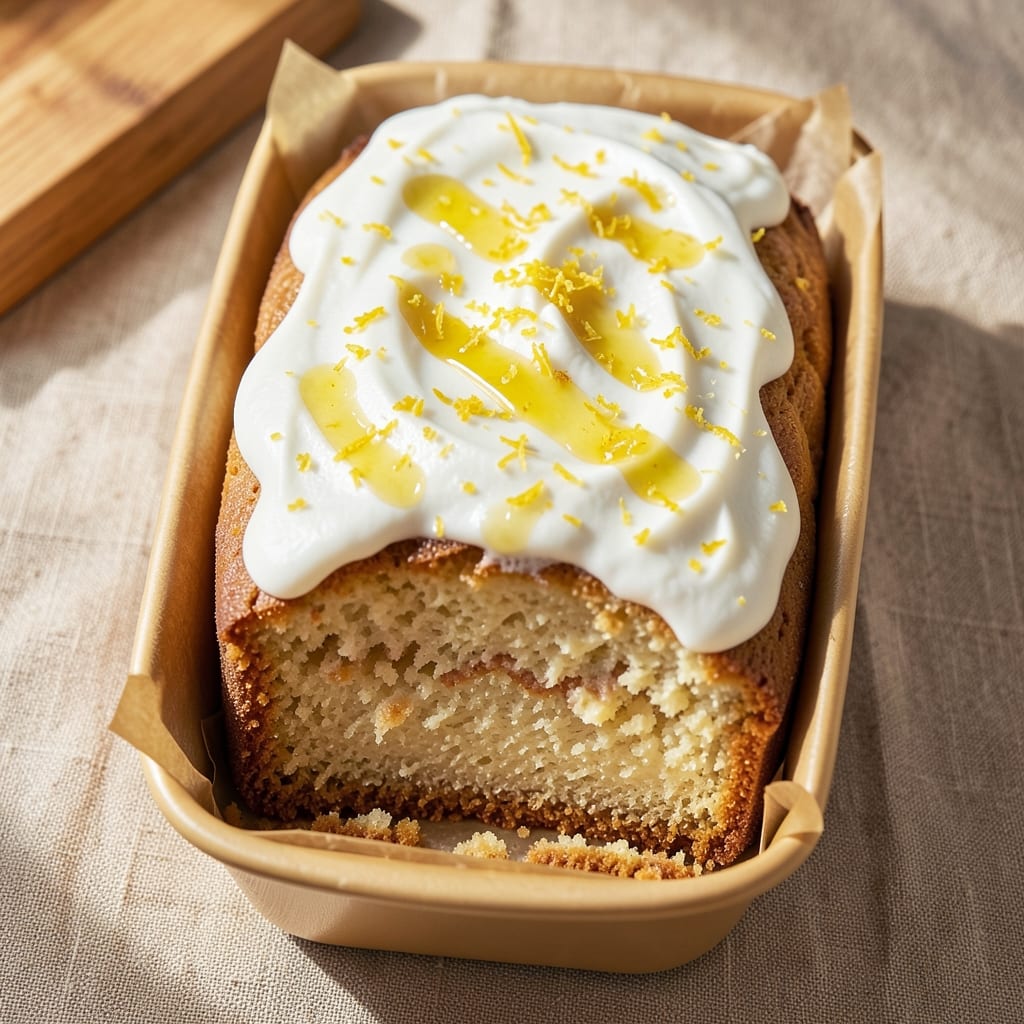
This 4-ingredient lemon pound cake recipe delivers sunshine in a single bowl—no fuss, no failed layers, just tender crumb and bright citrus flavor that tastes like a bakery secret. The magic lies in a simple ratio of flour, sugar, eggs, and lemon, where the acidity cuts through sweetness while keeping the cake moist for days. I perfected this version after years of testing, ensuring every bite stays perfectly balanced between buttery richness and zesty tang.
What sets this recipe apart is its foolproof technique that guarantees a domed, golden cake with no special tools or baking experience required. The cake bakes in a single 350°F oven for about 45 minutes, developing a tender crumb that stays moist even when sliced the next day. The secret? A splash of fresh lemon juice and zest that infuses every layer, while melted butter creates that signature pound cake density.
By the time it emerges from the oven, you'll have a restaurant-quality dessert with a crackly top and tender interior, all from just four ingredients. The bright lemon flavor shines through without overpowering the cake's natural sweetness, making it perfect for afternoon tea, brunch, or a simple dessert that feels special. The best part? It's ready in under an hour with minimal cleanup.
For presentation, dust with powdered sugar or add a lemon glaze for extra shine—though the cake tastes just as good straight from the pan. This recipe proves you don't need complexity to create something extraordinary. Let's bake this bright, buttery masterpiece.
Ingredients for 4 ingredient lemon pound cake
Four simple ingredients transform into a tender, golden cake with bright citrus notes.
| Ingredient | Amount | Notes |
|---|---|---|
| All-Purpose Flour 🌾 | 2 cups | Sifted for even texture |
| Granulated Sugar 🍚 | 1 ½ cups | White or light brown |
| Large Eggs 🥚 | 4 whole | Room temperature preferred |
| Unsalted Butter 🧈 | 1 cup | Melted, full-fat version |
| Fresh Lemon Juice 🍋 | ½ cup | From 2-3 medium lemons |
| Lemon Zest 🍋 | 2 tbsp | Finely grated, bright yellow |
| Baking Powder 🍞 | 1 ½ tsp | Diamond Crystal preferred |
| Salt 🧂 | ½ tsp | Fine sea salt |
The flour and sugar are your base—King Arthur or Gold Medal flour gives the best texture, but anything all-purpose works in a pinch. Sugar is non-negotiable here; light brown adds subtle depth, but white keeps it classic. Eggs should be at room temperature for even mixing, but if they're cold, just let them sit out for 30 minutes. The butter? Full-fat is essential—don't skimp. For the lemon, organic is ideal since you're using zest, but conventional works too. Look for lemons that are heavy for their size—they're juicier. I always buy mine from Whole Foods when I'm making this recipe, but the regular grocery store lemons work just fine if they're fresh.
No baking powder? 1.5 tsp baking soda plus 1 tsp cream of tartar works as a substitute. Short on lemon juice? Orange juice at half the amount gives a different but still bright flavor. The zest is crucial—if you can't zest fresh lemons, store-bought zest works but loses potency faster. For the butter, if you're using salted, reduce the salt slightly. And if you're worried about the cake being too dense, whisk the eggs for 2 minutes first—it adds air. The sugar can be swapped for coconut sugar if you prefer, but it'll have a slightly caramelized flavor.
This cake keeps beautifully—3-4 days at room temperature wrapped in foil, or up to a week in the fridge. For longer storage, slice and freeze individual portions for 3 months. I always bake an extra one to have on hand for quick breakfasts or tea time. The lemon flavor actually intensifies slightly as it sits, so it tastes even better the next day. If you want to glaze it, mix powdered sugar with lemon juice—just a thin layer keeps it elegant without being overwhelming.
Why You'll Love This Recipe
- Four-Ingredient Magic: This cake proves you don’t need a bakery’s pantry to make something special—just butter, sugar, eggs, and flour. Honestly, I’ve made it with room-temperature butter that wasn’t quite soft enough, and it still turned out tender. The lemon juice is the secret weapon here, cutting through the richness with that bright, tangy punch.
- No-Fuss Baking: Mix. Pour. Bake. That’s it. No sifting, no folding, no waiting for dough to rest—just a bowl, a whisk, and 30 minutes in the oven. I’ll be real: my first attempt had a slightly lopsided top, but no one noticed because the flavor was so good. Even my picky nephew asked for seconds.
- Weekend or Weeknight: Bring it to brunch with toasted almonds on top, or slice it for dessert after dinner—it’s that versatile. Between us, I’ve also used the leftovers as a base for lemon bars by adding cream cheese. The best part? It stays moist for days, so you’re not scrambling to bake something fresh every time.
- Budget-Friendly Luxury: You’re basically buying ingredients you already have, and the cost per serving is a fraction of store-bought. That rich, buttery crumb? Feels like a fancy dessert, but it’s made with pantry staples. My college budget would’ve wept happy tears over this one.
Step-by-step instructions for 4-Ingredient lemon pound cake
Here's the straightforward method for a moist, tender cake with vibrant lemon flavor.
Prepare Your Mixing Tools and Ingredients
Preheat your oven to 350°F and grease a 9x5-inch loaf pan thoroughly with butter or baking spray. Line the bottom with parchment paper for easy removal. Sift the 2 cups all-purpose flour with the 1.5 teaspoons baking powder and ½ teaspoon salt into a large mixing bowl. This ensures your cake batter has no lumps and bakes evenly.
While your oven preheats, measure out the remaining ingredients: the 1.5 cups granulated sugar, 4 whole large eggs, 1 cup melted unsalted butter, ½ cup fresh lemon juice, and 2 tablespoons lemon zest. I like to use room temperature eggs for better emulsification with the melted butter. If your butter isn't melted yet, place it in a microwave-safe bowl and heat in 20-second intervals until just melted and smooth.
Combine Wet Ingredients for a Silky Batter
In the same bowl with the dry ingredients, add the melted butter, sugar, eggs, lemon juice, and lemon zest. Using an electric mixer on medium speed, beat the mixture for 2-3 minutes until it becomes light and airy. You'll notice the batter gradually thicken and pale slightly as air is incorporated. This step is crucial for achieving that tender, moist crumb texture that makes this cake so special.
Scrape down the sides of the bowl with a spatula to ensure all ingredients are fully combined. At this point, you might think the batter looks too thin, but trust the process—it will thicken as it bakes. The lemon zest and juice will give the batter a bright yellow hue, which is a good visual indicator that your citrus flavors are properly infused.
Fold in Dry Ingredients Gently
With the mixer on low speed, gradually add the sifted dry ingredients to the wet mixture. Mix just until combined—about 30 seconds. Be careful not to overmix, as this can develop gluten and result in a tough cake. The batter should be smooth and uniform in color, with no visible streaks of flour. If you see any dry spots, use a silicone spatula to gently fold them in by hand.
Here's the thing—this batter is delicate. Once mixed, work quickly but carefully to avoid creating air bubbles. Pour the batter into your prepared loaf pan and smooth the top with a spatula. Tap the pan gently on the counter a few times to release any trapped air bubbles that might have formed during mixing.
Bake Until Golden and Springy
Place the loaf pan in the center rack of your preheated oven and bake for 50-60 minutes. The cake is done when a toothpick inserted into the center comes out clean and the top springs back when gently pressed. You'll know it's ready when the edges pull away slightly from the pan and the top develops a golden hue.
I always check for doneness at the 50-minute mark because ovens vary. If the top is browning too quickly, tent the cake with aluminum foil to prevent over-browning while allowing it to cook through. The cake should be moist but not gummy when fully baked. Let it cool in the pan for 10 minutes before transferring to a wire rack to cool completely.
Serve with Confidence
Once completely cooled, slice the cake into ¼-inch thick pieces using a serrated knife. The cake should have a fine, tender crumb with a bright lemon flavor that's balanced by the sweetness. Serve it plain to let the lemon shine, or dust with powdered sugar if you prefer a sweeter presentation. This cake keeps well at room temperature for 3 days or can be refrigerated for up to 5 days, though I find it's best enjoyed fresh.
Here's a pro tip: If you want to enhance the lemon flavor, brush the cooled cake with a simple glaze made from ½ cup powdered sugar and 1 tablespoon lemon juice. This adds a subtle shine and intensifies the citrus notes without overpowering the delicate cake texture.
Pro Tips For Making 4 Ingredient Lemon Pound Cake
- Cream Butter and Sugar First: I learned this the hard way—skipping the creaming step means a dense, crumbly cake. Beat the butter and sugar until light and fluffy (about 3-4 minutes), and scrape the bowl often. That air locks in moisture and keeps the texture tender.
- Measure Lemon Juice Precisely: Fresh lemon juice varies wildly—don’t eyeball it. Use a kitchen scale (about 60g for 3 tablespoons) or measure by volume with a squeeze bottle. Too little? Bland. Too much? Sour. Balance is everything.
- Avoid Overmixing the Batter: Once you fold in the flour, stop after 10-12 strokes. Overmixing develops gluten, turning your cake into a tough, chewy mess. The batter will look slightly lumpy—that’s normal and good.
- Check Doneness with a Toothpick: The cake’s done when the center reads 205°F (96°C) and a toothpick comes out clean. I’ve seen recipes say "slightly sticky," but sticky = gummy. Pull it when the temp’s right, then tent with foil if it’s browning too fast.
Best sauces and condiments for this 4 ingredient lemon pound cake
Classic Lemon Glaze
For a restaurant-quality finish, whisk together ½ cup powdered sugar and 1 tablespoon fresh lemon juice until smooth. Drizzle generously over the cooled cake—this adds a glossy sheen while amplifying the citrus brightness. I like to let the glaze set for 10 minutes before slicing so it doesn't get absorbed into the crumb. 💛
Whipped Cream Topping
Lightly sweetened whipped cream makes an elegant pairing. Whip 1 cup heavy cream with 1 tablespoon powdered sugar and ½ teaspoon vanilla extract until soft peaks form. Spoon dollops alongside cake slices or pipe decorative rosettes for a fancy presentation. The cool cream contrasts beautifully with the warm cake.
Honey-Lemon Drizzle
Swap the glaze for a honey-lemon drizzle by combining 2 tablespoons honey with 1 tablespoon lemon juice and warming gently. This adds a floral sweetness that complements the cake's tang. I use Manuka honey for its rich flavor, but regular honey works too. Drizzle just before serving to maintain freshness. 🍯
Citrus Curd Swirl
For a decadent twist, make a quick citrus curd by whisking ½ cup heavy cream, 2 egg yolks, 2 tablespoons sugar, and zest of 1 lemon in a saucepan over low heat until thickened. Spread a thin layer on cake slices before serving. The creamy curd adds luxury while keeping the lemon flavor front and center.
Vanilla Bean Buttercream
For a richer pairing, whip ½ cup softened butter, 2 cups powdered sugar, and 1 teaspoon vanilla bean paste until fluffy. Pipe rosettes or spread between cake layers if you're making a layered version. The vanilla balances the lemon's acidity beautifully. I use Madagascar vanilla for its bold flavor profile.
Spiced Yogurt Dip
Stir 1 cup Greek yogurt with 1 teaspoon honey and ½ teaspoon cinnamon for a tangy dip. This adds a creamy, slightly spiced contrast that cuts through the cake's richness. Serve in small bowls alongside slices for dipping. The yogurt's protein content also helps balance the sugar content. 🌶️
Nutrition facts
Frequently asked questions
Can I make this lemon pound cake without an electric mixer?
Use a sturdy whisk and your arm muscles—just mix the wet ingredients vigorously for 3-4 minutes until light and airy. For the dry ingredients, fold them in by hand with a spatula. The key is patience: whisk continuously until the batter thickens noticeably. This method works perfectly for small batches or if you're baking with limited tools.
Why does my cake sink in the middle after baking?
This usually happens from overmixing the batter or opening the oven door too early. The cake needs to bake fully without interruption—50-60 minutes at 350°F. Also, make sure your pan is properly greased and the oven rack is in the center position. If it sinks slightly but still springs back when pressed, it's likely fine to eat!
Can I substitute butter with oil for this recipe?
I don't recommend it—the butter creates that signature tender crumb and rich flavor. However, if you must, use ¾ cup melted coconut oil (not vegetable oil) and reduce the sugar by 1 tablespoon. The texture will be slightly denser, but still delicious. For best results, stick with butter for that classic pound cake experience.
How do I make this cake more moist?
Add 1 tablespoon sour cream or Greek yogurt to the batter for extra moisture. You can also brush the warm cake with simple syrup (equal parts sugar and water, heated until dissolved) while it's still in the pan. Another trick is to let the cake cool in the pan for 15 minutes instead of just 10—this traps extra steam for a softer crumb.
Can I bake this in a different pan size?
Yes, but adjust the baking time. For an 8x4-inch pan, bake 40-45 minutes and for a 9x2-inch round pan, bake 35-40 minutes. The cake should be done when a toothpick comes out clean. If using a different shape, check for doneness at the lower end of the time range since smaller pans bake faster. Always use the center rack for even heat distribution.