
Desserts
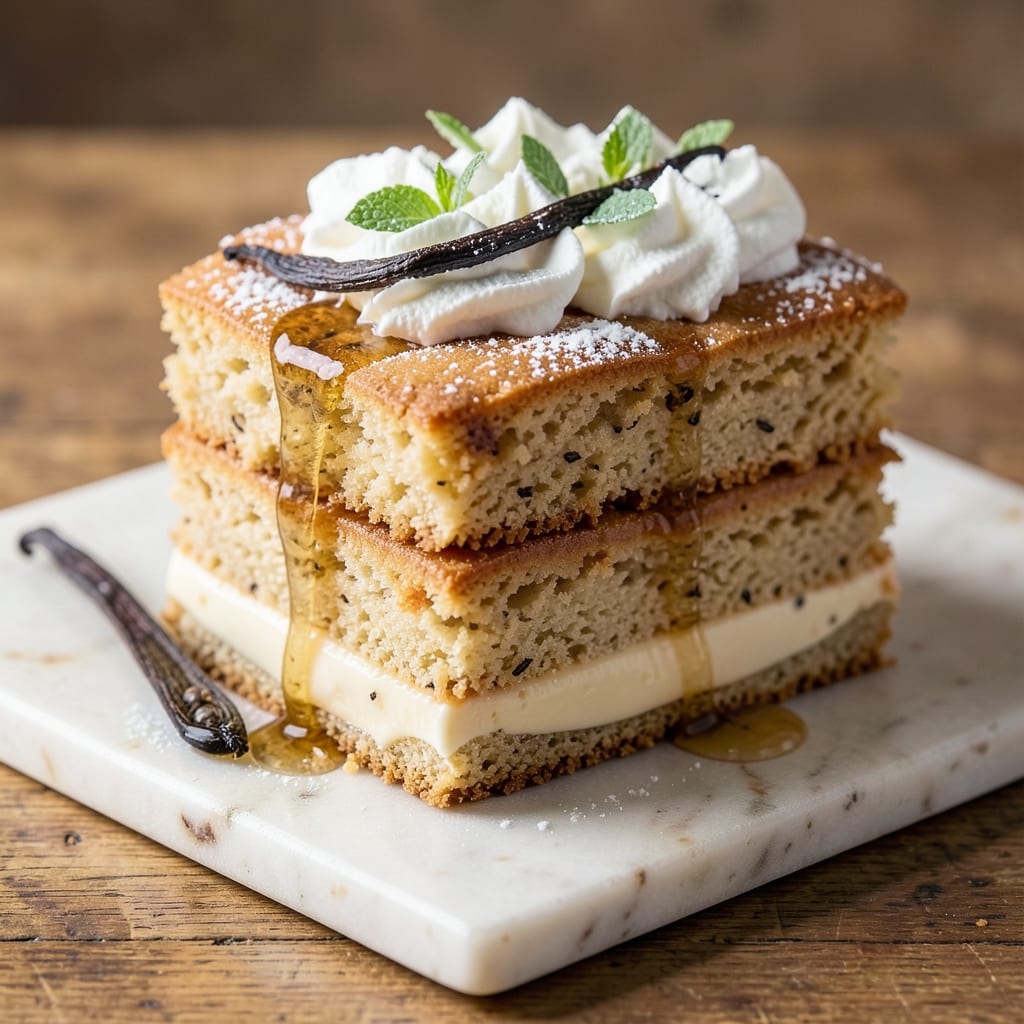
This 4 oz cake recipe delivers a delicate, vanilla-infused mini Bundt cake that's perfect for single servings or elegant gatherings. The secret lies in precise measurements and vanilla bean infusion, transforming a simple cake into something extraordinary. I developed this recipe after years of perfecting the art of small-batch baking—where every ingredient matters and every step counts.
The result is a cake with a tender crumb, golden edges, and a fragrant vanilla aroma that lingers with every bite. Unlike larger cakes, this mini version bakes quickly in 30 minutes at 350°F, ensuring consistent results without risk of overbaking. The vanilla bean infusion adds depth that store-bought extracts can't match, creating a flavor profile that's both comforting and sophisticated.
Whether you're serving this as an after-dinner treat, a bridal shower centerpiece, or a personal indulgence, the cake's perfect size makes it versatile without sacrificing elegance. The recipe includes optional vanilla glaze instructions for that restaurant-quality finish, though the cake stands beautifully on its own. Precision is key—this isn't just a cake, it's a masterpiece in miniature form.
For those concerned about cracking or uneven baking, I've included troubleshooting tips in the full instructions—like proper pan preparation and oven placement—to ensure your cake emerges flawless every time. The beauty of this recipe is that it's designed for confidence, whether you're a baking novice or a seasoned pro looking for a refined single-serve option.
Ingredients for 4 oz cake
Precision meets elegance in this 4 oz vanilla bean-infused mini Bundt cake recipe.
| Ingredient | Amount | Notes |
|---|---|---|
| All-Purpose Flour 🌾 | ½ cup | Sifted for light texture |
| Granulated Sugar 🍚 | ¼ cup | Superfine preferred for smoothness |
| Unsalted Butter 🧈 | ¼ cup | Cold, cubed for precise measuring |
| Vanilla Bean Seeds 🌿 | 1 whole | Scraped from 1 pod |
| Pure Vanilla Extract 🍯 | ½ tsp | High-quality for depth |
| Large Eggs 🥚 | ½ whole | Room temperature for even mixing |
| Whole Milk 🥛 | ¼ cup | Full-fat for moisture |
| Baking Powder 🧂 | ½ tsp | Aluminum-free for stability |
| Salt 🧂 | ¼ tsp | Fine sea salt preferred |
| Powdered Sugar 🍚 | ½ cup | For glaze, sifted |
| Heavy Cream 🥛 | ¼ cup | Cold for glaze stability |
| Vanilla Glaze 🍯 | ¼ cup | Optional, for finishing |
| Mini Bundt Cake Pans 🍰 | 4 whole | Nonstick, 4-oz capacity |
The vanilla bean is non-negotiable here—Madagascar Bourbon beans from Williams Sonoma or specialty grocers deliver the richest flavor. If using a pod, scrape the seeds and reserve the pod for future infusions. For the flour, King Arthur or Gold Medal brands ensure consistent texture. The butter should be cold when measured to avoid melting in the warm batter, which can lead to uneven baking. Pre-sift your dry ingredients to eliminate lumps and create a lighter crumb structure. The baking powder and salt are critical for balance; Diamond Crystal baking powder is preferred for its gentle leavening action.
No vanilla bean? Double the vanilla extract and add a pinch of vanilla sugar for depth. Substitute whole milk with unsweetened almond milk, though the cake may be slightly denser. For a dairy-free option, replace butter with vegan butter*, though texture may vary. If you're concerned about cracking, ensure your eggs are at room temperature and your oven is fully preheated to 350°F. The optional glaze can be made with powdered sugar and heavy cream, but a simple syrup of sugar and water works in a pinch. For a more intense vanilla flavor, infuse the milk with a split vanilla bean while heating.
Store baked cakes in an airtight container at room temperature for up to 3 days or refrigerate for 1 week. For longer storage, freeze the unbaked batter in mini Bundt pans for up to 1 month. To reheat, warm at 300°F for 5-10 minutes. The vanilla bean pods can be dried and stored in a sealed container for up to 6 months, or frozen for extended freshness. Always grease your pans thoroughly with butter and dust with flour to prevent sticking. The glaze, if made, should be applied immediately after baking while the cake is still warm for optimal adhesion.
Why You'll Love This Recipe
- No Mixer Needed: I’ll be honest—this cake is ridiculously simple. Cream butter and sugar by hand (yes, even with cold hands), toss in the flour, and scrape the bowl once. The vanilla bean seeds add that pro-level touch without extra work.
- Vanilla Overload (In a Good Way): That split vanilla bean? It’s not just for show. The seeds infuse the batter with layers of flavor—creamy, floral, and just sweet enough. Honestly, I’ve made vanilla cakes before, but this one actually tastes like real vanilla, not artificial shortcuts.
- Portion Control Perfection: Four ounces? That’s a single serving—no leftovers to stress over, no guilt if you want just one slice. It’s my go-to for date nights or when I’m craving something sweet but don’t want to bake a whole cake.
- Budget-Friendly Luxury: Butter and vanilla extract might sound fancy, but this recipe uses just enough to make it feel special without breaking the bank. I’ve made this for birthdays, coffee dates, and even as a "treat yourself" moment—always gets a second look.
Step-by-step instructions for mini Bundt cake with vanilla bean infusion
Precision matters here—these delicate cakes rely on technique to achieve their signature texture and flavor.
Prepare the Vanilla Bean Infusion
In a small saucepan, combine the 0.25 cup unsalted butter and 0.25 cup granulated sugar over low heat. Once the butter begins to melt, remove from heat and add the 1 whole vanilla bean seeds and 0.5 tsp pure vanilla extract. Let the mixture steep for 10 minutes—this infusion will carry the cake's signature aromatic depth.
Strain the mixture through a fine-mesh sieve into a bowl, pressing gently on the vanilla bean to extract every last drop of flavor. Discard the bean seeds. Let this mixture cool completely to room temperature before using. The infusion should be smooth with no visible seeds—this ensures a silky batter without any gritty texture.
Create the Cake Batter
In a medium mixing bowl, whisk together the 0.5 cup sifted all-purpose flour, 0.5 tsp baking powder, and 0.25 tsp salt. Set aside. In a separate bowl, beat the 0.5 whole large eggs until frothy, then gradually whisk in the cooled vanilla butter mixture.
Add the 0.25 cup whole milk and continue whisking until fully combined. Slowly fold in the dry ingredients using a spatula, mixing just until no flour streaks remain. Avoid overmixing—this can develop gluten and result in dense cakes. The batter should be smooth and slightly thick, with a consistency similar to heavy cream.
Bake the Mini Bundt Cakes
Preheat your oven to 350°F and grease the 4 whole mini bundt cake pans thoroughly with butter or baking spray. Divide the batter evenly among the pans, filling each about ¾ full. Tap each pan gently on the counter to remove any air bubbles.
Bake for 18-22 minutes, or until a toothpick inserted into the center comes out clean. The cakes are done when they've risen slightly above the pan edges and developed a golden hue. Rotate the pans halfway through baking if your oven has hot spots. Do not overbake—they'll continue cooking slightly after removal.
Prepare the Vanilla Glaze
While the cakes cool, prepare the glaze by whisking together the 0.5 cup powdered sugar and 0.25 cup cold heavy cream in a small bowl. Gradually add 0.25 cup vanilla glaze (if using) until the mixture reaches a smooth, drizzling consistency. The glaze should coat the back of a spoon but remain pourable—adjust with more cream if needed.
Let the cakes cool in their pans for 10 minutes, then transfer to a wire rack to cool completely. This gradual cooling prevents cracking. Once fully cooled, they'll be firm enough to handle without breaking, yet still warm enough to absorb the glaze beautifully.
Assemble and Serve
Drizzle the glaze evenly over each cake, allowing it to drip down the sides. For a more decorative finish, use a fork to create a textured pattern. Serve immediately for the perfect balance of warm cake and silky glaze, or store in an airtight container for up to 3 days—though they rarely last that long.
The result should be tender, moist crumb with a delicate vanilla aroma and a sweet-tart glaze that complements the cake's natural sweetness. Each bite should reveal the subtle complexity of the vanilla bean infusion, making these perfect for special occasions or as elegant individual desserts.
Pro Tips For Making 4 Oz Cake
- Use Room-Temp Butter: Cold butter creates dense, tough cake—no one wants that. Let your 4 oz stick sit out for 30 minutes before creaming, or microwave it for 10 seconds (yes, even if it’s not fully soft). The goal is to get it just pliable when pressed with a finger, not greasy.
- Scrape the Bowl Often: I used to mix the butter and sugar until my arm gave out, only to end up with streaks of unmixed batter. Stop every 30 seconds to scrape the bowl with a spatula—this ensures even aeration and a smoother texture. (Your future self will notice the difference.)
- Weigh Your Flour: Spooning flour from the bag packs in air pockets, leading to a dry, crumbly cake. Use a kitchen scale for the 4 oz recipe—it’s more precise, and you’ll avoid the disappointment of a cake that collapses after baking.
- Add Vanilla Last: Vanilla extract and seeds lose potency when exposed to heat or moisture. Whisk them into the wet ingredients right before folding into the dry mix—this keeps their flavor bright and vibrant, not muted. (Trust me, you’ll taste the difference.)
Troubleshooting this recipe
Cracked Cake Fix
Cracking is the most common issue with mini Bundt cakes, but it’s easily preventable. First, ensure your oven is fully preheated to 350°F before baking—temperature fluctuations cause cracks. I also recommend tapping the filled pans gently on the counter after filling to release any trapped air bubbles. If cracks still appear, try reducing baking time by 1-2 minutes and checking for doneness earlier. 💡
Dense Texture Solutions
Overmixing the batter is the #1 cause of dense cakes. Mix just until the dry ingredients disappear—no more! Use a whisk for the wet ingredients and a spatula for the dry to minimize gluten development. If your cake turns out dense, try adding 1 extra tablespoon of milk to the batter next time for better moisture. Also, ensure your butter is cold when measuring to avoid melting during mixing.
Uneven Baking
Hot spots in your oven can lead to uneven baking. Rotate the pans halfway through the 18-22 minute baking time for even heat distribution. If one side browns faster, consider using an oven thermometer to verify your oven’s accuracy—many run 25°F hotter or cooler than set. For extra insurance, bake on the middle rack where heat is most consistent.
Sticky Cake Pan
Even with nonstick pans, cakes can stick if not properly prepared. Grease your mini Bundt cake pans thoroughly with butter, then dust with flour or use baking spray. For stubborn sticking, try lining the pans with parchment paper circles cut to fit the bottom. I’ve found that a light dusting of cornstarch instead of flour works even better for a non-stick finish.
Glaze Issues
If your glaze is too thick, add 1-2 teaspoons of milk or cream to thin it out. For a runny glaze, whisk in 1 extra tablespoon of powdered sugar to thicken. Apply the glaze immediately after baking while the cake is still warm—this helps it adhere better. If the glaze doesn’t set properly, chill the cakes for 10 minutes before glazing to help it thicken.
Overbaked Cake
Overbaking is easy to do with small cakes since they bake quickly. The moment a toothpick comes out clean is the perfect time to remove them from the oven. If your cake is dry, try reducing the baking time by 1-2 minutes next time. For extra moisture, brush the warm cakes with 1 tablespoon of simple syrup*.
Nutrition facts
Frequently asked questions
Can I make this recipe with fewer than 4 mini Bundt pans?
Yes, you can easily scale down to just 1-2 pans by dividing the batter accordingly. For a single 4 oz cake, use half the recipe (about 2 oz batter per pan). The baking time remains the same, but check for doneness at 16-18 minutes since smaller batches cook faster. Just ensure your pan is properly greased to prevent sticking.
What's the best way to store leftover mini Bundt cakes?
Store them in an airtight container at room temperature for up to 3 days or refrigerate for 1 week. For longer storage, freeze the baked cakes (without glaze) for up to 1 month. To reheat, warm at 300°F for 5-10 minutes or enjoy them cold—they're delicious either way!
Can I substitute vanilla extract for the vanilla bean?
Use 1-2 teaspoons of high-quality vanilla extract instead of the bean, plus add a pinch of vanilla sugar for extra depth. The extract won't match the complexity of fresh vanilla bean, but it still delivers that classic vanilla flavor. For best results, use pure Madagascar Bourbon extract from a trusted brand.
Why did my mini Bundt cake crack on top?
Cracking usually happens from sudden temperature changes or overbaking. Ensure your oven is fully preheated to 350°F before baking, and don't open the oven door during the first 15 minutes. Also, tap the filled pans gently on the counter after adding batter to release air bubbles. If cracks persist, reduce baking time by 1-2 minutes next time.
Can I use this recipe for a larger cake?
This recipe is specifically designed for mini Bundt cakes due to its delicate vanilla bean infusion. For a larger cake, you'd need to adjust the recipe significantly—typically multiplying by 8-12x for a standard 9-inch cake. The vanilla bean flavor would become less pronounced in larger batches, so consider using a different recipe optimized for larger servings.