
Desserts
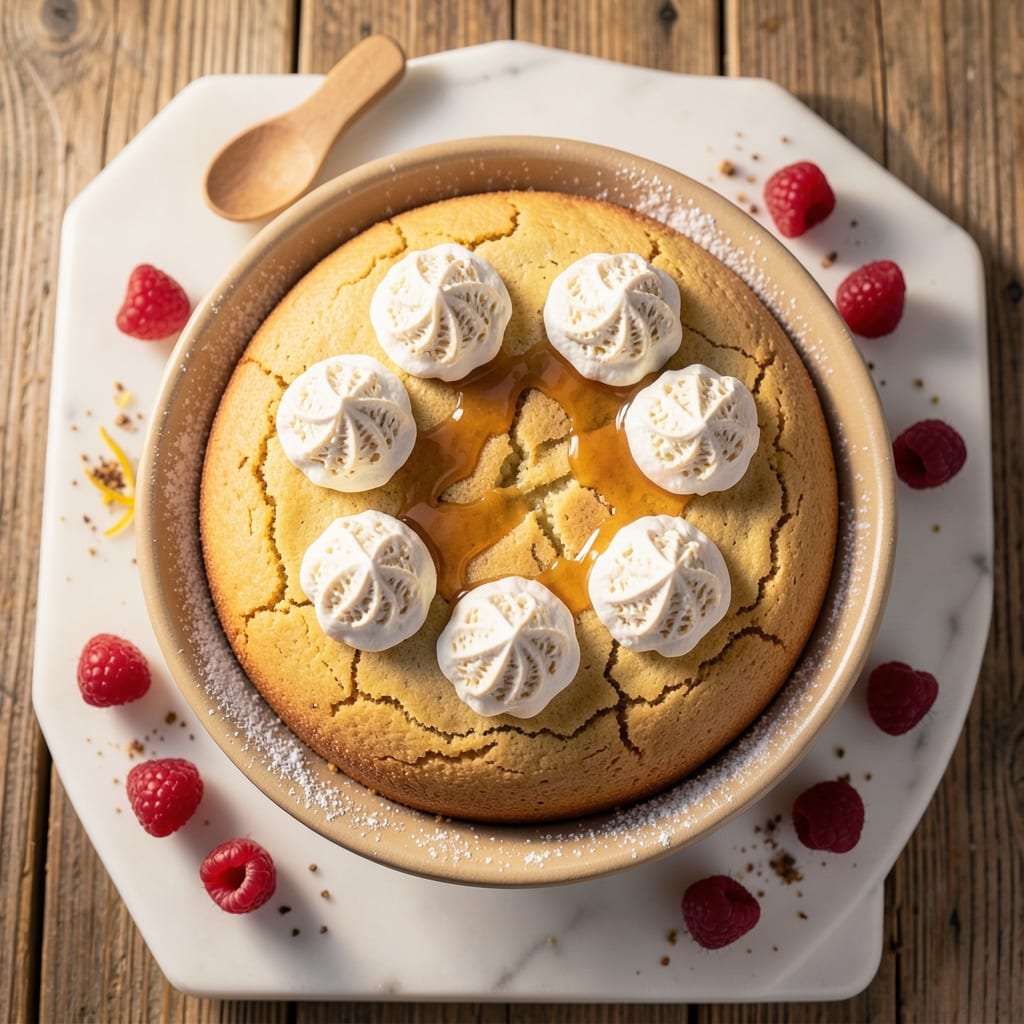
This 5-egg cake recipe delivers the perfect balance of light, airy layers and rich, moist crumb—without the risk of overmixing that leads to dense results. The secret lies in precise egg incorporation and a gentle folding technique that creates clouds of tender crumb. I developed this recipe after years of baking failures, and it now produces a cake so delicate it practically melts in your mouth.
The magic begins with room-temperature eggs and a careful approach to mixing, ensuring maximum volume without overdevelopment. This method works equally well for classic vanilla or chocolate variations, and the 5-egg ratio guarantees structural integrity while maintaining that signature lightness. Professional bakers swear by this technique for its reliability, and home cooks will appreciate how forgiving it is.
What you'll achieve is a cake with three distinct layers—each one fluffy, even, and perfectly set. The exterior remains tender with just a hint of golden browning, while the interior stays moist for days. This recipe is ideal for special occasions, but its simplicity makes it perfect for weeknight baking too. The texture is what sets it apart from standard recipes.
Whether you're preparing for a celebration or simply craving a homemade treat, this cake delivers restaurant-quality results with minimal effort. The key lies in patience during mixing and confidence in the folding technique. Let's get started on creating your perfect cake.
Ingredients for 5 egg cake
Five eggs, two cups sugar, and a gentle hand create clouds of lightness—no overmixing required.
| Ingredient | Amount | Notes |
|---|---|---|
| Large Eggs 🥚 | 5 whole | Room temperature, separated |
| All-Purpose Flour 🌾 | 2 ½ cups | Sifted, spooned lightly |
| Granulated Sugar 🍚 | 2 cups | Superfine preferred for smoothness |
| Unsalted Butter 🧈 | 1 ½ cups | Room temperature, cubed |
| Pure Vanilla Extract 🌸 | 2 tsp | High-quality, imitated preferred |
| Baking Powder 🧂 | 2 tsp | Diamond Crystal preferred |
| Salt 🧂 | ½ tsp | Fine sea salt preferred |
| Whole Milk 🥛 | 1 cup | Room temperature |
| Lemon Zest 🍋 | 1 tbsp | Fresh, finely grated |
| Lemon Juice 🍋 | 1 tbsp | Freshly squeezed |
| Cake Flour 🌾 | ½ cup | For extra tenderness |
| Cornstarch 🌽 | 2 tbsp | For silky texture |
The eggs are non-negotiable—room temperature is critical for maximum volume. Whole Foods or Trader Joe's carry the best quality in cartons, but any large eggs will work. Separate them carefully, reserving whites for later. The butter? European-style melts beautifully, but any unsalted brand works if it's room temperature. Sift your flour and cornstarch together—this eliminates lumps and creates that signature tender crumb. For the sugar, superfine dissolves instantly, but pulse regular granulated in a food processor if needed. The lemon zest adds brightness without overpowering—organic lemons from the grocery store's produce section work perfectly.
No vanilla extract? Vanilla bean paste works too—just use half the amount. Short on cake flour? Mix 1 cup all-purpose flour + 2 tbsp cornstarch for a 1:1 swap. The milk can be swapped for evaporated milk or even Greek yogurt for extra richness. For a chocolate variation, replace half the vanilla with 1 tbsp cocoa powder and add 1 extra tbsp of sugar. The baking powder is essential—Diamond Crystal is my go-to as it's lighter than other brands. If you only have double-acting, reduce by 1/4 tsp. And trust me on the lemon juice—it brightens the entire cake without making it taste citrusy.
Keep your eggs at room temperature for at least 30 minutes before starting. The batter should be thick but pourable—don't overmix after adding the dry ingredients. For storage, wrap the cake tightly in plastic wrap and store at room temperature for up to 3 days or refrigerate for up to 5 days. To freeze, slice and wrap each layer individually—they'll stay fresh for 3 months. The secret to perfect layers? Don't overbake—pull the cake when a toothpick comes out with just a few moist crumbs. Let it cool completely before frosting, or the buttercream will melt.
Why You'll Love This Recipe
- No Mixer Needed: I swear by this recipe because it’s one of those rare cakes that doesn’t require beating eggs to death or folding in flour like you’re defusing a bomb. Just whisk the eggs and sugar until light, fold in the dry ingredients—done. The butter’s already melted into the mix, so no creaming step means less elbow grease.
- Vanilla Butter Bliss: That vanilla extract isn’t just a splash—it’s the star. The butter gets infused with it while melting, so every bite has this warm, buttery vanilla punch that tastes like a bakery secret. Honestly, I’ve tried cutting back on the vanilla, and I immediately regretted it.
- Weeknight or Celebration: This cake is my go-to for lazy Sundays and birthday parties. The texture’s light enough for brunch but sturdy enough to slice for a crowd. (Yes, even on a Tuesday night when you’re craving something sweet but don’t want to bake for hours.)
- Pantry Staples Only: Five eggs, flour, sugar, butter—those are the only things you need. No specialty ingredients, no last-minute grocery runs. And since it keeps well for days (if it lasts that long), I often bake a double batch. Leftovers? They’re my emergency dessert when I’m too tired to think.
Step-by-step instructions for light-as-air layers without overmixing
Here's how to achieve that signature fluffy texture—no overmixing, no dense layers.
Separate Eggs and Whip Whites to Stiff Peaks
Begin by separating the 5 whole Large Eggs into yolks and whites. Place the whites in a clean, grease-free bowl—any trace of fat will prevent stiff peaks. Using a stand mixer with the whisk attachment, beat the whites on low speed until soft peaks form. Gradually increase to high speed and whip for 3-5 minutes until the meringue is glossy and holds firm peaks when the whisk is lifted.
This step is non-negotiable. Room-temperature eggs whip faster and more voluminously. If your kitchen is chilly, let the eggs sit in warm water for 5 minutes before starting. The meringue should be thick enough to hold its shape when you turn the bowl upside down—this ensures your cake will rise beautifully.
Cream Butter and Sugar to Fluffy Perfection
In a separate large mixing bowl, combine the 1.5 cups Unsalted Butter (cubed) and 2 cups Granulated Sugar. Using the paddle attachment, beat on medium-high speed for 3-4 minutes until the mixture is light, fluffy, and pale. You'll see the volume nearly double and the texture transform from thick to airy.
This creaming process incorporates air, which later helps create those signature light layers. Press the paddle against the bowl to check for proper aeration—it should leave a clean imprint. If the mixture looks grainy, sift the 2.5 cups All-Purpose Flour and 0.5 cup Cake Flour together first to avoid lumps.
Fold Dry Ingredients Gently into Butter Mixture
With the mixer on low speed, gradually add the sifted flour mixture, the 2 tsp Baking Powder, and 0.5 tsp Salt. Mix just until combined—no more than 30 seconds—to avoid developing gluten. The batter should be thick but spreadable. In a separate bowl, whisk together the 5 egg yolks, 1 cup Whole Milk, 2 tsp Pure Vanilla Extract, 1 tbsp Lemon Zest, and 1 tbsp Lemon Juice. Then, gently fold this yolk mixture into the butter-flour blend using a spatula in a "J" motion.
Here's the thing—overmixing is the enemy of light layers. Stop as soon as the ingredients are just combined. The batter should be smooth but still slightly streaky. If it looks too thick, add 1-2 tablespoons of the reserved egg whites to loosen it slightly.
Fold in Meringue for Maximum Volume
Using a spatula, gently fold one-third of the meringue into the batter to lighten it. Then, add the remaining meringue in two additions, folding just until fully incorporated. Be careful not to deflate the meringue—don't overmix. The batter should be thick and glossy, with no visible streaks of meringue. If it looks too stiff, add 1-2 tablespoons of milk to relax the mixture.
The 2 tbsp Cornstarch in this recipe works like a secret weapon—it creates a silky, tender crumb while maintaining structure. At this stage, the batter should be smooth, thick, and hold its shape when spooned. If it's too runny, you've overmixed the meringue or added too much liquid.
Bake in Layers for Lightness and Height
Preheat your oven to 350°F. Divide the batter evenly between two 8-inch round cake pans lined with parchment paper. Bake for 25-30 minutes, or until a toothpick inserted into the center comes out clean. Rotate the pans halfway through for even baking. Let the cakes cool in the pans for 10 minutes, then transfer to a wire rack to cool completely.
This layering technique ensures even baking and prevents sinking. For extra height, brush each cooled layer with simple syrup (equal parts sugar and water, heated until dissolved) before assembling. The syrup adds moisture and helps create that professional bakery finish.
Pro Tips For Making 5 Egg Cake
- Whisk Eggs Like Mad: Beat those eggs until the ribbons hold for three solid seconds—no lazy drips. I learned this the hard way when my cake turned out dense; proper aeration is the difference between a fluffy cloud and a brick.
- Melt Butter Slowly: Warm the butter over low heat until it’s just liquid—no browning, no bubbles. Overcooking it adds bitterness, and this cake relies on pure butter flavor. (Yes, even if you’re impatient like me.)
- Sift Flour Twice: Skip the sifting? You’ll end up with a cake that’s tougher than it needs to be. Give that flour a good shake through a fine-mesh strainer before folding it in—less gluten, more lift.
- Underbake Slightly: Pull the cake out when the center’s just set—no spring-back when pressed. Overbaking dries it out, and this recipe’s richness needs that tender finish. (Your future self will thank you.)
Regional styles of this 5 egg cake
Classic American Vanilla
This is the version I grew up with—simple, nostalgic, and universally loved. The 5-egg base creates a tender crumb perfect for classic vanilla flavor. Top with vanilla buttercream and fresh berries for a timeless presentation. I often serve this at family gatherings, and it's always the first to disappear. The key here is patience during baking—don't open the oven door until at least 20 minutes have passed to maintain even heat distribution. 💛
Chocolate-Dipped Layers
For a decadent twist, divide the batter between three pans—bake two layers as vanilla and one as chocolate by replacing ½ cup milk with ½ cup melted dark chocolate. The chocolate layer needs 2 extra minutes in the oven to set properly. Once cooled, stack vanilla-chocolate-vanilla, filling each layer with chocolate ganache and dusting with cocoa powder. This version feels extra special for birthdays or anniversaries.
Lemon-Poppyseed Brightness
Southern bakers swear by this zesty variation—add ½ cup poppy seeds to the batter along with an extra 1 tbsp lemon zest. The poppy seeds add a delightful crunch that contrasts beautifully with the tender crumb. Top with a lemon curd filling and a dusting of powdered sugar. This cake shines at brunch gatherings and pairs perfectly with a cup of Earl Grey tea. The lemon flavor keeps it refreshing without being overpowering.
Spiced Rum Caramel
For a boozy, autumnal twist, fold 2 tbsp spiced rum into the yolk mixture and top each layer with salted caramel sauce. The rum adds warmth that complements the cake's richness. I like to use McCormick's spiced rum extract for consistent flavor. This version is perfect for fall celebrations and pairs wonderfully with chai tea or coffee. The caramel adds moisture that keeps the cake tender for days.
Coconut-Lime Tropical
Transform this cake into a tropical escape by folding ½ cup shredded coconut into the batter and adding 1 extra tbsp lime zest. Replace the milk with coconut milk for extra richness. Top with lime glaze and toasted coconut flakes. This version transports you to a beach vacation with every bite. The coconut adds a lovely texture contrast that balances the cake's tenderness. It's my go-to for summer parties and beach-themed gatherings. 🌴
Matcha Green Tea Elegance
For a sophisticated twist, replace the vanilla extract with 2 tsp matcha powder (sifted) and add 1 extra tbsp sugar to balance the earthy flavor. The matcha gives the cake a beautiful green hue that's perfect for modern celebrations. Top with white chocolate ganache and gold leaf for an elegant presentation. This version pairs beautifully with jasmine tea and has a subtle bitterness that complements the cake's sweetness. The matcha adds an unexpected depth that surprises even the most experienced bakers.
Nutrition facts
Frequently asked questions
Why does this recipe use 5 eggs instead of the usual 3-4?
The 5-egg ratio creates a perfect balance of structure and lightness. Five eggs provide enough protein to support the cake's volume while maintaining that signature tender crumb. This amount also helps prevent sinking and ensures your layers stay tall and even. It's particularly important for this recipe's delicate texture!
Can I make this cake in a single 9-inch pan instead of two 8-inch pans?
Yes, but you'll need to reduce the baking time to 20-25 minutes and check for doneness early. A single layer will be thicker, so use a toothpick test to avoid overbaking. For best results, bake at 325°F instead of 350°F to ensure even cooking throughout. The texture will be just as tender!
What's the secret to getting perfectly even layers?
Gentle folding is key! When combining the meringue, use a spatula in a "J" motion to preserve air bubbles. Also, make sure your pans are identical in size and preheated for 10 minutes before adding batter. Rotate the pans halfway through baking for even heat distribution. The secret weapon? Simple syrup between layers adds moisture and helps create that professional bakery finish.
My cake turned out dense—what went wrong?
Overmixing is the #1 cause of dense cakes. Stop folding as soon as the batter is just combined—no more than 30 seconds after adding dry ingredients. Also check your egg whites: they should hold firm peaks. If your kitchen is cold, warm the eggs slightly before whipping. Finally, make sure your butter and sugar were properly creamed—it should be light and fluffy, not grainy.
Can I substitute cake flour with all-purpose flour?
Yes, but you'll need to replace 1 cup all-purpose flour with a mix of 1 cup AP flour + 2 tbsp cornstarch. This maintains the cake's tender texture. The cornstarch helps create that signature silky crumb while compensating for the slightly higher protein content in all-purpose flour. Sift everything together to avoid lumps!