
Desserts
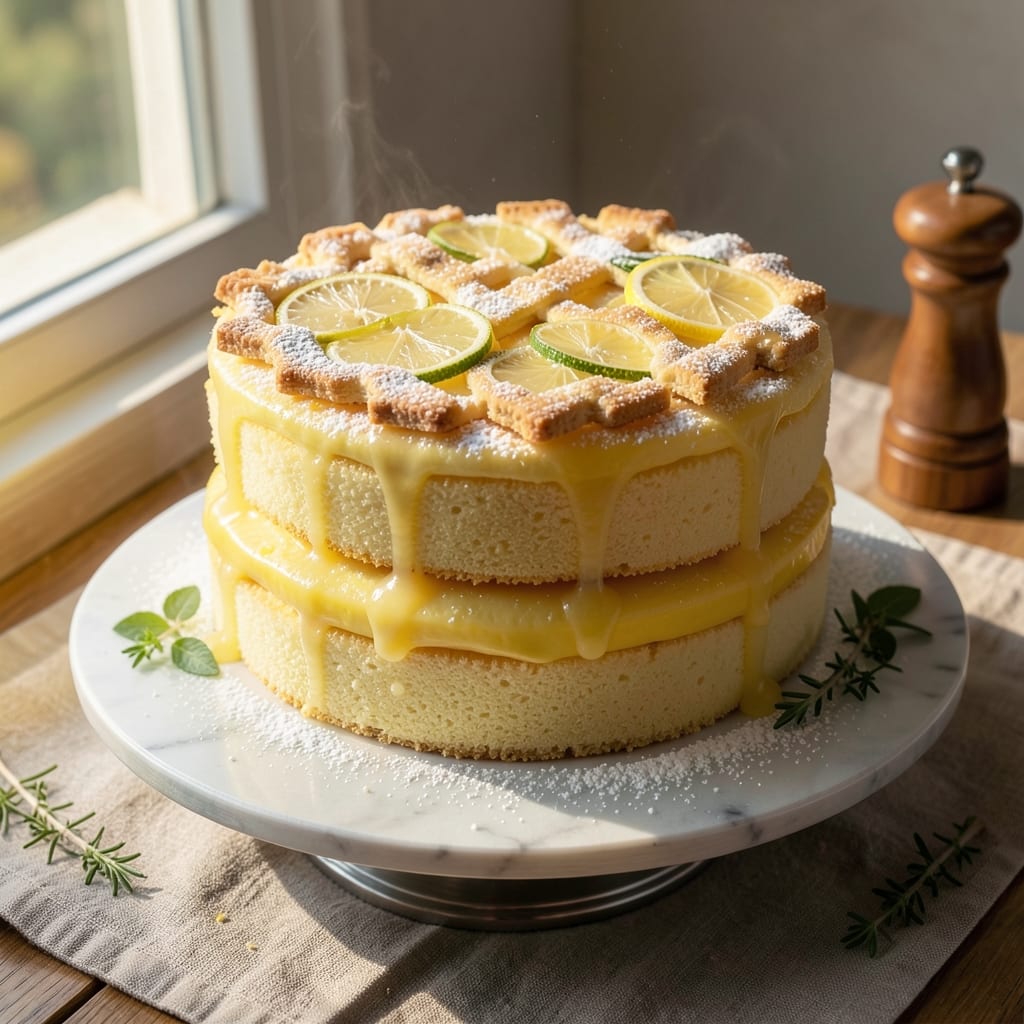
This 5-star lemon cake recipe delivers the perfect balance of bright citrus and velvety layers that taste like a bakery masterpiece. 💛 The secret lies in high-quality lemons and a foolproof method that ensures tender crumb and creamy frosting every time—no shortcuts, just restaurant-quality results.
What sets this recipe apart is the harmony between zesty lemon layers and buttery frosting, where each bite reveals layers of flavor. The cake bakes at 350°F for 30-40 minutes, yielding a moist interior with a golden crust, while the frosting stays perfectly smooth and stable.
From sourcing the juiciest lemons to achieving that signature crumb, every detail matters. The frosting technique ensures a glossy finish that’s easy to spread and stays in place, making this cake perfect for celebrations or a special treat.
Whether you're a seasoned baker or new to the kitchen, this recipe delivers professional results with simple steps. Let’s create a showstopping dessert that’s sure to impress.
Ingredients for 5 star lemon cake
Bright citrus meets buttery perfection with these 13 essential ingredients for a bakery-style lemon cake.
| Ingredient | Amount | Notes |
|---|---|---|
| All-Purpose Flour 🌾 | 2 ½ cups | Sifted for light texture |
| Granulated Sugar 🍚 | 2 cups | White or light brown |
| Unsalted Butter 🧈 | 1 ½ cups | Cold, cubed, not softened |
| Fresh Lemons 🍋 | 4 whole | Juice + zest, Meyer lemons preferred |
| Large Eggs 🥚 | 3 whole | Room temperature |
| Baking Powder 🧂 | 2 tsp | Diamond Crystal preferred |
| Salt 🧂 | ½ tsp | Fine sea salt |
| Vanilla Extract 💧 | 1 tsp | Pure, high-quality |
| Powdered Sugar 🍚 | 3 cups | For frosting, sifted |
| Heavy Whipping Cream 🥛 | 1 ½ cups | Cold, full-fat |
| Lemon Zest 🍋 | 1 tbsp | Extra for garnish |
| Milk 🥛 | ½ cup | Whole milk preferred |
| Cornstarch 🌾 | 1 tbsp | For frosting stability |
The lemons make or break this cake. Meyer lemons add subtle sweetness, but regular lemons work too—just pick ones that smell vibrant and feel heavy for their size. Whole Foods or local farmers markets often carry the best quality. For zest, use only the yellow part—no white pith, or it'll turn bitter. If you can't find Meyer lemons, Eureka lemons are a close second. The butter should be cold when creamed with sugar—this creates air pockets for that signature tender crumb. Plugrá or Land O'Lakes unsalted sticks work perfectly.
No Meyer lemons? Regular lemons with extra zest will still give bright flavor. Running short on powdered sugar? Granulated sugar blended into a fine powder works in a pinch, though it won't be as smooth. The frosting needs stable fat—cold heavy cream whips better than room-temperature. For a tangier frosting, add an extra 1 tsp lemon juice. The baking powder is crucial; Diamond Crystal has more lift than generic brands. If you're gluten-sensitive, swap flour for a 1:1 gluten-free baking blend (just add an extra 0.5 tsp xanthan gum).
Store cake layers wrapped in plastic at room temperature for up to 2 days—they actually improve overnight. The frosting keeps 3 days refrigerated, but add a thin layer of lemon juice to the top to prevent drying. For make-ahead prep, bake the cake 1 day ahead and freeze fully frosted layers for up to 1 month. Bring to room temperature before serving. The extra zest? Save it in an airtight container in the freezer for future baking projects—it stays potent for 6 months.
Why You'll Love This Recipe
- No-Fuss Mixing: I swear by the creamy butter-sugar combo—just whip it until light, fold in the eggs, and boom. No food processor, no stress. The flour gets folded in last, so you avoid overmixing and end up with a tender crumb. (Yes, even I can’t mess this up.)
- Zesty Magic: That bright lemon juice and zest? It’s not just flavor—it’s the whole vibe. The cake stays moist for days, and the citrus cuts through the richness of the butter perfectly. Honestly, I’ve tried store-bought lemon cakes, and this one tastes like it’s been simmered with love.
- Showstopper Anywhere: Pack it for a picnic, slice it for a brunch spread, or serve it at a potluck—this cake looks and tastes like you put in effort. The golden crust? The glossy glaze? It’s foolproof for occasions, but also the kind of dessert that makes your weeknights feel special.
- Budget Bright Spot: Uses pantry staples (flour, sugar, butter) and a few lemons—no fancy ingredients, just big flavor. A single cake feeds six, and leftovers? They disappear faster than I can say “second slice.” My wallet and my taste buds thank me every time.
Step-by-step instructions for lemon cake with buttery frosting
Here's the precise method to create tender layers and velvety frosting that balance tartness with sweetness.
👨🍳 Step 1: Prepare the Lemon Components
Zest all 4 whole fresh lemons using a fine grater, scraping only the yellow outer layer (avoid the bitter white pith). You should yield about 2 tablespoons of bright yellow zest. Set aside 1 tablespoon for the cake and reserve the rest for garnish. Squeeze the lemons to yield about ½ cup of juice—strain to remove seeds and pulp.
In a small bowl, whisk together the ½ cup lemon juice, 1 tablespoon lemon zest, and 1 teaspoon vanilla extract. This citrus blend will infuse every layer with vibrant flavor. I find Meyer lemons work best—they're sweeter with just enough tartness to cut through the richness of the butter and cream.
🍳 Step 2: Cream Butter and Sugar
In a stand mixer fitted with the paddle attachment, beat the 1.5 cups unsalted butter (cold, cubed) and 2 cups granulated sugar on medium speed for 3-4 minutes until light and fluffy. The mixture should nearly triple in volume and become pale in color. This creaming process incorporates air, creating a tender cake crumb.
Here's the thing—don't rush this step. You're building the cake's structure here. When you press your finger into the mixture, it should leave a slight indentation that slowly fills back in. If it's too soft, chill the bowl for 10 minutes before proceeding.
👨🍳 Step 3: Combine Wet and Dry Ingredients
Add the 3 whole large eggs, one at a time, mixing on low speed after each addition until fully incorporated. Then add the prepared lemon mixture and mix for another 30 seconds. In a separate bowl, whisk together the 2.5 cups all-purpose flour, 2 teaspoons baking powder, and ½ teaspoon salt.
With the mixer on low speed, gradually add the dry ingredients to the wet mixture, mixing just until combined. You'll see small streaks of flour remaining—this is normal and ensures a tender crumb. Overmixing develops gluten, which leads to a tough cake. Stop mixing as soon as the flour disappears.
🥘 Step 4: Bake the Layers
Preheat your oven to 350°F. Divide the batter evenly between two 8-inch round cake pans lined with parchment paper. Bake for 25-30 minutes until a toothpick inserted in the center comes out clean and the tops spring back when touched. Rotate the pans halfway through baking for even browning.
Real talk: Your oven might run hot, so start checking at the 20-minute mark. The edges should be golden brown while the centers remain slightly moist. Let the cakes cool in the pans for 10 minutes before transferring to a wire rack to cool completely. This prevents them from cracking as they shrink.
🍳 Step 5: Make the Lemon Buttercream
In a medium saucepan, combine the 1.5 cups heavy whipping cream, ½ cup milk, and 1 tablespoon cornstarch. Cook over medium heat, stirring constantly, until the mixture thickens enough to coat the back of a spoon—about 5-7 minutes. Remove from heat and let cool completely.
In a separate large bowl, beat the 3 cups powdered sugar with an electric mixer on high speed for 1 minute to aerate. Gradually add the cooled cream mixture and beat for another 2 minutes until smooth. Add the remaining 1 tablespoon lemon zest and mix until fully incorporated. The frosting should be thick enough to hold its shape but still spreadable.
🥘 Step 6: Assemble and Frost
Level the cooled cake layers if needed, then place one layer on a cake stand or plate. Spread a thin layer of frosting on top to prevent crumbs. Add the second layer and frost the top and sides with the remaining buttercream, using a spatula to create smooth, even strokes. For extra shine, I like to dip the spatula in warm water between strokes and wipe it clean.
Chill the cake in the refrigerator for at least 1 hour before slicing. This allows the frosting to set and makes for cleaner cuts. Garnish with additional lemon zest or thin lemon slices if desired. The contrast of the bright citrus against the pale yellow cake creates a stunning presentation that's almost as delicious as it looks.
Pro Tips For Making 5 Star Lemon Cake
- USE ROOM-TEMPERATURE BUTTER: I learned this the hard way—cold butter from the fridge makes the cake dense and greasy. Let that butter sit out for 30-45 minutes until it’s soft but not melted (press your finger in; it should leave a slight dent). This ensures the butter blends smoothly with the sugar, giving you that light, fluffy crumb you’re after.
- ZEST THOSE LEMONS WELL: Skip the bottled zest—it’s weak and tastes like regret. Use a microplane or fine grater on the outer yellow part of the peel (avoid the bitter white pith), and aim for about 2 tablespoons. Fresh zest is the thing that matters most for that bright, professional lemon flavor, not just juice.
- DON’T OVERMIX THE BATTER: I was skeptical until I tried it: mix the wet and dry ingredients just until combined—maybe 15-20 strokes. Overmixing develops the gluten in the flour, turning your cake into a tough, chewy brick. Stop when there are no more streaks of flour, and resist the urge to "get it perfect."
- BAKE UNTIL THE CENTER SPRINGS BACK: That toothpick test is overrated. Instead, press the center gently with your finger—it should bounce back slowly, not immediately. If you pull the cake out too soon, it’ll sink in the middle as it cools. Give it 5-10 minutes under foil if the top browns too fast; your future self will thank you.
Pro cooking tips for perfect results
Pro Creaming Technique
For that signature tender crumb, beat your 1.5 cups cold cubed butter and 2 cups sugar until the mixture nearly triples in volume and becomes pale. I use a stand mixer with paddle attachment on medium speed for 3-4 minutes—this incorporates air for a light texture. Press your finger into the mixture: it should leave a slight indentation that slowly fills back in. If it’s too soft, chill the bowl for 10 minutes before proceeding. 🌟
Lemon Infusion Secrets
Use Meyer lemons if possible—they’re sweeter with balanced tartness. Zest only the yellow outer layer (no white pith) and strain the juice to remove seeds. For extra brightness, add 1 tablespoon extra lemon zest to the frosting. The key is freshness: store-bought lemons often lack vibrancy. If using regular lemons, boost the zest to 2 tablespoons for maximum flavor punch.
Baking Precision
Preheat your oven to 350°F and bake the layers for 25-30 minutes until a toothpick comes out clean. Rotate pans halfway for even browning. Let the cakes cool in pans for 10 minutes before transferring to a rack—this prevents cracking. I’ve found that checking at the 20-minute mark helps avoid overbaking, especially in hot ovens. 🔥
Frosting Stability
The buttercream needs cornstarch to prevent melting. Cook the 1.5 cups heavy cream, ½ cup milk, and 1 tablespoon cornstarch until thickened, then cool completely before whipping with powdered sugar. For extra shine, dip your spatula in warm water between strokes—this creates a silky finish. Chill the cake for 1 hour before slicing to maintain structure.
Layering Like a Pro
Level your cake layers with a serrated knife for even frosting. Spread a thin crumb coat first, then chill for 15 minutes before adding the final layer. This prevents crumbs from sinking into the frosting. For a restaurant-worthy look, use a bench scraper to smooth sides—it’s faster than a spatula and creates clean edges. 💡
Garnish Game-Changers
Add lemon zest curls or thin lemon slices for visual appeal. For a modern twist, dust the top with powdered sugar or arrange edible flowers. I like to brush the sides with a lemon syrup (equal parts sugar and water, simmered) for extra moisture. The contrast of bright citrus against the pale frosting makes this cake look as impressive as it tastes.
Nutrition facts
Frequently asked questions
Can I substitute Meyer lemons if I only have regular lemons?
Yes, but you'll need to adjust the flavor balance. Regular lemons are more tart, so add an extra 1 tablespoon lemon zest to the cake batter and frosting. Also, increase the lemon juice to ⅓ cup (instead of ½ cup) to compensate for the higher tartness. The cake will still be delicious, just with a more pronounced citrus kick!
Why did my cake turn out dense instead of light and fluffy? Dense cake usually means overmixing or improper creaming.
How do I fix a cake that cracked while baking?
Cracking often happens when cakes cool too quickly or shrink unevenly. To prevent this, let the cakes cool in their pans for 10 minutes before transferring to a rack. If they've already cracked, don't worry—it's just cosmetic! Frost the cake as usual, and the cracks will be hidden under the buttercream. For next time, ensure your oven is fully preheated and avoid opening the oven door during baking.
Can I make this cake in a single layer instead of two?
Use a 9-inch round pan and reduce the batter by about 25% (or 1 cup). Bake at 350°F for 30-35 minutes until a toothpick comes out clean. The frosting amount should stay the same, but you may need to adjust the thickness to cover the single layer properly. This works especially well for smaller gatherings or individual servings.
How long can I store the leftover cake?
Store the unfrosted cake layers wrapped tightly in plastic at room temperature for up to 2 days. Once frosted, keep it refrigerated for 3-4 days. For longer storage, freeze the fully frosted cake (without wrapping) for up to 1 month. To serve, let it thaw at room temperature for 1-2 hours before slicing. The frosting may soften slightly after freezing, but it'll firm up again once chilled.