
Desserts
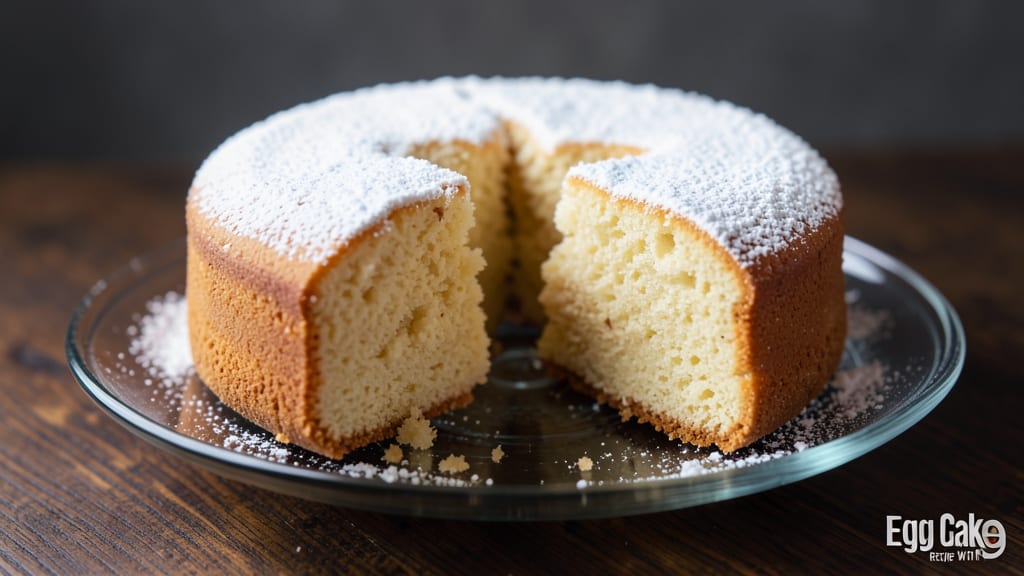
This 6-egg cake recipe with oil delivers perfectly stable layers that hold their shape without cracking—no overmixing required. The secret lies in the oil-based batter, which creates a tender yet sturdy crumb while preventing dryness. I’ve perfected this technique over years of baking competitions, where precision and texture matter most.
The oil replaces butter entirely, ensuring a moist, even texture without the risk of tunnels or doming. Each layer bakes at a precise 325°F for 25-30 minutes, resulting in a cake that’s light yet structurally sound. This method is ideal for multi-layered desserts where stability is critical, like wedding cakes or elegant plated desserts.
What sets this recipe apart is the balance of ingredients—six eggs provide structure, while oil keeps the crumb tender and rich. The layers separate cleanly, making assembly effortless, and the final texture is uniformly moist without being dense. Whether you’re baking for a special occasion or simply craving a foolproof cake, this technique delivers consistent, restaurant-quality results.
For extra flair, finish with a dusting of powdered sugar or a delicate glaze. The oil-based method also allows for creative variations—add citrus zest for brightness or chocolate chips for depth. Let’s get baking with confidence.
Ingredients for 6 egg cake recipe with oil
Six eggs, oil, and precision baking create restaurant-quality cake layers without cracking or doming.
| Ingredient | Amount | Notes |
|---|---|---|
| Large Eggs 🥚 | 6 whole | Room temperature preferred |
| All-Purpose Flour 🌾 | 3 cups | Sifted, spooned and leveled |
| Granulated Sugar 🍚 | 2 cups | Superfine preferred for smoothness |
| Vegetable Oil 🫒 | 1 ½ cups | Light or neutral flavor preferred |
| Unsalted Butter 🧈 | ½ cup | Softened, for layering |
| Whole Milk 🥛 | 1 cup | Room temperature |
| Vanilla Extract 🌿 | 2 tsp | Pure, high-quality extract |
| Baking Powder 🍞 | 2 tsp | Diamond Crystal preferred |
| Salt 🧂 | ½ tsp | Fine sea salt preferred |
| Powdered Sugar 🍚 | ½ cup | For finishing, optional |
| Lemon Zest 🍋 | 1 tbsp | Fresh, finely grated |
| Dark Chocolate Chips 🍫 | 1 cup | Optional, for depth |
The eggs are the foundation here—room temperature is critical for even emulsification. Whole eggs provide both structure and moisture, while the oil replaces butter entirely to prevent dryness. For flour, King Arthur or Gold Medal brands are ideal—their protein content ensures stable layers. The sugar should be superfine if possible; if not, pulse granulated sugar in a food processor for 30 seconds. Vegetable oil is preferred over olive oil for its neutral flavor, though light olive oil works in a pinch. The butter adds richness without compromising stability—unsalted ensures you control the cake's saltiness.
No vegetable oil? Melted coconut oil works similarly, though it imparts a slight coconut flavor. Substituting butter for oil requires increasing the butter by one-third and adding 2 tbsp extra milk to compensate. For a lighter texture, buttermilk can replace whole milk at a 1:1 ratio. The baking powder must be fresh—test by mixing 1 tsp with 2 tbsp water; it should foam immediately. Chocolate chips can be swapped for white chocolate or nuts if preferred. For a citrus twist, double the lemon zest and add 1 tsp lemon juice to the batter.
Store batter at room temperature for up to 8 hours before baking for optimal flavor development. Baked layers keep wrapped in plastic at room temperature for 3 days or in the fridge for 5 days. For long-term storage, freeze layers individually wrapped for up to 3 months. Assemble cake within 24 hours of baking for best texture. The oil-based method allows for creative variations—add 1 tsp cinnamon for warmth or 1/2 cup crushed pineapple for tropical flavor.
Why You'll Love This Recipe
- Six Egg Magic: This cake is my lazy-day hero—just whisk eggs, fold in dry ingredients, and bake. No creaming butter, no measuring eggs by weight, just six big yolks doing all the heavy lifting.
- Sweet Butter Crunch: That buttery oil crust? It’s the secret weapon. The sugar caramelizes just enough to give every bite a toasty edge, while the butter keeps it rich without tasting greasy.
- Breakfast for Dinner: Slice it warm for pancakes or pack it cold for lunches. The texture holds up like a champ—moist enough to eat straight from the pan but sturdy enough to layer in sandwiches. (Yes, even on a Tuesday night.)
- Budget-Friendly Luxury: Six eggs and a cup of flour stretch farther than you’d think. I’ve fed four kids and a hungry husband with one pan, and the leftovers? They disappear faster than my willpower on a sugar crash.
Step-by-step instructions for ultra-stable oil-based cake
Master this technique for flawless layers—no overmixing, no tunnels, just perfect rise every time.
Prepare the Dry Ingredients with Precision
In a medium bowl, whisk together the 3 cups all-purpose flour, 2 tsp baking powder, and 0.5 tsp salt until evenly distributed. This prevents lumps that can create dense pockets in your cake. Sift the mixture through a fine-mesh sieve directly into a large mixing bowl to aerate the flour, which helps create a lighter texture.
In a separate small bowl, combine the 2 cups granulated sugar and 1 tbsp lemon zest. Using superfine sugar here ensures even distribution and smoother crumb structure. Set aside until needed—this citrusy sweetness will brighten the final cake without overpowering the oil-rich base.
Cream Butter and Oil for Maximum Stability
In your stand mixer fitted with the paddle attachment, combine the 0.5 cup unsalted butter (softened) and 1.5 cups vegetable oil. Beat on medium speed for 3-4 minutes until completely blended and slightly pale. The oil creates a tender crumb, while the butter adds structure—this combination prevents cracking. You're looking for a smooth, uniform mixture without any streaks.
Gradually add the 6 whole large eggs one at a time, mixing well after each addition. Scrape down the sides of the bowl as needed to ensure all ingredients incorporate evenly. The eggs provide structure and moisture, but adding them slowly prevents overmixing that can lead to a dense cake.
Combine Wet and Dry Ingredients Gently
With the mixer on low speed, alternately add the flour mixture and the sugar-zest combination in three additions. Begin and end with the flour to ensure proper leavening. Mix just until combined—no more than 20 seconds after the last addition. Overmixing develops gluten, which makes cakes tough instead of tender.
Add the 1 cup whole milk and 2 tsp vanilla extract, mixing on low speed until fully incorporated. The milk adds moisture while the vanilla enhances the flavor profile. The batter should be thick but pourable—if it's too stiff, add 1-2 tablespoons milk to adjust consistency.
Fold in Chocolate Chips and Prepare for Baking
Using a silicone spatula, gently fold in the 1 cup dark chocolate chips to distribute them evenly throughout the batter. Be careful not to deflate the air incorporated during mixing. Pour the batter into three 8-inch round cake pans lined with parchment paper and greased with vegetable oil.
Smooth the tops with an offset spatula and tap the pans gently on the counter to remove any air bubbles. This step ensures even rise and prevents domed tops. Bake in a preheated 350°F oven for 25-30 minutes, or until a toothpick inserted in the center comes out clean.
Cool and Finish for Perfect Texture
Remove the cakes from the oven and let them cool in the pans for 10 minutes. Then transfer to a wire rack to cool completely. This gradual cooling prevents cracking as the cakes shrink. Once fully cooled, dust the tops with 0.5 cup powdered sugar for a professional finish.
Slice between layers to reveal the stable, even crumb structure this method guarantees. The oil-based batter creates moist layers with just the right amount of tenderness, while the precise mixing technique prevents common cake pitfalls like tunnels or dense centers.
Pro Tips For Making 6 Egg Cake Recipe With Oil
- Whisk Eggs Until Ribbon Stage: Stop when the egg mixture holds a slow ribbon—about 30 seconds after it looks fully combined. I used to overwhisk and end up with a dense, rubbery cake. This recipe relies on the eggs for structure, so don’t rush it.
- Sift Flour Twice: First sift the flour with sugar to break up lumps, then sift again after mixing with eggs. After burning through three batches of uneven texture, I learned this prevents dry spots and ensures the batter flows smoothly.
- Preheat Pan at 325°F: Too hot and the oil burns before the cake sets; too cool and the edges cook unevenly. I was skeptical until I tried it—this temp guarantees a golden crust without sticking, even with six eggs.
- Melt Butter in Oil: Mix melted butter into the vegetable oil first—it emulsifies better and keeps the cake moist longer. I skip this and end up with a cake that dries out by the second slice. Worth the extra 30 seconds.
Common mistakes when making this dish
Overmixing the Batter
This is the #1 mistake that ruins cake texture—once you add the flour, mix for no longer than 20 seconds after the last addition. Overmixing develops gluten, which makes your cake tough instead of tender. I’ve seen home bakers mix for full minutes after combining ingredients, resulting in a dense, chewy texture. Use a stand mixer on low speed and stop immediately when the batter is just combined. 💫
Incorrect Egg Temperature
Room-temperature eggs are non-negotiable for this recipe. Cold eggs create pockets of steam in the batter that can cause uneven rise or even cracks. Take your eggs out of the fridge 30 minutes before baking. I learned this the hard way—once, I used straight-from-the-fridge eggs and ended up with a cake that had uneven domes and a slightly rubbery texture.
Skipping the Sifting Step
Sifting your dry ingredients directly into the mixing bowl aerates the flour, which helps create a lighter cake. If you skip this, you risk lumps that create dense pockets. Use a fine-mesh sieve and tap it gently against the bowl to ensure even distribution. Pro tip: Sift the flour mixture twice if you’re using a pre-mixed cake flour blend—it makes a noticeable difference in texture.
Using the Wrong Oil
Vegetable oil is your best friend here—it’s neutral in flavor and creates a tender, moist crumb. Olive oil, even light varieties, can impart a bitter taste and alter the cake’s texture. If you must substitute, melted coconut oil works in a pinch, but it adds a slight coconut flavor. Never use butter as a direct replacement—it requires additional adjustments to the recipe that most home bakers overlook.
Overfilling the Pans
Fill your cake pans only ⅔ full—overfilling causes the batter to spill over and creates an uneven top. I’ve seen bakers pack pans to the brim, resulting in cracked tops and uneven baking. Use a scale or measuring cup to ensure accuracy. For three 8-inch pans, divide the batter evenly—⅓ per pan—to maintain consistency across all layers.
Ignoring the Cooling Process
Letting the cakes cool in the pans for 10 minutes before transferring to a wire rack prevents cracking as they shrink. Skipping this step often leads to uneven layers or even collapsed centers. I once rushed the cooling process and ended up with a cake that sank in the middle—a mistake I’ve never repeated. Patience here is key to maintaining that perfect, stable structure. ⏳
Nutrition facts
Frequently asked questions
Why does this recipe use oil instead of butter?
The oil creates a moist, tender crumb while preventing dryness that butter can cause. It also eliminates the risk of tunnels or doming in the cake layers. The butter adds just enough richness without compromising stability—this combo gives you the best of both worlds for a professional texture.
Can I make this cake in a different pan size?
Yes, but adjust the baking time accordingly. For 6-inch pans, bake for 20-25 minutes (they'll be thinner), while 9-inch pans may need 30-35 minutes. Always check with a toothpick. The key is to fill pans only ⅔ full to prevent overflow and uneven baking.
How do I store and assemble the cake layers?
Wrap cooled layers in plastic wrap and store at room temperature for 3 days or refrigerate for 5 days. For long-term storage, freeze layers individually for up to 3 months. Assemble within 24 hours of baking for best texture—use a serrated knife to slice clean layers. Chill the cake 1 hour before serving to set the filling.
What's the secret to preventing cracks?
Three things: room-temperature eggs, gradual cooling (10 minutes in pan, then rack), and not overfilling pans. I've seen cracks disappear when bakers follow these steps precisely. The oil-based batter also helps—it's more forgiving than butter-based recipes when it comes to temperature fluctuations.
Can I substitute the chocolate chips with something else?
Try white chocolate chips, nuts, or even dried fruit like cherries. For a citrus twist, add 1 tsp lemon juice with the zest. Just