
Desserts
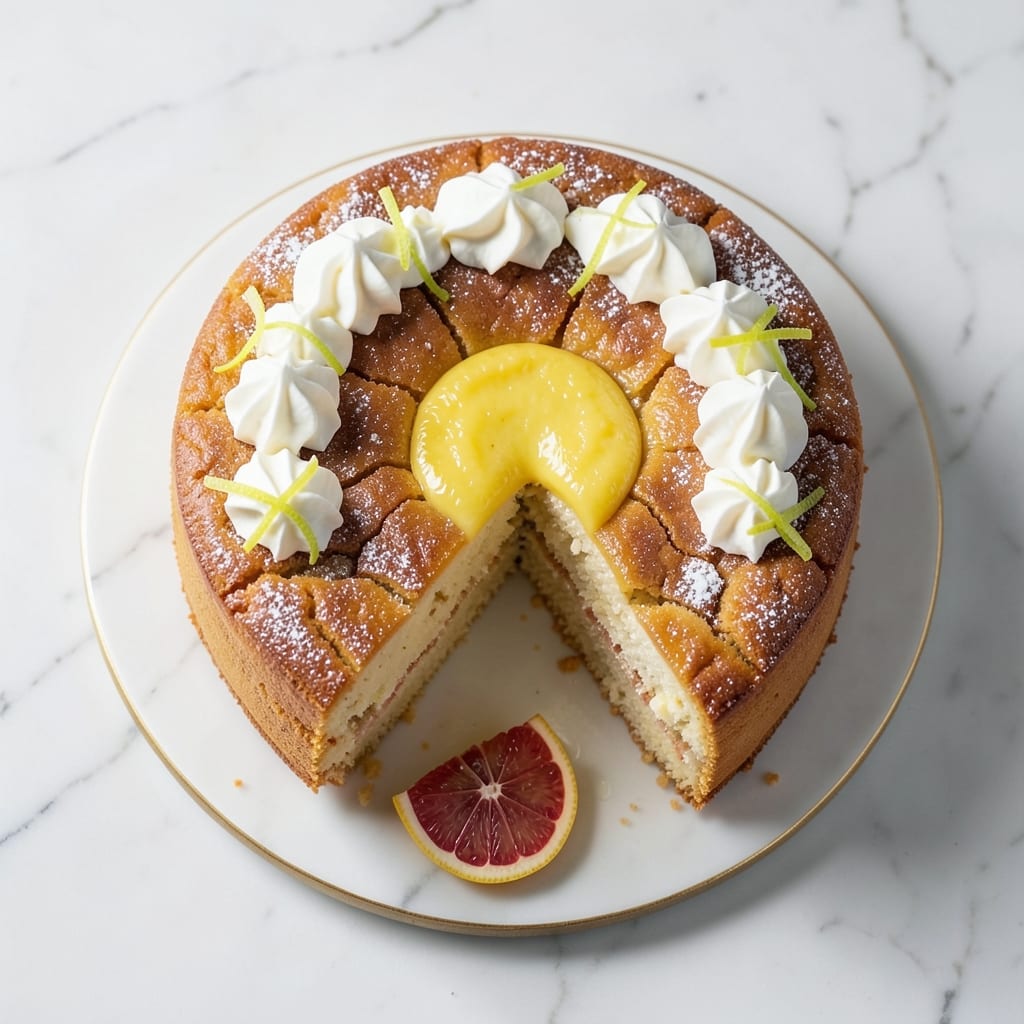
This 8-inch round lemon cake delivers bright, zesty layers that balance perfectly with velvety cream cheese frosting—ideal for celebrations or weekend treats. The secret lies in fresh lemon zest and juice, which infuse every bite with sunshine-like tang. I’ve perfected this recipe to ensure moist crumb and a tender texture that holds up beautifully when sliced. What sets this apart is the two-step baking process: a tender cake layer paired with a tangy cream cheese frosting that’s lighter than traditional versions. The recipe uses basic pantry staples but delivers restaurant-worthy results. No fancy equipment needed—just a standard 8-inch pan and a steady hand for frosting. By the time you’re done, you’ll have a golden, perfectly round cake with a glossy frosting finish that’s both elegant and delicious. The lemon flavor shines through without overpowering, making it a crowd-pleaser for any occasion. Ready to bake? Let’s get started.
The recipe begins with a simple yet foolproof cake batter that relies on precise measurements and gentle folding to maintain airiness. Lemon extract (or fresh zest) adds depth, while vanilla and baking powder ensure a light rise. The frosting, made with cream cheese and powdered sugar, stays stable even in warm rooms—no melting disasters here. Baking at 350°F for about 25-30 minutes yields a cake that’s golden on top but still tender inside. Cooling completely before frosting is critical for clean slices and a smooth finish. The frosting spreads effortlessly, creating a semi-glossy, professional-looking layer that’s easy to pipe or spread. For extra flair, garnish with fresh berries or a dusting of powdered sugar. This cake keeps well for 3-4 days at room temperature or up to a week refrigerated, making it perfect for meal prep or gifting. Every bite delivers that perfect balance of sweet and zesty.
Ingredients for 8 inch round lemon cake
Bright citrus flavors and creamy frosting come together in this elegant 8-inch lemon cake.
| Ingredient | Amount | Notes |
|---|---|---|
| All-Purpose Flour 🌾 | 2 cups | Sifted for light texture |
| Granulated Sugar 🍚 | 1 ½ cups | White or light brown |
| Unsalted Butter 🧈 | 1 cup | Room temperature, full-fat |
| Fresh Lemon Juice 🍋 | ½ cup | From 2-3 lemons, freshly squeezed |
| Lemon Zest 🍋 | 2 tbsp | Finely grated, no pith |
| Large Eggs 🥚 | 2 whole | Room temperature |
| Vanilla Extract 🌿 | 1 tbsp | Pure vanilla preferred |
| Baking Powder 🧂 | 2 tsp | Aluminum-free preferred |
| Salt 🧂 | ½ tsp | Fine sea salt |
| Cream Cheese 🧀 | 8 oz | Room temperature, full-fat |
| Powdered Sugar 🍚 | 3 cups | Sifted for smooth frosting |
| Heavy Cream 🥛 | ½ cup | Cold for stability |
The lemon juice and zest are non-negotiable for that authentic zesty brightness. Freshly squeezed juice from organic lemons at Whole Foods or your local farmers market delivers the best flavor. If you can't find organic, regular grocery store lemons work fine—just avoid any with brown spots. For zest, use a fine grater and remove all the bitter white pith. The butter should be room temperature—press it to check if it leaves a slight indent. If it's too firm, microwave it for 20 seconds to soften. The cream cheese? Philadelphia brand is my go-to for consistent texture, but any full-fat cream cheese works.
No fresh lemons? Lemon extract at half the amount gets you close, but the flavor won't be as vibrant. Running short on powdered sugar? Confectioners sugar from Domino works perfectly. The baking powder is crucial—double-acting ensures proper rise. For a richer cake, swap half the all-purpose flour for cake flour. The frosting can be made up to 2 days ahead—just whip it again before using. If your frosting is too thick, add 1 tsp lemon juice at a time until it reaches spreading consistency. And trust me, the vanilla extract matters—imitation vanilla will make the difference obvious.
This cake stays fresh for 3-4 days at room temperature, wrapped tightly in plastic. For longer storage, refrigerate for up to 1 week—just bring it to room temperature before serving. The frosting can be stored separately in the fridge for 5 days, then rewhipped. To prevent drying, always store the cake layers between parchment paper. For a restaurant-quality finish, use an offset spatula to smooth the frosting. Garnish with fresh berries or edible flowers right before serving—they add a pop of color that makes it look like you spent hours decorating.
Why You'll Love This Recipe
- You’re using pantry basics here: flour, sugar, butter—plus a lemon from the grocery store. No specialty ingredients, no markup. My grocery bill stays low, but my guests keep coming back for seconds.
- No Mixer Needed: I swear by this recipe when I’m too tired to haul out the stand mixer—just cream the butter and sugar by hand, fold in the flour, and you’re golden. The cake still turns out tender and perfectly moist, even with that simple technique.
- Zesty Magic: That bright burst of fresh lemon juice and zest? It’s the star. The butter keeps it rich, but the citrus cuts through like a refreshing summer breeze—no artificial flavors, just real, tangy goodness in every bite.
- Brunch or Dessert: Serve it warm with a dusting of powdered sugar for a lazy weekend brunch, or chill it overnight for a showstopping dessert. Honestly, I’ve even sliced it for potlucks—no one ever guesses how easy it was to make.
Step-by-step instructions for lemon cake with cream cheese frosting
This method delivers tender layers and velvety frosting—every detail matters for perfect balance.
Prepare the Lemon Cake Batter
Preheat your oven to 350°F and grease an 8-inch round cake pan, then line the bottom with parchment paper. In a medium bowl, whisk together the 2 cups all-purpose flour, 2 teaspoons baking powder, and ½ teaspoon salt. Set aside—this dry mix ensures a light, airy crumb.
In a separate large bowl, cream the 1 cup unsalted butter and 1½ cups granulated sugar on medium speed until light and fluffy, about 3-4 minutes. Add the 2 whole large eggs one at a time, mixing well after each addition. Scrape down the sides of the bowl to ensure even incorporation.
In a small bowl, combine the ½ cup fresh lemon juice and 2 tablespoons lemon zest with the 1 tablespoon vanilla extract. Gradually add this mixture to the butter-sugar blend, alternating with the dry ingredients. Mix on low speed just until combined—overmixing develops gluten, which makes the cake dense. Pour the batter into the prepared pan and smooth the top.
Bake Until Golden and Springy
Bake for 30-35 minutes until a toothpick inserted in the center comes out clean and the edges pull away slightly from the pan. The cake should be golden but not overbrowned. Rotate the pan halfway through baking for even heat distribution.
Let the cake cool in the pan for 10 minutes before transferring it to a wire rack to cool completely. This gradual cooling prevents cracking. While the cake cools, prepare the frosting—patience here ensures a smooth finish.
Make the Cream Cheese Frosting
In a stand mixer fitted with the paddle attachment, beat the 8 ounces cream cheese and ½ cup heavy cream on medium speed until smooth and creamy, about 2-3 minutes. Add the 3 cups powdered sugar gradually, mixing on low speed to avoid a cloud of sugar dust. Increase to medium and beat until light and fluffy, scraping down the sides as needed.
For extra lemon brightness, add 1 tablespoon lemon zest and 1 tablespoon fresh lemon juice (optional but recommended). Mix until fully incorporated. The frosting should be thick enough to hold peaks but still pipeable—adjust consistency with a splash of heavy cream if needed.
Assemble and Frost the Cake
Once the cake is completely cool, level the top if necessary with a serrated knife. Place one layer on a cake stand or plate. Spread a thin layer of frosting over the top to create a "crumb coat." This step prevents crumbs from mixing into the final frosting layer.
Chill the cake for 15 minutes to set the crumb coat. Apply the remaining frosting, spreading evenly with a spatula. For a polished look, use an offset spatula to smooth the sides. Garnish with additional lemon zest or fresh berries if desired. Serve at room temperature for the best texture and flavor.
Pro Tips For Making 8 Inch Round Lemon Cake
- Cream Butter Properly: Beat the butter and sugar until it’s pale, fluffy, and leaves clean streaks on the bowl—about 3-5 minutes with a stand mixer. I learned this the hard way: under-creaming means a dense, flat cake, and over-whipping just turns it greasy. Stop when the mixture holds a peak when you lift the beaters.
- Use Room-Temp Ingredients: Let butter, eggs (if used), and lemons sit out for 1-2 hours before mixing—cold butter cuts into flour instead of emulsifying, and cold eggs won’t blend smoothly. My grandmother swore by this, and she was right: the cake bakes evenly without sinking in the middle.
- Don’t Overmix the Batter: Fold in the dry ingredients just until combined—lumps are better than a tough, chewy cake. After burning three batches with overmixed batter, I finally figured out that a few small lumps disappear during baking. Stop mixing the second the flour disappears.
- Bake at 325°F, Not Higher: An 8-inch cake needs gentle heat to rise properly—325°F is the sweet spot for even baking without a domed top or dry edges. I was skeptical until I tried it: higher temps shock the cake, and lower temps leave it gummy. Check doneness at 25-30 minutes, not the recipe’s exact time.
Storing and reheating this recipe
Room Temperature Storage
This cake stays fresh and moist for 3-4 days at room temperature when stored properly. Wrap the entire cake tightly in plastic wrap or place it in an airtight container with a layer of parchment paper between the cake and lid. The frosting helps preserve moisture, but avoid exposing it to direct sunlight or warm spots in your kitchen—those can cause the frosting to soften or melt. 🌟
For a second day that tastes just as fresh, I like to store the cake in a cool, dark pantry (around 70°F). The lemon flavor actually intensifies slightly over time, making it even more vibrant. If you notice the frosting becoming slightly tacky, just let the cake sit at room temperature for 10-15 minutes before serving to restore its perfect texture.
Refrigerator Refresh
If you need to store your cake for longer than 4 days, refrigeration is your best friend. The cake will keep well in the fridge for up to 1 week, though the frosting may firm up slightly. To serve, simply let the cake sit at room temperature for 30-45 minutes before slicing—this ensures clean cuts and a smooth eating experience. 💫
I recommend using clear plastic wrap directly on the cake before placing it in an airtight container to prevent drying. For extra protection, you can also place a damp paper towel over the frosting before sealing. When reheating (if needed), a quick 10-second burst in the microwave (covered with a damp paper towel) can restore the frosting's creamy texture without overcooking the cake.
Freezing for Later
This lemon cake freezes beautifully for up to 3 months, making it perfect for meal prep or special occasions. Wrap each layer individually in plastic wrap, then place them in a freezer bag with all the air squeezed out. Label the bag with the date to keep track of freshness. When ready to serve, thaw overnight in the fridge and proceed with frosting as usual. 🧊
The frosting can be made ahead and frozen separately in an airtight container for up to 2 months. Thaw it in the fridge, then whip it again until smooth before assembling. For best results, let the frosting sit at room temperature for 10 minutes before using—this ensures it spreads evenly and creates that perfect glossy finish.
Reviving Dried Edges
If your cake develops slightly dry edges after storage, don’t worry—there’s an easy fix. Brush the edges lightly with a mixture of 1 tablespoon warm water and ½ teaspoon lemon juice using a pastry brush. This simple trick adds moisture back to the cake without altering the flavor. For extra shine, you can also lightly dust the frosting with a tiny bit of powdered sugar after serving. ✨
Another pro tip: If the frosting starts to look dull, simply rewhip it for 1-2 minutes with a hand mixer to restore its fluffy texture. A quick spritz of lemon extract (just ¼ teaspoon) can also help revive the citrus brightness if it’s faded during storage. The cake’s natural moisture will keep it delicious even after freezing!
Nutrition facts
Frequently asked questions
Can I make this lemon cake in a different pan size?
Yes, but you'll need to adjust baking time. For a 9-inch round pan, reduce oven temperature to 325°F and bake for 25-30 minutes. For a 6-inch pan, increase to 375°F and bake 20-25 minutes. Always check with a toothpick—it should come out clean. The cake batter volume is designed for an 8-inch pan, so larger pans may require slightly less batter.
How do I prevent my cake from cracking?
Cracking usually happens from uneven cooling or overmixing. Let the cake cool in the pan for 10-15 minutes before removing, then transfer to a wire rack. Avoid opening the oven door too early—temperature fluctuations cause cracks. Also, don't overmix the batter after adding flour (just until combined). For extra insurance, brush the warm cake with simple syrup (equal parts sugar and water) before frosting.
Can I substitute cream cheese frosting with buttercream?
For a buttercream version, beat 1 cup softened butter with 3 cups powdered sugar and 2-3 tablespoons lemon juice until fluffy. Add 1 teaspoon vanilla and 1 tablespoon lemon zest for that bright flavor. Buttercream holds up better in warm climates and gives a slightly sweeter contrast to the tangy cake. The texture will be lighter than cream cheese frosting but equally delicious.
Why did my cake turn out dense instead of light?
Dense cake usually means one of three things: overmixing (developing gluten), old baking powder, or underbaked time. Always mix just until combined after adding flour. Check your baking powder's expiration date—it loses potency over time. Also, make sure your oven is properly calibrated (use an oven thermometer) and bake until a toothpick comes out clean. Room-temperature ingredients are key too!
How can I make this cake gluten-free?
Replace the all-purpose flour with a 1:1 gluten-free baking flour blend (like Bob's Red Mill) plus ½ teaspoon xanthan gum. For best results, add 1 extra tablespoon of flour to account for absorption differences. You may need to reduce the lemon juice slightly (¼ cup instead of ½ cup) to maintain moisture balance. Test the recipe first with a small batch to adjust texture.