
Desserts
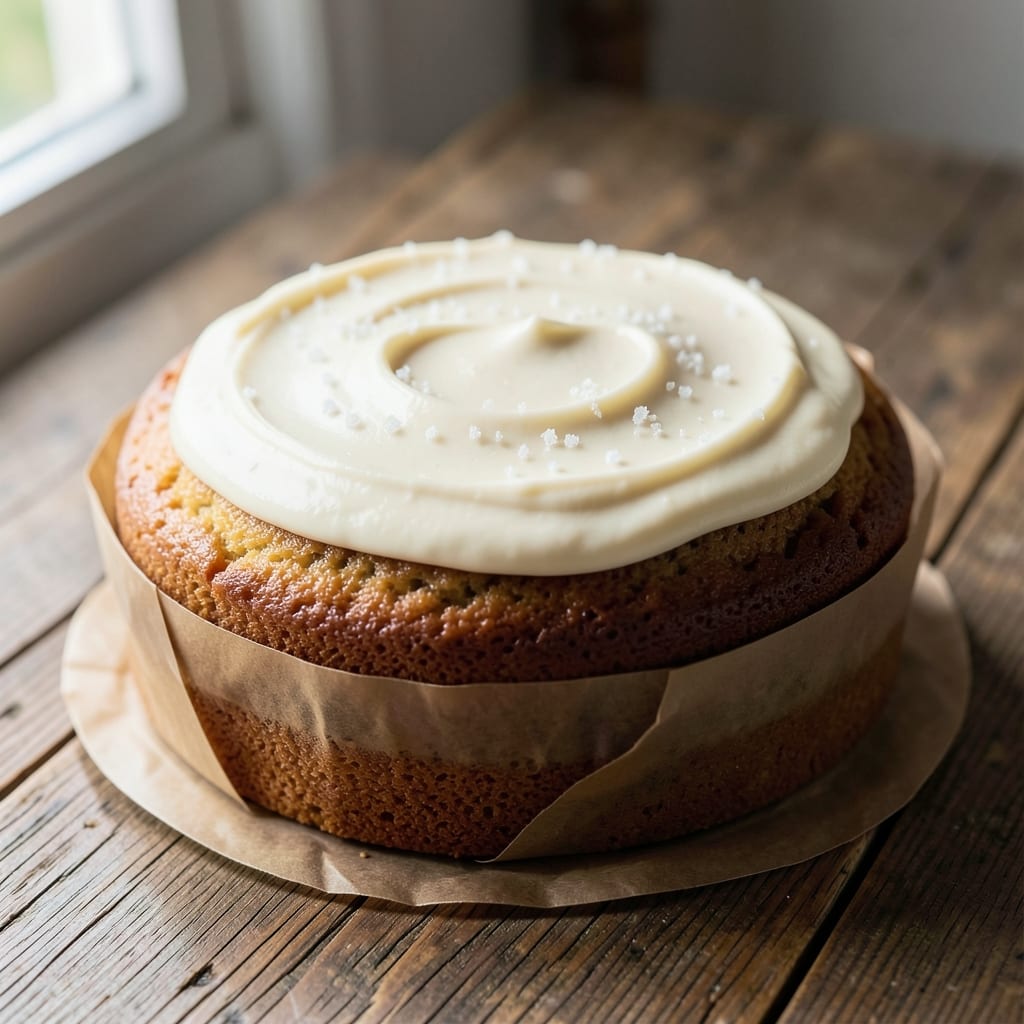
Mastering an 8-inch round pound cake means achieving that signature height with a stable crumb—no doming, no cracking, just perfect slices every time. This classic vanilla recipe relies on the traditional creaming method, where butter and sugar are whipped to incorporate air, creating that signature tender yet sturdy texture. I’ve baked hundreds of pound cakes, and the key lies in precise ingredient ratios, gentle folding, and a controlled oven temperature to ensure even baking.
The secret to stability starts with room-temperature ingredients—especially the eggs and butter—so they blend smoothly without developing gluten too aggressively. A light hand when folding in the dry ingredients preserves that delicate airiness, while baking at 325°F ensures a golden crust without over-browning. The result? A cake that holds its shape when sliced, with a moist interior and just the right crumb for frosting or serving plain.
This recipe delivers restaurant-quality results at home, with a vanilla flavor so pure it shines whether you serve it with whipped cream, fresh berries, or a simple glaze. The proportions are carefully balanced to avoid a dense or dry texture, and the baking time is timed to perfection—no guessing, no stress. Once you try this method, store-bought pound cakes will never measure up again.
Perfect for celebrations, gift-giving, or simply treating yourself, this cake keeps well for days, making it ideal for meal prep or special occasions. The instructions walk you through every step, from mixing to testing for doneness, so you’ll achieve that classic look and taste with confidence. Let’s get baking!
Ingredients for 8 inch round pound cake
The secret to a restaurant-quality pound cake starts with these precise ingredients—each playing its part for that perfect height and stable crumb.
| Ingredient | Amount | Notes |
|---|---|---|
| Unsalted Butter 🧈 | 1 cup | Room temperature, European-style preferred |
| Granulated White Sugar 🍚 | 2 cups | Superfine sugar for smoother texture |
| Large Eggs 🥚 | 4 whole | Room temperature, separated for creaming |
| All-Purpose Flour 🌾 | 2 cups | Sifted, spooned lightly into cups |
| Pure Vanilla Extract 🌿 | 2 tsp | Bourbon or Madagascar preferred |
| Baking Powder 🧂 | 1 tsp | Diamond Crystal brand recommended |
| Salt 🧂 | ½ tsp | Fine sea salt preferred |
| Milk 🥛 | ½ cup | Room temperature, whole preferred |
| Vegetable Oil 🫒 | ¼ cup | Light neutral oil for tenderness |
| Cornstarch 🌾 | 1 tbsp | For structural stability |
| Almond Extract 🌿 | ½ tsp | Optional, enhances vanilla depth |
The butter makes all the difference here. European-style has more fat content, giving you that signature tender crumb. Grab a Plugrá or French-style butter if you can—it’s worth the splurge for this cake. Room temperature is critical: press a finger into the butter, and it should leave a slight indent. If it’s too firm, let it sit at room temp for 30 minutes. The sugar? Superfine sugar dissolves faster, creating a smoother batter, but regular granulated works in a pinch—just pulse it in a food processor first. For the vanilla, Madagascar bourbon extract has the richest flavor, but any pure extract will do.
No European butter? Use unsalted butter from a trusted brand like Land O'Lakes—just make sure it’s 80% fat content. Short on vanilla? Vanilla bean paste works beautifully, or swap in 1 tbsp vanilla sugar (mix 1 tsp vanilla extract with 1 cup sugar, let sit overnight). The baking powder matters too—Diamond Crystal is twice as potent as other brands, so if you only have aluminum-free baking powder, use 1/2 tsp less. For the milk, whole milk gives the best texture, but 2% or even almond milk (unsweetened) works if that’s what you have. The cornstarch is non-negotiable—it’s what gives this cake its signature stability when sliced.
Store the cake in an airtight container at room temperature for up to 3 days, or refrigerate for 5 days if you’re prepping ahead. For longer storage, wrap tightly in plastic and freeze for up to 3 months. The key to reheating? Room temperature only—bring it back to room temp before slicing to preserve that tender crumb. I always make this cake 2 days ahead for parties—it actually tastes better as the flavors meld. And if you’re gifting it? Wrap individual slices in parchment, then a pretty box—it’s always a crowd-pleaser.
Why You'll Love This Recipe
- No Fuss Mixing: I swear by the creamy butter-sugar blend—just whip it until light, fold in eggs one at a time, and boom. No stand mixer required; my hand mixer does the job in 5 minutes flat. The secret? Room-temperature butter that blends like butter (pun intended).
- Vanilla Kiss Perfection: That single teaspoon of pure vanilla extract? It’s the difference between good and oh-my-gosh cake. The warmth lingers, especially when you slice into that tender crumb—no artificial aftertaste, just real vanilla magic.
- Slice It Any Way: Forget fancy pans—this cake bakes in a standard round dish, so I layer it for breakfast, cube it for dessert, or even toast slices for a quick snack. (Yes, even on a Tuesday night.)
- Budget-Friendly Luxury: Four simple ingredients stretch to feed six with leftovers that stay moist for days. The butter and sugar ratio means no wasted flour, and the eggs add richness without breaking the bank. My wallet and taste buds thank me.
Step-by-step instructions for classic vanilla pound cake
Here's how to bake a pound cake with legendary height and slice stability—every time.
Cream Butter and Sugars to Light and Fluffy
In a stand mixer fitted with the paddle attachment, beat the 1 cup unsalted butter and 2 cups granulated white sugar on medium speed for 5-7 minutes until light and fluffy. You'll know it's ready when the mixture nearly doubles in volume and leaves ribbons when the beaters are lifted. This step incorporates air, which creates that signature pound cake height.
I like to scrape down the sides of the bowl every 2 minutes to ensure even creaming. The butter should be completely smooth with no streaks of sugar remaining. If you're using room temperature butter, it should leave a slight indentation when pressed with your finger—this ensures proper emulsification with the sugar.
Add Eggs and Extracts Gradually
Add the 4 whole large eggs one at a time, mixing on low speed after each addition until fully incorporated. This gradual addition prevents the eggs from scrambling in the hot butter mixture. After the eggs are fully combined, add the 2 teaspoons pure vanilla extract and 0.5 teaspoon almond extract and mix for 30 seconds on low speed.
The mixture might look slightly curdled at first, but don't worry—it will smooth out when you add the dry ingredients. I always use room temperature eggs for better emulsification, and I prefer bourbon or Madagascar vanilla for its rich, complex flavor profile that stands up to the cake's density.
Combine Wet and Dry Ingredients Gently
In a separate bowl, whisk together the 2 cups all-purpose flour, 1 teaspoon baking powder, 0.5 teaspoon salt, and 1 tablespoon cornstarch. With the mixer on low speed, gradually add the dry ingredients to the wet mixture, mixing just until combined. Be careful not to overmix—you should still see some flour streaks when you lift the paddle.
Next, add the 0.5 cup milk and 0.25 cup vegetable oil and mix on low speed for another 30 seconds until just combined. The batter should be thick but pourable. If it's too thick, you can add an additional 1-2 tablespoons milk to reach the right consistency. This batter is designed to be slightly denser than typical cake batters, which contributes to that classic pound cake texture.
Bake in a Prepared Pan for Even Rise
Preheat your oven to 350°F. Generously grease an 8-inch round cake pan and line the bottom with parchment paper. Pour the batter into the prepared pan and smooth the top with a spatula. Tap the pan gently on the counter 3-4 times to remove any air bubbles that might have formed during mixing.
Bake for 50-60 minutes or until a toothpick inserted into the center comes out clean. The cake should spring back slightly when pressed gently in the center. Here's the thing—pound cakes benefit from a slightly longer bake time than other cakes. The dense batter needs that extra time to fully set and develop its signature texture. If the top browns too quickly, tent the pan with aluminum foil.
Cool and Slice for Perfect Stability
Remove the cake from the oven and let it cool in the pan for 15 minutes. Then, invert the cake onto a wire rack and let it cool completely. This gradual cooling process prevents cracking and ensures the cake holds its shape when sliced. Once fully cooled, you can wrap it in plastic wrap and store it at room temperature for up to 5 days or refrigerate for up to 1 week.
When you're ready to serve, slice with a sharp serrated knife that's been dipped in hot water and wiped clean. This technique ensures clean cuts and prevents the cake from tearing. Each slice should hold its shape beautifully, with a tender crumb and that classic vanilla flavor that's both comforting and sophisticated. The cornstarch in this recipe plays a crucial role in stabilizing the crumb, which is why this cake slices so neatly.
Pro Tips For Making 8 Inch Round Pound Cake
- CREAM BUTTER SLOWLY: I learned this the hard way—dumping cold butter into sugar and whipping it into a paste is a shortcut that backfires. Instead, soften the butter to room temperature (press your finger into it; it should dent slightly but not flatten) and let it sit in the bowl with the sugar for 5 minutes before beating. This ensures the butter emulsifies properly, giving you that signature light, tender crumb.
- WEIGH YOUR FLOUR: Scooping flour from the bag is how you end up with a dense, dry cake. Use a kitchen scale and measure the flour by weight (about 250g for an 8-inch pound cake) instead of volume. Spoon it into the scale, then level it off—no packing, no tapping. This keeps the texture consistent and prevents a brick-like result.
- DON’T OVERMIX THE BATTER: After folding in the flour, stop mixing the second everything comes together. Overmixing develops gluten, which turns your cake into a tough, chewy loaf instead of a tender, moist layer cake. Give it one quick stir with a spatula until just combined—no streaks, no extra mixing. Your future self will slice into a cake that doesn’t fight back.
- BAKE UNTIL 205°F: The recipe might say "baked through," but that’s vague. Use an instant-read thermometer to check the center—it should hit 205°F (96°C). Pulling it out too soon leaves a gummy middle; waiting too long risks drying it out. If the cake springs back slowly when pressed (not too fast, not too slow), you’re golden. Cover with foil at 170°F if the top browns too quickly.
Flavor customization for this dish
Citrus Zest Twist
Brighten the classic vanilla flavor with 1 teaspoon freshly grated lemon or orange zest added to the dry ingredients. The citrus oils infuse beautifully with the vanilla, adding a subtle tang that cuts through the richness. I like to use organic Meyer lemons for their natural sweetness, but regular lemons work too. Pair this variation with a lemon glaze made from powdered sugar and lemon juice for a showstopping finish. 🍊
Spiced Chai Version
Transform your pound cake into a cozy spiced treat by adding ½ teaspoon ground cinnamon, ¼ teaspoon cardamom, and ¼ teaspoon ginger to the dry ingredients. The warm spices complement the vanilla beautifully and create a fragrant cake perfect for fall gatherings. For extra depth, swap ½ teaspoon of the vanilla extract for 1 teaspoon chai spice blend. Serve with vanilla bean ice cream for a comforting dessert. 🌿
Chocolate-Dipped Layers
Elevate your cake by adding ½ cup Dutch-process cocoa powder to the dry ingredients for a subtle chocolate note. For a dramatic presentation, bake the cake in two 4-inch round pans instead of one 8-inch pan. Once cooled, slice horizontally and fill with chocolate ganache or raspberry jam. Dust the top with powdered sugar for an elegant, restaurant-worthy look. This variation works especially well with espresso-infused vanilla extract for a mocha twist. 🍫
Coffee-Infused Depth
Add 1 tablespoon instant espresso powder (or 1 tablespoon strong brewed coffee, cooled) to the dry ingredients for a sophisticated coffee flavor that pairs perfectly with vanilla. The coffee enhances the cake's richness without overpowering it. For an extra boost, use cold brew concentrate mixed with the milk. This version is ideal for breakfast cakes or afternoon tea—serve with whipped cream and a sprinkle of cocoa powder. ☕
Nutty Crunch Addition
Fold ½ cup chopped walnuts or pecans into the batter during the final mixing step for added texture. Toast the nuts first in a dry pan for 3-5 minutes until fragrant to enhance their flavor. This variation adds a delightful crunch that contrasts beautifully with the cake's tender crumb. For a festive touch, drizzle the top with honey before baking. 🌰
Boozy Vanilla Bourbon
Boost the vanilla flavor with 2 tablespoons bourbon (like Maker's Mark) added to the wet ingredients along with the milk. The alcohol enhances the vanilla's depth and adds a subtle warmth. For an extra kick, replace ½ cup of the milk with ½ cup bourbon—just be mindful of the alcohol content if serving to children. This version is perfect for adult gatherings and pairs wonderfully with caramel sauce. 🥃
Nutrition facts
Frequently asked questions
Why does my pound cake sink in the middle?
This usually happens when the oven isn't hot enough or the cake bakes too quickly. Always preheat your oven to 350°F and avoid opening the oven door during the first 30 minutes of baking. The cornstarch in this recipe helps stabilize the structure, but proper temperature control is key—too much heat causes rapid rising followed by a collapse.
Can I make this cake in a different pan size?
Yes, but adjust the baking time and temperature. For a 6-inch pan, bake at 325°F for 40-45 minutes, and for a 10-inch pan, use 350°F for 60-70 minutes. The batter depth should be about 2 inches for even baking. Never overfill the pan, or the cake may overflow.
How do I prevent cracks on the top?
Cracks form when the cake dries too quickly on the surface. To avoid this, bake at 325°F instead of 350°F for the first 20 minutes, then increase to 350°F for the remaining time. Also, avoid overmixing the batter—just combine until no flour streaks remain.
Can I substitute butter with oil?
You can, but the texture will change. Replace the 1 cup butter with 1 cup vegetable oil and reduce the milk to ¼ cup to maintain moisture balance. The cake will be slightly denser but still delicious. For best results, stick with butter for that classic tender crumb.
How do I store leftover pound cake?
Wrap tightly in plastic wrap or aluminum foil and store at room temperature for up to 3 days. For longer storage, refrigerate for 5 days or freeze for 3 months. To reheat, let it sit at room temperature for 30 minutes before slicing—this prevents dryness and maintains that perfect crumb.