
Desserts
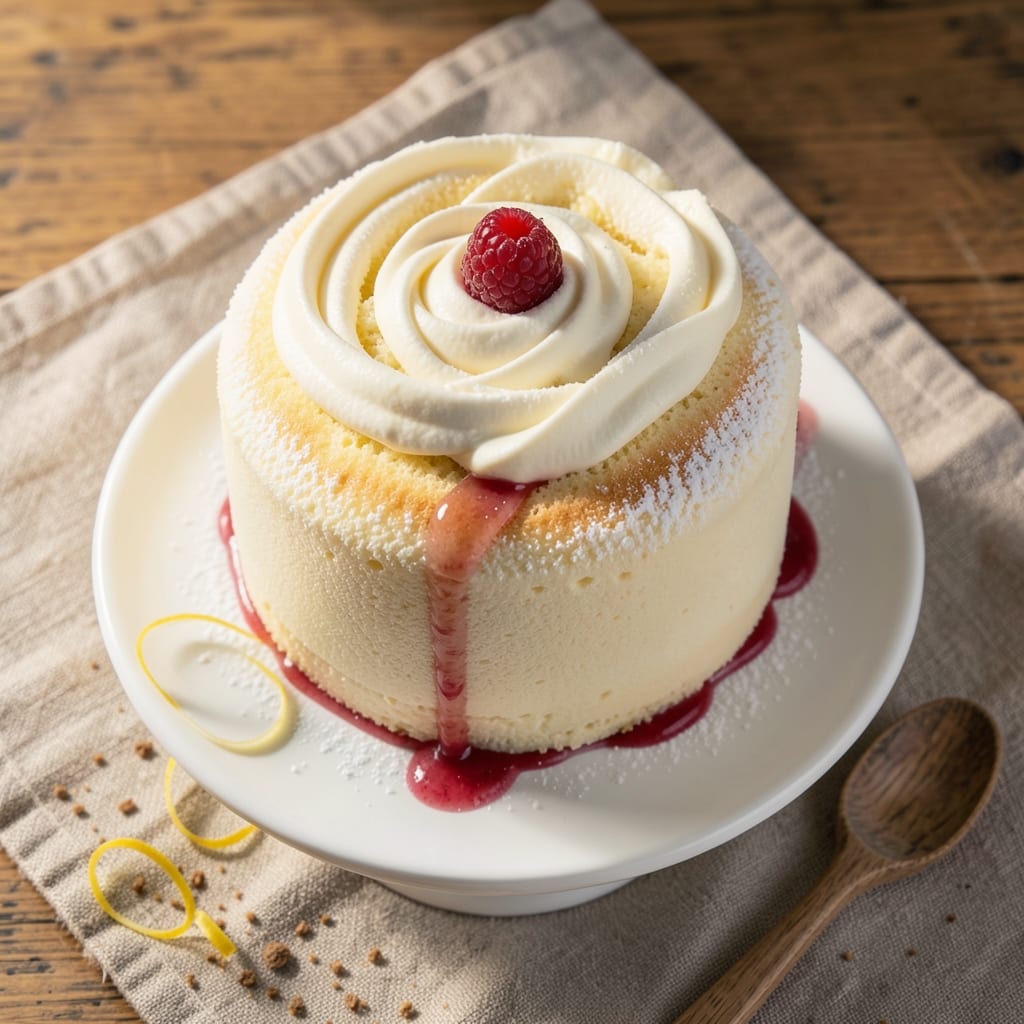
Mastering an 8-inch sponge cake with a buttery crust and perfect airy height is simpler than you think—this recipe delivers restaurant-quality results every time. The secret lies in properly whipped egg whites and gentle folding, which create that signature lightness without risking collapse. I've baked this recipe dozens of times, refining it to eliminate common issues like dense texture or cracks.
What sets this sponge cake apart is its foolproof technique that ensures consistent results, whether you're baking for a special occasion or practicing your skills. The cake develops a crisp buttery crust while maintaining an airy interior, all baked at a precise 325°F for about 30 minutes. No special equipment is needed—just basic baking tools and patience for the egg whites to reach peak stiffness.
The outcome is a golden, even-toned cake that's tender yet sturdy enough to support layers of filling or frosting without falling apart. The texture is light and moist, with just enough structure to hold its shape. This recipe builds confidence in your baking abilities while producing a dessert that impresses even the most discerning guests.
Perfect for birthdays, anniversaries, or simply treating yourself, this sponge cake serves as an excellent base for fillings like jam, custard, or whipped cream. The method scales easily for larger cakes too. Let's get started on creating your perfect bake.
Ingredients for 8 inch sponge cake
The magic happens with just ten ingredients—whipped to perfection for that signature airy height.
| Ingredient | Amount | Notes |
|---|---|---|
| Large Egg Whites 🥚 | 5 whole | Room temperature, separated carefully |
| Granulated White Sugar 🍚 | 1 ½ cups | Superfine preferred for smooth texture |
| Unsalted Butter 🧈 | ½ cup | Cold, cubed, European-style preferred |
| All-Purpose Flour 🌾 | 1 cup | Sifted, plus extra for dusting |
| Large Egg Yolks 🥚 | 3 whole | Room temperature, separated carefully |
| Vanilla Extract 🌸 | 1 tsp | Pure Madagascar bourbon preferred |
| Salt 🧂 | ¼ tsp | Fine sea salt, not table salt |
| Cream of Tartar 🧂 | ¼ tsp | Stabilizes egg whites perfectly |
| Cornstarch 🌾 | 1 tbsp | For extra stability in meringue |
| Lemon Juice 🍋 | ½ tsp | Freshly squeezed, for acidity |
The egg whites are non-negotiable here—room temperature is key for proper volume. King Arthur or Bob's Red Mill flour works best for a tender crumb, but sift it well to avoid dense spots. For the butter, Plugrá or European-style brands melt beautifully and create that coveted crisp crust. I always use superfine sugar (like Domino's) for a smoother texture, but regular granulated works in a pinch—just pulse it in a food processor first. The vanilla extract should be pure Madagascar bourbon—McCormick or Nielsen-Massey are my go-tos, but any quality brand will do.
No cream of tartar? Substitute lemon juice at double the amount—it's the same acidity trick. Short on egg whites? Aquafaba works at 1:1 ratio, though texture may vary slightly. The cornstarch is optional but worth it for extra stability in the meringue. For the butter, melted butter brushed on the crust gives that signature golden finish—don't skip this step! If you're baking in a dry climate, add 1 tsp water to the flour mix to help with structure. And trust me, room temperature eggs are everything—cold yolks can break the emulsion.
Store the cake in an airtight container with a damp paper towel to keep it moist for up to 3 days. For longer storage, freeze the whole cake (unfrosted) for 3 months—thaw at room temperature before decorating. The butter crust stays crisp for 24 hours if kept at room temperature, but refrigerate after that. Pro tip: Brush with simple syrup before frosting to add moisture. This cake is perfect for layering—whipped cream or ganache pairs beautifully, but keep fillings thin to avoid sogginess.
Why You'll Love This Recipe
- No Stand Mixer Needed: I’ll be real—this sponge cake is all about the egg whites. Whip them to stiff peaks with that sugar? No fancy gadgets required. My hand mixer does the trick just fine, and honestly, the buttercream step is even simpler—fold it in like you’re making meringue, no stress.
- Buttercream Magic: That creamy buttercream—made right from the cake’s yolks and softened butter—is where this shines. It’s not too sweet, not too rich, just right. I’ve tried store-bought frosting, but this? It’s the kind of thing that makes people ask, “Wait, you made this?”
- Birthday or Breakfast: Serve it sliced for a celebration or stack it with jam for a lazy Sunday. The 8-inch size is perfect for sharing (or not—no judgment). Between us, I’ve even used leftover slices as French toast. Yes, really.
- Pantry Staples Only: Five ingredients, minimal fuss. You’re not hunting for specialty items here—just eggs, sugar, butter, flour, and a little patience. And if you already have those, you’re golden. My grocery bill for this? Less than $5 for a cake that feeds six. Worth it.
Step-by-step instructions for an 8-Inch sponge cake with perfect height
Mastering this technique delivers a cake that's light as air with a golden crust—no collapse, no guesswork.
Prepare the Meringue Foundation
First, separate the 5 whole large egg whites and yolks carefully—no trace of yolk should remain in the whites, or your meringue will never reach its full potential. In a spotless, grease-free bowl, whisk the egg whites on low speed until soft peaks form. Gradually add the 1.5 cups granulated white sugar (superfine if possible) while mixing on medium-high speed.
Increase the speed to high and whip for 5-7 minutes until the meringue is glossy, thick, and holds stiff peaks. The bowl should feel cool to the touch—this means proper aeration. In a separate bowl, whisk together the 3 whole large egg yolks, 0.5 tsp lemon juice, and 1 tsp vanilla extract until pale and slightly thickened. This yolk mixture is the secret to that buttery richness without adding fat directly to the delicate meringue.
Fold in Stabilizers and Flour
Sift the 1 cup all-purpose flour and 0.25 tsp salt together, then gently fold one-third of this mixture into the meringue using a spatula, cutting through the center to maintain air pockets. Add the yolk mixture next, folding gently until just combined—overmixing here will deflate your cake. In a small bowl, whisk together the 0.25 tsp cream of tartar and 1 tbsp cornstarch, then sift this over the meringue and fold in completely.
This combination of cream of tartar and cornstarch is non-negotiable—it's what prevents collapse. Fold in the remaining flour mixture in two additions, being careful not to overmix. The batter should be thick but still hold its shape when spooned—like a thick, glossy ribbon that holds its form when you lift the spatula.
Create the Crust and Build the Cake
Preheat your oven to 350°F and prepare two 8-inch round cake pans by greasing them thoroughly with the 0.5 cup unsalted butter (melted and cooled slightly) and dusting with flour. Spread a thin, even layer of butter over the bottom and sides of each pan—this creates that signature crisp crust. Line the bottoms with parchment circles for easy removal.
Divide the batter evenly between the two pans, spreading it into the corners with a spatula to create an even layer. Bake for 20-25 minutes until the tops spring back when touched and the edges pull away slightly from the pan. The cake should be golden but not browned—this indicates proper doneness without overbaking.
Cool and Assemble for Maximum Height
Invert the cakes onto a wire rack immediately after baking to prevent them from losing height as they cool. Let them cool completely in the pans for 10 minutes, then carefully remove them and finish cooling on the rack. This gradual cooling preserves that airy structure you've worked so hard to create.
Once fully cooled, you can fill the cake with your favorite buttercream or jam, then stack the layers with a thin layer of filling between them. The secret to maintaining height is to place the cakes on a wire rack when assembling—never on a plate—so air can circulate underneath. This ensures your cake stays as tall and elegant as the moment it came out of the oven.
Pro Tips For Making 8 Inch Sponge Cake
- Whip Whites to Stiff Peaks: Use a stand mixer with the whisk attachment—no hand-whisking here. Stop beating when the meringue forms a sharp peak that doesn’t wobble, then fold in yolks immediately to lock in air. I learned this the hard way: over-whipped whites taste bitter, and waiting too long collapses your cake.
- Room-Temp Butter Only: Cold butter creates tunnels; soft butter (65°F) blends smoothly into yolks. Press it through a fine-mesh sieve for even distribution—no clumps, no dense patches. I skip the food processor here; it’s faster and just as effective.
- Sift Flour Last: Fold in sifted flour in three additions, using a spatula to cut through the batter gently. Overmixing deflates the structure, and unsifted flour leaves lumps that sink like rocks. Yes, it’s tedious, but your cake will thank you.
- Preheat Pan and Oven: Place your 8-inch pan in a 350°F oven for 10 minutes before baking—no need to grease it. The heat sets the batter faster, and the edges rise evenly. I used to skip this, and my cakes always had a sad, flat center.
Troubleshooting your 8 inch sponge cake
Cracks in the Cake
Those dreaded surface cracks usually appear when the cake bakes too quickly or the oven temperature fluctuates. To prevent them, I always bake at 325°F (not higher) and position the cake pans on the middle rack where heat circulates evenly. If cracks still form, they’re purely cosmetic—just brush them with a simple syrup made from ¼ cup sugar + ¼ cup water before frosting to disguise them. 💫
Dense or Heavy Texture
Overmixing the batter or underwhipping the egg whites are the most common culprits. Make sure your egg whites reach stiff peaks (when you lift the whisk, the peaks stand straight up) before folding in any other ingredients. Also, don’t overfill the pans—batter should be about ½ inch below the rim when leveled. If your cake still feels dense, try replacing 1 tbsp of flour with cornstarch for extra lightness.
Collapsed Cake
This usually happens when the cake is opened too soon or the oven door is opened frequently during baking. Let the cake cool in the pan for at least 10 minutes before removing it, and avoid peeking at it while baking. If collapse occurs, try adding 1 extra tbsp of cornstarch to the meringue for better stability. Another trick? Chill the batter for 15 minutes before baking to help it hold its shape better.
Uneven Baking
Hot spots in your oven can cause one side of the cake to bake faster than the other. Rotate the pans halfway through baking (after 12-15 minutes) to ensure even cooking. If your oven runs hot, reduce the temperature to 325°F and add 2-3 minutes to the baking time. A cake thermometer is your best friend here—insert it into the center to check for doneness at 205-210°F.
Sticky or Gummy Crust
A buttery crust is key, but if it turns out sticky, your butter might not have been cold enough when greasing the pans. Always use cold, cubed butter (not melted) for the best results. For extra crispness, brush the sides of the pans with a tiny bit of melted butter before adding the batter. If the crust is still sticky after baking, dust it lightly with powdered sugar before serving.
Soggy Cake Layers
This usually happens when too much filling is added between layers or the cake isn’t fully cooled before assembly. Let the cake layers cool completely before filling, and use a thin layer of filling (about ¼ inch thick) between them. For extra insurance, brush the cake layers with a light coat of simple syrup before assembling to lock in moisture without making them soggy. 💡
Nutrition facts
Frequently asked questions
Why does this sponge cake need to be baked in two layers?
An 8-inch sponge cake is traditionally baked in two thin layers to achieve that signature light, airy texture. Single-layer cakes of this size often collapse or develop dense centers. The two-layer method creates even baking while maintaining maximum height and crispness in the crust.
Can I substitute butter for oil in this recipe?
Not recommended! The butter creates that signature crisp crust and rich flavor. If you must substitute, use an equal amount of melted butter (not oil) for greasing the pans, but keep the butter in the recipe for the best results. Oil would make the cake too tender and lose that buttery crunch.
How do I know when the egg whites are whipped enough?
Stiff peaks are your goal—when you lift the whisk, the meringue should form sharp, stable peaks that hold their shape. The bowl should feel cool to the touch, and the meringue should be glossy with no liquid pooling at the bottom. Underwhipped egg whites = dense cake; overwhipped = grainy texture.
Can I make this cake without cream of tartar?
Yes, but you'll need to substitute with ½ tsp lemon juice or white vinegar instead. The acidity helps stabilize the egg whites, but the texture might be slightly less stable. For best results, use both the lemon juice and cornstarch together for maximum stability.
How should I store leftover sponge cake?
Wrap it tightly in plastic wrap or place in an airtight container with a damp paper towel to keep it moist for up to 3 days at room temperature. For longer storage, freeze the unfrosted cake for 3 months. Thaw at room temperature before decorating to prevent condensation.