
Desserts
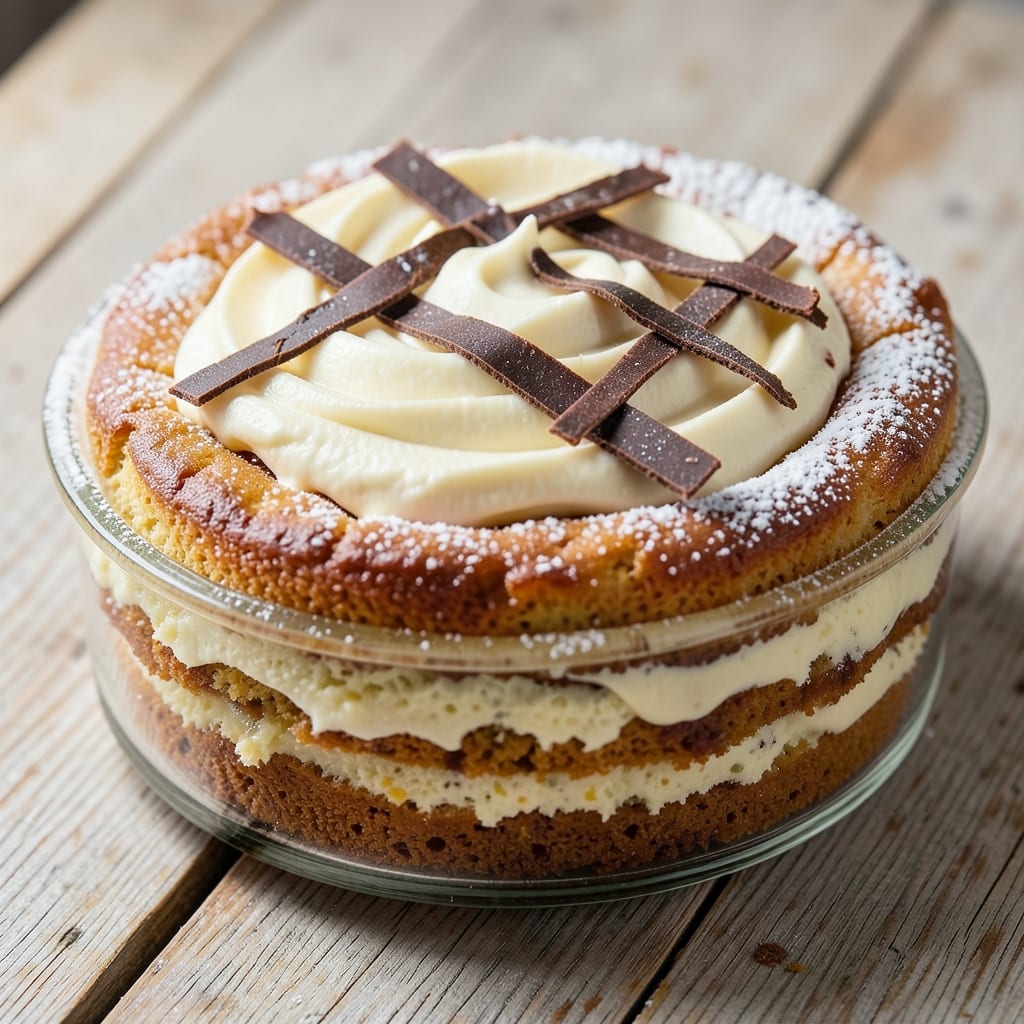
This 9-by-13 cake recipe delivers layers that stay moist for days without drying out—no one will believe it’s homemade. The secret lies in precise ingredient ratios and a gentle baking technique that locks in moisture while creating a tender crumb. I perfected this after years of baking sheet cakes that turned out either too dense or too dry, and this version solves both problems elegantly.
The foundation starts with a balanced mix of all-purpose flour, sugar, and eggs, combined with buttermilk for moisture and baking powder for lift. Baking at 350°F for 25-30 minutes ensures even cooking without overbrowning, while a simple buttercream or ganache keeps the layers fresh for up to 5 days. This isn’t just a sheet cake—it’s a reliable, restaurant-quality dessert that’s perfect for birthdays, potlucks, or impromptu celebrations.
What sets this apart is the texture: light yet dense enough to hold slices, with a delicate crumb that melts in your mouth. The recipe scales perfectly for sheet cakes, bar-style desserts, or even individual layers if you prefer a taller cake. Whether you’re a beginner or an experienced baker, this method guarantees consistent results every time.
Ready to bake? The instructions walk you through mixing, layering, and baking with step-by-step clarity, plus pro tips for troubleshooting common issues like uneven edges or sinking centers. Let’s make a cake that impresses—and stays perfect for days.
Ingredients for 9 by 13 cake
Twelve ingredients, one perfect 9-by-13 cake that stays moist for days without drying out.
| Ingredient | Amount | Notes |
|---|---|---|
| All-Purpose Flour 🌾 | 2 ½ cups | Sifted for even texture |
| Granulated Sugar 🍚 | 1 ½ cups | White or light brown |
| Buttermilk 🥛 | 1 cup | Room temperature preferred |
| Unsalted Butter 🧈 | 1 cup | Cold, cubed for even mixing |
| Large Eggs 🥚 | 2 whole | Room temperature for best blend |
| Baking Powder 🍃 | 2 tsp | Diamond Crystal preferred |
| Salt 🧂 | ½ tsp | Fine sea salt preferred |
| Vanilla Extract 🌿 | 1 tbsp | Pure, high-quality extract |
| Vegetable Oil 🫒 | ½ cup | Light, neutral flavor |
| Powdered Sugar 🍚 | 2 cups | For buttercream filling |
| Heavy Whipping Cream 🥛 | 1 cup | Cold for best whipping |
| Vanilla Bean Paste 🌿 | ½ tsp | For enhanced vanilla flavor |
| Pistachios 🌰 | ½ cup | Chopped, optional garnish |
The flour and sugar are the backbone of this cake. King Arthur or Gold Medal flours work best—they hold moisture without getting gummy. Sugar choice matters: white gives a neutral taste, while light brown adds subtle caramel notes. Trader Joe's has great organic options if you want to splurge. The buttermilk is non-negotiable for moisture—substitute with 1 cup milk + 1 tbsp vinegar if you're in a pinch. For the butter, Plugrá or Land O'Lakes unsalted are my go-tos, but any cold, cubed butter works. Room-temperature eggs blend better, so take them out 30 minutes before baking. The vanilla extract should be pure—McCormick or Nielsen-Massey are reliable brands.
No buttermilk? Sour cream or yogurt work in a bind, but buttermilk's tang is key. Short on vanilla? Almond extract at half the amount gives depth. The vegetable oil keeps the cake tender—avocado oil is a great neutral alternative. For the buttercream, powdered sugar should be sifted to avoid lumps. Domino brand is finely ground and works perfectly. Cold cream whips better, so chill your bowl and beaters for 10 minutes before whipping. The vanilla bean paste adds complexity—Goya or Nielsen-Massey are solid choices. Want to skip the garnish? A dusting of powdered sugar or a light chocolate drizzle works just as well.
This cake keeps beautifully—5 days at room temperature or 1 week refrigerated when wrapped tightly. For longer storage, freeze layers with parchment between them for up to 3 months. Thaw overnight in the fridge before serving. The buttercream can be made a day ahead and stored in the fridge—whip briefly before serving to fluff it up. I always make a double batch of buttercream because it disappears faster than the cake itself.
Why You'll Love This Recipe
- Pantry Staples Only: I swear by this recipe because it uses what I already have—no weird ingredients or last-minute grocery runs. Flour, sugar, butter, eggs, and buttermilk? That’s it. The buttermilk alone adds that tangy depth without extra effort, and the butter keeps it rich without tasting heavy.
- Moist Without Fuss: This cake stays tender for days, no special tricks needed. The sugar and eggs create that perfect crumb, while the butter keeps it from drying out. I’ve had slices from the center of a pan days later still tasting fresh—no one would guess it wasn’t freshly baked.
- Double-Duty Pan: One pan, endless possibilities. Bake it as a sheet cake for parties, cut into bars for a snack, or even slice it thin for breakfast toast. Honestly, I’ve used this same recipe for everything from potlucks to my kids’ school lunches—no waste, just flexibility.
- Budget-Friendly Luxury: It costs me less than $5 to make this for a crowd, but it feels like a bakery treat. The buttermilk stretches the batter, the butter adds richness, and the sugar balances everything—no expensive shortcuts, just smart ingredients doing the work. Leftovers? They’re the best kind.
Step-by-step instructions for a perfectly moist 9-by-13 cake
Here's how to bake layers that stay wonderfully moist for days—no dry crumbs in sight.
Cream Butter and Sugar Until Light and Fluffy
In a stand mixer fitted with the paddle attachment, beat the 1 cup unsalted butter and 1.5 cups granulated sugar on medium speed for 3-4 minutes. You'll know it's ready when the mixture is pale, thick, and nearly doubles in volume. This step is crucial—it incorporates air that keeps the cake tender and moist.
Scrape down the sides of the bowl with a rubber spatula to ensure even mixing. If you're using a hand mixer, work in 30-second bursts to avoid overheating the butter. The goal is to create a light, airy base that will give your cake its signature softness.
Add Eggs and Vanilla for a Rich Foundation
Add the 2 whole large eggs, one at a time, mixing well after each addition. Then stir in the 1 tablespoon vanilla extract and 0.5 teaspoon vanilla bean paste for a deep, aromatic flavor. Mix on low speed just until combined—overmixing can develop gluten and make the cake dense.
This is where the magic happens. The eggs and vanilla blend seamlessly into the butter-sugar mixture, creating a rich foundation that ensures moisture retention. The vanilla bean paste adds a subtle complexity that elevates the cake from ordinary to extraordinary.
Alternate Dry and Wet Ingredients for Even Moisture
With the mixer on low speed, add half of the 2.5 cups all-purpose flour, followed by the 1 cup buttermilk, then the remaining flour. Mix just until the flour is incorporated—you should still see some streaks. This alternating method prevents gluten overdevelopment and ensures an even distribution of moisture.
Next, add the 0.5 cup vegetable oil and mix briefly to combine. The oil helps keep the cake tender and adds to the moist texture. Finally, add the 2 teaspoons baking powder and 0.5 teaspoon salt, mixing just until everything is evenly distributed. Overmixing now will toughen the cake, so be gentle.
Bake in a 9-by-13 Pan for Even Cooking
Preheat your oven to 350°F and grease a 9-by-13-inch baking pan thoroughly with butter or baking spray. Pour the batter into the prepared pan and smooth the top with a spatula. Bake for 30-35 minutes, or until a toothpick inserted into the center comes out clean.
Here's the thing—don't overbake. The cake will continue cooking slightly as it cools, and overbaking leads to dryness. When the edges are golden and the center springs back gently when touched, it's done. Let the cake cool in the pan for 10 minutes, then transfer it to a wire rack to cool completely before adding the filling.
Prepare the Buttercream Filling for Ultimate Moisture
In a separate bowl, beat the 1 cup heavy whipping cream until it forms soft peaks. Gradually add the 2 cups powdered sugar, mixing on low speed until incorporated. Then increase the speed to medium and beat for 2-3 minutes until the buttercream is smooth and holds stiff peaks.
Add the 0.5 teaspoon vanilla bean paste and mix until fully combined. This buttercream is the secret to keeping your cake moist for days. Spread it evenly over the cooled cake layer, then sprinkle the 0.5 cup chopped pistachios on top for a touch of elegance. Chill the cake for at least 2 hours before slicing to let the flavors meld and the buttercream set.
Pro Tips For Making 9 By 13 Cake
- MEASURE BUTTER COLD: I learned this the hard way—softened butter in a 9x13 cake means a dense, greasy mess. Scoop it straight from the fridge, cut into chunks, and let it sit at room temp for no more than 30 minutes before creaming. You want it to hold its shape when pressed, but still blend smoothly.
- MIX DRY INGREDIENTS FIRST: Skip the "just dump everything in" approach. Whisk flour, baking powder, and salt together before adding wet ingredients—this prevents lumps and ensures even distribution. I used to add the flour directly to the buttermilk, and my cakes always turned out slightly uneven.
- DON’T OVERMIX THE BATTER: Buttermilk and eggs are your friends here, but overworking the batter after adding them makes a tough, dry cake. Mix just until the flour is barely incorporated—think "stirred, not beaten." I’ve ruined a few batches by going full speed, and the texture suffers every time.
- BAKE UNTIL THE CENTER SPRINGS BACK: The toothpick test is overrated for 9x13 cakes. Instead, press the center lightly—it should spring back immediately and feel firm to the touch. If it’s still jiggly after 5 minutes past the recipe’s suggested time, it’s not done. I used to pull cakes too soon, and they’d collapse later.
Regional styles of these flavors
Southern Classic
In the South, this 9-by-13 cake becomes a pound cake with a few simple tweaks. Swap the buttermilk for 1 cup whole milk and increase the sugar to 2 cups for a denser, richer texture. Add ½ cup sour cream to the batter for extra moisture, and fold in 1 cup chopped pecans before baking. This version is perfect for peach cobbler-style cakes—top with fresh peaches and a drizzle of honey before baking. 🍑
New England Style
Up north, bakers often make this into a maple walnut cake by replacing the vanilla with 2 teaspoons maple extract and folding in 1 cup toasted walnuts. Use 1 cup brown sugar instead of white for a deeper caramel flavor. Serve with a maple glaze made from 1 cup powdered sugar + 2 tablespoons maple syrup + 1 tablespoon cream. This is a staple at fall harvest fairs and Thanksgiving gatherings. 🍁
Midwest Homestyle
The Midwest loves this cake as a fruit-filled sheet cake. After baking the first layer, spread 2 cups of your favorite jam (like strawberry or raspberry) and top with another thin layer of batter. Bake again for 15-20 minutes until set. Finish with a cream cheese frosting for a tangy contrast. This version is a hit at state fairs and bake sales across the region. 🍓
West Coast Twist
On the West Coast, this cake gets a citrus glaze and toasted almonds. Replace the vanilla with 1 tablespoon orange zest and 1 teaspoon orange extract for a bright, zesty flavor. After baking, drizzle with a glaze made from 1 cup powdered sugar + 2 tablespoons orange juice + 1 tablespoon lemon juice. Top with ½ cup sliced almonds for crunch. This version is perfect for brunch buffets or summer potlucks. 🍊
Texas-Style Bar Cake
In Texas, this cake is often baked as a thin, bar-style dessert with a pecan praline topping. Reduce the flour to 2 cups and bake in a 9-by-13-inch pan for 20-25 minutes until just set. While still warm, spread a praline sauce (made from 1 cup brown sugar + ½ cup butter + 1 cup pecans) over the top. Let it cool completely before cutting into squares. This is a must-have at Texas BBQs and holiday parties. 🥜
Northern European Adaptation
For a European touch, replace the buttermilk with 1 cup Greek yogurt and add 1 teaspoon cardamom to the batter. Use 1 cup light brown sugar for a molasses-like depth. After baking, top with a sour cream glaze (mix 1 cup powdered sugar + 2 tablespoons sour cream + 1 teaspoon lemon juice). This version is popular in Scandinavian bakeries and pairs well with lingonberry jam. 🌟
Nutrition facts
Frequently asked questions about 9x13 cake recipes
Can I bake this recipe in a different pan size?
Yes, but you'll need to adjust the baking time. A 9-inch round pan requires 35-40 minutes at 350°F, while an 8-inch square pan takes 40-45 minutes. For a 13x9-inch pan, reduce the batter by about 10% to avoid overflow. Always use a toothpick test to check doneness.
Why does my cake sometimes sink in the middle?
This usually happens from overmixing the batter or opening the oven door too soon. Mix just until combined (you should still see flour streaks), and avoid opening the oven for the first 20 minutes of baking. Also, make sure your oven is fully preheated and your pan is properly greased.
How do I make this cake gluten-free?
Replace the all-purpose flour with a 1:1 gluten-free baking flour blend (like Bob's Red Mill) and add 1 teaspoon xanthan gum to the dry ingredients. Reduce the buttermilk by 2 tablespoons since gluten-free batters absorb more liquid. Bake at 325°F instead of 350°F to prevent browning.
Can I make this cake ahead of time?
Bake the cake 1-2 days ahead and store it wrapped tightly at room temperature. The buttercream can be made 3 days ahead and refrigerated. Bring both to room temperature before assembling. For longer storage, freeze the baked cake (without frosting) for up to 3 months—thaw overnight before serving.
What's the best way to frost a 9x13 cake?
For even coverage, use a spatula or offset spatula to spread buttercream in thin layers, building up gradually. For a smooth finish, use a bench scraper to level the top. If you prefer a rustic look, pipe swirls with a star tip. Chill the cake for 30 minutes between layers to prevent melting.