
Desserts
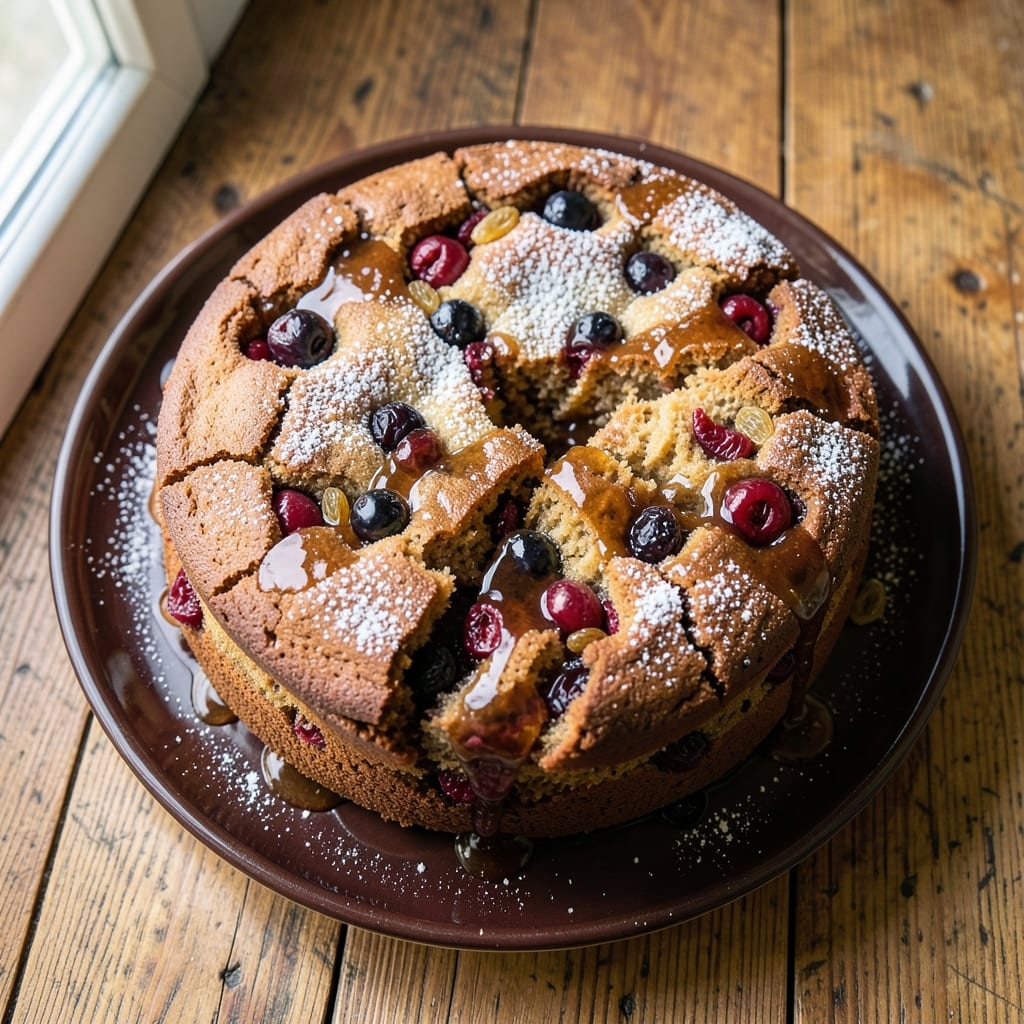
This alcohol-soaked fruit cake delivers the kind of rich, moist texture that only time—and a good soak—can achieve. The secret lies in marinating dried fruits in brandy, rum, or sherry for days, transforming them into plump, flavorful jewels that infuse the cake with deep, boozy complexity. I’ve perfected this technique over years of holiday baking, ensuring every slice tastes like a celebration in progress.
The process begins with carefully selecting and soaking the fruits, which not only enhances their flavor but also keeps the cake tender for weeks. Layering soaked fruits between rich cake batter and a velvety alcohol-infused glaze creates a dessert that improves with age—like fine wine, but edible. This isn’t your average fruit cake; it’s a showstopper that commands attention at the table.
What makes this recipe stand out is the balance of tradition and innovation. While the classic technique of soaking fruits in alcohol is timeless, modern twists like adding citrus zest or spiced glaze elevate it to restaurant-quality. The result? A cake with moist crumb, intense fruit flavors, and a subtle warmth from the alcohol that lingers on the palate.
Perfect for holidays, gifts, or impressing guests, this cake requires patience but delivers unmatched rewards. Whether you’re a seasoned baker or trying your hand at a boozy dessert, the steps are clear and the results unforgettable. Let’s get started on a cake that tastes like nostalgia and celebration.
Ingredients for alcohol soaked fruit cake
These rich ingredients soak up alcohol like a sponge, creating a cake that gets better with time.
| Ingredient | Amount | Notes |
|---|---|---|
| All-Purpose Flour 🌾 | 3 ½ cups | Sifted for light texture |
| Unsalted Butter 🧈 | 1 ½ cups | Cold, cubed for best results |
| Granulated Sugar 🍚 | 1 ½ cups | White or light brown |
| Dark Brown Sugar 🍚 | 1 cup | Packed firmly |
| Large Eggs 🥚 | 4 whole | Room temperature |
| Active Dry Yeast 🍞 | 2 ½ tsp | Or 1 packet instant yeast |
| Warm Milk 🥛 | 1 cup | Whole milk, 110°F |
| Vanilla Extract 🌿 | 2 tsp | Pure, not imitation |
| Brandy 🍷 | 1 cup | Or rum, sherry, or bourbon |
| Dried Mixed Fruit 🍇 | 3 cups | Chopped, seedless |
| Orange Zest 🍊 | 1 tbsp | From 1 large orange |
| Ground Cinnamon 🌿 | 1 tsp | Plus extra for topping |
| Ground Nutmeg 🌿 | ½ tsp | Freshly grated preferred |
| Salt 🧂 | 1 ½ tsp | Fine sea salt |
| Powdered Sugar 🍚 | 1 cup | For glaze |
| Almond Slices 🌰 | ½ cup | For topping |
The alcohol is non-negotiable here. Brandy or rum add classic depth, but bourbon or sherry work too—just use the same type for soaking and glazing. For the fruit, dried apricots, cherries, and citrus peel are my go-to, but whatever mix you grab at Trader Joe's or the bulk section will do. The yeast? Check the expiration date—old yeast is like a bad date, it just won’t show up. And the butter? Cold and cubed—don’t let it melt or your cake will turn out dense.
No brandy? Orange juice or apple juice can stand in, though the alcohol’s warmth is what makes this cake truly special. The fruit needs a good soak—at least 24 hours, but I usually do 48 to really plump them up. If you’re using pre-chopped dried fruit, give it a quick rinse to remove any dust. The orange zest is key for brightness—don’t skip it. For the glaze, powdered sugar is a must, but if you’re feeling fancy, add a splash of orange liqueur to the mix. And if you’re out of almond slices, toasted pecans or walnuts work just as well.
This cake needs time to shine. Wrap it tightly in plastic and let it sit for at least 24 hours before slicing—48 hours is ideal. It’ll keep in the fridge for up to 2 weeks, and honestly, it tastes even better after a few days. For gifting, slice it before wrapping—clear plastic containers let people see the boozy beauty inside. And if you make a double batch? Freeze half—it thaws beautifully and tastes like a holiday miracle.
Why You'll Love This Recipe
- No-Fuss Mixing: I swear by this recipe—just cream butter, sugar, and eggs until light, then fold in flour like you’re making a cake you actually want to eat. No food processor, no stress, just a bowl and a whisk.
- Boozy Magic: That alcohol-soaked fruit? It’s the secret weapon—dark rum or brandy steeping into the dried fruit overnight turns this cake into something rich, caramelized, and just alive with flavor.
- Holiday or Hangry Fix: Between us, this cake is my go-to for Christmas gifts and when I’ve forgotten to grocery shop. Slice it for potlucks, pack it for travel, or eat the whole thing straight from the pan—no judgment.
- Budget Luxury: Butter, sugar, eggs—these are pantry staples that don’t break the bank. Make a big batch, store it for weeks, and still feel like you’re serving something special without the price tag.
Step-by-step instructions for alcohol-soaked fruit cake
Here's how to make a rich, moist fruit cake that gets better with time.
Activate the Yeast and Prepare the Fruit Mixture
In a small bowl, combine the 1 cup warm milk (about 110°F) with 2.5 teaspoons active dry yeast and let it sit for 5-10 minutes until foamy. This step is crucial—if the yeast doesn't bubble, your cake won't rise properly. While that works, mix the 3 cups dried mixed fruit in a large bowl with 1 cup brandy and let it soak for at least 30 minutes. This infusion ensures every bite is packed with flavor and moisture.
Here's the thing—soaking the fruit in alcohol ahead of time prevents dryness and enhances the cake's depth of flavor. I like to stir it occasionally so the brandy fully permeates the fruit. The longer it soaks, the better, but 30 minutes is the minimum for noticeable difference.
Cream Butter and Sugars for Maximum Fluffiness
In a stand mixer fitted with the paddle attachment, beat the 1.5 cups unsalted butter (cold, cubed) with 1.5 cups granulated sugar and 1 cup dark brown sugar on medium speed for 3-5 minutes. You're looking for a light, fluffy texture that nearly doubles in volume. This creaming process incorporates air, which gives your cake that signature tender crumb.
Don't rush this step—I've found that under-creaming leads to dense, heavy cake. The butter should be pale and almost ribbon-like when you lift the beaters. Add the 4 whole large eggs, one at a time, mixing well after each addition until fully incorporated. Then stir in the 2 teaspoons vanilla extract and the yeast mixture. The batter should be thick but pourable.
Combine Wet and Dry Ingredients
In a separate bowl, whisk together the 3.5 cups all-purpose flour, 1.5 teaspoons salt, 1 teaspoon ground cinnamon, 0.5 teaspoon ground nutmeg, and 1 tablespoon orange zest. Sift the flour first for a lighter texture, then add the spices and zest. Gradually add this dry mixture to the wet ingredients, mixing on low speed just until combined. Be careful not to overmix—just until no flour streaks remain.
Now fold in the soaked fruit mixture using a spatula. You'll notice the batter becomes thick and slightly sticky, but that's perfect. The fruit should be evenly distributed throughout. At this point, I like to give the bowl a quick scrape down to ensure no dry ingredients are hiding at the bottom. The batter should be ready for the next step when it holds its shape when dropped from a spoon.
Bake for Rich, Moist Perfection
Preheat your oven to 325°F and grease two 9-inch round cake pans or one 9x13-inch pan. Pour the batter evenly into the prepared pan(s) and smooth the top. Sprinkle the 0.5 cup almond slices evenly over the top for added texture and visual appeal. Bake for 50-60 minutes (or 35-45 minutes for the 9x13-inch pan) until a toothpick inserted in the center comes out clean.
I know it seems like a long bake time, but this slow cooking ensures the alcohol evaporates properly while keeping the cake moist. The edges should be golden brown, and the top should spring back when gently pressed. If the top browns too quickly, tent the pan with foil after the first 20 minutes to prevent over-browning while allowing the center to cook through.
Glaze and Age for Maximum Flavor
Once the cake has cooled completely, make the glaze by whisking together 1 cup powdered sugar with 2-3 tablespoons brandy (or enough to create a thin but spreadable consistency). Pour this over the cooled cake and let it set for 10 minutes before serving. For the best results, wrap the cake tightly in plastic wrap and store it at room temperature for at least 24 hours before cutting. This aging process allows the flavors to meld and the cake to become even more moist.
Real talk: the first cut might seem dry, but trust me—after a day or two, each slice will be rich, moist, and packed with that boozy depth. The longer it sits, the better it gets. This cake improves with age, just like fine wine. Serve with a dollop of whipped cream or a splash of extra brandy for an adult dessert experience.
Pro Tips For Making Alcohol Soaked Fruit Cake
- Cream Butter Slowly: I learned this the hard way—dumping cold butter into sugar at once makes a greasy mess. Beat the butter and sugars together on low speed for 3-4 minutes first, then gradually increase to medium. This ensures tiny air pockets form before flour gets added, giving your cake that light, tender crumb instead of a dense brick. ---
- Soak Fruits Overnight: Skip the rushed 4-hour fruit soak—it’s not enough. Use a 1:1 ratio of alcohol (brandy, rum, or bourbon) to fruit by weight, and let it sit at least 12 hours in the fridge. The longer it soaks, the more flavor infuses, and the fruit softens just right. (Pro move: strain the fruit before folding it in to avoid a watery batter.) ---
- Don’t Overmix the Batter: Once you add flour, mix just until combined—no more. Overmixing activates the gluten, and your cake will turn out tough instead of moist. Use a spatula to gently fold the dry ingredients in, and stop when there are a few flour streaks left. (Yes, it’ll look uneven, but that’s how you get the right texture.) ---
- Bake Low and Slow: Alcohol-soaked cakes dry out fast, so resist the urge to crank the oven. Bake at 325°F (163°C) for the first 20 minutes, then drop to 300°F (150°C) until a toothpick comes out mostly clean (a few moist crumbs are fine). This keeps the cake tender inside without burning the outside. (Your kitchen will smell like heaven, but patience pays off.)
Health benefits of this dish
Boozy Benefits
The alcohol in this cake isn’t just for flavor—it acts as a natural preservative, extending shelf life while keeping the cake moist for weeks. The brandy or rum soaks into the dried fruits, creating a syrupy texture that prevents dryness. This makes it perfect for holiday gifting or meal prep. 💛
Digestive Comfort
Contrary to popular belief, the alcohol content in this cake is minimal after baking, making it safer for most adults than you’d think. The yeast and warm milk in the batter also aid digestion, balancing the richness. Plus, the spices like cinnamon and nutmeg have natural anti-inflammatory properties that can soothe digestion.
Antioxidant Boost
The dried fruits—especially apricots, cherries, and citrus peel—are packed with antioxidants like vitamin C and polyphenols. When soaked in alcohol, these beneficial compounds become even more bioavailable. The orange zest adds extra vitamin C, while the nuts provide healthy fats and vitamin E. It’s like a dessert with a side of nutrition!
Mood Enhancement
There’s a reason this cake feels celebratory—it’s packed with ingredients that naturally boost mood. The vanilla extract contains compounds that trigger serotonin, while the spices have warming, comforting properties. Plus, the act of baking (and sipping a little brandy while you work) is a stress reliever in itself. 🍷
Long-Term Energy
Unlike sugary desserts that cause energy crashes, this cake provides sustained energy thanks to the complex carbs in the flour and the slow-release energy from the natural sugars in the soaked fruits. The almond slices on top add healthy fats and protein, making this a surprisingly balanced treat. It’s the kind of dessert that won’t leave you feeling sluggish afterward.
Cultural Comfort
This cake carries traditions from British and European baking, where alcohol-soaked fruits were used to preserve and enhance flavors. The process of aging the cake mimics how fine wines improve over time, making each slice feel like a little piece of history. It’s a dessert that connects you to baking traditions while feeling utterly modern. ✨
Nutrition facts
Frequently asked questions
Can I use any alcohol for soaking the fruit?
While brandy, rum, or sherry work best for traditional flavor, you can experiment with bourbon, amaretto, or even orange liqueur for unique twists. Just ensure the alcohol complements the fruit—darker spirits pair well with dried apricots, while citrus liqueurs brighten cherries. Avoid cheap vodka, as it lacks the depth needed to enhance the cake's flavor profile.
How long should I soak the fruit before baking?
For optimal flavor and moisture, soak the dried fruit in alcohol for at least 24 hours, but I recommend 48 hours for maximum plumpness and infusion. The longer it soaks, the more the alcohol penetrates the fruit, creating a syrupy texture that prevents dryness. If you're short on time, a 12-hour soak will still improve the cake, though the flavor won't be as intense.
Why does my cake taste dry after baking?
This usually happens if the fruit wasn't soaked long enough or the cake wasn't aged properly. The alcohol-soaked fruit should be syrupy when added to the batter. Always wrap the baked cake tightly in plastic and let it rest for 24-48 hours before slicing—this allows the moisture to redistribute and the flavors to meld. If it's still dry, try brushing slices with a little extra brandy glaze before serving.
Can I make this cake without yeast?
Yes, but the texture will differ significantly. For a yeast-free version, replace the yeast with 1.5 teaspoons baking powder and 1 teaspoon baking soda, and reduce the milk to ½ cup. The cake will be denser but still delicious. However, the traditional yeast method creates a lighter, more tender crumb that improves with age—worth the extra effort if you're aiming for that classic texture.
How do I store leftover cake?
Wrap the cake tightly in plastic wrap and store it at room temperature for up to 5 days, or refrigerate for up to 2 weeks for maximum freshness. For long-term storage, slice the cake and freeze individual portions in airtight containers for up to 3 months. Thaw overnight in the fridge—microwaving can make it gummy. The cake actually tastes better after a few days as the flavors deepen!