
Desserts
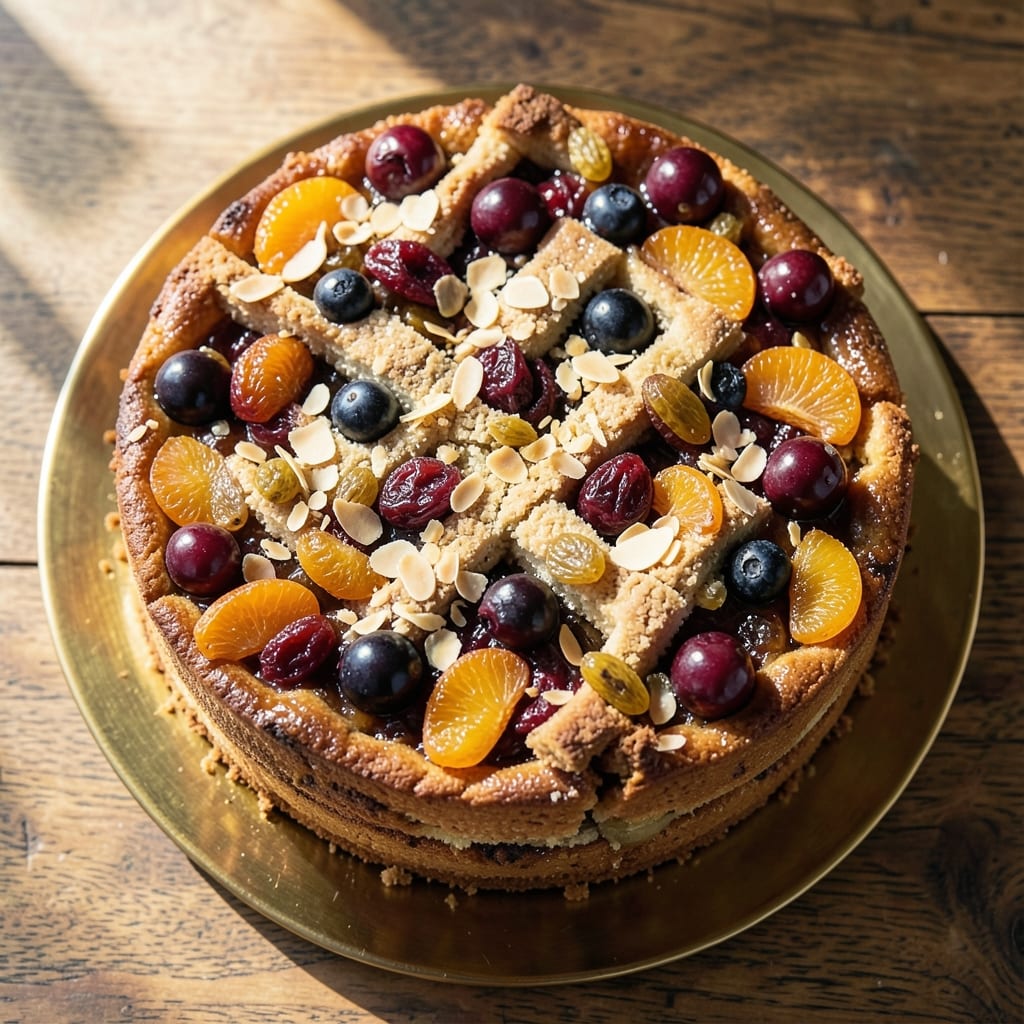
This all-fruit cake recipe delivers a spiced masterpiece that grows richer with every passing week—perfect for holiday gifting or year-round indulgence. The secret lies in soaking dried fruits overnight in brandy, rum, or orange juice, which infuses them with deep, caramelized sweetness while tenderizing their texture. Traditional recipes rely on this slow-marinating technique, but modern adaptations use fruit purees or even vegan substitutions without sacrificing depth.
What sets this cake apart is its layered approach: a moist, spice-infused crumb base (nutmeg, cinnamon, and cloves are non-negotiable) sandwiched between plump, glossy fruit layers. The batter itself is a foolproof blend of flour, sugar, and eggs—no fancy techniques required, just precise measurements and a gentle hand when folding. Most importantly, the cake improves with age, developing a velvety texture and concentrated flavors that make it a showstopper at any table.
Baking at 325°F for 45-50 minutes ensures a golden, crackly top while keeping the interior tender. The finishing touch? A simple glaze of powdered sugar and lemon juice, or a dusting of cocoa powder for contrast. This recipe balances tradition with flexibility—whether you're following a classic family recipe or adapting it for dietary needs, the result is always restaurant-quality at home.
For those with dietary restrictions, swapping butter for coconut oil or using almond flour maintains the cake's signature moisture and depth. The key to success? Patience—both in the soaking process and the aging. Let it rest for at least a week before slicing, and you'll understand why this cake is a timeless favorite. Ready to bake?
Ingredients for all fruit cake
These carefully selected ingredients create a spiced masterpiece that deepens in flavor over time.
| Ingredient | Amount | Notes |
|---|---|---|
| Dried Mixed Fruit 🍇 | 2 ½ cups | Chopped, organic preferred |
| Brandy or Rum 🍷 | 1 cup | For soaking fruit overnight |
| All-Purpose Flour 🌾 | 3 ½ cups | Sifted for even texture |
| Granulated Sugar 🍚 | 2 cups | Superfine preferred |
| Light Brown Sugar 🍚 | ½ cup | Packed for moisture |
| Unsalted Butter 🧈 | 1 cup | Cold, cubed for creaming |
| Large Eggs 🥚 | 4 whole | Room temperature |
| Ground Cinnamon 🌿 | 2 tsp | Freshly ground preferred |
| Ground Nutmeg 🌿 | 1 tsp | Freshly grated |
| Ground Cloves 🌿 | ½ tsp | Whole cloves crushed |
| Orange Juice 🍊 | ½ cup | Freshly squeezed alternative |
| Powdered Sugar 🍚 | 1 cup | For glaze |
| Lemon Juice 🍋 | 2 tbsp | Freshly squeezed |
| Cocoa Powder 🍫 | 2 tbsp | For optional dusting |
| Vanilla Extract 🌸 | 1 tbsp | Pure, high-quality |
The dried fruit is the heart of this cake, so organic or high-quality brands like Anthony's Goods or Whole Foods bulk bins ensure superior texture and flavor. For the brandy or rum, Kahlúa or Captain Morgan** work perfectly, but any aged spirit with depth will do. The spices—cinnamon, nutmeg, and cloves—should be freshly ground or whole for maximum aroma. If you're using whole spices, toast them lightly in a dry pan before grinding to enhance their flavor. The butter must be cold and cubed when creamed to achieve the perfect light texture, and always use European-style butter like Plugrá for richer flavor. For the fruit soak, if you prefer not to use alcohol, orange juice or apple juice** works beautifully, though it won't caramelize as deeply over time.
No brandy? Substitute with apple cider or extra orange juice—just reduce the liquid by 2 tbsp to maintain balance. For a vegan adaptation, replace the butter with coconut oil (use the same amount) and swap eggs for flax eggs (1 tbsp ground flaxseed + 3 tbsp water per egg). The spices can be adjusted to taste—reduce cloves by half** if you're sensitive to their intensity. For the glaze, if powdered sugar isn't available, blend granulated sugar into a fine powder using a food processor. The vanilla extract should be pure, not imitation—Madagascar bourbon vanilla is ideal. If you're baking ahead, the cake improves with age, so let it rest for at least a week before slicing for optimal texture and flavor development.
Store the cake in an airtight container at room temperature for up to 2 weeks, or refrigerate for 3 months for longer shelf life. The glaze can be made up to 3 days in advance** and stored in the fridge. For gifting, wrap individual slices in parchment paper and tie with twine for a rustic touch. The cake freezes beautifully—wrap tightly in plastic wrap and foil, then freeze for up to 6 months. To reheat, warm slices at 300°F for 5-10 minutes** to restore moisture. The flavors truly shine when served slightly warmed, making it perfect for holiday gatherings or spontaneous treats.
Why You'll Love This Recipe
- No Chopping Needed: The dried fruit does all the work—just soak it overnight (or even a few hours) and mix. No peeling, dicing, or messy prep; the fruit’s already prepped for you.
- Boozy Magic Happens: That brandy or rum isn’t just for show—it steeps into the fruit overnight, turning it into a sticky, fragrant jam. One sniff of the batter and you’ll know why it’s worth the wait.
- Holiday or Snack Attack: Slice it thin for tea parties or serve thick for holiday gifts—it keeps for months in the pantry. Honestly, I’ve given away jars of this cake years later, and it’s still moist.
- Pantry Staple Power: Flour, sugar, and fruit you already have? Check. No specialty ingredients, no last-minute grocery runs. Between us, this cake is my go-to when I’m broke but still want something impressive.
Step-by-step instructions for all-fruit cake
Mastering this classic requires patience and precision—every step builds the cake's signature depth.
Soak the Dried Fruit Overnight
Combine the 2.5 cups dried mixed fruit with the 1 cup brandy or rum in a bowl and mix gently to distribute. Cover tightly with plastic wrap and refrigerate for at least 12 hours (I prefer 24 hours for maximum flavor infusion). This soaking process hydrates the fruit and allows the alcohol to penetrate, creating a moist, flavorful base.
Real talk: Don't skip this step. The fruit must be thoroughly saturated—when you drain it, it should feel plump and juicy. If you're short on time, you can soak for 4 hours in warm water with 1 tablespoon orange juice, but the flavor won't be as rich. The alcohol is what makes this cake truly exceptional over time.
Cream Butter and Sugars Together
In a stand mixer fitted with the paddle attachment, beat the 1 cup cold unsalted butter with the 2 cups granulated sugar and 0.5 cup light brown sugar on medium speed for 3-4 minutes. The mixture should become light and fluffy, nearly doubling in volume. This creaming process incorporates air, which helps create the cake's signature tender crumb.
Here's the thing—don't rush this step. You're looking for a pale, ribbony texture that scrapes the sides of the bowl. If the butter isn't cold enough, you'll end up with a dense cake. I always test the butter by pressing my finger into it; if it leaves an indentation, it's ready. If it feels too soft, chill the mixture for 15 minutes before proceeding.
Add Eggs and Spices Gradually
Add the 4 whole large eggs, one at a time, mixing on low speed after each addition until fully incorporated. Then add the 1 tbsp vanilla extract, 0.5 cup orange juice, 2 tsp ground cinnamon, 1 tsp ground nutmeg, and 0.5 tsp ground cloves, mixing just until combined. Be careful not to overmix—the batter should be smooth but still slightly streaky with flour.
This is where the spices come alive. The warm cinnamon and nutmeg create a cozy aroma, while the cloves add depth that develops beautifully over time. I like to press my finger into the batter to check consistency—it should hold its shape but still be pourable. If it's too thick, add 1 tablespoon orange juice to loosen it.
Combine Dry Ingredients and Fruit
In a separate bowl, whisk together the 3.5 cups all-purpose flour. Gradually add the dry flour to the wet mixture, mixing on low speed just until combined. Drain the soaked fruit, reserving any liquid, and fold it into the batter along with the reserved liquid. The batter will be thick and sticky—this is normal and essential for the cake's moist texture.
Don't be tempted to add extra flour to make the batter easier to handle. The fruit needs that moisture to stay juicy as the cake ages. If the batter seems too thick, you can add 1-2 tablespoons orange juice to help it come together. The key is gentle folding to maintain air pockets in the batter.
Bake and Age for Optimal Flavor
Preheat your oven to 325°F and grease two 9-inch round cake pans or one 9x13-inch baking pan. Pour the batter evenly into the prepared pan(s) and bake for 50-60 minutes (or 35-45 minutes for the 9x13-inch pan) until a toothpick inserted into the center comes out clean. The cake should have a deep golden color on top.
This cake is magical when aged. After baking, let it cool completely in the pan, then wrap tightly in plastic wrap and store at room temperature for at least 2 weeks (I prefer 4-6 weeks). The flavors deepen and intensify with time, creating a rich, complex profile that's unmatched by freshly baked fruit cakes. For serving, dust with 1 cup powdered sugar mixed with 2 tbsp cocoa powder and a splash of lemon juice for a glossy finish.
Pro Tips For Making All Fruit Cake
- SOAK FRUIT OVERNIGHT: I learned this the hard way—rushing the fruit soak leaves it dry and chewy, not plump and juicy. Use 1 cup brandy or rum per pound of dried fruit, let it sit in a sealed container for at least 12 hours (24 is ideal). If you’re short on time, microwave the fruit with ¼ cup liquid in 30-second bursts, but it won’t taste the same.
- BAKE LOW AND SLOW: Fruit cake needs patience—skip the 350°F rush. Bake at 300°F for 3–4 hours, then drop to 250°F until the center hits 190°F. The slow cook guarantees even moisture without burning the top. (Yes, it’ll take longer, but your cake won’t be a brick.)
- STORE BOUGHT DRY FRUIT: Cheap dried fruit tastes like sawdust. Splurge on brands like St. Morales or Meridian—soak them in warm tea (Earl Grey or chai) with a splash of citrus juice for 2 hours before mixing. The extra effort makes the texture rich, not gritty.
- WEIGH YOUR FRUIT: Packed cups lie—dried fruit volume varies wildly. Weigh it out (about 12–14 oz per pound of flour) for consistency. I was skeptical until I tried it: the cake’s density becomes predictable, and you won’t end up with a fruit-heavy mess. (Your scale is your new best friend.)
Troubleshooting great all fruit cake
Fruit Not Plumping
If your dried fruit stays dry and hard after soaking, it’s likely not absorbing enough liquid. The key is using warm liquid—try soaking in hot (not boiling) orange juice or tea for 4 hours instead of alcohol. For stubbornly dry fruit, add 1 tablespoon honey to the soaking liquid to help break down fibers. I’ve found Whole Foods bulk dried apricots soak up liquid best due to their texture. 🍊
Cake Too Dense
A dense cake usually means overmixing or insufficient creaming. Start by ensuring your butter is cold—press your finger into it; if it leaves an indentation, it’s ready. Cream the butter and sugars on medium speed for exactly 3-4 minutes—no longer! If the batter still feels too thick, add 1 tablespoon orange juice at a time until it reaches a thick, pourable consistency. Overmixing develops gluten, which makes the cake tough. 🥄
Uneven Baking
Uneven baking often happens when the oven isn’t properly calibrated. Place an oven thermometer inside before preheating to confirm it’s at 325°F. If your cake browns too quickly on top, tent it loosely with foil after 20 minutes. For a 9x13-inch pan, reduce baking time to 35-45 minutes—larger pans bake faster. Rotate the pan halfway through if your oven has hot spots. A dark-colored pan can cause faster browning, so use a light-colored one if available. 🔥
Alcohol Smell Lingers
If your cake smells strongly of brandy or rum, the soaking time was too short. Extend the soak to 24 hours and use a higher-proof spirit (like 80-proof rum) for deeper infusion. To neutralize any lingering alcohol taste, add 1 extra teaspoon of vanilla extract to the batter. For a non-alcoholic version, soak fruit in orange juice + 1 tablespoon honey for 12 hours—this mimics the caramelization effect. 🍷
Cracks on Top
Cracks are normal but can be minimized by avoiding overbaking. Remove the cake from the oven when a toothpick comes out with moist crumbs (not wet batter). If cracks appear, they’re usually superficial—just dust with extra powdered sugar glaze to camouflage them. For a smoother top, bake in a water bath: Place the cake pan in a larger roasting pan filled with 1 inch of hot water during the last 20 minutes of baking. This creates steam for an even rise. 💫
Dry Texture After Baking
Dryness often means the cake wasn’t aged properly. Wrap the completely cooled cake tightly in plastic wrap and store at room temperature for at least 2 weeks—the longer it rests, the moister it becomes. If the cake is already dry, slice it and brush the cut surfaces with orange juice or simple syrup (equal parts sugar and water, heated until dissolved). Rewrap and let it sit for 24 hours before serving. For extra moisture, add 1 tablespoon apricot jam to the batter before baking. 💧
Nutrition facts
Frequently asked questions about all-fruit cake
Why does all-fruit cake taste better after aging?
The aging process allows the flavors to meld and intensify. As the cake sits, the moisture redistributes, the spices deepen, and the fruit softens further. The alcohol in the soaked fruit also continues to infuse, creating a richer, more complex taste over time. For best results, wait at least 2 weeks before slicing.
Can I make this cake without alcohol?
Replace the brandy or rum with orange juice + 1 tablespoon honey or apple cider for soaking. Soak the fruit for 12 hours instead of overnight to prevent excess moisture. The cake will still develop great flavor, though the alcohol helps with long-term aging.
What's the best way to store leftover all-fruit cake?
Wrap the completely cooled cake tightly in plastic wrap and store at room temperature for up to 2 weeks. For longer storage, refrigerate for 3 months or freeze for 6 months. To revive dried slices, brush with orange juice or simple syrup and rewrap. The flavors actually improve with time!
How do I prevent my cake from cracking on top?
Cracks are normal but can be minimized by avoiding overbaking. Remove the cake when a toothpick comes out with moist crumbs. For a smoother top, bake in a water bath (place the pan in a roasting pan with 1 inch of hot water) during the last 20 minutes. If cracks appear, simply dust with extra powdered sugar glaze.
What's the difference between this cake and traditional fruitcake?
This recipe focuses on all dried fruit with no fresh fruit or nuts, creating a denser, spice-forward texture. Traditional fruitcake often includes candied fruit, nuts, and sometimes marzipan. The aging process here emphasizes fruit infusion rather than layering, resulting in a moister, more uniform crumb.