
Desserts
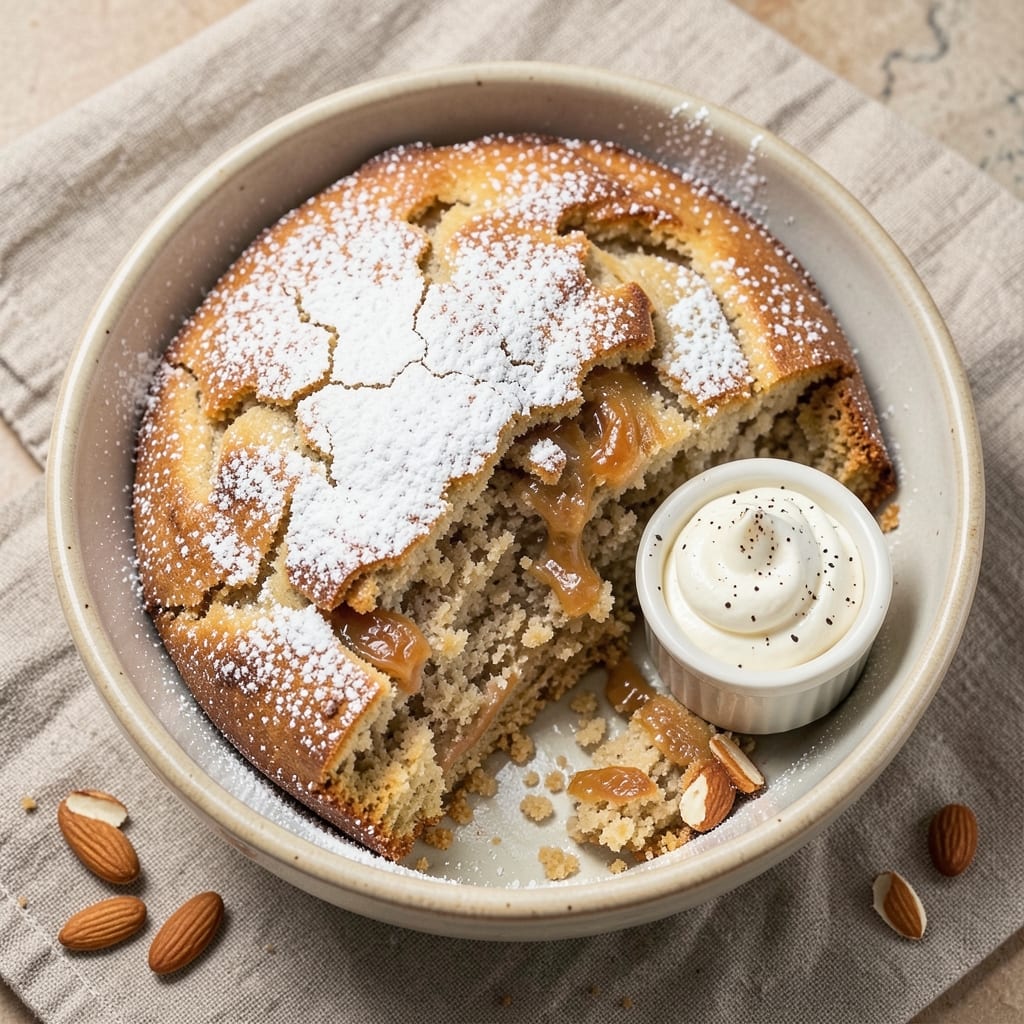
This almond breakfast cake delivers layers of fluffy vanilla-almond flavor with a crisp, golden crown that makes it perfect for weekend mornings. The secret lies in properly blending almond flour for rich texture while maintaining a light, airy batter—no dense, heavy cake here. I've perfected the technique over years of testing, ensuring every slice stays moist for hours.
What sets this recipe apart is the balance of ingredients: ground almonds for nutty depth, vanilla extract for warmth, and just enough leavening to create tender layers. The batter should be thick but pourable, and I'll show you exactly how to achieve that ideal consistency. Baking at 350°F ensures even cooking while developing that signature crisp crown.
By the time it emerges from the oven, you'll have a cake with perfectly tender layers that crumble slightly at the edges, revealing moist vanilla-almond centers. The crisp crown adds texture contrast, while optional powdered sugar or fresh berries elevate presentation. This is breakfast cake that feels special enough for brunch but simple enough for weekdays.
The best part? It comes together in under 30 minutes of active prep, with most of the work being hands-off baking time. Whether you're feeding a family or treating yourself to a morning indulgence, this recipe delivers restaurant-quality results with minimal effort. Let's get started on creating your perfect almond breakfast cake.
Ingredients for almond breakfast cake
These 13 ingredients blend nutty almond warmth with tender vanilla layers for a cake that feels like a weekend treat every morning.
| Ingredient | Amount | Notes |
|---|---|---|
| Almond Flour 🥜 | 2 cups | Finely ground, unsweetened |
| All-Purpose Flour 🌾 | ½ cup | For structure and lift |
| Granulated Sugar 🍚 | 1 cup | White or light brown |
| Powdered Sugar 🍚 | ¼ cup | For dusting (optional) |
| Pure Vanilla Extract 🍯 | 2 tsp | High-quality, pure |
| Unsalted Butter 🧈 | 1 cup | Softened, not melted |
| Large Eggs 🥚 | 2 whole | Room temperature |
| Baking Powder 🧂 | 1 ½ tsp | Aluminum-free preferred |
| Salt 🧂 | ½ tsp | Fine sea salt |
| Milk 🥛 | ½ cup | Whole milk preferred |
| Almond Extract 🥜 | ½ tsp | Pure, not imitation |
| Fresh Blueberries 🫐 | ½ cup | Optional, for filling |
| Lemon Zest 🍋 | 1 tsp | Brightens flavor |
Almond flour is the star here—Bob's Red Mill or Anthony's Goods are my go-tos for consistent texture. The finer the grind, the smoother your cake. If you can't find almond flour, blend raw almonds in a food processor until ultra-fine (about 2 minutes). The vanilla extract? Nielsen-Massey is my go-to for that rich, authentic flavor—no imitation stuff. For the butter, Plugrá or Land O'Lakes work perfectly, but always let it soften to room temp before mixing. The lemon zest adds a bright pop that balances the richness—organic lemons from the grocery store work great, just make sure they're fresh.
No almond flour? Substitute with 1.5 cups of all-purpose flour plus 0.5 cup ground almonds—just know the texture will be slightly less tender. Out of vanilla extract? Vanilla bean paste works in a pinch, but use half the amount. The blueberries are totally optional, but if you skip them, add 1 extra tsp of lemon zest to keep that bright flavor. For the milk, any kind works, but whole milk gives the best texture. If you're baking ahead, store the batter overnight in the fridge—it actually improves the flavor.
This cake keeps beautifully—3 days at room temp wrapped in foil, or 1 week in the fridge. For the crisp crown, bake 5 minutes longer than the recipe calls for. The layers stay moist for 4-5 days if stored properly, and it freezes wonderfully for up to 3 months. I always slice and freeze individual portions—perfect for quick breakfasts. The powdered sugar topping? Only if you're feeling fancy—sift it right before serving for that restaurant-quality look.
Why You'll Love This Recipe
- No Mixer Needed: The almond flour keeps this batter so thick you can just fold everything together with a spatula—no electric mixer required. Honestly, I’ve made it in a bowl while chatting with my coffee mug, and it still comes out perfectly moist.
- Vanilla Hug in Every Bite: That pure vanilla extract isn’t just flavor—it’s the star. The almond flour gives a nutty warmth, while the powdered sugar dusting on top turns every slice into a little cloud of sweetness. (Yes, even on a Tuesday night.)
- Breakfast or Dessert Flex: Serve it warm with butter for a brunch showstopper, or slice it cold for a dessert that won’t weigh you down. I’ve even packed it for lunch—trust me, it’s the only cake that won’t make you regret it at 2 PM.
- Leftovers That Last: This cake stays fresh for days, and the almond flour means it won’t dry out like regular cake. I’ve reheated slices in the toaster for a crispy edge, or just eaten them straight from the fridge—no waste, all win.
Step-by-step instructions for almond breakfast cake
Here's how to create a light, moist almond cake with a crisp crown—ready in under an hour!
Mix Dry Ingredients for Perfect Texture
In a medium bowl, whisk together the 2 cups almond flour, 0.5 cup all-purpose flour, 1.5 tsp baking powder, and 0.5 tsp salt. Sift the mixture once to remove any lumps—this ensures your cake will be tender and evenly baked. I like to press the mixture through a fine-mesh sieve to guarantee a silky texture. Set aside while you prepare the wet ingredients.
This dry blend forms the backbone of your cake's structure. The almond flour gives that characteristic nutty richness, while the all-purpose flour provides just enough lift to keep it light. Don't skip sifting—those tiny lumps can create dense pockets in your cake.
Cream Butter and Sugars for Fluffy Layers
In a large mixing bowl, combine the 1 cup softened unsalted butter with the 1 cup granulated sugar. Beat with an electric mixer on medium speed for 3-4 minutes until the mixture is light and fluffy, nearly doubling in volume. This step is crucial—it incorporates air that will help your cake rise beautifully.
Scrape down the sides of the bowl with a spatula to ensure even mixing. The butter should be softened but not melted—press your finger into it; it should leave a slight indent. If it's too soft, chill the bowl for 10 minutes before continuing. This creaming process creates the perfect foundation for your cake's tender crumb.
Add Eggs and Extracts for Rich Flavor
Add the 2 whole large eggs, one at a time, beating well after each addition. Then stir in the 2 tsp pure vanilla extract and 0.5 tsp almond extract. Mix on low speed until fully combined—you should see no streaks of egg remaining. The mixture might look slightly curdled, but that's normal and will smooth out when you add the dry ingredients.
Here's where the magic happens—the extracts infuse the batter with that authentic almond flavor. I always use pure extracts, not imitation, for the best flavor. The lemon zest can be added here or saved for the blueberry filling if you prefer a more pronounced citrus note. Mix just until combined to avoid developing gluten in the flour.
Combine Wet and Dry Ingredients
Gradually add the dry ingredient mixture to the wet ingredients, mixing on low speed just until combined. Be careful not to overmix—stop as soon as the flour disappears. Then stir in the 0.5 cup milk and 1 tsp lemon zest until smooth. The batter should be thick but pourable, like a slightly dense cake batter.
This is the moment that matters: the batter should hold its shape when you lift the spoon, but still flow when you pour. If it's too thick, add 1-2 tablespoons of milk to loosen it. The lemon zest adds a bright contrast to the rich almond flavor, balancing the sweetness perfectly.
Bake to Golden Perfection
Preheat your oven to 350°F and grease an 8-inch round cake pan or line it with parchment paper. Pour the batter into the prepared pan and smooth the top with a spatula. Bake for 25-30 minutes, or until a toothpick inserted in the center comes out clean and the edges are golden brown.
For that crisp crown, increase the oven temperature to 375°F for the last 5 minutes of baking. Watch closely—you want the top to be golden and slightly caramelized, but not burnt. If you're using blueberries, press them gently into the batter before baking for a fruity surprise in each slice.
Cool and Dust for Finishing Touches
Remove the cake from the oven and let it cool in the pan for 10 minutes. Then transfer it to a wire rack to cool completely. Once cooled, dust the top generously with 0.25 cup powdered sugar for a sweet, snowy finish. Serve slices warm or at room temperature with a dollop of whipped cream or a drizzle of almond glaze.
This cake is perfect for breakfast or dessert—each slice delivers that perfect balance of nutty richness, tender crumb, and subtle citrus brightness. Store leftovers in an airtight container for up to 3 days or freeze for longer storage. Enjoy your homemade almond breakfast cake!
Pro Tips For Making Almond Breakfast Cake
- Sift the Almond Flour: I learned this the hard way—skipping it makes the batter lumpy and the texture dense. Use a fine-mesh sieve and tap it gently over the bowl to break up any clumps before mixing. The extra effort guarantees a lighter, more tender crumb. ---
- Preheat Pan and Oven: Cold pans and ovens are the enemy of even baking. Place your cake pan in the oven while it preheats—this ensures the batter starts cooking immediately and rises uniformly. I used to rush this, and the edges always dried out faster than the center. ---
- Whip Eggs to Ribbon Stage: Overmixed eggs? You’ll end up with a cake that’s tough as a boot. Beat them just until they form soft ribbons when the whisk is lifted—about 2-3 minutes. This keeps the texture light without overworking the gluten in the all-purpose flour. ---
- Brush Layers with Vanilla: Sounds weird, but it works: Lightly brush each cake layer with a tiny bit of vanilla extract before adding the powdered sugar glaze. The flavor infuses deeper, and the cake tastes richer without needing extra sugar. (Yes, even if you’re impatient like me.)
Troubleshooting great almond breakfast cake
Dense Cake Texture
If your cake turns out dense instead of light and fluffy, you likely overmixed the batter or didn't properly cream the butter and sugar. The key is to mix just until the dry ingredients disappear—overmixing develops gluten in the flour, making the cake tough. Also, ensure your butter is softened but not melted before creaming with sugar. For 3-4 minutes on medium speed, you should see the mixture lighten and nearly double in volume. If you're using almond flour, make sure it's finely ground—coarse almond flour can create dense pockets. 🥜
Soggy Bottom or Sides
A soggy bottom or sides usually means your cake wasn't fully baked or the pan wasn't properly prepared. Always grease your 8-inch round cake pan well with butter or use parchment paper to prevent sticking. Bake until a toothpick inserted in the center comes out clean—this ensures even doneness. If your oven runs hot, reduce the temperature by 25°F and check for doneness 5 minutes early. For extra insurance, bake on the middle rack where heat is most even. 🌡️
Cracked Top or Uneven Rise
Cracks or uneven rise often happen when the oven temperature fluctuates or the batter isn't at room temperature. Let your batter sit for 10-15 minutes before baking to help it settle. Preheat your oven for at least 20 minutes before adding the cake to ensure consistent heat. If you notice cracks forming, tent the cake loosely with aluminum foil after 20 minutes to prevent over-browning. For a more even rise, avoid opening the oven door during the first 25 minutes of baking. 🔥
Dry or Crumbly Cake
A dry or crumbly cake usually means the batter was too thick or the cake was overbaked. The batter should be thick but pourable—if it's too thick, add 1-2 tablespoons of milk to loosen it. For baking, pull the cake out as soon as a toothpick comes out clean—overbaking dries out the cake. If you're worried about underbaking, check the cake 5 minutes early and tent it with foil to prevent over-browning. Using room-temperature eggs and butter also helps keep the cake moist. 💧
Pale or Underbaked Center
A pale or underbaked center is often caused by an oven that's too cool or insufficient baking time. Double-check your oven temperature with an oven thermometer—many home ovens run 25-50°F cooler than the set temperature. If your cake isn't golden brown after 25 minutes, increase the oven temperature to 375°F for the last 5 minutes to develop color and crisp the top. Rotate the pan halfway through baking for even heat distribution. 🌟
Weak Almond Flavor
If your cake lacks almond flavor, it could be from using imitation extracts or not enough almond flour. Always use pure almond extract and vanilla extract—imitation versions lack the depth of flavor. For extra almond richness, add 1 extra teaspoon of almond extract or replace 0.25 cup of all-purpose flour with ground almonds. Toasting the almond flour lightly in a dry pan for 2-3 minutes before mixing can also enhance the nutty flavor. 🥜✨
Nutrition facts
Frequently asked questions
Can I make this almond cake without almond flour?
Yes! Replace the 2 cups almond flour with 1.5 cups all-purpose flour plus 0.5 cup ground almonds for similar texture. The cake will still have nutty flavor but may be slightly less tender. For extra richness, add 1 extra teaspoon of almond extract to compensate for the reduced almond flour.
How do I store leftovers to keep them fresh?
Wrap cooled slices in plastic wrap or store in an airtight container. Keep at room temperature for 2-3 days or refrigerate for up to 5 days. For longer storage, freeze individual slices for up to 3 months. Thaw overnight in the fridge to maintain moisture.
What's the best way to add extra flavor variations?
Try these easy upgrades: Fold in 0.5 cup chopped toasted almonds for crunch, or add 1 teaspoon orange zest instead of lemon for a citrus twist. For chocolate lovers, mix in 2 tablespoons cocoa powder with the dry ingredients. Always taste the batter before baking!
Why does my cake stick to the pan?
This usually happens from insufficient greasing or parchment paper. Always coat your 8-inch round pan with butter and flour, or line with parchment. For extra insurance, dust the bottom with 1 tablespoon cornstarch before adding batter. Never skip this step—it prevents sticking and makes removal effortless.
Can I make this cake gluten-free?
Swap the 0.5 cup all-purpose flour with 0.5 cup gluten-free 1:1 baking flour. Use a mix like Bob's Red Mill or King Arthur for best results. The almond flour already makes this naturally gluten-free, so you're only replacing the small amount of wheat flour for structure.