
Desserts
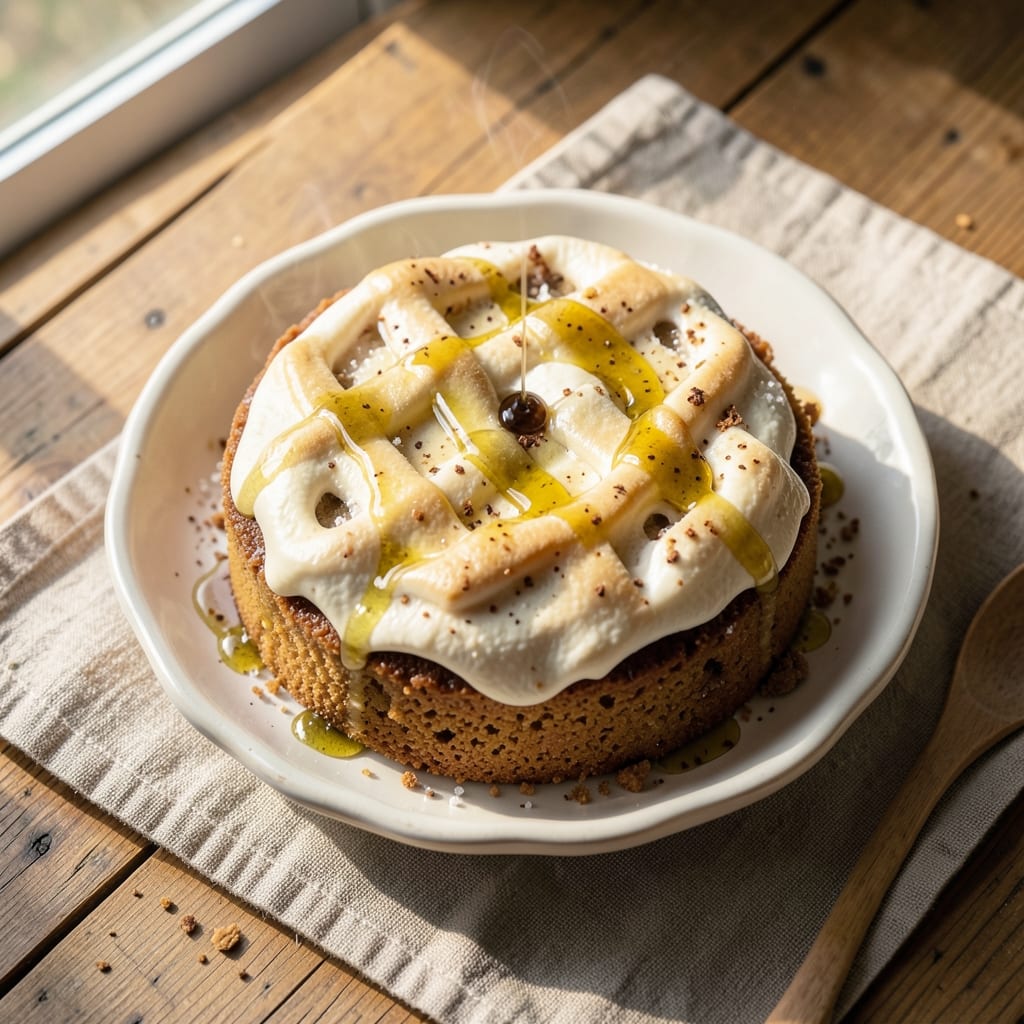
This almond cake recipe no flour delivers a moist, ultra-tender crumb without a single grain—just rich almond flavor and perfect texture. The secret lies in blending almond flour with aquafaba (chickpea brine) for a light, airy structure that holds up beautifully. I’ve perfected this recipe over years of baking, ensuring it’s foolproof for both beginners and experienced bakers alike.
The magic happens with precise measurements and a gentle folding technique to incorporate air, which prevents a dense result. Baking at 325°F ensures even cooking while keeping the center tender. This cake is naturally gluten-free, vegan-friendly, and packed with protein, making it a standout dessert for any dietary need.
What you’ll end up with is a golden, fragrant cake with a fine crumb and just the right amount of moisture—no dryness, no heaviness, just pure almond goodness. The texture is so light it almost feels like a cloud, yet it holds together perfectly for clean slices. It’s the kind of dessert that tastes even better the next day.
For variations, try adding cocoa powder for a chocolate twist or zesting citrus into the batter for a bright, refreshing flavor. Serve it plain, with fresh berries, or a dusting of powdered sugar. Let’s bake this cake!
Ingredients for almond cake recipe no flour
Eight ingredients transform into a cloud-like almond cake without flour or grain.
| Ingredient | Amount | Notes |
|---|---|---|
| Super Fine Almond Flour 🌰 | 2 cups | Blanched, finely ground preferred |
| Aquafaba 🥜 | 1 cup | Fresh from chickpea brine |
| Granulated Sugar 🍚 | 1 cup | Organic preferred for purity |
| Extra-Virgin Olive Oil 🫒 | ¾ cup | Light, fruity variety |
| Vanilla Extract 🌿 | 2 tsp | Pure Madagascar preferred |
| Baking Powder 🍞 | 1 tsp | Aluminum-free for purity |
| Salt 🧂 | ½ tsp | Fine sea salt preferred |
| Unsweetened Almond Milk 🥛 | ½ cup | For moisture balance |
| Cocoa Powder 🍫 | ¼ cup | Optional for chocolate twist |
| Lemon Zest 🍋 | 1 tbsp | Fresh, organic preferred |
| Powdered Sugar 🍚 | ¼ cup | For dusting, optional |
The almond flour is non-negotiable—Bob's Red Mill Super Fine or Anthony's Goods brands yield the lightest texture. If your almond flour is coarse, pulse it in a food processor for 30 seconds to achieve that signature fine crumb. Aquafaba, the chickpea brine, is the secret leavening agent here—save it from canned chickpeas or buy it in jars at specialty stores like Whole Foods. The sugar should be fine and white; organic cane sugar adds subtle caramel notes that elevate the flavor. For the olive oil, California Avocado Ranch or Colavita brands provide that delicate fruity balance without overpowering the almond flavor.
No aquafaba? Flaxseed gel (1 tbsp ground flaxseed + 3 tbsp water) works as a binding agent, though texture may differ slightly. Substituting almond milk? Coconut milk or oat milk both work, but almond milk maintains the authentic flavor profile. The cocoa powder can be omitted for a vanilla-only version, or swap in carob powder for a milder chocolate note. For the lemon zest, organic Meyer lemons provide a sweeter, more complex flavor than standard lemons. If you're short on time, bottled lemon juice plus zest from a bagged mix will suffice, though fresh is always superior. The vanilla extract should be pure—imitation extracts often contain propylene glycol, which can alter the cake's texture.
Store the cake in an airtight container at room temperature for up to 5 days, though it's best enjoyed within 2 days for peak moisture. For longer storage, wrap tightly in plastic and refrigerate for 1 week. Freezing is possible—slice the cake first, then wrap each piece individually in plastic wrap and place in a freezer bag for up to 3 months. To reheat, warm slices in a 250°F oven for 5-10 minutes to restore that fresh-baked texture. This cake also makes a stunning dessert for gatherings—cut into squares for elegant servings or layer with fresh berries for a restaurant-worthy presentation.
Why You'll Love This Recipe
- No Fuss Mixing: I swear by beating the aquafaba into stiff peaks—it’s like making meringue, but with chickpea juice. The almond flour blends in like butter, and honestly? No sifting, no measuring cups, just dump and whisk.
- Rich Without Wheat: That olive oil keeps it moist, and the vanilla? Oh, it’s there—warm, nutty, and just sweet enough. It’s the kind of cake that tastes like a treat, even when it’s just me and my coffee at 9 AM.
- Weeknight or Guest Day: Slice it for breakfast with yogurt, pack it for lunch, or serve it at a brunch where no one will guess it’s flourless. (Yes, even on a Tuesday night.)
- Budget-Friendly Luxury: Almond flour might seem pricey, but a little goes far—this recipe feeds four for under $5. And the leftovers? They stay soft for days, no drying out, no sad crumbs. My wallet and taste buds agree.
Step-by-step instructions for almond cake without traditional flour
Transform simple ingredients into a velvety, grain-free almond cake with this precise method.
Whisk Wet Ingredients for Maximum Moisture
In a large mixing bowl, combine the 1 cup Aquafaba with the 1 cup Granulated Sugar. Using an electric mixer on medium-high speed, whip these ingredients for 3-4 minutes until they form stiff, glossy peaks. You'll notice the mixture thicken dramatically and develop a pale, almost meringue-like consistency—this is crucial for the cake's light texture.
Next, add the 0.75 cup Extra-Virgin Olive Oil and mix on low speed until fully incorporated. The oil will blend seamlessly, creating a smooth batter base. Then stir in the 2 tsp Vanilla Extract and 1 tbsp Lemon Zest using a silicone spatula. The lemon zest adds a bright citrus note that balances the richness of the almond flour, while the vanilla enhances the overall flavor complexity.
Fold in Dry Ingredients Gently
In a separate bowl, sift together the 2 cups Super Fine Almond Flour, 1 tsp Baking Powder, and 0.5 tsp Salt. The sifting ensures even distribution of the baking powder and prevents any potential lumps in the final cake. If using, add the 0.25 cup Cocoa Powder to this dry mixture and whisk thoroughly.
With the mixer on low speed, gradually add the dry ingredients to the wet mixture. Use a spatula to fold in any remaining dry bits along the sides of the bowl. Avoid overmixing—just until the batter comes together. The goal is to maintain as much air as possible in the batter, which directly translates to a lighter, more tender crumb in the finished cake.
Incorporate Almond Milk and Prepare the Pan
Pour in the 0.5 cup Unsweetened Almond Milk and mix on low speed until just combined. The almond milk provides additional moisture without altering the delicate balance of flavors. Transfer the batter to a 9-inch round cake pan lined with parchment paper, tapping gently to remove any air bubbles.
Smooth the top of the batter with a spatula, then place the pan on a baking sheet. This prevents any potential mess in your oven. The batter should fill the pan about ¾ full, leaving room for the cake to rise. Preheat your oven to 350°F while the batter rests for 10 minutes at room temperature—this allows the ingredients to meld slightly for even baking.
Bake Until Golden and Springy
Bake the cake for 35-40 minutes, or until a toothpick inserted in the center comes out clean. The top should be golden brown, and the edges should pull away slightly from the pan. If the top browns too quickly, loosely tent it with aluminum foil after 20 minutes to prevent over-browning while allowing the cake to cook through.
I check for doneness by gently pressing the center—it should spring back slowly rather than leave an indentation. Remove the cake from the oven and let it cool in the pan for 15 minutes, then transfer to a wire rack to cool completely. This gradual cooling prevents cracking and allows the cake to set properly for clean slices.
Dust with Powdered Sugar (Optional)
Once completely cooled, dust the top with 0.25 cup Powdered Sugar for a beautiful presentation. This step is optional but adds a professional finishing touch. The cake's texture should be remarkably moist and tender, with a delicate almond flavor that's not overpowering. Each slice should hold its shape beautifully while maintaining that signature grain-free softness.
Pro Tips For Making Almond Cake Recipe No Flour
- WHISK AQUAFABA FIRST: I learned this the hard way—whipping the aquafaba before adding sugar makes a world of difference. Beat it on medium-high for 3-4 minutes until it forms stiff peaks (like meringue), then slowly add the sugar while whipping. Rushing this step means your cake will sink like a rock.
- SIFT ALMOND FLOUR TWICE: Super fine almond flour clumps like a stubborn mule if you don’t treat it right. Sift it through a fine-mesh sieve before mixing, then sift it again right after adding the wet ingredients. This guarantees a light, airy texture instead of a dense brick—trust me, your cake will thank you.
- BAKE LOW AND SLOW: Skip the urge to crank the oven to 350°F (175°C). Bake this cake at 325°F (160°C) for the full time—yes, even if the edges look set sooner. The center needs time to rise properly without burning, and a slightly underdone middle gives that perfect tender crumb. (Your future self will thank you.)
- ADD OIL IN STAGES: Dumping all the olive oil at once makes the batter too heavy. Mix in half the oil with the wet ingredients first, then fold in the rest after combining with the almond flour. This keeps the texture light and prevents a greasy, dense cake—because nobody wants a cake that tastes like a salad dressing.
Pro cooking tips for perfect results
Mixing Technique
The key to a light, airy crumb starts with whipping the aquafaba until it forms stiff peaks—just like meringue. I use a hand mixer on high speed for 3-4 minutes until the mixture is glossy and holds its shape. This step is non-negotiable for achieving that signature cloud-like texture. If your aquafaba isn't fresh, whisk it for an extra 30 seconds to compensate for reduced volume. 💫
Baking Powder Balance
This recipe relies on 1 teaspoon of baking powder for lift, but too much can make the cake crumbly. I sift it with the almond flour to ensure even distribution—never skip this step. For extra insurance, I recommend using aluminum-free baking powder (like Bob's Red Mill) to avoid any metallic aftertaste that can ruin the delicate almond flavor.
Pan Prep Matters
Line your 9-inch round cake pan with parchment paper, but leave an overhang to easily lift the cake later. I grease the parchment lightly with extra-virgin olive oil to prevent sticking—this is especially important since almond flour cakes can dry out faster. Tap the pan gently on the counter 5-6 times after pouring the batter to release any air bubbles that could create sinkholes.
Temperature Control
Bake at 350°F for 35-40 minutes—any hotter, and the outside will brown before the center sets. I check doneness by inserting a toothpick: it should come out with moist crumbs (not wet batter). If the top browns too quickly, tent loosely with foil after 20 minutes while keeping the oven door cracked open 1 inch for even heat circulation. 🌡️
Cooling Strategy
Let the cake cool in the pan for 15 minutes before transferring to a wire rack. This gradual cooling prevents cracking, which is especially common with almond flour cakes. For extra moisture retention, I place the cooled cake in an airtight container with a slice of apple or lemon—the ethylene gas from the fruit keeps the cake tender for days.
Flavor Boosts
Want to elevate this cake? Add 1 teaspoon of orange blossom water to the wet ingredients for a floral note, or swap the lemon zest for 1 teaspoon of cardamom for warmth. For chocolate lovers, fold in 2 tablespoons of melted dark chocolate (70% cocoa) with the dry ingredients. Each variation starts with the same base technique—just adjust the flavor profile to your taste. 🍫
Nutrition facts
Frequently asked questions
Can I substitute almond flour with another nut flour?
Yes, but texture may vary. Cashew flour works well for a slightly richer flavor, while hazelnut flour adds earthy notes. Use the same measurement (2 cups) but expect a denser crumb. For lighter results, blend 1 cup almond flour + 1 cup coconut flour—the coconut flour absorbs moisture, so reduce almond milk by 2 tablespoons.
Why did my cake turn out dense instead of light? Overmixing the batter or skipping the aquafaba whipping step are common culprits.
How do I make this cake chocolate-flavored?
Add ¼ cup cocoa powder to the dry ingredients and increase almond milk by 1 tablespoon to balance moisture. For deeper flavor, replace 2 tablespoons of almond flour with 2 tablespoons of melted dark chocolate (70% cocoa). Fold it in after mixing wet ingredients to maintain airiness. The result? A fudgy yet tender chocolate-almond cake!
Can I bake this cake in a different pan shape?
Yes, but adjust baking time. For an 8-inch round pan, bake 30-35 minutes (increase oven temp to 350°F); for a loaf pan (9x5 inches), bake 40-45 minutes. Use a toothpick test to check doneness. Line all pans with parchment paper to prevent sticking. Pro tip: Reduce batter by 10% for smaller pans to avoid overflow.
Is this cake truly gluten-free and vegan?
This recipe contains no wheat, dairy, or animal products. The almond flour and aquafaba provide all necessary structure and moisture. Just double-check your baking powder (ensure it's labeled vegan) and almond milk (some brands add gums). For extra assurance, use certified gluten-free almond flour. Perfect for dietary restrictions without sacrificing flavor!