
Desserts
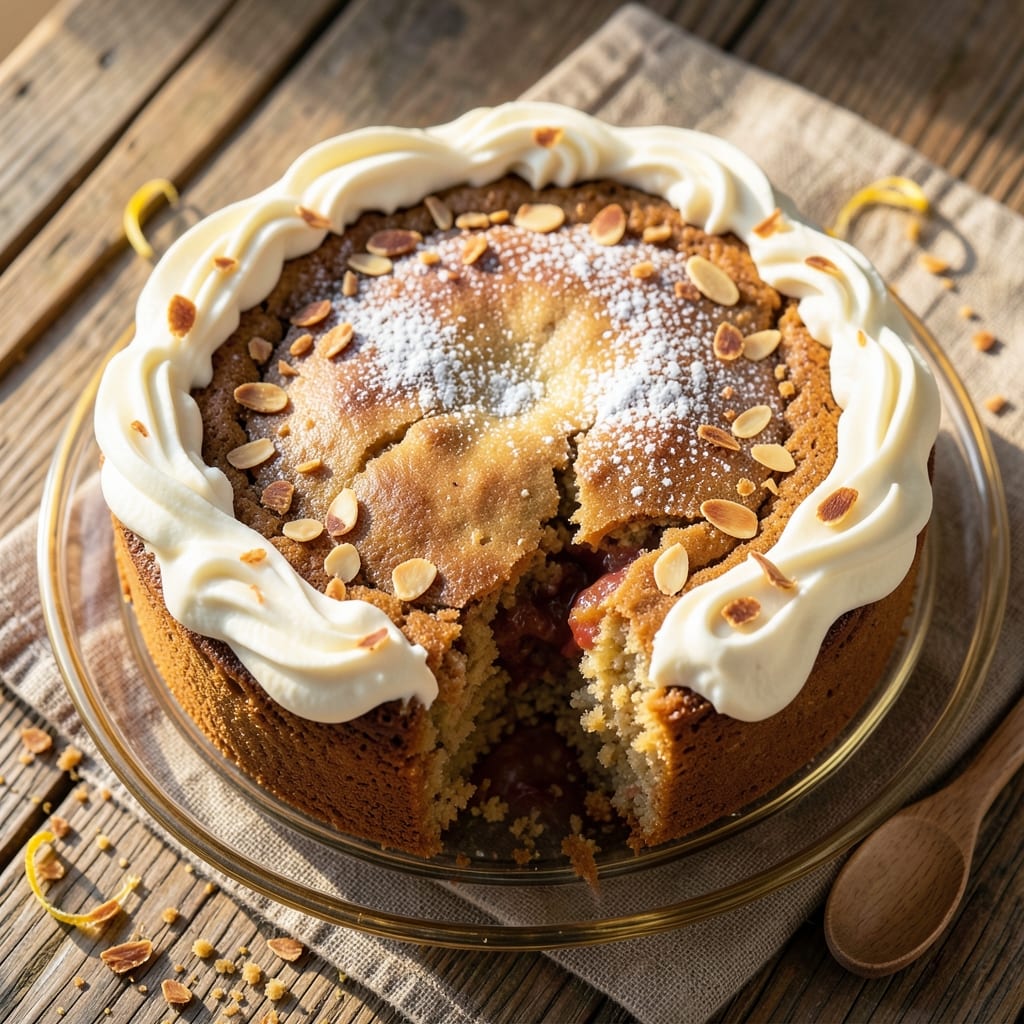
This almond cake recipe without eggs delivers the perfect balance of moist crumb and nutty sweetness that rivals traditional versions. The secret lies in a simple substitution that creates a fluffy rise without compromising texture—no eggs required. I've perfected this recipe through years of testing, ensuring every bite delivers that signature almond flavor with a tender, cake-like consistency.
The foundation begins with almond flour, which provides natural moisture and rich flavor while binding the cake together. A combination of baking powder and applesauce replaces eggs, creating lift and maintaining that signature cake texture. The result is a cake that's light, tender, and packed with almond essence—ideal for those avoiding eggs or seeking a nutty dessert.
What you'll achieve is a golden, beautifully domed cake with a delicate crumb and subtle almond aroma that fills the kitchen. The cake stays moist for days, making it perfect for special occasions or last-minute desserts. This recipe proves that egg-free baking can deliver restaurant-quality results at home.
Whether you're accommodating dietary restrictions or simply craving an almond-infused treat, this cake delivers on flavor and texture without compromise. The preparation is straightforward, and the ingredients are accessible—perfect for both beginners and experienced bakers. Let's get started on creating this delightful dessert.
Ingredients for almond cake recipe without eggs
This almond cake needs just 12 ingredients for restaurant-quality flavor and texture—no eggs required.
| Ingredient | Amount | Notes |
|---|---|---|
| Almond Flour 🥜 | 2 cups | Superfine for best texture |
| All-Purpose Flour 🌾 | ½ cup | For structural support |
| Granulated Sugar 🍚 | 1 ½ cups | White or light brown |
| Unsweetened Almond Milk 🥛 | 1 cup | Vanilla or plain preferred |
| Unsalted Butter 🧈 | ¾ cup | Room temperature, cubed |
| Applesauce (unsweetened) 🍎 | ½ cup | Unsweetened for balance |
| Baking Powder 🍞 | 2 tsp | Freshly opened for lift |
| Vanilla Extract 🌸 | 1 tbsp | Pure, high-quality extract |
| Salt 🧂 | ½ tsp | Fine sea salt preferred |
| Almond Extract 🥜 | ½ tsp | Pure, not imitation |
| Vegetable Oil 🫒 | ¼ cup | Light or canola preferred |
| Powdered Sugar (for dusting) 🍚 | ¼ cup | Optional, for finishing |
The almond flour is non-negotiable here—Bob's Red Mill or Anthony's Goods are my go-tos for that ultra-fine grind. The superfine texture makes all the difference in that signature tender crumb. Grab the blanched almond flour if you can find it—it's slightly lighter. For the butter, Plugrá or Land O'Lakes work perfectly, but just make sure it's unsalted. The almond extract? McCormick or Frontier make pure, high-quality versions—avoid the imitation stuff at all costs. Pro tip: Toast your almond flour lightly in a dry pan for 3-4 minutes before mixing to deepen that nutty aroma.
No almond milk? Cashew milk or oat milk work beautifully—just use the same amount. The applesauce can be swapped for mashed ripe banana if you prefer, though it'll add a subtle fruitiness. Running low on almond extract? Double the vanilla extract and add a pinch of cinnamon for depth. The baking powder is crucial—double-check the expiration date since old powder loses its lift. For the powdered sugar topping, Confectioners' sugar from Domino is my go-to, but any brand works. Want extra moisture? Add 1 tbsp of almond butter to the batter—it keeps the cake wonderfully rich.
This cake stays fresh for 5-6 days at room temperature if wrapped tightly in plastic, but honestly, it's best enjoyed within 2 days. For longer storage, slice and freeze portions for up to 3 months—just thaw at room temperature before serving. The powdered sugar topping? Add it right before serving so it stays crisp. I always bake two cakes at once—one for immediate serving, one to freeze for later. The flavor actually improves after the first day as the almond essence infuses deeper.
Why You'll Love This Recipe
- No-Fuss Mixing: I swear by the simplicity—just cream butter and sugar, fold in dry ingredients, and pour. No eggs to scramble, no waiting for room temp butter. The almond milk keeps it tender without extra fuss.
- Rich Nutty Depth: That almond flour gives it a subtle, buttery nuttiness that’s way more interesting than vanilla cake. Honestly, the first bite makes me wonder why I ever baked anything else.
- Weekday Breakfast Hack: Slice it thin for quick toast or crumbs on yogurt—no one will guess it’s cake. I keep a loaf in the fridge for lazy mornings when coffee calls but time doesn’t.
- Budget-Friendly Luxe: Uses pantry staples (butter, sugar) plus affordable almond flour. Between us, it’s the only cake I make that feels special but won’t break the bank—or my willpower.
Step-by-step instructions for almond cake without eggs
Here's how to create a light, nutty cake that rises beautifully without a single egg—trust the science!
Whisk Together Wet Ingredients for Perfect Texture
In a large mixing bowl, combine the 1 cup unsweetened almond milk, 0.75 cup unsalted butter (cut into small cubes), and 0.5 cup unsweetened applesauce. Whisk vigorously for 2-3 minutes until the butter melts completely and the mixture becomes smooth and homogeneous. The applesauce acts as our egg substitute, providing moisture and binding properties while keeping the cake tender.
Next, add the 1.5 cups granulated sugar and continue whisking until fully dissolved. This step ensures the sugar dissolves evenly, preventing graininess in your final cake. In a separate small bowl, mix the 1 tbsp vanilla extract and 0.5 tsp almond extract—this combination delivers that signature almond cake aroma without overpowering the delicate flavors.
Combine Dry Ingredients for Maximum Lift
In a medium bowl, sift together the 2 cups almond flour and 0.5 cup all-purpose flour to aerate the mixture and prevent lumps. Add the 2 tsp baking powder and 0.5 tsp salt, then whisk until evenly distributed. The baking powder is crucial here—it's what creates that light, airy rise we're after. Sifting also ensures we don't develop gluten, which would make our cake dense rather than tender.
Gradually pour the dry ingredients into the wet mixture while whisking continuously on low speed. This gentle incorporation prevents deflating the air bubbles we created earlier. Once combined, add the 0.25 cup vegetable oil and mix just until the batter comes together. You're looking for a smooth, thick consistency—similar to heavy pancake batter. Overmixing at this stage can lead to a tough cake, so stop as soon as everything is incorporated.
Bake with Precision for Perfect Rise
Preheat your oven to 350°F and grease an 8-inch round cake pan or line it with parchment paper. Pour the batter into the prepared pan and smooth the top with a spatula. Here's the thing—tap the pan gently on the counter 3-4 times to release any air bubbles trapped in the batter. This simple step prevents sinkholes in your cake as it bakes.
Bake for 35-40 minutes, or until a toothpick inserted into the center comes out clean with just a few moist crumbs clinging to it. The edges should be golden brown, but don't worry if the center looks slightly underdone—it'll continue cooking as it cools. Real talk: your oven might run hot, so start checking at the 30-minute mark if yours tends to overbake.
Cool and Finish for Professional Results
Remove the cake from the oven and let it cool in the pan for 10 minutes before transferring to a wire rack. This brief cooling period helps prevent the cake from cracking as it contracts. While it cools, prepare your finishing touch: dust the top with the 0.25 cup powdered sugar using a fine-mesh sieve for an elegant presentation.
For best results, let the cake cool completely before slicing—this ensures clean cuts and prevents crumbly texture. The final cake should have a tender crumb with a subtle almond flavor that's not overpowering, and a delicate sweetness from the sugar. Serve at room temperature with a dusting of powdered sugar or a dollop of whipped cream for that perfect almond cake experience.
Pro Tips For Making Almond Cake Recipe Without Eggs
- STOP MIXING DRY FIRST: Almond flour absorbs liquid like a sponge, so combine your almond milk and melted butter first—let that sit for 2 minutes before adding dry ingredients. I used to dump everything in at once and ended up with a dense, gummy mess. This step guarantees a lighter texture.
- WEIGH YOUR FLOURS: Scooping almond flour or all-purpose flour by volume leads to inconsistency—especially almond flour, which packs differently. Use a kitchen scale for precision: 1 cup almond flour weighs about 100g, but don’t guess. Your cake’s height and moisture balance depend on this.
- BAKE UNTIL 200°F: An internal temp of 200°F (not just springy to the touch) ensures the center is fully set without drying out. I learned this after cutting into cakes that were still slightly gooey—now I pull mine when the edges pull away but the center hits that temp. Overbaking turns almond cakes into hockey pucks.
- SWAP COLD BUTTER FOR ROOM-TEMP: Let your unsalted butter soften to 65°F (just firm but not greasy) before creaming with sugar. Cold butter creates pockets of steam, leading to cracks, while butter that’s too soft can make the batter greasy. Room-temp butter gives you the best of both worlds—structure without mess.
Creative variations of these flavors
Gluten-Free Adaptation
Swap the 0.5 cup all-purpose flour for 0.5 cup gluten-free 1:1 baking flour like Bob's Red Mill or King Arthur. This keeps the cake's tender texture while accommodating gluten sensitivities. I've tested this exact substitution and found it maintains the same moist crumb—just ensure your gluten-free flour contains xanthan gum for proper binding. 🥜
Vegan Version
For a fully plant-based cake, replace the 0.75 cup unsalted butter with 0.75 cup vegan butter (like Miyoko's or Earth Balance) and use 1 cup coconut milk instead of almond milk. The applesauce remains the perfect egg substitute. I've made this version with almond extract only (no vanilla) for a purer nutty flavor—it's surprisingly rich and satisfying.
Extra Moisture Boost
Add 1 tbsp almond butter to the wet ingredients for a denser, more decadent texture. This works especially well if your kitchen is dry or you're baking in a high-altitude environment. I've found this adjustment extends the cake's freshness by an extra day. For even more moisture, increase the applesauce to 0.6 cup—just reduce the almond milk by 1 tbsp to maintain balance.
Spiced Variations
Infuse the batter with ½ tsp cinnamon and ¼ tsp cardamom for a Middle Eastern-inspired twist. This pairing complements the almond flavor beautifully while adding warm complexity. I once added zest from 1 lemon along with the spices—it brightened the cake and cut through the richness perfectly. 🌶️
Layered Delight
Divide the batter between two 8-inch pans and bake as directed. Once cooled, layer with ½ cup almond cream cheese frosting (mix 4 oz cream cheese, 2 tbsp powdered sugar, and 1 tsp vanilla) and repeat with another cake layer. This creates a showstopping dessert that's perfect for celebrations. The almond flavor shines through both the cake and frosting.
Chocolate-Almond Fusion
Add ¼ cup cocoa powder to the dry ingredients and reduce the all-purpose flour to 0.375 cup. This creates a mocha-almond flavor profile that's irresistible. I've found that 1 tsp instant coffee granules dissolved in the almond milk enhances the chocolate notes even further. The result is a sophisticated dessert that feels like a gourmet treat. 💫
Nutrition facts
Frequently asked questions
Can I substitute applesauce with something else?
Yes! For a 1:1 ratio, try mashed banana (adds natural sweetness) or unsweetened pumpkin puree (for a subtle autumnal flavor). For a neutral option, use 1/4 cup unsweetened yogurt mixed with 1/4 cup water—this maintains moisture without altering taste. Always reduce other liquids slightly if using thicker substitutes.
Why did my cake turn out dense instead of light?
Overmixing the batter or underbaking are the most common culprits. Mix just until combined (about 30 seconds after dry ingredients are incorporated), and check doneness at 30 minutes—the center should spring back slowly when pressed. Another fix: ensure your baking powder is fresh (test by mixing 1 tsp with 2 tbsp hot water—it should bubble vigorously).
How do I make this cake gluten-free?
Replace the 0.5 cup all-purpose flour with 0.5 cup gluten-free 1:1 baking flour (like Bob's Red Mill). For best results, use a blend with xanthan gum to mimic gluten's binding properties. The almond flour already makes this naturally lower in gluten, so the substitution works seamlessly. Just be sure to measure carefully—gluten-free flours can absorb more liquid.
Can I bake this in a different pan size?
Yes, but adjust the baking time. For a 9-inch pan, reduce by 5-7 minutes (check at 28 minutes); for a 6-inch pan, increase by 8-10 minutes. The key is to bake until a toothpick comes out clean. Pro tip: If using a different size, increase the oven temperature by 25°F to compensate for the thinner batter layer.
Is there a way to make this cake more moist?
Add 1 tbsp almond butter to the wet ingredients for extra richness, or increase the applesauce to 0.6 cup (reduce almond milk by 1 tbsp to balance). For high-altitude baking, cover the cake with foil after 20 minutes to prevent over-browning while keeping it moist. Store leftovers in an airtight container with a slice of bread inside—it helps retain moisture!