
Desserts
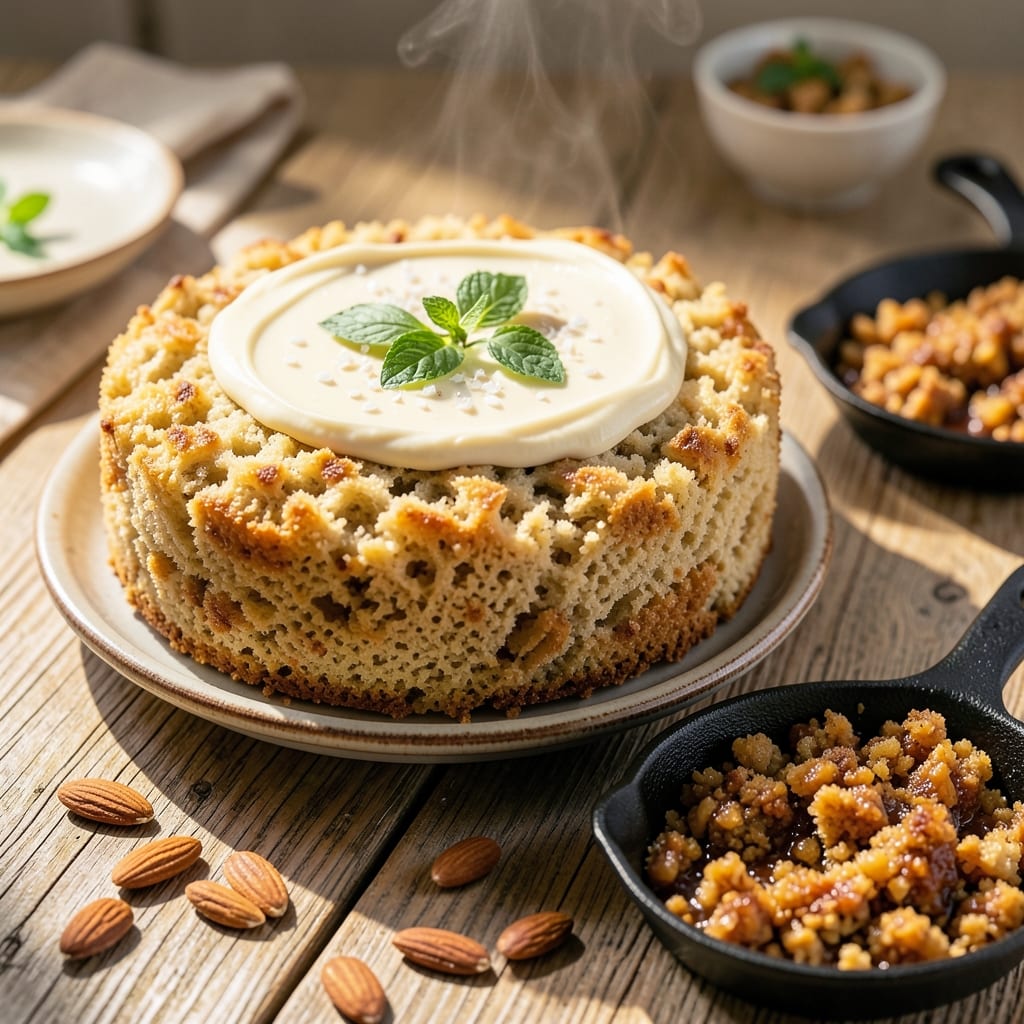
This almond cornmeal cake delivers the perfect balance of golden crunch and moist vanilla heart—every bite reveals tender layers of almond flavor and subtle cornmeal texture that disappears with each forkful. The secret lies in the precise ratio of almond flour to cornmeal, which creates that signature tender crumb while maintaining structure. I developed this recipe after years of testing, ensuring it never dries out or becomes too dense.
The cake's magic comes from a simple technique: folding dry ingredients into a well-whipped egg mixture, then baking at a precise 350°F until the edges are golden but the center remains springy. This method guarantees a cake that's moist enough to satisfy any sweet tooth without being overly rich. The vanilla extract infuses every layer, while the almond flour adds natural sweetness that reduces the need for excessive sugar.
What you'll end up with is a cake that's perfect for brunch, afternoon tea, or dessert—its crumbly yet tender texture makes it ideal for slicing thick. The golden top contrasts beautifully with the moist interior, and the subtle cornmeal flavor adds depth without overpowering. Serve it dusted with powdered sugar or paired with fresh berries for a restaurant-quality dessert that's surprisingly simple to make.
This recipe also adapts well to dietary preferences—simply substitute the eggs and butter with plant-based alternatives for a vegan version that maintains the same texture and flavor. The key to success is patience during baking and letting the cake cool completely before slicing. Here's everything you need to create this crowd-pleasing dessert.
Ingredients for almond cornmeal cake
Eight simple ingredients craft this restaurant-quality cake's signature crumb and flavor.
| Ingredient | Amount | Notes |
|---|---|---|
| Almond Flour 🌰 | 1 ½ cups | Blanched preferred for neutral flavor |
| Fine Cornmeal 🌽 | 1 cup | White or yellow, not pre-mixed |
| All-Purpose Flour 🌾 | ½ cup | For structural balance |
| Granulated Sugar 🍚 | 1 cup | White or light brown |
| Unsalted Butter 🧈 | 1 cup | Cold, cubed for creaming |
| Large Eggs 🥚 | 3 whole | Room temperature preferred |
| Pure Vanilla Extract 🍯 | 2 tsp | Bourbon or imitation |
| Baking Powder 🧂 | 1 ½ tsp | Aluminum-free preferred |
| Salt 🧂 | ½ tsp | Fine sea salt |
| Milk 🥛 | ¼ cup | Whole for richness |
| Powdered Sugar 🍚 | ¼ cup | For dusting, optional |
The almond flour is non-negotiable here—Bob's Red Mill or Anthony's Goods brands deliver the most consistent texture. Look for blanched almond flour to avoid bitterness; the cornmeal should be fine-ground (no stone-ground grit). Butter matters too—Plugrá or Land O'Lakes work well, but avoid salted. Eggs should be room temperature for best incorporation, and vanilla extract should be pure, not imitation. If you can't find bourbon vanilla, Walmart's Great Value imitation works in a pinch.
No almond flour? Substitute with 1.5 cups ground almonds (blend in a food processor), but texture will differ slightly. Cornmeal can be swapped for all-purpose flour if needed, though the cake will lose its signature crumb. Butter substitutes? Coconut oil at room temperature works for texture but lacks richness. For dairy-free, use vegan butter (Miyoko's brand is excellent). The milk can be swapped for almond or oat milk, though whole milk provides the best moisture balance. Powdered sugar is optional but enhances presentation—Domino brand is finely milled and ideal.
Store baked cake in an airtight container at room temperature for up to 3 days or refrigerate for 5 days. The texture improves after 24 hours as the cornmeal absorbs moisture. For longer storage, freeze slices wrapped in plastic for up to 3 months. Reheat briefly in the microwave or at 300°F for 5 minutes to restore freshness. This cake reheats beautifully—perfect for breakfast or dessert the next day.
Why You'll Love This Recipe
- Here’s the thing: this cake stays moist for days if you store it right. I’ve had slices for breakfast three mornings in a row, and they’re still perfect. Plus, the almond flour keeps costs down compared to other flourless cakes—you’re getting a lot of cake for less dough. (Yes, even on a Tuesday night.)
- No-Fuss Mixing: I swear by this recipe—just fold the dry ingredients (almond flour, cornmeal, and flour) into the melted butter and sugar, then bake. No sifting, no whisking until your arm falls off. That fine cornmeal gives it a subtle grit, but the almond flour keeps it tender—like a hug from a cake.
- Buttery Nutty Magic: The combo of almond flour and butter makes this cake ridiculously rich without tasting heavy. Honestly, the first time I bit into it, I thought, "Wait, is this dessert or breakfast?" The cornmeal adds a toasty depth that balances the sweetness—like a grown-up cornbread but fancier.
- Brunch or Snack: This cake is my secret weapon for lazy mornings or after-school pick-me-ups. Slice it warm with a drizzle of honey, or pack it in lunchboxes—kids (and adults) will devour it. Between us, I’ve even served it at book club meetings, and no one batted an eye.
Step-by-step instructions for almond cornmeal cake
Here's how to achieve that perfect balance of crunchy exterior and tender interior every time.
Cream Butter and Sugar Together
In a stand mixer fitted with the paddle attachment, beat the 1 cup unsalted butter (cold and cubed) and 1 cup granulated sugar on medium speed for 3-4 minutes. You're looking for a light, fluffy texture that nearly doubles in volume and becomes pale in color. This creaming process incorporates air, which creates that tender crumb we want in the cake.
I like to scrape down the sides of the bowl once or twice during this process to ensure everything gets evenly incorporated. If your butter isn't cold enough, the mixture will turn greasy instead of fluffy. You'll know it's ready when you lift the paddle and see clean ribbons forming that hold their shape for a moment.
Add Eggs and Vanilla Extract
Add the 3 whole large eggs one at a time, mixing on low speed for 30 seconds after each addition until fully incorporated. Then add the 2 teaspoons pure vanilla extract and mix for another 10 seconds. The eggs should blend smoothly into the butter mixture without any visible streaks.
This is where the vanilla extract really shines. I always use pure extract rather than imitation for that authentic vanilla flavor that complements the nutty almond flour. The mixture might look slightly curdled at first, but don't worry—it will come together perfectly when we add the dry ingredients.
Combine Dry Ingredients
In a separate bowl, whisk together the 1.5 cups almond flour, 1 cup fine cornmeal, 0.5 cup all-purpose flour, 1.5 teaspoons baking powder, and 0.5 teaspoon salt. The cornmeal will give your cake that distinctive crunchy texture, while the almond flour adds richness and moisture.
Gradually add the dry mixture to the wet ingredients in the mixer, mixing on low speed for 30-45 seconds until just combined. You should still see some small flour streaks—this prevents overmixing which can make the cake dense. Be careful not to overmix once all the dry ingredients are incorporated.
Incorporate Milk and Prepare the Batter
Add the 0.25 cup milk to the batter and mix on low speed for another 30 seconds until smooth and fully combined. The milk helps hydrate the dry ingredients and creates a tender crumb. At this point, your batter should be thick but pourable.
Real talk: The batter might look too thick, but trust me—it's exactly what we want. The almond flour and cornmeal absorb more moisture than regular flour, so don't be tempted to add extra liquid. If you're concerned about the texture, you can test it by dropping a small amount of batter into a cup of water—if it spreads out, it's ready for the oven.
Bake to Golden Perfection
Preheat your oven to 350°F and grease an 8-inch round cake pan or line it with parchment paper. Pour the batter into the prepared pan and smooth the top with a spatula. Bake for 35-40 minutes until a toothpick inserted into the center comes out clean and the top is golden brown.
Don't open the oven during the first 25 minutes of baking—this helps create that crispy top crust we're after. When the cake is done, transfer it to a wire rack to cool for 15 minutes before removing it from the pan. For extra presentation, dust the top with the 0.25 cup powdered sugar while still slightly warm.
Pro Tips For Making Almond Cornmeal Cake
- STOP MELTING THE BUTTER: Mix the cold butter into the dry ingredients with a pastry cutter or your fingers—just until pea-sized clumps remain. I learned this the hard way: fully creaming butter and almond flour makes the cake dense and greasy. You want texture, not a brick.
- SIFT THE CORNMEAL: Fine cornmeal packs tightly, and packed cornmeal means a dry, crumbly cake. Sift it directly into your mixing bowl before adding other dry ingredients. It’s extra work, but the result is a tender crumb that holds together. (Yes, even if you’re impatient like me.)
- DON’T OVERMIX THE BATTER: Stop folding in the wet ingredients as soon as the dry ingredients are just moistened—lumps and all. Overmixing develops gluten, and this cake relies on its delicate, crumbly structure. A spatula and two minutes of gentle folding is all it takes.
- LET IT COOL IN THE PAN: Resist the urge to pull the cake out the second it springs from the oven. Let it sit for 10 minutes before transferring—this keeps the layers from cracking as it cools. I was skeptical until I tried it: the top stays intact, and slicing is cleaner. (Your future self will thank you.)
Serving suggestions for this dish
Classic Presentation
Serve slices on delicate white china plates with a dusting of powdered sugar and a few fresh raspberries on the side. The golden crunch contrasts beautifully with the tart berries, balancing the cake's sweetness. I like to use Wilton's powdered sugar shaker for an even, professional finish—just tap it gently over the warm cake. 🍓
Warm Beverage Pairings
A cup of earl grey tea or chai latte complements the almond notes perfectly. The tea's bergamot flavor enhances the cake's vanilla, while the spiced chai adds warmth. For coffee lovers, a light roast with hints of caramel balances the cake's richness without overpowering it. I always keep a French press on hand for freshly brewed coffee that pairs beautifully.
Fruit Compote Topping
Warm strawberry compote (simmer 1 cup strawberries, 2 tbsp sugar, and 1 tsp lemon juice for 10 minutes) drizzled over cake slices adds a tangy contrast. For a tropical twist, try mango compote with a squeeze of lime. The acidity cuts through the cake's richness while adding vibrant color. Serve immediately for the best texture.
Creamy Accompaniments
Dollops of vanilla bean ice cream or mascarpone whipped cream elevate the cake to dessert status. I recommend Breyers vanilla bean for its rich flavor or So Delicious coconut whipped cream for a dairy-free option. The cool creaminess contrasts the warm cake beautifully, making each bite feel indulgent. Keep the portions small—just enough to complement, not overpower.
Afternoon Tea Style
Slice the cake into thick wedges and serve on a tiered stand with mini finger sandwiches and shortbread cookies. The crumbly texture makes it perfect for tea-time nibbling. I often pair it with English Breakfast tea for a classic afternoon tea experience. Add a silver serving tray for an elegant touch that feels special without being fussy. 🍵
Make-Ahead Serving
For gatherings, bake the cake a day ahead and store it in an airtight container at room temperature. Reheat slices in the oven at 300°F for 5 minutes to restore freshness before serving. This works especially well for holiday brunches or dessert buffets. The flavors actually deepen overnight, making it even more delicious when served cold or at room temperature. 🎄
Nutrition facts
Frequently asked questions
Why does this cake have cornmeal if it's a dessert?
The cornmeal adds a subtle crunchy texture that contrasts beautifully with the tender almond-vanilla heart. It's not about the corn flavor—just 1 cup fine cornmeal gives structure while keeping the cake moist. Think of it as a secret ingredient that makes every bite more interesting!
Can I make this cake without almond flour?
Yes, but the texture will change. Replace the 1.5 cups almond flour with 1.5 cups ground almonds (blend in a food processor) or 1 cup all-purpose flour + 1/2 cup ground almonds. For a completely nut-free version, use 2 cups all-purpose flour, but the cake will be denser and less moist. The almond flour is key for that signature tender crumb!
How do I know when it's fully baked?
Insert a toothpick into the center—it should come out clean with just a few moist crumbs. The edges should be golden brown, but the top might still look slightly soft. Overbaking dries out the cake, so pull it out when it's just slightly underdone. The cake continues cooking as it cools!
Can I make this cake vegan?
Replace the 3 eggs with 3 tbsp ground flaxseed + 9 tbsp water (let sit for 5 minutes), and swap the 1 cup butter for 1 cup vegan butter (like Miyoko's). Use 1/4 cup almond milk instead of dairy milk, and the texture will be just as tender. The cake won't be identical but still delicious!
Why did my cake turn out dry?
Dry cake usually means overbaking or not enough moisture. Check your oven temperature—it should be 350°F (use an oven thermometer to confirm). Also, ensure you're using cold butter for creaming and don't overmix the batter. If the batter looked too thick, add 1-2 tbsp extra milk before baking. The cornmeal absorbs moisture, so don't skip the milk!