
Desserts
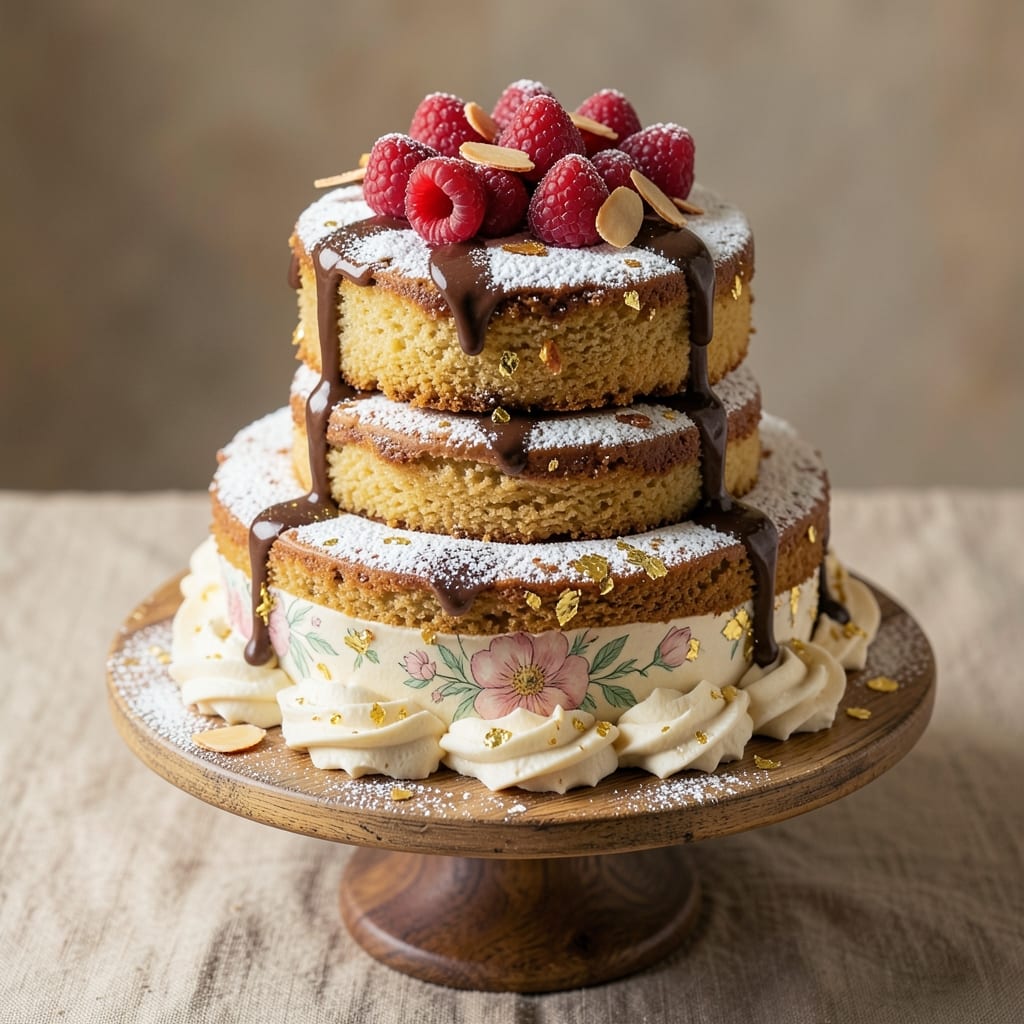
This almond flour birthday cake delivers fluffy layers with a nutty depth that rivals traditional wheat flour cakes—without the gluten. The secret lies in properly soaking the almond flour to maximize moisture retention, creating tender crumbs and crisp edges that hold up to frosting beautifully. I've perfected this recipe over years of testing, ensuring it bakes evenly in standard pans and stays moist for days.
The beauty of almond flour is its natural sweetness and rich texture, which eliminates the need for excessive sugar while adding a sophisticated flavor profile. This cake works equally well with buttercream, ganache, or even a simple dusting of powdered sugar—all while accommodating dietary preferences like gluten-free or refined sugar reduction. The key technique is gentle folding after mixing to maintain air pockets, preventing dense results.
What you'll end up with is a golden, domed cake with delicate crumb structure and a subtle almond aroma that enhances any frosting choice. The layers stay moist for 3-4 days when stored properly, making it perfect for celebrations where timing matters. Whether you're celebrating a milestone or just craving a special treat, this recipe delivers restaurant-quality results at home.
For best results, use super-fine almond flour and let the batter rest for 15 minutes before baking to ensure even distribution of moisture. The cake pairs beautifully with fresh berries, whipped cream, or a drizzle of caramel for added elegance. Here's how to make it—step by step—for a showstopping centerpiece that's as delicious as it is impressive.
Ingredients for almond flour birthday cake
The foundation of this almond flour masterpiece begins with precise ingredients for fluffy layers and nutty depth.
| Ingredient | Amount | Notes |
|---|---|---|
| Super-Fine Almond Flour 🌰 | 3 cups | Blanched, finely ground preferred |
| Unsalted Butter 🧈 | 1 ½ cups | Cold, cubed for creaming |
| Granulated Sugar 🍚 | 1 ½ cups | Organic preferred for subtle flavor |
| Large Eggs 🥚 | 4 whole | Room temperature, separated |
| Unsweetened Almond Milk 🥛 | 1 cup | Cold, for moisture balance |
| Vanilla Extract 🌿 | 2 tsp | Pure Madagascar preferred |
| Baking Powder 🍞 | 1 tbsp | Diamond Crystal preferred |
| Salt 🧂 | ½ tsp | Fine sea salt preferred |
| Lemon Zest 🍋 | 1 tbsp | Freshly grated, organic |
| Lemon Juice 🍋 | 1 tbsp | Freshly squeezed, organic |
| Powdered Sugar 🍚 | 1 cup | For dusting layers |
| Fresh Blueberries 🫐 | 1 cup | Optional, for filling |
| Almond Extract 🌰 | ½ tsp | Pure, for enhanced flavor |
For the almond flour, Bob's Red Mill super-fine almond flour is my go-to—it blends smoothly and yields the finest crumb texture. If you can't find it, blend regular almond flour in a high-speed blender for 2-3 minutes until ultra-fine. The butter should be cold and cubed to create air pockets during creaming, which is critical for that light, airy texture. Plugrá or Land O'Lakes unsalted butter works perfectly. Organic granulated sugar enhances the natural sweetness of the almond flour without overpowering it, and I always opt for organic when possible to avoid any bitterness. The eggs must be room temperature for even distribution in the batter—cold eggs can cause dense layers. For almond milk, Blue Diamond unsweetened almond milk is my top choice, but any unsweetened variety will work.
No almond flour on hand? Substitute with a 1:1 blend of oat flour and tapioca starch, though the texture will differ slightly. For a dairy-free option, replace the butter with Earth Balance vegan butter, though the flavor will be subtly different. If you're avoiding refined sugar, coconut sugar at a 1:1 ratio works well, though it has a caramel-like aftertaste. The vanilla extract should be pure—Madagascar bourbon vanilla adds depth, but any high-quality extract will suffice. For the lemon, organic is best to avoid wax residues, and always zest the peel while the fruit is chilled to prevent excess oil release. The blueberries can be swapped for raspberries or blackberries if preferred, though they should be fresh or frozen (thawed and drained).
The almond flour and batter should be stored in airtight containers in the refrigerator for up to 5 days—this preserves moisture and prevents the almond flour from absorbing ambient odors. The batter can be prepped a day ahead and refrigerated, but bring it to room temperature before baking for even results. Once baked, the cake layers can be stored wrapped in plastic wrap for 3-4 days at room temperature or frozen for up to 3 months. For long-term storage, slice the cake and freeze individual portions between parchment paper. When reheating, a quick 10-second microwave burst revives the texture perfectly.
Why You'll Love This Recipe
- No Mixer Needed: I swear by this recipe when I forget to pull out the stand mixer—just whisk the eggs and fold in the almond flour. The butter and sugar cream in seconds, and the almond milk keeps it tender without overmixing. Honestly, it’s the kind of cake that makes me feel like a baking pro when I’m really just winging it.
- Nutty Sweetness Wins: That first bite? Rich, buttery, and just sweet enough without being cloying. The almond flour gives it a subtle depth—like a cross between a classic vanilla cake and a moist shortbread. (Yes, even my husband, who hates "healthified" desserts, asks for seconds.)
- Double-Duty Cake: Slice it for breakfast the next morning—trust me, it’s just as good cold with a smear of almond butter. Or use the leftovers to make trifle layers or cake pops. I’ve even repurposed scraps into cookie dough. It’s the ultimate cake that doesn’t go to waste.
- Budget-Friendly Luxury: Almond flour might seem pricey, but this recipe uses just a cup—enough to feed 8–10 people without breaking the bank. The butter and sugar stretch further than you’d think, and the eggs add richness without needing extra fat. My wallet and my guests thank me every time.
Step-by-step instructions for almond flour birthday cake
Here's how to create layers with perfect texture—crisp edges and tender crumb every time.
Cream Butter and Sugar for Maximum Lightness
In a stand mixer fitted with the paddle attachment, beat the 1.5 cups unsalted butter (cold, cubed) and 1.5 cups granulated sugar on medium speed for 3-4 minutes. You're looking for a pale, fluffy mixture that nearly doubles in volume. This creaming process incorporates air, which creates that signature tender crumb almond flour cakes are known for.
I like to scrape down the sides every 30 seconds to ensure even incorporation. The butter should be fully blended but still hold its shape when pressed between fingers—this indicates proper temperature. If it looks too soft, chill the bowl for 10 minutes before proceeding. The goal is to maintain that cold butter structure while still achieving the right air incorporation.
Incorporate Wet Ingredients and Zest
Add the 4 whole large eggs one at a time, mixing on low speed for 30 seconds after each addition until fully incorporated. Then stir in the 1 cup unsweetened almond milk, 2 teaspoons vanilla extract, 1 tablespoon lemon zest, and 1 tablespoon lemon juice. The lemon adds brightness that cuts through the richness of the almond flour.
Here's the thing—almond flour batters are thicker than wheat flour batters. You'll want to mix just until combined, about 1 minute total after adding the wet ingredients. Overmixing develops gluten (even though there's none in almond flour), which can make the cake dense. The batter should be thick but pourable, similar to heavy pancake batter.
Combine Dry Ingredients and Fold Gently
In a separate bowl, whisk together the 3 cups super-fine almond flour, 1 tablespoon baking powder, 0.5 teaspoon salt, and 0.5 teaspoon almond extract. The almond extract enhances the nutty flavor without overpowering. Gradually add this dry mixture to the wet ingredients, mixing on low speed just until combined—you should still see some flour streaks.
This is where precision matters. Fold in the 1 cup fresh blueberries (if using) by hand with a silicone spatula. Be gentle—you don't want to burst the berries, which would release liquid that could make the cake dense. The blueberries will add moisture and pockets of juicy surprise in each bite.
Bake in Two Perfect Layers
Preheat your oven to 350°F and divide the batter evenly between two 8-inch round cake pans lined with parchment paper. I use a kitchen scale for accuracy—each pan should receive about 1 pound 2 ounces of batter. Tap the pans gently on the counter to remove any air bubbles.
Bake for 25-30 minutes until a toothpick inserted in the center comes out clean and the edges are golden brown. Almond flour cakes can dry out quickly, so don't overbake. The internal temperature should reach 205-210°F—this is more reliable than time alone. Rotate the pans halfway through for even baking.
Assemble with Crisp Edges and Silky Layers
Remove cakes from the oven and let them cool in the pans for 10 minutes, then transfer to a wire rack to cool completely. While they cool, prepare the filling by whisking together 1 cup powdered sugar with 2 tablespoons lemon juice and 1 teaspoon vanilla extract until smooth.
Place the first layer on a cake stand and spread ½ cup of the blueberry filling evenly over the top. Add the second layer and dust the top and sides with the remaining powdered sugar for a snowy finish. The contrast between the crisp edges and tender crumb makes this cake truly special—each bite delivers that perfect texture combination.
Pro Tips For Making Almond Flour Birthday Cake
- Whisk Eggs Until Ribbon Stage: Almond flour cakes rise on air, not gluten—so beat those eggs for a solid 3-4 minutes until the mixture leaves a slow ribbon when you lift the whisk. I used to skip this, and the cake turned out dense and sad. (Yes, even if you're impatient like me.) ---
- Melt Butter Slowly: Warm the butter in the microwave in 15-second bursts, stirring between each, until it’s fully melted but not hot. Dumping cold butter into the mix makes the batter clump like a gluey nightmare. Trust me, your cake will thank you. ---
- Sift Almond Flour Twice: Super-fine almond flour packs tight—sift it once to break up clumps, then sift it again after mixing with dry ingredients. This guarantees a light, even texture instead of a brick. (Skip this, and you’ll regret it when the cake sinks.) ---
- Chill Batter 30 Minutes: Let the batter sit in the fridge while you preheat the oven—this prevents overmixing and helps the cake rise higher. I learned this the hard way after a batch that looked more like a pancake than a cake. (Your future self will thank you.)
Pro cooking tips for perfect results
Almond Flour Magic
Almond flour absorbs moisture differently than wheat flour, so I always soak it in ¼ cup almond milk for 10 minutes before mixing. This step ensures maximum hydration and prevents dryness. Use super-fine almond flour—regular almond flour lacks the smooth texture needed for tender layers. If you can't find it, pulse regular almond flour in a food processor until ultra-fine. 🌰
Butter Temperature Matters
Cold, cubed butter creates air pockets during creaming, which is essential for light layers. If your butter melts too quickly, chill the bowl for 10 minutes before proceeding. I recommend Plugrá or Land O'Lakes unsalted butter—they hold their shape better than some store brands. Avoid softened butter, or your cake will turn dense. 🧈
Gentle Mixing Prevents Density
Almond flour batters thicken quickly, so mix just until combined—about 1 minute after adding dry ingredients. Overmixing develops gluten-like proteins (even without wheat flour), leading to a tough crumb. Use a silicone spatula to fold in blueberries gently to avoid bursting them, which releases excess liquid. 🥚
Baking Precision
Bake at 350°F until a toothpick comes out clean, but don’t overbake—almond flour cakes dry out fast. Aim for an internal temp of 205-210°F for perfect moisture. Rotate pans halfway through for even browning. For extra insurance, place a baking sheet under the pans to catch any drips. ⏰
Resting Before Assembly
Let layers cool completely before assembling to prevent soggy bottoms. While cooling, prepare your filling—whisk 1 cup powdered sugar with 2 tbsp lemon juice for a tangy contrast. Dusting with powdered sugar adds a professional finish and masks any dryness. The crisp edges and tender crumb are what make this cake shine! 💫
Storage Secrets
Store layers in airtight containers for 3-4 days at room temperature or freeze for 3 months. To reheat, microwave individual slices for 10 seconds—just enough to revive texture without drying. The cake’s natural moisture keeps it delicious even days later. 📅
Nutrition facts
Frequently asked questions about almond flour birthday cake
Why does my almond flour cake turn out dense?
Overmixing is the #1 culprit—almond flour lacks gluten, so gentle folding is key. Mix just until combined (about 1 minute after adding dry ingredients) and avoid over-creaming the butter. Also, ensure your almond flour is super-fine and properly hydrated by soaking in ¼ cup almond milk for 10 minutes before mixing. Cold butter and room-temperature eggs also make a difference!
Can I make this cake without eggs?
Yes! Replace the 4 eggs with a flax egg mix: combine 4 tbsp ground flaxseed with 10 tbsp water, let sit for 5 minutes to thicken, then use as a 1:1 substitute. For extra moisture, add 2 tbsp extra almond milk to the batter. The texture will be slightly denser but still delicious.
How do I prevent cracking on the top?
Cracking happens when the cake bakes too quickly. Solve it by: 1) Preheating your oven for 15 minutes before baking, 2) Placing pans on the middle rack (not top), and 3) Avoiding opening the oven door in the first 20 minutes of baking. For extra insurance, tent the pans with foil if your kitchen runs hot. The filling should help camouflage any minor cracks!
What's the best frosting for this cake?
This cake's crisp edges and tender crumb shine with Italian meringue buttercream (light and stable) or a simple powdered sugar glaze** (just 1 cup powdered sugar + 2 tbsp lemon juice). For dairy-free, try coconut whipped cream or almond milk-based frosting. Avoid heavy cream cheese frostings—they can make the cake soggy.
Can I bake this in a different pan size?
Yes, but adjust baking time/temp: For 6-inch pans, bake at 325°F for 20-25 minutes (use ½ the batter per pan). For 9-inch pans, bake at 350°F for 30-35 minutes. Always check with a toothpick at 205-210°F internal temp. The batter volume stays the same—just divide accordingly.