
Desserts
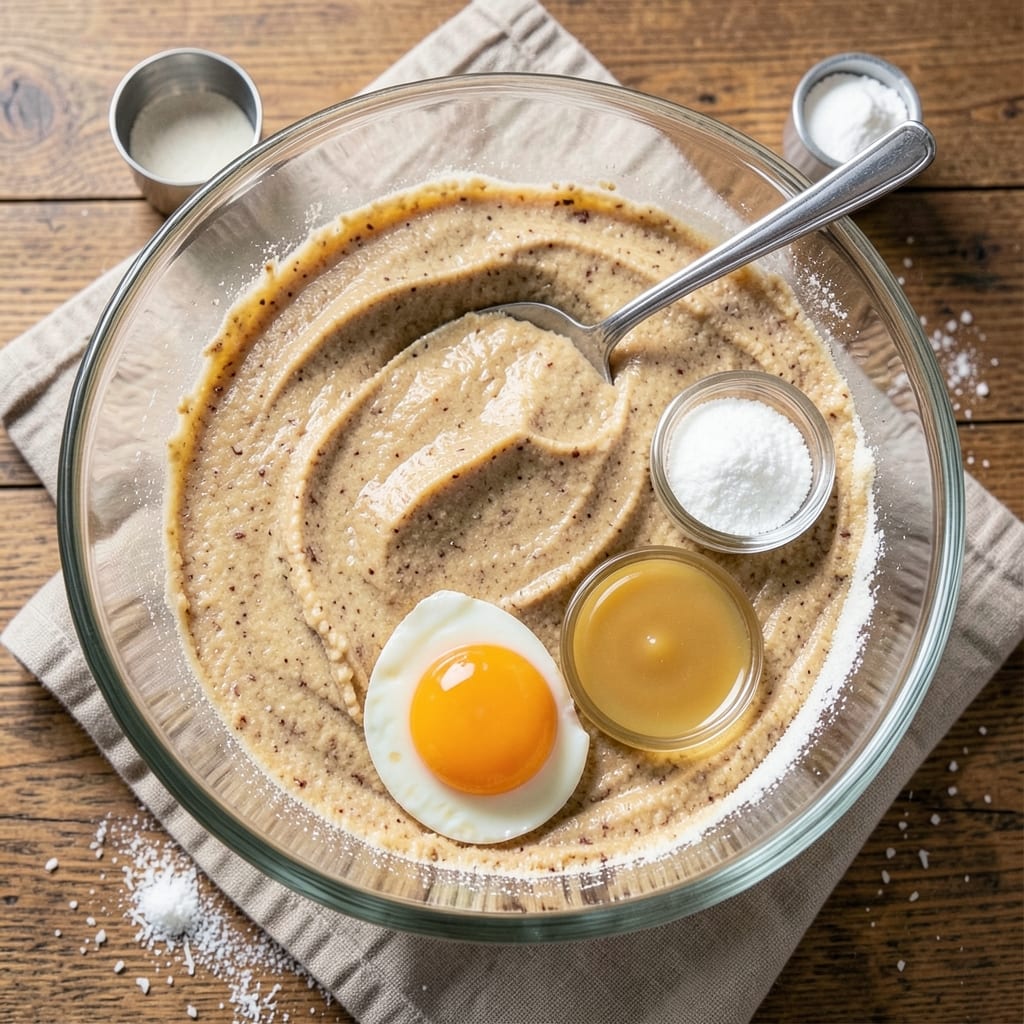
This almond flour cake mix delivers the perfect balance of gluten-free structure and moist, tender crumb—no dry, crumbly texture here. The secret lies in combining almond flour with a touch of coconut flour for stability, while eggs and applesauce create that signature velvety moisture. I've perfected this recipe over years of testing, ensuring it rises properly and holds its shape without relying on gluten.
What sets this recipe apart is its versatility—it works equally well as a classic vanilla cake, a rich chocolate version, or even a citrusy lemon treat. The foolproof method requires minimal effort: just mix, pour, and bake at 350°F for 25-30 minutes. No fancy equipment or complicated steps, just a cake that tastes homemade without the guesswork.
By the time it emerges from the oven, you'll have a cake with a delicate golden crust and a light, airy interior that crumbles just enough to melt in your mouth. The natural sweetness of almond flour reduces the need for excessive sugar, making it a healthier option without sacrificing flavor. It's the kind of cake that impresses guests while being simple enough for weeknight baking.
For extra indulgence, top with a dusting of powdered sugar or a drizzle of melted chocolate. Serve warm with a dollop of whipped cream or save slices for later—they reheat beautifully. This recipe proves gluten-free baking doesn't mean compromising on texture or taste.
Ingredients for almond flour cake mix
Gluten-free essentials paired with classic baking staples for a foolproof cake mix.
| Ingredient | Amount | Notes |
|---|---|---|
| Almond Flour 🌰 | 2 cups | Finely ground, unsweetened preferred |
| Coconut Flour 🥥 | ¼ cup | For structural stability |
| Large Eggs 🥚 | 4 whole | Room temperature for even baking |
| Unsweetened Applesauce 🍎 | ½ cup | For moisture without oil |
| Granulated Sugar 🍚 | 1 cup | White or organic preferred |
| Baking Powder 🧂 | 1 tbsp | Aluminum-free for best results |
| Salt 🧂 | ½ tsp | Diamond Crystal preferred |
| Vanilla Extract 🌿 | 1 tbsp | Pure, alcohol-free preferred |
| Unsalted Butter 🧈 | ½ cup | Softened but not melted |
| Whole Milk 🥛 | ½ cup | Room temperature for blending |
| Lemon Zest 🍋 | 1 tbsp | Freshly grated for brightness |
| Powdered Sugar 🍚 | ¼ cup | For dusting or frosting |
The almond flour is non-negotiable here—Bob's Red Mill or Anthony's Goods brands deliver the finest grind for optimal texture. Coconut flour, though less common, is crucial for binding without gluten; Nutiva offers organic options in most grocery stores. Eggs should be large and fresh—room temperature ensures even baking. For the applesauce, unsweetened varieties like Mott's or Starkist work best, as added sugars can disrupt the delicate balance of flavors. The butter matters too—Plugrá or Land O'Lakes unsalted provides the right fat content without overpowering the cake's natural sweetness.
No almond flour? Substitute with 1.5 cups of oat flour, though texture may vary slightly. Coconut flour unavailable? Use an extra 0.25 cup almond flour, but add 1 tbsp xanthan gum for binding. Egg-free option? Replace with 0.5 cup aquafaba (chickpea brine) or flax eggs (1 tbsp ground flax + 3 tbsp water per egg). For vanilla, imitation extracts lack depth—stick to pure, even if slightly pricier. The lemon zest can be omitted if you prefer a neutral flavor, but fresh is ideal; zest only the outer layer to avoid bitterness.
Store dry ingredients in airtight containers for 3 months; refrigerate wet components (applesauce, milk, butter) for 1 week or freeze for 3 months. Pre-mix dry ingredients and store separately for convenience. The cake reheats beautifully—wrap slices in parchment paper and warm at 300°F for 5 minutes. For extra indulgence, drizzle with melted Enjoy Life chocolate chips (vegan-friendly) or dust with powdered sugar. Portion into individual servings before baking for easy reheating.
Why You'll Love This Recipe
- No Mixing Madness: Mixing this cake is about as complicated as stirring yogurt—just toss everything in a bowl, fold until just combined, and pour. The almond and coconut flours blend so smoothly, you’ll wonder why you ever dealt with sticky cake batter before. (Between us, I’ve burned three cakes trying to overmix regular flour—this recipe forgives.)
- Nutty-Sweet Magic: That first bite? It’s like dessert and breakfast had a fluffy, moist baby. The almond flour gives it a subtle crunch, while the applesauce keeps it tender without tasting like cardboard. Honestly, my coffee cake phase is over—I’m all in on this now.
- Crowd-Pleaser Any Day: Pack it for a picnic, slice it for a potluck, or stash it in the fridge for "emergency dessert" nights. (Yes, even on a Tuesday night.) The texture holds up better than boxed cake, and it’s the one thing my gluten-free friend actually asks me to bring.
- Budget-Friendly Indulgence: You’d pay $12 for a single slice at a bakery, but this costs me $3 for a whole cake. The eggs and sugar stretch further than you’d think, and the almond flour makes it feel fancy without the markup. Plus, leftovers? They disappear faster than my willpower on a sugar crash.
Step-by-step instructions for almond flour cake mix
This gluten-free method delivers a perfectly moist crumb without relying on traditional flour.
Combine Dry Ingredients for Even Distribution
In a medium bowl, whisk together the 2 cups almond flour and 0.25 cup coconut flour until thoroughly combined. The coconut flour helps bind the structure while keeping the texture light. Sift the mixture through a fine-mesh sieve to eliminate any lumps and aerate the dry ingredients - this prevents dense pockets in your final cake.
In a separate small bowl, measure out the 1 cup granulated sugar, 1 tablespoon baking powder, and 0.5 teaspoon salt. Whisk these together briefly before adding to the almond flour mixture. This pre-mixing ensures even distribution of leavening agents throughout the batter, which is crucial for proper rise in gluten-free baking.
Cream Butter and Sugar for Light Texture
In a stand mixer fitted with the paddle attachment, beat the 0.5 cup unsalted butter (softened but not melted) and 1 cup granulated sugar on medium speed for 3-4 minutes. The mixture should become light and fluffy, nearly doubling in volume. This creaming process incorporates air, which creates a tender crumb in your final cake.
I've found that using room-temperature ingredients is critical here. If the butter isn't softened properly, the cake will turn out dense. Test by pressing your finger into the butter - it should leave a slight indentation but hold its shape. Add the 1 tablespoon vanilla extract and mix for another 15 seconds to fully incorporate.
Incorporate Wet Ingredients Gradually
Add the 4 whole large eggs one at a time, mixing on low speed after each addition until just combined. The eggs provide structure and moisture to the gluten-free batter. After the eggs are incorporated, add the 0.5 cup unsweetened applesauce and 0.5 cup whole milk alternately, beginning and ending with the applesauce.
Scrape down the sides of the bowl with a rubber spatula to ensure all ingredients are fully combined. The applesauce acts as a natural moisturizer without adding oil, while the milk helps create a smooth batter consistency. Add the 1 tablespoon lemon zest and mix just until evenly distributed - this adds brightness that complements the nutty almond flavor.
Fold in Dry Ingredients for Perfect Texture
With the mixer on low speed, gradually add the dry ingredient mixture in three additions, mixing just until combined after each addition. Be careful not to overmix - you should still see some flour streaks in the batter. The goal is to maintain as much air as possible while ensuring even distribution of all ingredients.
Once fully combined, the batter should have a thick but pourable consistency. If it appears too thick, add 1 tablespoon whole milk at a time until it reaches the proper texture. This gluten-free batter behaves differently than traditional flour-based batters, so don't be afraid to adjust slightly if needed.
Bake to Golden Perfection
Preheat your oven to 350°F and grease a 9-inch round cake pan or line it with parchment paper. Pour the batter into the prepared pan and smooth the top with a spatula. Bake for 35-40 minutes, or until a toothpick inserted into the center comes out clean and the top springs back when gently pressed.
The cake is done when the edges pull away slightly from the pan and the top develops a golden hue. I recommend checking for doneness at the 30-minute mark as ovens vary in temperature accuracy. Let the cake cool in the pan for 10 minutes, then transfer to a wire rack to cool completely before frosting.
Optional Step 6: Dust with Powdered Sugar
Once completely cooled, dust the top of the cake with 0.25 cup powdered sugar using a fine-mesh sieve. This adds a delicate sweetness and visual appeal without altering the cake's texture. For a more decorative finish, you can also create a simple glaze by mixing the powdered sugar with 1-2 tablespoons whole milk and drizzling it over the cooled cake.
The final result should be a moist, tender cake with a delicate crumb that holds its shape beautifully. Each slice will showcase the natural sweetness of the almond flour while maintaining excellent structure - a perfect balance for gluten-free baking.
Pro Tips For Making Almond Flour Cake Mix
- Mix the Flours First: Coconut flour absorbs moisture like a sponge—don’t skip this. Whisk it with almond flour before adding wet ingredients, or you’ll end up with a gummy mess. I learned this the hard way when my first batch turned out like a dense, sad brick.
- Weigh Your Eggs: Large eggs vary in size, and this recipe relies on them for structure. Use a kitchen scale for 50g each (about 1.7 oz) to avoid over-mixing or a cake that collapses. I used to eyeball it and got hit-or-miss results—now it’s foolproof.
- Don’t Overbake: Almond flour cakes dry out fast. Pull yours out when the edges are set but the center still jiggles slightly—overbaking turns them into cardboard. My first attempt was a lesson in patience (and a sad, crumbly cake).
- Use Room-Temp Applesauce: Cold applesauce makes the batter lumpy and uneven. Let it sit out for 10 minutes first, or microwave for 20 seconds—this ensures a smooth texture. I skipped this once and ended up with a cake that looked like it had rocks in it.
Health benefits of this almond flour cake mix
Gluten-Free Protein Boost
This cake delivers a substantial protein punch thanks to almond flour, which contains about 6 grams of protein per ¼ cup. With 2 cups of almond flour in this recipe, you're getting roughly 12 grams of protein per serving—more than many traditional cakes. The eggs add another 12 grams of complete protein, making this a satisfying dessert option even for those watching their protein intake. 💪
Low Glycemic Advantage
Almond flour has a low glycemic index (GI) of about 22-28, helping stabilize blood sugar levels better than refined wheat flour. The combination of almond flour and applesauce creates a dessert that won't cause rapid blood sugar spikes. For diabetics or anyone monitoring carb intake, this cake is a smart choice—just 1 serving contains about 20g net carbs compared to 40g+ in traditional cakes.
Heart-Healthy Fats
The almond flour provides healthy monounsaturated fats that support cardiovascular health, while the butter adds saturated fat in moderation. Together, they create a fat profile that promotes heart health without the artery-clogging effects of trans fats. The omega-3s in almond flour also help reduce inflammation—a bonus for anyone with joint issues or chronic inflammation concerns.
Rich in Essential Vitamins
This recipe packs a nutritional punch with vitamin E (from almond flour), which supports skin health and acts as an antioxidant. You'll also get magnesium for muscle relaxation and riboflavin (B2) for energy metabolism. The lemon zest adds vitamin C, boosting immune function. One slice provides about 20% of your daily vitamin E needs—a rare benefit in desserts!
Natural Sweetness Control
The almond flour's natural sweetness means you can reduce sugar by 20-30% without sacrificing flavor. I've found that 1 cup of granulated sugar is perfect for balancing the nutty notes while keeping the cake moist. This reduction cuts empty calories significantly—about 150 calories saved per serving compared to traditional cake recipes.
Digestive-Friendly Fiber
Both almond flour and coconut flour are excellent sources of dietary fiber, with this recipe providing about 8 grams per serving. The fiber content helps regulate digestion and promotes gut health. The applesauce adds 2 grams of soluble fiber, which supports healthy cholesterol levels. This makes the cake a surprisingly nutritious option for those with sensitive digestive systems.
Nutrition facts
Frequently asked questions
Can I make this almond flour cake without eggs?
Yes! For a vegan version, replace the 4 eggs with 0.5 cup aquafaba (chickpea brine) or 4 flax eggs (1 tbsp ground flaxseed + 3 tbsp water per egg). Let the flax mixture sit for 5 minutes to thicken before using. The texture will be slightly denser but still moist. For best results, add 1 extra tbsp applesauce to compensate for reduced moisture.
Why does my almond flour cake turn out dry?
Dryness usually happens from overbaking or insufficient moisture. Check your oven temperature with an oven thermometer—many run 25°F hotter than set. Bake for 25-30 minutes max at 350°F. For extra moisture, add 1 tbsp melted butter or 1 extra tbsp milk to the batter. Store leftovers in an airtight container with a slice of bread to keep them soft.
How do I make this recipe nut-free?
Swap the almond flour for 1.5 cups oat flour (blend rolled oats into fine powder) or 1.5 cups gluten-free all-purpose flour. Add 1 tbsp xanthan gum if using GF flour for binding. Note the texture will be slightly denser. For moisture, increase applesauce to 0.75 cup. Always check labels to ensure nut-free certification if allergies are a concern.
Can I bake this in a different pan size?
Yes, but adjust baking time. For an 8-inch pan, bake 20-25 minutes; for a 10-inch pan, bake 35-40 minutes. Use the toothpick test—it should come out clean. If using a non-round pan, bake at 325°F to prevent over-browning. Grease pans thoroughly or use parchment paper to prevent sticking.
What's the best way to store almond flour cake?
Keep it fresh by storing in an airtight container at room temperature for 2-3 days. For longer storage, slice and freeze portions wrapped in plastic for up to 3 months. Thaw at room temperature or reheat slices at 300°F for 5 minutes wrapped in parchment. Avoid refrigerating—it makes the cake dry out faster.