
Desserts
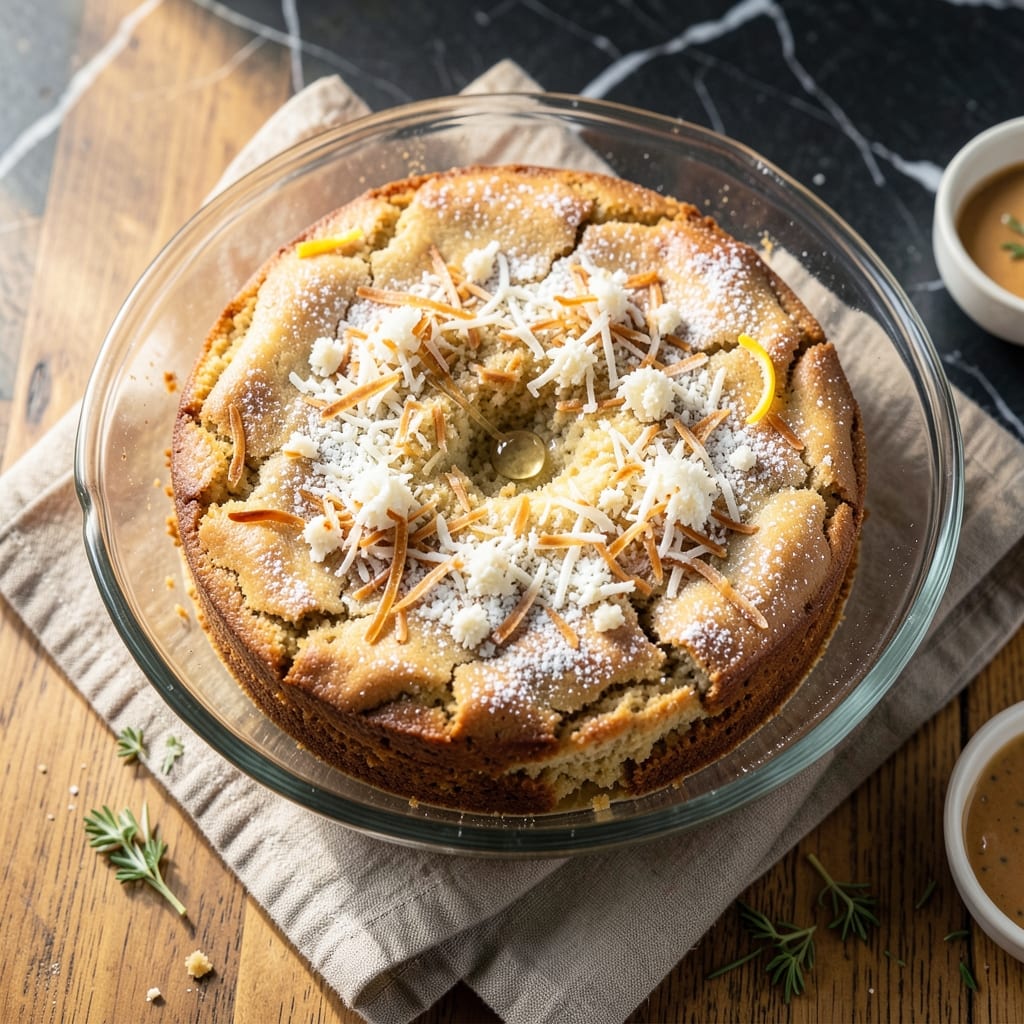
This almond flour coconut cake delivers the perfect balance of tropical sweetness and nutty richness without a single grain of gluten. The secret lies in the combination of finely ground almonds and shredded coconut, which create a tender yet sturdy crumb with just the right amount of moisture. I developed this recipe after years of experimenting with gluten-free baking, and it's finally the one that stays moist for days without drying out.
The cake features two distinct textures: a tender, vanilla-infused almond base and swirls of coconut that add a toasted crunch with every bite. What makes this recipe truly special is how it achieves that perfect cake texture using flax eggs for binding—no dairy, no eggs, and no gluten, yet it bakes up light and airy. The aroma alone will have everyone asking what's for dessert.
By the time it emerges from the oven, you'll have a golden cake with a delicate crumb that's neither too dense nor too crumbly. The coconut swirls provide visual appeal and a delightful textural contrast, while the vanilla flavor shines through without being overpowering. This cake is elegant enough for special occasions but simple enough for a weeknight treat.
Serve it warm with a dusting of toasted coconut or a drizzle of citrus glaze for extra brightness. The flavor profile is complex yet balanced—sweet from the coconut, nutty from the almond flour, and subtly aromatic from the vanilla. Here's how to make it perfectly every time.
Ingredients for almond flour coconut cake
Almond flour and coconut create a gluten-free masterpiece with tropical sweetness and nutty depth.
| Ingredient | Amount | Notes |
|---|---|---|
| Almond Flour 🌰 | 2 ½ cups | Finely ground, unsweetened |
| Unsweetened Shredded Coconut 🥥 | 1 ½ cups | Toasted for enhanced flavor |
| Granulated Sugar 🍚 | 1 cup | Organic preferred for purity |
| Coconut Sugar 🍯 | ½ cup | For caramel notes |
| Pure Vanilla Extract 🌿 | 2 tbsp | High-quality, Madagascar bourbon |
| Ground Flaxseed 🌾 | ½ cup | For flax eggs |
| Unsweetened Almond Milk 🥛 | 1 cup | Cold, for optimal texture |
| Melted Coconut Oil 🫒 | ½ cup | Refined for neutral taste |
| Baking Powder 🍞 | 1 tbsp | Aluminum-free preferred |
| Salt 🧂 | ½ tsp | Fine sea salt |
| Cinnamon 🌶️ | 1 tsp | Ground, for warmth |
| Orange Zest 🍊 | 1 tbsp | Brightens the coconut flavor |
| Unsweetened Applesauce 🍎 | ½ cup | For moisture binding |
The almond flour makes or breaks this cake. Bob's Red Mill or Anthony's Goods brands are my go-to—they're finely ground and consistent. If you're using store-brand almond flour, check the particle size; it should be ultra-fine, almost like powdered sugar. Shredded coconut? Unsweetened, toasted is non-negotiable here—it adds that essential crunch. Toast your own coconut in a dry pan for 5-7 minutes until golden, or grab the pre-toasted bags at Trader Joe's. The vanilla extract should be pure, Madagascar bourbon—nothing artificial. I buy mine in small bottles from Williams Sonoma to preserve freshness, but any reputable brand works.
No almond flour? Cashew flour works in a pinch, though the texture will be slightly denser. Running low on shredded coconut? Toasted coconut flakes from the baking aisle are a fine substitute, but you'll lose a little texture. The flax eggs are the secret binder—if you're avoiding flaxseed, chia seeds soaked in water work just as well. For the coconut oil, refined is better than virgin here to avoid coconut flavor dominance. The orange zest can be swapped for lemon if that's what you have, but orange pairs beautifully with the coconut. If you're making this ahead, toast the coconut and zest it first—they keep for weeks in the freezer.
This cake keeps beautifully for 5-7 days wrapped tightly at room temperature, or up to 3 months in the freezer. I like to slice it before freezing, then thaw between paper towels to prevent sogginess. For serving, a light dusting of powdered sugar or a drizzle of citrus glaze (equal parts powdered sugar and lemon juice) elevates it instantly. The vanilla flavor intensifies as it sits, so it actually tastes better the next day. Store leftovers in an airtight container with a slice of bread to keep it moist—trust me on that one.
Why You'll Love This Recipe
- No Mixer Needed: I swear by this recipe because it’s actually mix-free—just fold the almond flour and shredded coconut until it clumps like wet sand. No eggs, no butter, no fuss, and the texture comes out tender anyway. (Yes, even my toddler can help "mix" it.)
- Tropical Twist: That combo of vanilla and coconut sugar? It’s like a vacation in your mouth—warm caramel notes from the sugar, bright floral vanilla, and the toasted coconut on top adds this irresistible crunch. Honestly, I’ve made it for birthdays, but it’s my go-to "I just want dessert" cake.
- Leftovers? Better: This cake stays moist for days (seriously, I’ve had it last a week in the fridge) and reheats in 20 seconds in the microwave. Slice it for breakfast toast with peanut butter, or crumble it over yogurt—it’s the ultimate multi-use dessert that won’t go to waste.
- Budget-Friendly Luxury: Almond flour might seem pricey, but a little goes far here, and the coconut adds bulk without breaking the bank. I’ve made this for potlucks where I’m the only one bringing a "special" dessert, and no one guesses it’s not from a bakery. (Between us, that’s the real win.)
Step-by-step instructions for almond flour coconut cake
Here's how to create a perfectly moist, gluten-free coconut cake with toasted crunch and vanilla swirls.
Prepare the Flax Eggs and Combine Wet Ingredients
In a small bowl, whisk together the 0.5 cup ground flaxseed and 1 cup unsweetened almond milk. Let this mixture sit for 5 minutes until it thickens into a gel-like consistency. This flax egg replaces traditional eggs while maintaining the cake's structure.
In a separate large bowl, combine the 1 cup granulated sugar, 0.5 cup coconut sugar, 0.5 cup melted coconut oil, 2 tbsp pure vanilla extract, 1 tbsp orange zest, and the flax egg mixture. Whisk until fully incorporated. The sugars should dissolve completely, creating a smooth batter. This step ensures even sweetness distribution throughout the cake.
Mix Dry Ingredients and Incorporate Wet Mixture
In a medium bowl, sift together the 2.5 cups almond flour, 1 tbsp baking powder, 0.5 tsp salt, and 1 tsp cinnamon. This sifting step prevents lumps and ensures even baking. Gently fold the dry ingredients into the wet mixture using a spatula, mixing just until combined. Avoid overmixing—you should still see some flour streaks in the batter.
Add the 0.5 cup unsweetened applesauce and mix until fully incorporated. The applesauce adds moisture without altering the cake's texture. At this point, the batter should be thick but pourable. If it appears too dry, add 1-2 tablespoons of the cold almond milk to loosen it slightly.
Create the Vanilla Swirl Dough and Layer the Cake
Divide the batter evenly between two 8-inch round cake pans lined with parchment paper. Preheat your oven to 350°F while you prepare the vanilla swirl filling. In a small bowl, mix together 0.5 cup unsweetened almond milk, 1 tbsp pure vanilla extract, and 1 tbsp melted coconut oil. This will create the signature vanilla swirls.
Pour half of the vanilla mixture into one of the cake pans, then gently swirl it with a knife to create marbled patterns. Top with half of the batter, then repeat with the remaining vanilla mixture and batter. This layering technique creates the beautiful vanilla swirls throughout the cake.
Add the Coconut Topping and Bake
In a small bowl, combine the 1.5 cups unsweetened shredded coconut with 1 tbsp melted coconut oil and toss until evenly coated. Sprinkle half of this coconut mixture evenly over the top of the batter in the cake pans. This topping will create the signature toasted crunch on top of your cake.
Bake for 30-35 minutes or until a toothpick inserted into the center comes out clean. The cake should be golden brown at the edges and slightly springy to the touch. Rotate the pans halfway through baking for even cooking. The coconut topping will turn golden and crispy as it bakes.
Cool and Serve with Confidence
Allow the cakes to cool in the pans for 10 minutes, then transfer to a wire rack to cool completely. This gradual cooling prevents cracking and maintains the cake's moisture. Once completely cooled, carefully remove the cakes from the pans and slice into 8 equal pieces for serving.
Each slice should reveal the beautiful vanilla swirls throughout the moist almond flour base, topped with crispy toasted coconut. Serve at room temperature for the best texture and flavor. The cake keeps well in an airtight container for up to 3 days or can be frozen for longer storage.
Pro Tips For Making Almond Flour Coconut Cake
- Preheat Like It’s 1985: Crank that oven to 350°F and let it scream for 15 minutes—no skimp here. Almond flour cakes need a hot start to rise properly, or you’ll end up with a sad, dense brick. (I learned this after my first batch looked like a hockey puck.) ---
- Toast the Coconut: Dry-toast your shredded coconut in a low oven (275°F) for 8–10 minutes before mixing it in. This banishes that raw coconut flavor and adds a nutty depth your taste buds will notice. (Yes, even if you’re impatient like me.) ---
- Don’t Overmix the Batter: Stir the almond flour and wet ingredients just until combined—lumps are fine, but overmixing makes the cake tough. Think "damp sand" texture, not glue. (I’ve seen this go wrong. Trust me.) ---
- Test for Doneness Early: Stick a toothpick in at 30 minutes—if it comes out clean, pull it. Almond flour cakes dry out fast, and no one wants a cake that crumbles like a biscuit. (Your future self will thank you.)
Storing and reheating this recipe
Room Temperature Storage
This cake stays fresh for 5-7 days when stored properly at room temperature. After it cools completely, wrap it tightly in plastic wrap followed by a layer of parchment paper—this double barrier keeps moisture in and air out. I like to place it in an airtight container with a slice of bread on top to absorb excess moisture overnight. The vanilla flavor actually intensifies over time, so it tastes even better the next day! 💫
Refrigerator Tips
If you're prepping ahead for a party, refrigerate the fully baked cake for up to 1 week. Let it sit at room temperature for 30 minutes before serving to restore its ideal texture. The cold temperature helps preserve the coconut's crunch, but don't be surprised if the cake develops a slightly firmer texture—this is normal! To revive it, warm the cake in a 300°F oven for 5-10 minutes wrapped in foil.
Freezer Storage Secrets
For long-term storage, this cake freezes beautifully for up to 3 months. I recommend slicing it first (before freezing) to make serving easier later. Wrap each slice individually in plastic wrap, then place them in a freezer bag with all the air removed. When ready to serve, thaw overnight in the fridge or at room temperature for 2-3 hours. The texture remains moist, though the coconut topping may soften slightly—just pop it back in a 350°F oven for 3-5 minutes to crisp it up again.
Reheating Perfection
For the best results, reheat individual slices in a toaster oven set to 300°F for 3-5 minutes. This method preserves the cake's moisture while gently warming through. If using a microwave, heat on 50% power for 15-20 seconds—just enough to warm without drying out. Always let the cake cool for 1 minute after reheating before serving to prevent soggy coconut toppings. A quick dusting of powdered sugar or citrus glaze after reheating brings back that fresh-baked appeal! ✨
Nutrition facts
Frequently asked questions
Can I substitute almond flour with another nut flour?
Yes, but results may vary. Cashew flour works best as a 1:1 substitute, though the texture will be slightly denser. For a lighter cake, blend 1.5 cups almond flour with 1 cup hazelnut flour—this combination adds depth while maintaining moisture. Avoid walnut flour, as it can make the cake too heavy. If using store-bought nut butters (like almond butter), blend them into a powder first for consistent results.
Why does my coconut cake turn out dry or crumbly?
Dryness usually happens from overbaking or insufficient moisture. Ensure you're using cold almond milk and applesauce—these keep the cake tender. Check your oven temperature with an oven thermometer (many run hotter than set). If the cake pulls away from the pan edges too soon, it's overdone. For extra moisture, add 1-2 tablespoons coconut milk to the batter. The coconut topping should be lightly toasted, not burnt—this adds crunch without drying the cake.
Can I make this cake without coconut oil?
Use melted butter for a richer flavor (reduce other fats slightly) or avocado oil for a neutral taste. For a vegan option, swap in refined olive oil or coconut milk (thickened). Avoid unrefined coconut oil—it can make the cake taste overly coconutty. If substituting, reduce the almond milk by 1-2 tablespoons to maintain the right batter consistency. The key is keeping the fat content balanced for that perfect crumb.
How do I make this cake egg-free and gluten-free?
This recipe is already both! The flax eggs (ground flaxseed + almond milk) replace traditional eggs perfectly, while almond flour eliminates gluten. For extra binding power, add 1/4 cup tapioca starch to the dry ingredients. If you're avoiding flaxseed, try chia eggs (1 tbsp chia seeds + 3 tbsp water per "egg") or aquafaba (3 tbsp whipped aquafaba = 1 egg). The cake's structure comes from proper mixing—don't overmix the batter to prevent toughness.
What's the best way to add chocolate to this cake?
For a decadent twist, fold in 1/2 cup melted dark chocolate (70% cocoa) with the wet ingredients or swirl chocolate ganache between layers. Use vegan chocolate chips for a melt-in-your-mouth texture. Pro tip: Add 1/4 tsp espresso powder to the chocolate mixture to deepen the flavor. For a marbled effect, drizzle melted chocolate over the batter before baking. The chocolate pairs beautifully with the coconut's sweetness—just reduce the sugar by 1 tablespoon to balance flavors.