
Desserts
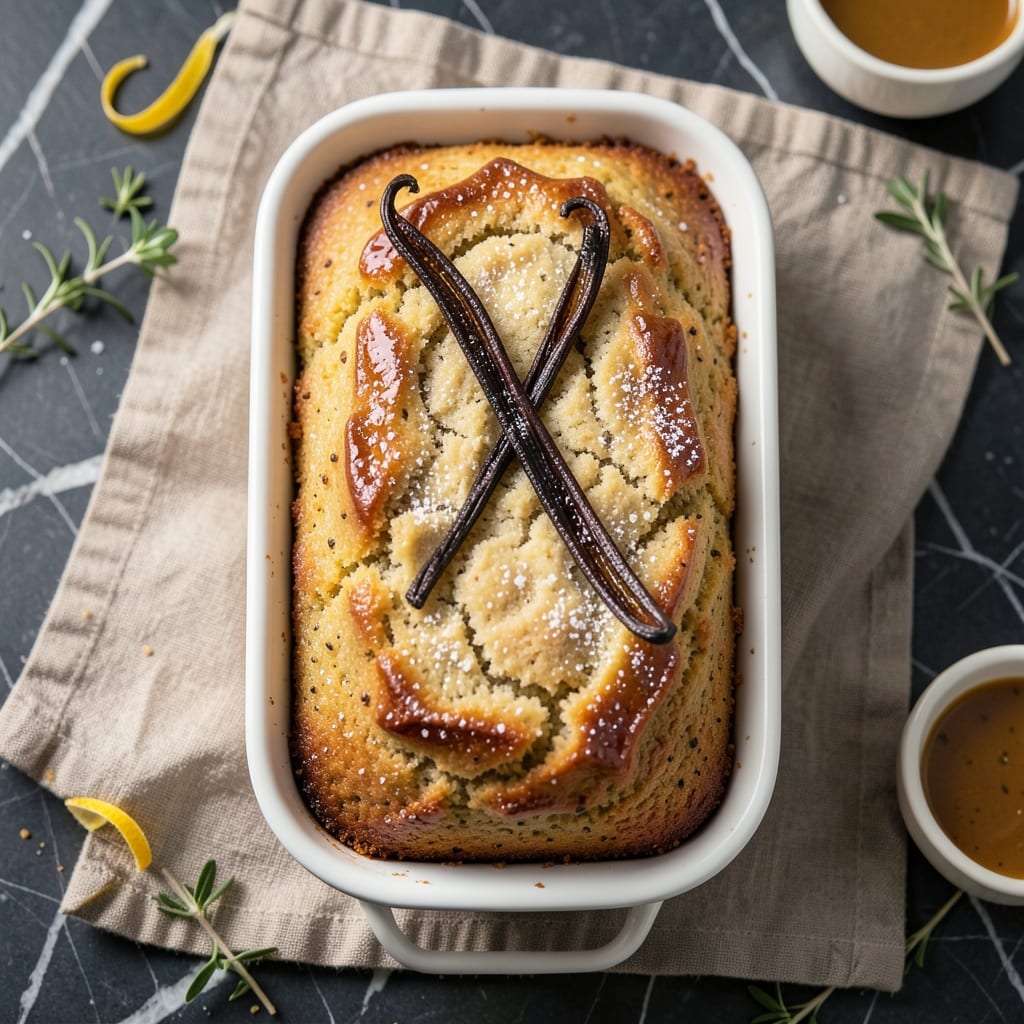
This almond flour olive oil cake delivers the perfect balance of golden crust and ultra-moist heart, proving that vegan desserts can be just as indulgent as traditional ones. The combination of finely ground almonds and rich olive oil creates a tender crumb that stays moist for days, while the exterior develops that coveted golden-brown finish. What makes this recipe special is its simplicity—no complicated techniques or specialty ingredients required, just a few pantry staples and a precise method that ensures consistent results every time.
The foundation of this cake lies in proper mixing techniques and accurate measurements, both of which contribute to its signature texture. Almond flour's natural richness pairs beautifully with olive oil's fruity notes, creating a flavor profile that's both elegant and approachable. Unlike many almond flour cakes, this version doesn't rely on eggs or dairy substitutes, making it naturally vegan while still achieving that classic cake structure. The result is a dessert that's light yet substantial, with a delicate crumb that melts in your mouth.
What you'll end up with is a cake that's perfect for special occasions or everyday treats—impeccably moist without being dense, with a subtle nutty flavor that complements its delicate sweetness. The golden crust provides just enough contrast to the tender interior, while the olive oil adds a subtle richness that elevates every bite. This recipe serves as an excellent base for variations, allowing you to customize it with cocoa powder, citrus zest, or fresh fruit to suit your preferences.
Whether you're serving it at a dinner party or enjoying a slice with afternoon tea, this almond flour olive oil cake proves that plant-based baking can be both sophisticated and satisfying. The recipe's versatility makes it suitable for various dietary needs while delivering restaurant-quality results in your own kitchen. Let's get started on creating this exceptional dessert that will impress even the most discerning palates.
Ingredients for almond flour olive oil cake
Simple pantry staples transform into a vegan masterpiece with golden crust and moist heart.
| Ingredient | Amount | Notes |
|---|---|---|
| Almond Flour 🌰 | 2 ½ cups | Finely ground, unsweetened |
| Extra-Virgin Olive Oil 🫒 | 1 cup | High quality, fruity |
| Coconut Sugar 🍯 | 1 cup | Or granulated sugar |
| Flaxseed Meal 🌾 | 3 tbsp | For egg substitute |
| Vanilla Extract 🌸 | 1 tbsp | Pure vanilla preferred |
| Baking Powder 🧪 | 1 ½ tsp | Aluminum-free preferred |
| Salt 🧂 | ½ tsp | Fine sea salt |
| Almond Milk 🥛 | ¾ cup | Unsweetened, unscented |
| Lemon Zest 🍋 | 1 tbsp | Freshly grated |
| Lemon Juice 🍋 | 2 tbsp | Freshly squeezed |
| Apple Cider Vinegar 🍎 | 1 tbsp | For flaxseed activation |
Almond flour is the star here—Bob's Red Mill or Anthony's Goods are my go-tos for that ultra-fine grind. If you're using pre-ground, pulse it in a food processor to mimic freshness. The olive oil? Kirkland Signature or California Avocado Ranch for that fruity depth. Coconut sugar adds caramel notes, but regular white sugar works in a pinch. Just make sure it's finely ground—no lumps. The flaxseed meal can be found in the baking aisle or health food section, often near the chia seeds.
No almond milk? Oat milk or soy milk both work, but avoid flavored versions—they can alter the cake's delicate balance. Fresh lemon zest is ideal, but bottled zest from Trader Joe's saves time. The vinegar activates the flaxseed to mimic eggs, so don't skip it. For extra richness, add 1 tbsp melted coconut oil to the wet ingredients. Want more flavor? Swap half the almond milk for espresso or orange juice. The baking powder must be fresh—if it's over a year old, toss it and buy a new box.
Mix dry ingredients first, then wet, for that signature tender crumb. The batter will be thick—don't worry, it's normal. Bake in a parchment-lined pan for easy removal. Leftovers keep 3-4 days in an airtight container, but honestly? It disappears in one. Freeze slices for up to 3 months—just thaw at room temp before serving. The golden crust stays crisp for about 1 hour after baking, so enjoy it fresh or store it in layers with parchment between slices.
Why You'll Love This Recipe
- No Mixer Needed: I swear by this—just stir, pour, bake. The almond flour blends like butter with olive oil, no clumps, no fuss. Honestly, I’ve made it in a mug when I was in a rush, and it still came out moist.
- Rich Without Guilt: That olive oil? It’s the star—creamy, nutty, and so satisfying, but it’s actually good for you. The coconut sugar adds just enough sweetness without spiking my blood sugar, and the flaxseed gives it a subtle earthiness that balances everything.
- Weeknight Magic: Slice it up for breakfast, pack it for lunch, or serve it with coffee—it’s always a hit. I’ll be real: my kids grab it straight from the pan when I forget to wrap it, and it’s still perfect the next day.
- Budget-Friendly Luxury: Almond flour might sound pricey, but a little goes a long way, and the olive oil adds richness without needing butter or extra fats. Plus, the leftovers keep for days, so I’m not scrambling to bake again. My wallet and taste buds win.
Step-by-step instructions for almond flour olive oil cake
Here's how to bake this ultra-moist cake with a golden crust and tender crumb—no dryness in sight.
Activate the Flax Egg Substitute
In a small bowl, whisk together the 3 tablespoons flaxseed meal and 1 tablespoon apple cider vinegar. Let this mixture sit for 5 minutes while you prepare the rest—you'll see it thicken into a gel-like consistency that mimics egg. This is your binding agent, so don't skip the waiting time.
If you're in a hurry, you can speed this up by placing the bowl in the refrigerator for 2 minutes, but the 5-minute room-temperature rest gives you the best texture. The flax mixture should look like a thick, glossy pudding when ready—this means it's properly activated and ready to work its magic in your cake.
Whisk Wet Ingredients to a Smooth Batter
In a large mixing bowl, combine the 1 cup extra-virgin olive oil, 1 cup coconut sugar, 1 tablespoon vanilla extract, 1 tablespoon lemon zest, 2 tablespoons lemon juice, and the activated flax mixture. Whisk vigorously for 2-3 minutes until everything is fully incorporated and the mixture is smooth and pale.
You'll notice the coconut sugar dissolves completely, leaving no gritty texture. The olive oil should create a silky base—this is what gives the cake its signature moistness. If you're using granulated sugar instead, whisk just until combined to avoid creating too much air.
Gently Fold in Dry Ingredients
In a separate bowl, sift together the 2.5 cups almond flour, 1.5 teaspoons baking powder, and 0.5 teaspoon salt. This ensures even distribution of the baking powder and prevents lumps. Gradually add these dry ingredients to your wet mixture while gently folding with a spatula.
Fold just until combined—you should still see some streaks of flour. Overmixing develops gluten in the almond flour, which can make the cake dense. The batter should be thick but pourable. If it's too thick, add 1-2 tablespoons of the 0.75 cup almond milk to loosen it slightly.
Bake for a Golden Crust and Moist Center
Preheat your oven to 350°F and grease an 8-inch round cake pan or line it with parchment paper. Pour the batter into the prepared pan and smooth the top with a spatula. Bake for 35-40 minutes, until a toothpick inserted in the center comes out clean and the top is golden brown.
Here's the thing—almond flour cakes can dry out quickly if overbaked. The moment the toothpick test passes is the moment to remove it from the oven. The cake will continue to set as it cools, so don't wait for it to pull away from the sides completely.
Cool and Slice for Perfect Texture
Let the cake cool in the pan for 10 minutes, then transfer it to a wire rack to cool completely. This gradual cooling prevents cracking and helps the cake maintain its moisture. Once fully cooled, slice into 8 equal wedges—each piece should be tender with a slightly crisp exterior and a moist, crumbly interior.
For the best experience, serve the cake at room temperature. The lemon zest and olive oil create a bright, citrusy flavor that pairs beautifully with a dusting of powdered sugar or a dollop of whipped cream. Store leftovers in an airtight container for up to 3 days—though I doubt they'll last that long!
Pro Tips For Making Almond Flour Olive Oil Cake
- Mix Until Sticky: Almond flour hates overmixing—just combine the dry ingredients (flour, sugar, flaxseed meal) with the wet (olive oil, vanilla) until barely uniform. Stop when you see small streaks of flour; overdoing it makes the cake dense and tough. I used to beat this like pancake batter, and the result was a brick. Trust the process.
- Use Cold Olive Oil: Pour that extra-virgin olive oil straight from the fridge—literally. Cold oil blends more evenly with almond flour and prevents the batter from getting too warm before it hits the oven. Warm oil? You’ll end up with a cake that spreads like a sad pancake. (Yes, even if you’re impatient like me.)
- Skip the Crowding: Almond flour cakes need space—don’t cram them into a pan. Fill the mold no more than ¾ full, or you’ll fight with a dome-shaped disaster that won’t bake evenly. I learned this after a batch that looked like a collapsed soufflé. A slightly underfilled pan guarantees a flat, golden top.
- Check for Doneness Early: Almond flour cakes set faster than wheat-based ones—pull yours when the edges are golden and the center springs back just slightly when pressed. Overbaking turns them dry and crumbly. I used to wait for the toothpick test, only to get a sad, overdone mess. Trust your eyes and nose: the smell of almonds should be rich, not burnt.
Regional styles of this almond flour olive oil cake
Mediterranean Olive Oil Style
In Mediterranean regions like Italy and Greece, olive oil is the star ingredient, and this cake takes full advantage of its rich, fruity notes. Swap the lemon zest for 1 tablespoon orange zest and add ½ teaspoon cinnamon to the dry ingredients for warmth. Use extra-virgin olive oil with a bold, peppery finish (like Colavita) for deeper flavor. Top with a light dusting of powdered sugar and a drizzle of honey for a dessert that feels like a vacation in every bite. 🌿
French Almond Croissant Cake
For a French-inspired twist, fold ½ cup sliced almonds into the batter before baking to create a nutty crunch. Brush the top with a mix of 2 tablespoons melted butter (or olive oil) and 1 tablespoon powdered sugar after baking, then broil for 1-2 minutes to create a caramelized crust. Add 1 teaspoon vanilla bean paste to the wet ingredients for an extra layer of depth. Serve with a cup of espresso for the ultimate Parisian café experience. 🥖
Southern Citrus Twist
In the American South, citrus and spices shine—this version leans into that tradition. Replace the lemon zest with 1 tablespoon lime zest and add ½ teaspoon ground cardamom to the dry ingredients. Fold in ½ cup fresh blueberries or raspberries into the batter for bursts of fruit. A drizzle of agave syrup before serving adds a touch of Southern sweetness. This cake pairs perfectly with a glass of sweet tea or a scoop of vanilla ice cream. 🍋
German Nutty Spice Cake
In Germany, almond flour cakes often incorporate warm spices and a touch of brandy. Add 1 teaspoon ground nutmeg and ½ teaspoon cloves to the dry ingredients, then fold in 2 tablespoons brandy or rum with the wet ingredients. Top with a sprinkle of powdered sugar and a few whole almonds for texture. This version feels cozy and festive, perfect for holiday gatherings or a special dessert occasion. 🎄
Japanese Matcha Green Tea
For a Japanese-inspired take, replace the lemon zest with 1 tablespoon matcha powder (sifted to avoid clumps) and reduce the coconut sugar to ¾ cup. Add 1 teaspoon vanilla bean powder for balance. The matcha gives this cake a subtle earthy flavor that pairs beautifully with the olive oil’s richness. Dust with powdered sugar and serve with a cup of sencha tea for an elegant, tea-time treat. 🍵
Nutrition facts
Frequently asked questions
Why does this almond flour cake stay moist longer than others?
The secret lies in the olive oil and proper mixing technique. Olive oil creates a rich, tender crumb that retains moisture far better than butter or vegetable oil. Plus, we avoid overmixing the almond flour to prevent gluten development, which keeps the texture light and fluffy. The flax egg substitute also helps bind the cake without adding dryness.
Can I substitute almond milk with another plant-based milk?
Yes, but choose carefully! Oat milk and soy milk work best as they're neutral in flavor and have similar fat content. Avoid rice milk—it's too thin and can make the cake dense. If using coconut milk, reduce to ½ cup since it's thicker, and add 2 tbsp water to maintain the right consistency.
How do I prevent the cake from cracking?
Cracking usually happens from sudden temperature changes. Let the cake cool in the pan for 10 minutes before transferring to a wire rack, and avoid opening the oven door too early. Also, make sure your oven is fully preheated to 350°F before baking. If cracks appear, they're usually just surface-level and don't affect the texture.
What's the best way to store leftovers?
Wrap individual slices in plastic wrap and store in an airtight container in the fridge for up to 3 days. For longer storage, freeze slices for up to 3 months. Thaw at room temperature for 1-2 hours before serving—microwaving can make the cake dry out. The lemon flavor actually intensifies slightly when stored!
Can I make this cake gluten-free?
This recipe is already gluten-free since it uses almond flour! Just ensure your baking powder is labeled gluten-free and that your almond flour hasn't been cross-contaminated. For extra insurance, check that your vanilla extract and other ingredients are certified gluten-free. The texture remains exactly the same as the original recipe.