
Desserts
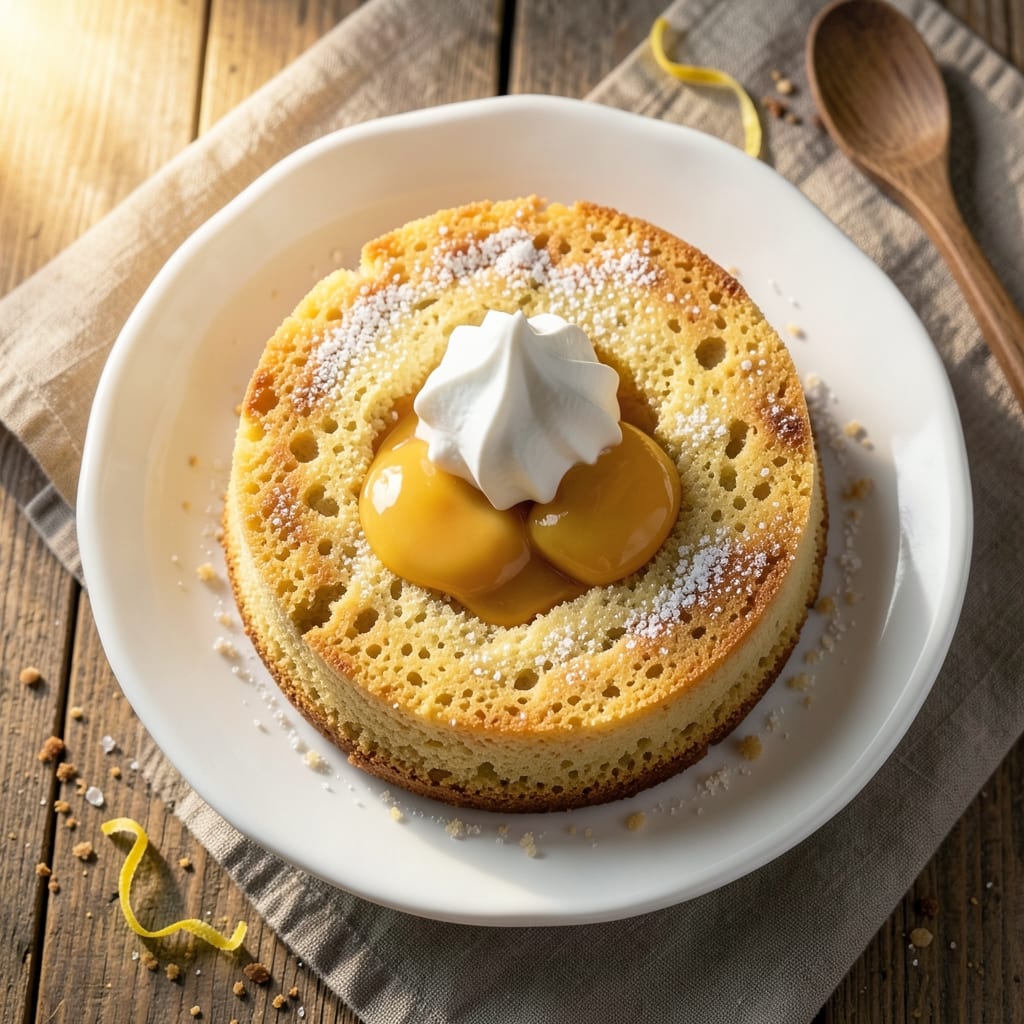
This almond flour sponge cake delivers the perfect balance of lightness and richness without a single grain of gluten. The secret lies in properly hydrating the almond flour and incorporating air gently through precise folding—techniques that transform dense flour into an ethereal, airy texture. I developed this recipe after years of experimenting with gluten-free baking, and it finally achieves the delicate crumb that rivals traditional sponge cakes.
The foundation of this recipe is a simple yet effective method: combining almond flour with eggs and a touch of sweetener to create a batter that's thick enough to hold its shape but light enough to rise beautifully. Unlike many gluten-free cakes that rely on gums or starches, this version uses only whole-food ingredients—no substitutions that compromise texture. The result is a cake that's naturally moist, tender, and perfectly springy when sliced.
What sets this almond flour sponge cake apart is its foolproof technique for achieving a light texture without gluten. The key steps include properly measuring the almond flour (it's more absorbent than wheat flour) and folding the batter just until combined to maintain air pockets. Baking at a precise temperature ensures even rise, while a simple glaze or dusting of powdered sugar adds a professional finish.
This cake is naturally gluten-free, grain-free, and can be adapted for vegan diets with simple egg substitutes. It's the ideal dessert for those avoiding gluten or following a low-carb lifestyle without sacrificing flavor or texture. Ready in just 45 minutes, it's perfect for special occasions or a simple treat that feels indulgent yet guilt-free.
Ingredients for almond flour sponge cake
Eight essential ingredients create a gluten-free masterpiece with restaurant-quality airiness and delicate crumb.
| Ingredient | Amount | Notes |
|---|---|---|
| Superfine Almond Flour 🌰 | 2 ½ cups | Blanched, finely ground for lightness |
| Large Egg Whites 🥚 | 6 whole | Room temperature, separated carefully |
| Large Egg Yolks 🥚 | 4 whole | Room temperature for smooth folding |
| Granulated Sugar 🍚 | 1 ½ cups | Superfine preferred for even dissolving |
| Unsalted Butter 🧈 | ¾ cup | Cold, cubed for proper creaming |
| Vanilla Extract 🌿 | 1 tbsp | Pure, high-quality vanilla bean preferred |
| Powdered Sugar 🍚 | ½ cup | For glaze, sifted for smooth finish |
| Milk 🥛 | ¼ cup | Whole milk for optimal moisture |
| Diamond Crystal Kosher Salt 🧂 | ½ tsp | Fine grain for precise seasoning |
| Baking Powder 🧪 | ½ tsp | Aluminum-free for gluten-free compatibility |
| Lemon Zest 🍋 | 1 tbsp | Freshly grated for bright flavor |
| Unflavored Gelatin 🍬 | 1 tsp | Bloomed in 2 tbsp cold water |
The almond flour is non-negotiable—Bob's Red Mill or King Arthur brands yield the finest texture. Look for 'blanched' on the label, as it removes bitterness for a cleaner flavor profile. Whole almond butter blended until ultra-smooth works in a pinch, but pre-ground flour ensures consistent hydration. Egg whites are the secret to lift; pasteurized liquid whites from the grocery store work if fresh ones aren't available, though room temperature makes all the difference. The butter should be cold when measured—European-style with 82% fat content creates the richest texture, available at specialty grocers like Whole Foods or Eataly.
No vanilla bean extract? Pure vanilla sugar at double the amount delivers comparable depth. Substituting powdered sugar with maple sugar or coconut sugar alters texture slightly but maintains moisture. For the gelatin, agar-agar powder at half the weight creates a vegan alternative without compromising structure. The lemon zest can be omitted if you prefer a neutral flavor, but fresh is ideal—organic lemons from the market have more vibrant oils. All ingredients should be measured by weight for precision, though volume measurements work for this forgiving recipe.
Store the cake in an airtight container at room temperature for up to 3 days, though it's best enjoyed within 24 hours. For longer storage, slice and freeze portions between parchment for up to 2 months. The glaze sets quickly, so assemble just before serving. This cake reheats beautifully—30 seconds at 350°F restores its springiness. Portion into individual layers for elegant presentation, or serve whole with fresh berries for a naturally gluten-free dessert that rivals traditional sponge cakes.
Why You'll Love This Recipe
- No Mixer Needed: The meringue-folding method is so simple—just whip egg whites until stiff peaks form, then gently fold in the yolks and almond flour. No stand mixer? A hand mixer works just fine, and honestly, the texture turns out lighter than most cakes I’ve tried.
- Buttery Almond Magic: That single stick of butter folded into the batter? It makes all the difference—rich, tender crumb with a subtle nuttiness that’s far from heavy. The sugar caramelizes just enough to give it a delicate sweetness without being cloying.
- Brunch or Dessert Star: Serve it warm with a drizzle of honey for breakfast, or dust it with powdered sugar and fresh berries for a light afternoon treat. I’ve even used slices as a base for trifles—versatile enough to fit any moment without extra effort.
- Leftovers That Last: This cake stays fresh for days, but even better? It reheats beautifully in the oven or toaster. I’ve packed it for lunch, frozen slices for quick breakfasts, and still had enough to share—no sad, dry crumbs here.
Step-by-step instructions for almond flour sponge cake
Mastering this technique delivers a delicate, airy crumb that rivals traditional flour cakes.
Bloom the Gelatin and Prepare the Butter
In a small bowl, sprinkle the 1 teaspoon unflavored gelatin over 2 tablespoons cold water from the ingredients list. Let it sit for 5 minutes to bloom completely—this means it should thicken into a jelly-like consistency without dissolving. While this happens, place the 0.75 cup unsalted butter in the refrigerator for 10 minutes to chill thoroughly. Cold butter creates stable fat crystals that whip properly, which is crucial for that signature almond flour lightness.
I like to use a fine-mesh strainer to melt the bloomed gelatin in a microwave-safe bowl for 10 seconds, then stir until fully dissolved. This creates a smooth, flavorless binder that won't leave any gritty texture in your final cake. Keep this mixture at room temperature until needed—it should remain liquid but slightly thicker than water.
Whip Egg Whites to Stiff Peaks
In a separate, spotlessly clean mixing bowl, combine the 6 whole large egg whites with the 0.5 teaspoon diamond crystal kosher salt from the ingredients. Using a stand mixer fitted with the whisk attachment, beat on medium speed until soft peaks form, then increase to high speed for 3-4 minutes until the meringue is glossy and holds stiff peaks when the whisk is lifted. You'll know it's ready when the peaks stand straight up and the meringue looks like thick, shiny frosting.
This step is non-negotiable for texture. If you rush it, the cake will collapse. I like to add the sugar gradually during the whipping process—start with 0.5 cups of the 1.5 cups granulated sugar when soft peaks form, then add the remaining 1 cup when you reach medium peaks. This gradual addition creates smaller air bubbles that distribute evenly throughout the batter.
Cream Butter and Sugar Together
In a large mixing bowl, combine the chilled 0.75 cup unsalted butter with 1 cup of the 1.5 cups granulated sugar from the ingredients list. Using the paddle attachment, beat on medium-high speed for 3-4 minutes until the mixture is pale, fluffy, and has nearly doubled in volume. This creaming process incorporates air, which prevents the dense texture that almond flour often creates.
Add the 4 whole large egg yolks, 1 tablespoon vanilla extract, 1 tablespoon lemon zest, and the dissolved gelatin mixture. Beat on medium speed for 2 minutes until fully combined and smooth. The gelatin helps stabilize the structure, while the lemon zest adds brightness that balances the richness of the almond flour. At this point, the mixture should be thick but pourable.
Fold in Dry Ingredients and Egg Whites
In a medium bowl, whisk together the 2.5 cups superfine almond flour, 0.5 teaspoon baking powder, and the remaining 0.5 cups granulated sugar. Gently fold this dry mixture into the butter-yolk mixture using a spatula, being careful not to deflate the air you've incorporated. The batter should be thick but still hold its shape when spooned.
With gentle folding motions, incorporate one-third of the whipped egg whites into the batter to lighten it. Then, carefully fold in the remaining egg whites in two additions, being sure to scrape down the sides of the bowl to ensure even distribution. The final batter should be smooth, thick, and hold its shape when spooned—this indicates proper aeration. If you see streaks of white meringue, gently fold a few more times until fully combined.
Bake to Golden Perfection
Preheat your oven to 350°F and grease two 8-inch round cake pans with butter or line them with parchment paper. Divide the batter evenly between the pans and smooth the tops with a spatula. Bake for 25-30 minutes until the edges are golden brown and a toothpick inserted into the center comes out clean. The cake should spring back slightly when pressed gently in the center.
I've found that almond flour cakes benefit from a 5-minute rest after baking before removing from the pans. This allows the structure to set slightly, preventing any potential crumbling. Once cooled completely, you can frost with the prepared glaze made from 0.5 cup powdered sugar, 0.25 cup milk, and a pinch of salt. The result should be a delicate, moist crumb with just enough structure to hold its shape—proof that gluten-free baking can be just as impressive as traditional methods.
Pro Tips For Making Almond Flour Sponge Cake
- Whip Whites Cold: Pop your egg whites straight from the fridge—cold whites whip faster and hold their volume better. I learned this the hard way after struggling with limp meringue on three separate batches. No need to thaw them first, just crack them into a grease-free bowl and get whipping. ---
- Sift the Flour: Superfine almond flour packs like cement if not aerated. Lightly sift it with the sugar before folding into yolks—this keeps the crumb light and prevents dense pockets. Yes, it’s an extra step, but your cake will actually rise instead of sink. ---
- Butter at Room Temp: Cold butter makes this sponge tough; room-temperature butter creates tender layers. Press the butter between two sheets of parchment for 10 minutes if your kitchen runs warm. Trust me, your fork will glide through the crumb like butter (literally). ---
- Check Oven Early: Almond flour cakes bake fast and burn easy—pull yours when the edges are just set and the center still jiggles slightly. Overbaking turns them into almond-flavored cardboard. A toothpick should come out clean but not dry.
Pro cooking tips for this recipe
Proper Almond Flour Hydration
Almond flour absorbs moisture differently than wheat flour, so it's critical to hydrate it properly before mixing. I always combine the 2.5 cups almond flour with the 0.5 cup milk in a separate bowl and let it sit for 5 minutes before folding into the batter. This step prevents dryness and ensures a tender crumb. For extra insurance, I sprinkle the milk gradually over the flour while whisking—this creates a fine, even distribution that mimics traditional flour behavior. 🌰
Egg White Mastery
The egg whites are where the magic happens for that signature airy texture. I swear by using a stand mixer with a whisk attachment—hand-whipping risks uneven aeration. Start with the 6 egg whites and 0.5 tsp salt on medium speed until soft peaks form, then gradually add the 1.5 cups sugar in two stages. The key is patience: whip until the meringue is glossy and holds stiff peaks that stand straight up when the whisk is lifted. If you rush this, the cake will collapse during baking.
Gentle Folding Technique
Folding the egg whites into the batter requires a light touch—think "gentle clouds" rather than vigorous mixing. I use a spatula with a flexible edge to incorporate about one-third of the whites first, then fold in the remaining two-thirds in two additions. Scrape the bowl's sides frequently to ensure even distribution. The goal is to maintain as much air as possible while combining everything smoothly. If you see streaks of white, don't panic—just fold a few more times until fully integrated. 💫
Precision Temperature Control
Baking almond flour sponge cake at 350°F is non-negotiable—any hotter and the cake will brown too quickly, any cooler and it may not set properly. I always preheat my oven for 15 minutes before baking and use an oven thermometer to confirm accuracy. The cake is done when the edges are golden and a toothpick comes out clean. Let it cool in the pan for 5 minutes before transferring to a wire rack—this prevents cracking as it cools completely.
Gelatin Secret
The 1 tsp gelatin might seem like an odd ingredient, but it's what gives this cake its perfect structure. Bloom it in 2 tbsp cold water for 5 minutes, then dissolve it gently in a microwave or double boiler. This creates a stable binder that prevents the cake from becoming too dense. I find that adding it to the butter-sugar mixture early ensures even distribution throughout the batter. For a vegan version, substitute with ½ tsp agar-agar powder dissolved in 1 tbsp water—though the texture will be slightly firmer.
Nutrition facts
Frequently asked questions
Why does this almond flour sponge cake need gelatin?
The 1 teaspoon gelatin acts as a natural stabilizer that prevents the cake from becoming too dense. Almond flour lacks gluten's structural proteins, so gelatin helps create a tender yet stable crumb. For a vegan version, use ½ teaspoon agar-agar powder dissolved in 1 tablespoon water—though the texture will be slightly firmer.
Can I make this cake without a stand mixer?
Yes, but you'll need to whip the egg whites by hand for 8-10 minutes to achieve stiff peaks. Use a clean, grease-free bowl and whisk vigorously until the meringue is glossy. For the butter mixture, use a hand mixer on high speed for 4-5 minutes to properly incorporate air. Patience is key—rushing will result in a denser cake.
How do I prevent the cake from cracking?
Let the cake cool in the pan for 5 minutes before transferring to a wire rack. Avoid opening the oven door early, as temperature fluctuations cause cracking. Also, make sure your oven is fully preheated to 350°F before baking. If cracks appear, they're usually superficial and won't affect the texture.
What's the best way to store leftovers?
Store the cake in an airtight container at room temperature for up to 3 days. For longer storage, slice and freeze portions between parchment paper for up to 2 months. To reheat, warm slices at 350°F for 30 seconds to restore freshness. The glaze may soften when reheated, so assemble just before serving.
Can I substitute regular almond flour for superfine?
Regular almond flour works, but the texture may be slightly denser. For best results, pulse regular almond flour in a food processor until it reaches a superfine consistency. Alternatively, sift it through a fine-mesh sieve before measuring. The key is achieving a smooth, fine texture that mimics traditional flour behavior.