
Desserts
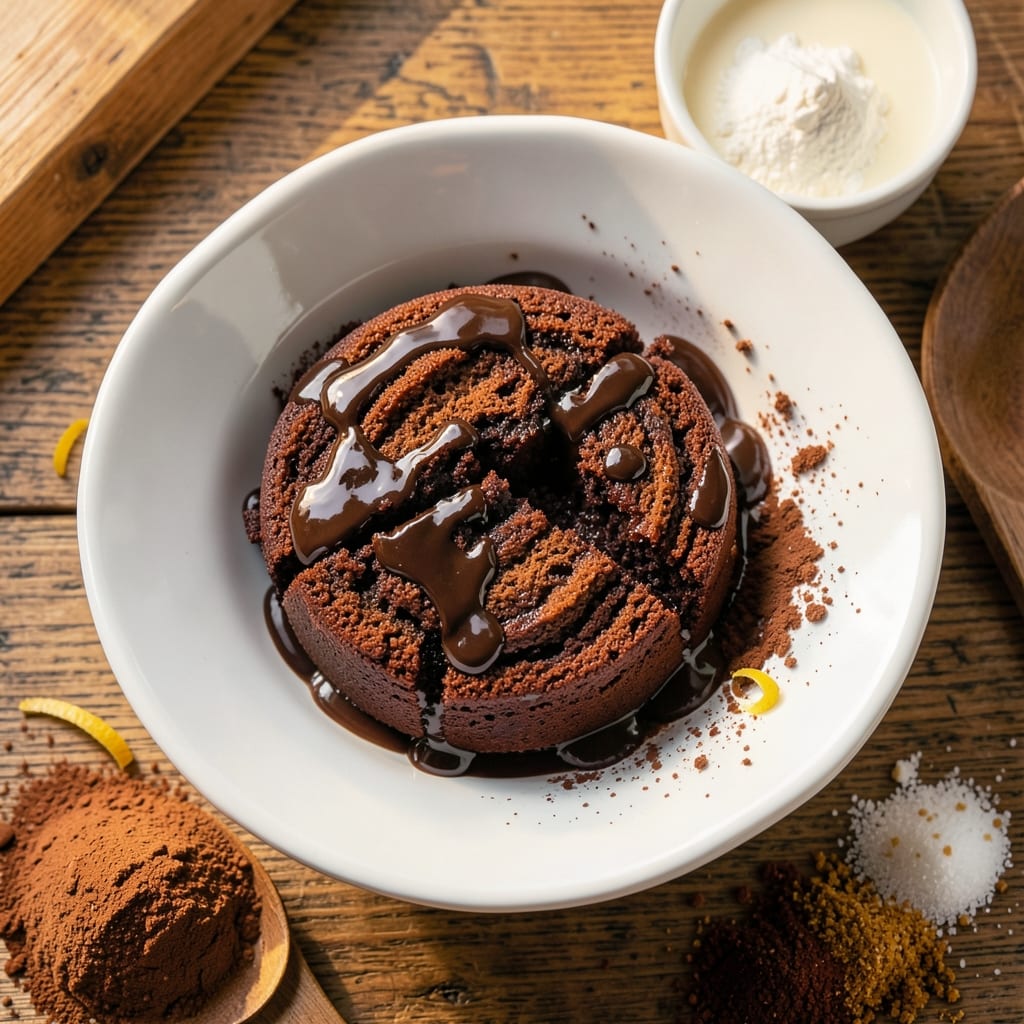
This almond milk chocolate cake delivers rich, moist layers with a subtle nutty depth that surprises even non-vegan bakers. The secret lies in using almond milk—not just as a dairy substitute, but as a flavor enhancer that creates a tender crumb and prevents dryness. After years of perfecting plant-based desserts, I've developed a method that ensures this cake stays luscious for days, with a fudgy texture that rivals traditional chocolate cakes.
What makes this recipe stand out is the balance of ingredients: cocoa powder provides deep chocolate flavor without bitterness, while almond milk adds moisture and a delicate almond aroma. The cake bakes up with a perfectly domed top and edges that stay tender, not dry. Unlike many vegan cakes that can taste overly sweet or crumbly, this version maintains a classic chocolate cake texture—just without a single drop of dairy.
The result is a cake that's ideal for celebrations, gift-giving, or satisfying your chocolate cravings guilt-free. The nutty undertones from the almond milk complement the chocolate beautifully, creating layers of flavor that linger with each bite. Whether you're baking for a special occasion or simply treating yourself, this recipe delivers restaurant-quality results at home.
For those with nut allergies, I've included a simple substitution using oat milk that maintains the cake's moisture without compromising flavor. The instructions are straightforward, with clear techniques for achieving that signature tender crumb. Let's get baking!
Ingredients for almond milk chocolate cake
Twelve ingredients blend to create a vegan cake with restaurant-quality texture and nutty depth.
| Ingredient | Amount | Notes |
|---|---|---|
| Unsweetened Almond Milk 🥛 | 1 ½ cups | Barista-style for creaminess (not powdered) |
| All-Purpose Flour 🌾 | 2 cups | Sifted for light texture |
| Dutch-Processed Cocoa Powder 🍫 | ¾ cup | High-quality for rich flavor |
| Granulated Sugar 🍚 | 1 ½ cups | Organic preferred for purity |
| Brown Sugar Packed 🍯 | ½ cup | Light or dark variety |
| Baking Soda 🧂 | 1 tsp | Pure, aluminum-free |
| Baking Powder 🧂 | 1 ½ tsp | Double-acting preferred |
| Salt 🧂 | ½ tsp | Fine sea salt preferred |
| Pure Vanilla Extract 🌿 | 1 tbsp | Bourbon-infused for depth |
| Apple Cider Vinegar 🍎 | 1 tbsp | For tenderizing effect |
| Melted Coconut Oil 🥥 | ½ cup | Unrefined for flavor |
| Oat Milk 🥛 | 1 ½ cups | Substitute for nut-free option |
The almond milk is the star here—barista-style (not powdered) delivers that signature creaminess. Trader Joe's or Silk brands excel, but any unsweetened almond milk works if it's fresh (check the 'best by' date). For the cocoa powder, Valrhona or Hershey's Special Dark are ideal, but Nestlé is fine for everyday baking. The brown sugar adds moisture and caramel notes, while the granulated sugar ensures proper browning. King Arthur Flour is my go-to for all-purpose flour—it bakes consistently, but any high-quality brand suffices. Pre-sift your dry ingredients to avoid dense layers, and measure carefully—this cake thrives on precision.
No almond milk? Oat milk works beautifully as a nut-free substitute—just ensure it's unsweetened. Running low on vanilla extract? Almond extract at half the amount adds complexity, or maple syrup (1 tbsp) can mimic the depth. The apple cider vinegar might seem odd, but it reacts with the baking soda to create lift—white vinegar works in a pinch. For the coconut oil, avocado oil is a neutral alternative if you're avoiding coconut flavor. Diamond Crystal baking powder is preferred over aluminum-containing brands, but Clabber Girl works too. The salt should be fine grain—Morton or Diamond Crystal kosher salts are reliable choices.
Store baked layers wrapped tightly in plastic wrap at room temperature for up to 3 days to maintain moisture. For longer storage, refrigerate for up to 1 week—bring to room temperature before frosting. The cake freezes beautifully: slice and freeze layers individually, then thaw at room temperature before assembling. Oat milk substitution cakes keep best refrigerated. Once frosted, store at 50-55°F for optimal texture. This cake's magic lies in its balance—never overmix the batter, and rotate pans halfway through baking for even doming.
Why You'll Love This Recipe
- No Mixer Needed: I swear by this recipe when I’m too tired to pull out the stand mixer. The Dutch-processed cocoa powder blends like a dream with the almond milk—just whisk, fold, and bake. Honestly, the batter’s so forgiving that even my lazy Sunday mornings end with a cake that tastes like it was made by a pastry chef.
- Rich Without Guilt: That combo of brown sugar and almond milk? It’s the secret to a moist, fudgy texture that doesn’t taste like it’s “diet-friendly.” The cocoa powder adds depth without bitterness, and the almond milk keeps it light enough that you won’t feel like you’re eating a brick after two slices. (Yes, even when I’m cutting back on sugar.)
- Weeknight Crowd-Pleaser: I make this for book club nights when I don’t want to stress over decorations. The neutral chocolate flavor lets it play well with fruit compotes, whipped cream, or even a sprinkle of sea salt—no one questions why it’s the dessert of the month. Between us, it’s my go-to for birthdays, too, because it’s pretty enough to impress but simple enough to assemble while chatting with guests.
- Leftovers That Last: This cake stays fresh for days if you wrap it tightly, and the slices reheat in the microwave in seconds. I’ll be real: I often bake it on Sunday and save portions for my daughter’s school lunches (she swaps the frosting for a drizzle of peanut butter). Plus, the almond milk keeps the cost down compared to heavy cream cakes—same decadence, half the guilt.
Step-by-step instructions for almond milk chocolate cake
Here's the method for a rich, dairy-free chocolate cake with perfect moisture and depth.
Preheat and Prepare Your Equipment
Preheat your oven to 350°F. I always use two 9-inch round cake pans for even baking. Grease them thoroughly with coconut oil and line the bottoms with parchment paper circles cut to fit. The oil prevents sticking, while the parchment makes cleanup effortless.
While the oven heats, sift together the 2 cups all-purpose flour, 1.5 teaspoons baking powder, 1 teaspoon baking soda, and 0.5 teaspoon salt in a medium bowl. This step ensures a light, airy texture by breaking up any flour lumps. Set aside for now—we'll combine it with the wet ingredients next.
Combine Wet Ingredients for Maximum Moisture
In a separate large bowl, whisk together the 1.5 cups unsweetened almond milk and 1.5 cups oat milk until fully combined. The almond milk adds nutty depth, while the oat milk enhances moisture. Add the 1 tablespoon apple cider vinegar and mix well—this creates a gentle chemical reaction that tenderizes the cake.
In a small saucepan, gently warm the 0.5 cup melted coconut oil and 1.5 cups granulated sugar together over low heat until the sugar dissolves completely. This ensures a smooth batter without grainy texture. Let the mixture cool slightly before proceeding—it should be warm to the touch but not hot.
Mix Wet and Dry Ingredients Gently
To the warm sugar mixture, add the 0.5 cup brown sugar, 1 tablespoon pure vanilla extract, and 0.75 cup Dutch-processed cocoa powder. Whisk until the cocoa powder is fully dissolved and the mixture is smooth. The Dutch-processed cocoa reduces bitterness while intensifying chocolate flavor.
Gradually add the sifted dry ingredients to the wet mixture in three parts, mixing just until combined after each addition. I use a spatula to fold gently—overmixing develops gluten, which can make the cake dense. The batter should be thick but pourable, with no visible flour streaks.
Bake Until Springy and Evenly Set
Divide the batter evenly between the two prepared pans. Tap each pan gently on the counter to remove any air bubbles. Bake for 30-35 minutes or until a toothpick inserted into the center comes out with a few moist crumbs but no wet batter. The edges should pull away slightly from the pan.
Watch closely during the last 5 minutes of baking—this cake has a tendency to rise quickly and set fast. If the top browns too quickly, tent loosely with foil to prevent overbrowning while maintaining moisture. Let the cakes cool in the pans for 10 minutes before transferring to a wire rack to cool completely.
Layer and Serve for Perfect Texture
Once completely cooled, place one cake layer on a serving plate. Spread a thin layer of your preferred dairy-free frosting or whipped cream between layers if desired. The almond milk and oat milk combination keeps the cake tender enough to slice cleanly without crumbling.
Repeat with the second layer and frost the top and sides. This cake holds its moisture beautifully for up to 3 days when stored properly in an airtight container at room temperature, or you can freeze it for up to 3 months for fresh-baked flavor whenever you need it.
Pro Tips For Making Almond Milk Chocolate Cake
- Whisk the Almond Milk: Heat the unsweetened almond milk for 30 seconds in the microwave first—just until it’s warm to the touch. This helps the flour absorb better and prevents a dense, gummy texture. I learned this after my first batch turned out like a brick, and now it’s the thing that matters most. ---
- Sift the Cocoa Twice: Dutch-processed cocoa powder clumps like a stubborn child if you don’t handle it right. Sift it before mixing with dry ingredients, then sift it again after combining with flour. This guarantees no gritty surprises in every bite—your future self will notice the difference. ---
- Bake Until Slightly Under: Pull the cake out when the center still jiggles just a little (about 3-4 minutes early). It’ll finish setting as it cools, and overbaking turns it dry. I used to wait for the toothpick test, but this method keeps it moist—especially with almond milk, which can make cakes drier. ---
- Fold, Don’t Stir: When adding the wet ingredients to the dry, fold with a spatula in broad, gentle strokes. Stirring too hard incorporates air bubbles that collapse during baking, leading to a flat top. Sounds weird, but it works—your cake will rise properly, no questions asked.
Dietary considerations for these flavors
Vegan-Friendly Foundation
This cake relies on almond milk as its dairy substitute, but it's more than just a replacement—it enhances the flavor profile with subtle nutty undertones that complement the chocolate beautifully. The apple cider vinegar and baking soda combination creates lift without eggs, while coconut oil provides moisture and richness. For those avoiding nuts entirely, oat milk works as a seamless substitute, maintaining the cake's tender crumb structure. 🥛
Gluten-Free Adaptation
To make this cake gluten-free, replace the all-purpose flour with a 1:1 gluten-free baking flour blend like Bob's Red Mill or King Arthur. Add ½ teaspoon xanthan gum to the dry ingredients to improve elasticity and prevent crumbling. For best results, measure ingredients precisely—gluten-free flours absorb moisture differently. The texture will be slightly denser but still moist and delicious.
Nut-Free Considerations
If nut allergies are a concern, swap the almond milk for oat milk or soy milk (both work well). For added richness, include 1 tablespoon ground flaxseed mixed with 3 tablespoons water to replace the binding properties of eggs. The cake will maintain its fudgy texture while staying safe for nut-sensitive guests. Always check labels to ensure all ingredients are nut-free.
Sugar-Free Options
For a lower-sugar version, reduce the granulated sugar to 1 cup and replace the remaining ½ cup with a sugar substitute like monk fruit sweetener or erythritol. The brown sugar can be replaced with ½ cup unsweetened applesauce for moisture and natural sweetness. Note that sugar substitutes may alter the cake's texture slightly, so expect a marginally denser but still moist result. Taste as you go and adjust to preference.
Egg-Free Binding
This recipe already avoids eggs, but if you're using it as a base for other vegan adaptations, the apple cider vinegar and baking soda work together to create lift. For additional binding, add 1 tablespoon ground flaxseed mixed with 3 tablespoons water to the wet ingredients. This creates a gel-like consistency that mimics eggs, ensuring the cake holds together beautifully without compromising texture. 💪
Nutrition facts
Frequently asked questions
Can I use regular milk instead of almond milk in this recipe?
The almond milk is essential for both flavor and texture—it creates that signature nutty depth and keeps the cake moist. If you must substitute, use 1.5 cups unsweetened soy milk or oat milk for a similar texture, but the flavor will be less rich. Regular dairy milk will make the cake denser and alter the delicate balance of flavors.
Why does my almond milk chocolate cake turn out dry?
Dryness usually happens from overbaking or overmixing. Check your oven temperature with a thermometer—it should read 350°F accurately. Also, ensure you're not overmixing the batter (just until combined). For extra moisture, brush warm layers with simple syrup (equal parts sugar and water) before frosting.
How do I make this cake gluten-free?
Replace the all-purpose flour with a 1:1 gluten-free baking flour blend (like Bob's Red Mill) and add ½ teaspoon xanthan gum to the dry ingredients. Measure carefully—gluten-free flours absorb moisture differently. The texture will be slightly denser but still moist and delicious. Always check labels for cross-contamination warnings.
Can I bake this in a different pan size?
Yes, but adjust baking time accordingly. For 8-inch pans, bake 25-30 minutes (check at 25 minutes). For 10-inch pans, reduce batter by about 20% and bake 35-40 minutes. Always use the toothpick test—it should come out with moist crumbs, not wet batter. Rotate pans halfway for even baking.
What's the best dairy-free frosting for this cake?
My top recommendations are: vegan cream cheese frosting (mix powdered sugar with vegan cream cheese and vanilla), chocolate ganache (melted dairy-free chocolate + coconut cream), or whipped coconut cream (chilled overnight for firmness). All pair beautifully with the cake's nutty-chocolate flavor profile.