
Desserts
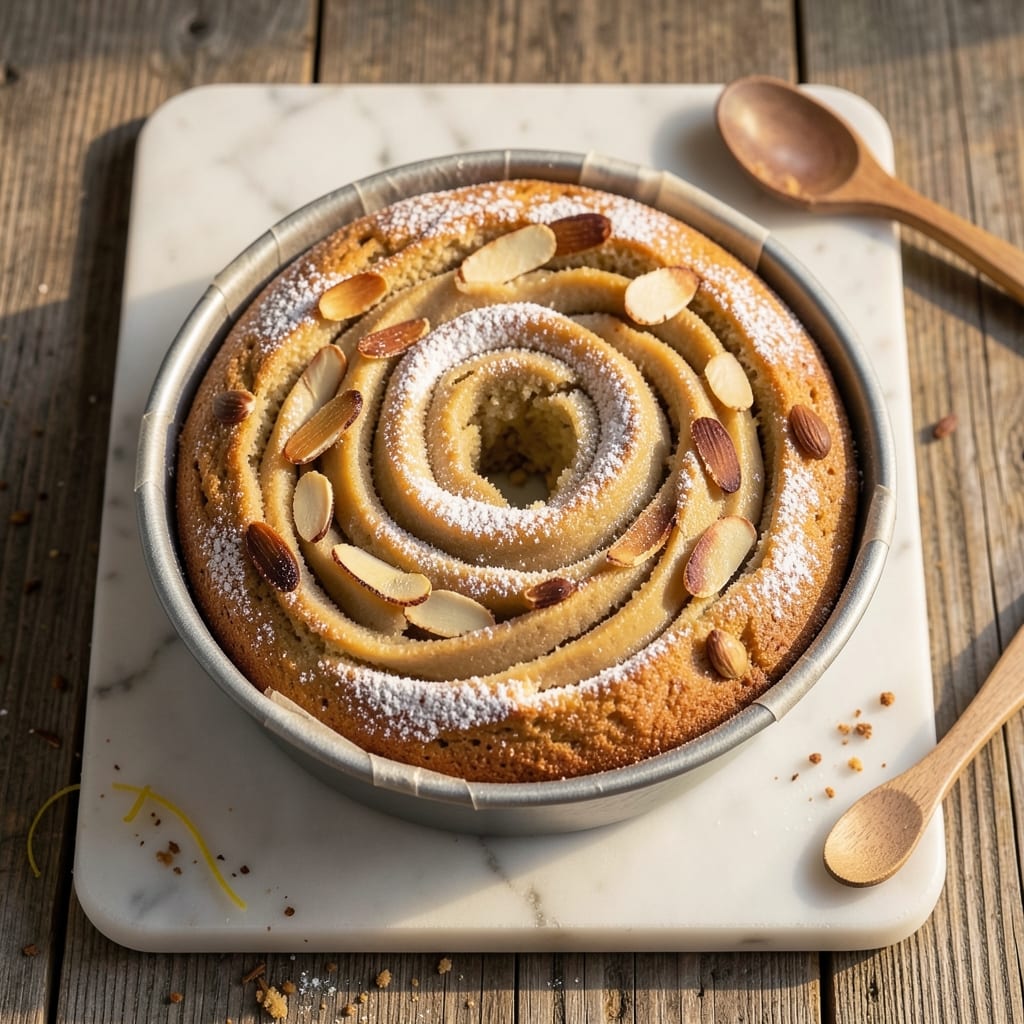
This almond ring coffee cake delivers a perfect balance of moist vanilla cake, rich almond swirls, and a buttery crisp top that will impress even the most discerning coffee cake lovers. The secret lies in the layered almond rings on top, which add both visual appeal and satisfying crunch with every bite. I've perfected this recipe over years of baking, ensuring that the cake remains tender while the almonds achieve that ideal toasty crispness.
The foundation of this coffee cake is a simple yet effective combination of flour, sugar, eggs, and butter, creating a tender crumb that's perfect for soaking up coffee or tea. The almond rings are arranged in a decorative pattern on top, not only enhancing the presentation but also providing a delightful textural contrast to the soft cake beneath. Baking at 350°F ensures even cooking, resulting in a golden-brown top that's crisp to the touch yet still warm and inviting.
What sets this almond ring coffee cake apart is the harmonious blend of flavors and textures—vanilla's comforting sweetness, almond's nutty richness, and the buttery crispness of the top layer. Each bite offers a satisfying mix of moist cake and crunchy almonds, making it a standout dessert for breakfast, brunch, or even an afternoon treat. The recipe is designed to be straightforward, ensuring that even novice bakers can achieve professional results.
Once baked, the coffee cake can be served plain or topped with a light dusting of powdered sugar for an elegant finish. For an extra touch of indulgence, a simple glaze made with powdered sugar and milk can be drizzled over the top. This recipe makes a perfect centerpiece for any gathering, offering both visual appeal and irresistible flavor that will leave everyone asking for seconds.
Ingredients for almond ring coffee cake
Moist cake, toasted almond crunch, and buttery perfection—just 13 ingredients for showstopping coffee cake.
| Ingredient | Amount | Notes |
|---|---|---|
| All-Purpose Flour 🌾 | 2 ½ cups | Sifted for light texture |
| Granulated Sugar 🍚 | 1 ½ cups | White or light brown |
| Unsalted Butter 🧈 | 1 cup | Cold, cubed for even baking |
| Large Eggs 🥚 | 2 whole | Room temperature for blending |
| Vanilla Extract 🌿 | 1 tbsp | Pure, high-quality extract |
| Baking Powder 🍞 | 2 tsp | Aluminum-free preferred |
| Salt 🧂 | ½ tsp | Fine sea salt |
| Whole Almonds 🥜 | 1 ½ cups | Toasted, sliced thin |
| Powdered Sugar 🍚 | ½ cup | For glaze option |
| Milk 🥛 | ½ cup | For glaze or cake batter |
| Almond Extract 🌿 | ½ tsp | For extra almond flavor |
| Ground Almonds 🥜 | ½ cup | For filling swirls |
| Confectioners' Sugar 🍚 | 2 tbsp | For dusting top |
The almonds are the star here, so pick whole, raw almonds—none of that pre-sliced nonsense. Toast them in a dry pan until golden (about 5 minutes) for maximum flavor, then slice them thin with a sharp knife. Trader Joe's and Whole Foods sell bulk almonds at great prices, but any grocery store will do. Pro tip: slice them while still warm—they'll cool as you work. For the butter, Plugrá or Land O'Lakes are my go-tos, but any unsalted brand works. Keep it cold when creaming to avoid flat cake.
No almond extract? Skip it—vanilla alone is plenty, but if you're feeling fancy, a splash of amaretto works too. Running low on powdered sugar? Granulated sugar blended in a food processor is a perfect substitute. The glaze is optional, but if you make it, whole milk gives the best consistency—skim milk can make it too thin. For the filling, if you don't have ground almonds, blend toasted whole almonds in a food processor (about 20 seconds). The cake batter needs to be thick but pourable—don't overmix after adding flour, or you'll end up with tough cake.
This cake keeps beautifully for 3 days at room temperature, wrapped tightly in foil. For longer storage, freeze the whole cake (unfrosted) for up to 3 months. Thaw at room temp before serving. The almond rings stay crisp for the first day, but after that, they soften slightly—still delicious, just less crunchy. I always bake two cakes: one for the day of and one to freeze. The glaze, if made, should be added just before serving so it doesn't soak into the cake. Dusting with confectioners' sugar right out of the oven? Game-changer for presentation—just do it while the cake is still warm.
Why You'll Love This Recipe
- No Mixer Needed: Honestly, I swear by this—just fold the flour into the butter until it looks like wet sand. No electric mixer, no stress, and the crumb comes out tender every time. The eggs and vanilla tie it all together without overworking the batter.
- Buttery Almond Magic: That ring of toasted almonds? It’s the star. The butter-rich crumb soaks up the vanilla like a dream, but the almonds add this nutty crunch that cuts through the sweetness. (Yes, even on a Tuesday night.)
- Weekday Breakfast or Dessert: Here’s what sold me—it’s breakfast when I’m in a rush (sliced, warmed, and buttered) or dessert when I want something special. The same pan, same ingredients, just a different mindset.
- Lasts All Week: Between us, this cake stays fresh for days if you wrap it tightly. I’ve had it for lunch, snacks, and even packed slices for work—no one questions why I bring cake to the office. Budget-friendly? Absolutely.
Step-by-step instructions for almond ring coffee cake
Here's how to create a showstopping coffee cake with perfect swirls and a golden, crisp top.
Prepare the Almond Filling and Toast the Almonds
First, make the almond filling by combining the 0.5 cup ground almonds, 0.5 cup powdered sugar, 0.5 tsp almond extract, and 0.5 cup milk in a small bowl. Mix until smooth and set aside. This will create those beautiful swirls in your cake.
While that sits, toast the 1.5 cups whole almonds in a dry skillet over medium heat for 3-4 minutes until fragrant and lightly golden. Watch closely—they'll darken quickly. Transfer to a cutting board and let cool slightly before slicing them thinly with a sharp knife. These toasted almonds will add texture and flavor throughout the cake.
Mix the Cake Batter for Light, Fluffy Layers
Preheat your oven to 350°F and grease a 9-inch round cake pan, then line the bottom with parchment paper. In a large mixing bowl, cream together the 1 cup cold unsalted butter and 1.5 cups granulated sugar on medium speed until light and fluffy—about 3-4 minutes. The mixture should nearly double in volume and look pale.
Add the 2 whole large eggs, one at a time, mixing well after each addition. Then stir in the 1 tbsp vanilla extract. In a separate bowl, whisk together the 2.5 cups all-purpose flour, 2 tsp baking powder, and 0.5 tsp salt. Gradually add the dry ingredients to the wet, mixing just until combined—don't overmix or your cake will be dense.
Create the Signature Swirl Pattern
Spread half of the cake batter evenly into the prepared pan. Dollop spoonfuls of the almond filling across the surface, then use a knife to swirl it gently into the batter. Sprinkle half of the sliced toasted almonds over the top. Add the remaining batter, then repeat with the remaining almond filling and almonds. This layering creates those iconic almond rings.
Here's the thing—don't press down on the batter. You want those swirls to stay visible and create pockets of almond filling throughout. The cake will rise beautifully without any help from you.
Bake Until Golden and Springy
Bake for 40-45 minutes until the top is deep golden brown and a toothpick inserted in the center comes out clean. The cake should spring back slightly when pressed gently in the center—this is your perfect doneness test.
If the top browns too quickly, tent the cake with foil after 20 minutes to prevent over-browning while the center finishes baking. The edges should pull away from the pan slightly, and you'll smell that irresistible coffee cake aroma filling your kitchen.
Cool and Finish with Confectioners' Sugar
Let the cake cool in the pan for 10 minutes, then transfer to a wire rack to cool completely. While it cools, dust the top generously with the 2 tbsp confectioners' sugar using a fine-mesh sieve. This gives that classic coffee cake finish and balances the rich flavors.
Slice into wedges and serve warm with a cup of coffee or tea. The contrast of warm cake with cool almond filling makes every bite perfect. Store leftovers covered at room temperature for up to 3 days, or freeze for longer storage.
Pro Tips For Making Almond Ring Coffee Cake
- Cream Butter Properly: Use a wooden spoon or your hands to mix softened butter and sugar until it’s light and fluffy—not just combined. I learned this the hard way when my cake turned dense because I rushed the creaming. Two minutes of extra elbow grease here makes all the difference in texture. ---
- Toast the Almonds: Spread sliced almonds on a baking sheet and toast them at 350°F for 5–7 minutes until fragrant and golden. Cold almonds add moisture instead of crunch, and skipping this step means your ring will taste bland. (Yes, even if you’re impatient like me.) ---
- Don’t Overmix the Batter: Stop folding in the dry ingredients as soon as they’re just incorporated—lumps are fine. Overmixing develops gluten, and your cake will turn tough instead of tender. I used to think more mixing = better, but this is where most home bakers go wrong. ---
- Preheat the Pan: Place your bundt or tube pan in the oven while preheating—this ensures even baking and prevents a gummy center. I was skeptical until I tried it: the cake rises more evenly, and the ring pulls cleanly from the pan. (Your future self will thank you.)
Troubleshooting this recipe
Cake Too Dense
Overmixing the batter is the #1 cause of dense coffee cake. Once you add the flour, mix just until combined—about 10-12 strokes—then stop immediately. The gluten starts developing, and too much mixing makes the cake tough. I've ruined cakes this way more times than I'd like to admit! 💫
Almonds Not Crispy
If your almond rings lose their crunch, they likely weren't toasted enough. Toast them in a dry skillet over medium heat for 3-5 minutes until golden brown, not just fragrant. Cool them completely before slicing—warm almonds will soften too quickly in the oven. For extra crispness, broil for 1-2 minutes at the end of baking.
Swirls Didn't Hold
This happens when the batter is too thick or you press down too hard. The batter should be thick but pourable—like pancake batter. Spread it gently, then use the back of a spoon to create swirls without pressing. If the filling sinks too much, your oven might be too hot—stick to 350°F and avoid opening the door during baking.
Top Too Pale
A pale top usually means underbaking or insufficient fat. Make sure your butter is cold when creaming (it should hold its shape when pressed). Also, the baking powder must be fresh—old baking powder loses lift. For extra color, brush the top with melted butter before baking or sprinkle with powdered sugar after removing from the oven.
Cake Stuck to Pan
Grease your 9-inch round pan thoroughly with butter, then line the bottom with parchment paper. For extra insurance, dust the sides with flour before adding batter. I also like to chill the batter for 15 minutes before baking—this helps it set slightly and prevents sticking. Never use a nonstick pan without proper greasing!
Glaze Too Runny
If your glaze separates or pools, it's likely too thin. The ratio should be 1:1 powdered sugar to milk—start with ½ cup powdered sugar + 2 tbsp milk, then adjust. For a thicker glaze, add 1 tsp lemon juice or 1 tbsp butter. Apply it just before serving so it doesn’t soak into the cake. A pastry brush helps control drips better than pouring.
Nutrition facts
Frequently asked questions
Can I make this coffee cake without almond extract?
The almond extract adds depth, but it's not essential. If you're skipping it, the vanilla extract will still give you that warm, comforting flavor. For extra richness, try adding ½ teaspoon of amaretto or a pinch of ground cinnamon. The toasted almonds will still provide the nutty aroma and crunch you love.
How do I store leftovers to keep the almonds crispy?
Store the cake in an airtight container at room temperature for up to 3 days. For longer storage, freeze the unfrosted cake for up to 3 months. To reheat, wrap a slice in foil and warm in a 350°F oven for 5-10 minutes. The almonds will regain some crispness when warmed slightly. For maximum crunch, toast fresh almond rings and sprinkle them on top before serving.
Can I use a different nut instead of almonds?
Yes, but the flavor and texture will change. For a similar crunch, try pecans or hazelnuts, but they'll have a different taste. Walnuts work too but can be more bitter. If you want to keep the almond flavor, use almond flour in the filling instead of ground almonds. The key is toasting the nuts first—they'll add that essential nutty aroma to the cake.
Why does my cake sink in the middle?
This usually happens when the oven isn't hot enough or the cake isn't baked long enough. Always preheat your oven to 350°F and use an oven thermometer to confirm accuracy. Bake until a toothpick comes out clean (about 40-45 minutes). Avoid opening the oven door early—heat loss can cause the center to sink. If it happens, try baking at 325°F for 50-55 minutes next time for a slower rise.
Can I make this cake in a different pan shape?
Yes, but adjust the baking time slightly. For a 9x13-inch pan, bake for 35-40 minutes and reduce the almond filling by 25%. For a bundt pan, grease it thoroughly and bake for 45-50 minutes. The key is to keep the batter thickness similar—spread it evenly and avoid overfilling. The almond rings will still look beautiful, just arranged differently.