
Desserts
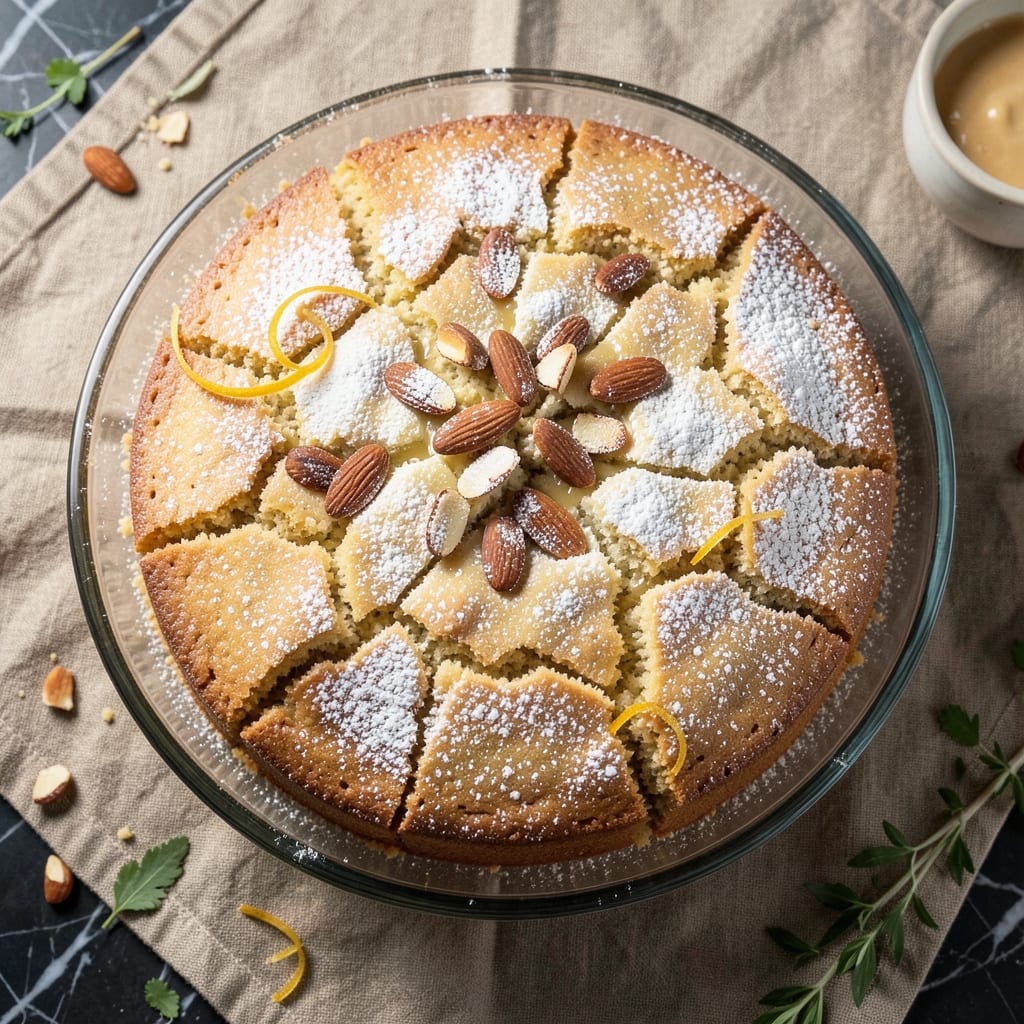
This almond sour cream pound cake delivers the perfect balance of nutty depth and buttery moisture in every slice—no dry crumbs in sight. The secret lies in the sour cream, which keeps the crumb tender while the almond flour adds subtle richness and a delicate crunch. I’ve baked this recipe countless times for gatherings, and it’s always the last piece to disappear.
The recipe combines classic pound cake techniques with almond’s signature warmth, creating a cake that’s ideal for breakfast or dessert. A simple swirl of almond paste or a sprinkle of toasted almonds on top adds visual appeal and extra flavor without complicating the process. The cake bakes up golden and even, with a fine, velvety crumb that’s impossible to resist.
What makes this recipe stand out is its foolproof method—no special tools required, just precise measurements and a steady hand. The sour cream ensures moisture, while the almond flour gives it a sophisticated twist that pairs beautifully with powdered sugar, fresh berries, or a drizzle of honey. Once you try it, you’ll never go back to store-bought again.
Perfect for brunch, afternoon tea, or a celebratory dessert, this cake keeps well for days and tastes even better the next day. Whether you’re serving it warm or at room temperature, it’s guaranteed to impress. Let’s get baking!
Ingredients for almond sour cream pound cake
Twelve ingredients for a cake that’s tender, nutty, and always the last slice gone.
| Ingredient | Amount | Notes |
|---|---|---|
| All-Purpose Flour 🌾 | 3 cups | Sifted for lightness |
| Almond Flour 🥜 | 1 ½ cups | Finely ground preferred |
| Granulated Sugar 🍚 | 2 cups | White or light brown |
| Sour Cream 🥛 | 1 cup | Full-fat for moisture |
| Unsalted Butter 🧈 | 1 cup | Room temperature, cubed |
| Large Eggs 🥚 | 4 whole | Room temperature |
| Almond Paste 🥜 | ½ cup | For nutty swirls |
| Vanilla Extract 🌿 | 2 tsp | Pure vanilla preferred |
| Baking Powder 🧂 | 2 tsp | Aluminum-free recommended |
| Salt 🧂 | ½ tsp | Fine sea salt |
| Powdered Sugar 🍚 | 1 cup | For dusting |
| Toasted Sliced Almonds 🥜 | ¼ cup | For garnish |
The almond flour is key here—Bob’s Red Mill or King Arthur brands are my go-tos for consistency. If you can’t find almond flour, blend whole almonds into a fine powder (food processor works great). The sour cream must be full-fat for that signature moisture, and store-bought or homemade both work. For the butter, I always use Land O’Lakes or Plugrá—they’re reliable for room-temperature creaming. Eggs should be at room temperature for even baking, so take them out 30 minutes before mixing.
No almond paste? Almond butter thinned with a little milk works in a pinch, though texture will differ slightly. Swap almond flour for hazelnut flour at the same ratio if you prefer. The vanilla extract matters—imitation vanilla won’t give the same depth. For the powdered sugar, Domino or C&H brands are fine, but if you’re dusting a lot, consider buying in bulk. The baking powder should be fresh—if it’s past its expiration, test it in a small batch of batter to ensure it still rises.
This cake keeps beautifully for 3-4 days in an airtight container at room temperature, or up to 1 week in the fridge. For longer storage, freeze slices wrapped in plastic for up to 3 months. I like to portion it into single slices before freezing—just thaw at room temperature for 10 minutes. The almonds and powdered sugar should be stored in airtight containers to prevent moisture. Leftovers reheat well in the microwave for 10 seconds if you prefer them warm.
Why You'll Love This Recipe
- No Mixer Needed: I swear by this—just fold the almond flour into the wet ingredients until just combined. No overworking, no sticky mess, and that butter-sour cream combo makes it tender without effort. Honestly, my stand mixer gets a break for this one.
- Buttery-Almond Magic: The almond flour gives it that subtle nutty depth, while the sour cream keeps it moist and rich—like a hug in cake form. And that crispy top? Worth the 10 extra minutes in the oven. (Yes, even on a Tuesday night.)
- Weekend Brunch Star: Slice it warm for breakfast with a drizzle of honey, or serve it chilled with berries for a no-fuss dessert. It’s the kind of cake that actually disappears at gatherings—no one will guess it’s not from a bakery.
- Leftovers That Don’t Suck: This cake stays fresh for days (yes, really) and tastes just as good the third day. I’ve repurposed slices into French toast, trifle layers, or even crumbled over yogurt—zero waste, all flavor. My freezer’s favorite.
Step-by-step instructions for almond sour cream pound cake
Here's how to bake a tender, nutty cake with perfect moisture and rich swirls—every detail matters.
Prepare the Dry Ingredients for Lightness
In a medium bowl, whisk together the 3 cups All-Purpose Flour, 1.5 cups Almond Flour, 2 cups Granulated Sugar, 2 tsp Baking Powder, and 0.5 tsp Salt. Sift the flour mixture through a fine-mesh sieve directly into the bowl to aerate it—this prevents dense pockets in the cake. The almond flour adds nutty depth while keeping the texture tender.
Set aside the dry mixture while you prepare the wet ingredients. The key here is to maintain separation until the final moment to preserve the cake's rise. I like to use a wire whisk for this step to ensure even distribution of the baking powder throughout the flour.
Cream Butter and Sweeteners Until Fluffy
In a stand mixer fitted with the paddle attachment, beat the 1 cup Unsalted Butter (at room temperature) and 2 cups Granulated Sugar on medium speed for 3-4 minutes. The mixture should become light and fluffy, nearly doubling in volume, with ribbons forming when the paddle is lifted. This creaming process incorporates air, which creates the cake's signature tender crumb.
If the butter isn't softened enough, it won't cream properly—you'll know because the mixture will look greasy rather than fluffy. I press the butter between my fingers to test: it should leave a slight indentation but hold its shape. Add the 2 tsp Vanilla Extract and mix for another 10 seconds to distribute the flavor evenly.
Combine Wet Ingredients for Moisture
In a separate bowl, whisk together the 4 whole Large Eggs (at room temperature), 1 cup Sour Cream, and the remaining 2 tsp Vanilla Extract. The sour cream adds moisture and a subtle tang that balances the sweetness. Room-temperature eggs incorporate more smoothly and create a lighter batter.
Gradually pour the egg mixture into the creamed butter and sugar while mixing on low speed for 1 minute. Scrape down the sides of the bowl to ensure everything combines evenly. The batter should be smooth but slightly thicker than pancake batter—this consistency ensures a moist, tender crumb rather than a dense one.
Fold in Dry Ingredients and Almond Paste
With the mixer on low speed, gradually add the dry ingredient mixture to the wet, mixing just until combined—no more than 30 seconds. Overmixing develops gluten, which can make the cake tough. Stop as soon as the flour disappears.
Remove the bowl from the mixer and gently fold in the 0.5 cup Almond Paste using a rubber spatula. The almond paste will create beautiful swirls throughout the cake. For even distribution, press the paste into the batter in small dollops rather than spreading it out—this creates marbled patterns when baked. Be careful not to overmix at this stage.
Bake for Even Golden Perfection
Preheat your oven to 350°F and grease a 10x5-inch loaf pan thoroughly with butter or baking spray. Pour the batter into the prepared pan and smooth the top with a spatula. Sprinkle the 0.25 cup Toasted Sliced Almonds evenly over the top for added crunch and visual appeal.
Bake for 50-55 minutes, or until a toothpick inserted into the center comes out clean. The cake should be golden brown on top and pull away slightly from the edges of the pan. If the top browns too quickly, tent the pan with foil after 30 minutes to prevent over-browning while ensuring even cooking.
Cool and Dust for Final Touches
Remove the cake from the oven and let it cool in the pan for 10 minutes. Then transfer it to a wire rack to cool completely. While it cools, sift the 1 cup Powdered Sugar over a fine-mesh sieve and dust generously over the top of the cake. This not only adds sweetness but also creates a professional finish.
The cake should yield to gentle pressure when pressed—if it springs back too quickly, it may need a few more minutes to cool. Once fully cooled, slice into 12 even pieces for perfect portions. Serve at room temperature for the best texture and flavor balance.
Pro Tips For Making Almond Sour Cream Pound Cake
- Whisk Sour Cream First: Mix the sour cream with the sugar before adding it to the butter. I learned this the hard way—adding it cold makes the batter split, and no one wants a cake that looks like it’s fighting itself. Let the sugar dissolve into the sour cream for 2-3 minutes while you cream the butter, and the texture stays smooth. ---
- Sift Almond Flour Twice: Almond flour is sneaky—it clumps like a bad ex. Sift it once into the dry ingredients, then give the bowl a quick shake and sift again. Skimp here, and your cake turns out dense instead of light. Yes, it’s extra work, but the payoff is worth it. ---
- Don’t Overmix the Batter: Stop folding in the wet ingredients the second everything’s just combined. I used to beat this like a madwoman, thinking more mixing = better cake. Wrong. Overmixing glues the gluten in the all-purpose flour, and suddenly you’ve got a tough, chewy brick instead of a tender crumb. One turn of the spatula is all it takes. ---
- Rotate the Pan: The oven’s hot spots are real, and your cake will know. After 20 minutes, swap the pan from front to back and side to side. I was skeptical until I tried it—now my cakes rise evenly, no matter where I bake them. (Your future self will thank you.)
Troubleshooting your almond sour cream pound cake
Cake Too Dense
If your cake turns out dense instead of tender, overmixing the batter is likely the culprit. I’ve found that mixing the dry ingredients into the wet ones for more than 30 seconds develops gluten, which creates a tough texture. Also, ensure your butter is at room temperature—cold butter won’t cream properly, leading to a compact crumb. For extra moisture, add 1 tablespoon of milk to the batter if needed. 💡
Uneven Baking
Uneven baking often happens when the oven isn’t properly preheated or the cake pan isn’t evenly greased. Always preheat your oven for at least 15 minutes before baking, and use a 10x5-inch loaf pan that’s well-coated with butter or baking spray. For extra insurance, place the pan on the middle rack to ensure even heat distribution. If the top browns too quickly, tent the pan with foil after 30 minutes. ✨
Dry or Crumbly Texture
A dry cake usually means the batter was too thick or the oven temperature was too high. To fix this, reduce your oven temperature to 325°F and bake for 60-65 minutes instead of 350°F. Also, make sure your sour cream is full-fat—low-fat versions can dry out the cake. For added moisture, brush the cooled cake with a simple syrup made from ½ cup sugar and ¼ cup water, heated until dissolved. 🥛
Almond Paste Not Swirling
If the almond paste stays in clumps instead of creating beautiful swirls, the batter might have been overmixed or the paste wasn’t folded in gently. To fix this, press the almond paste into the batter in small dollops using a rubber spatula, then fold just until combined. For a more dramatic effect, use a knife to gently swirl the paste into the batter before baking. If you don’t have almond paste, try spreading ¼ cup almond butter on top of the batter before baking for a similar effect. 🥜
Cake Sticking to Pan
Cake sticking is usually a sign of insufficient greasing or baking too long. Always grease your pan thoroughly with butter and dust it with flour or almond flour before pouring in the batter. For extra insurance, line the pan with parchment paper cut to fit the bottom. If the cake still sticks, let it cool in the pan for 15 minutes before transferring to a wire rack—this helps it release more easily. 🧈
Baking Time Off
If your cake is underbaked (gooey center) or overbaked (dry), adjust your baking time or temperature. For a 10x5-inch loaf pan, 350°F for 50-55 minutes is ideal, but ovens vary. Test doneness with a toothpick—it should come out clean or with a few moist crumbs. If your oven runs hot, reduce the temperature by 25°F and bake for 5-10 minutes longer. For underbaked cakes, tent with foil and return to the oven for 5-10 minutes. 🔥
Nutrition facts
Frequently asked questions
Can I substitute almond flour with regular flour?
You can, but the texture will change. Replace the almond flour with an equal amount of all-purpose flour, but expect a less nutty flavor and slightly denser crumb. For best results, keep the almond flour—it adds that signature richness and tender texture. If you're avoiding nuts, try hazelnut flour instead for a similar effect.
How do I make this cake gluten-free?
Swap the all-purpose flour for a 1:1 gluten-free baking flour blend, like Bob's Red Mill or King Arthur. Use the same measurement (3 cups) and ensure your almond flour is certified gluten-free. Check that your baking powder is also gluten-free, as some brands contain wheat. The texture may be slightly different but still delicious.
What’s the best way to store leftovers?
Keep the cake in an airtight container at room temperature for up to 3 days. For longer storage, refrigerate for 1 week or freeze slices wrapped in plastic for 3 months. Thaw frozen slices at room temperature for 10 minutes before serving. The flavor actually improves as it sits!
Why does my cake have a crack in the middle?
A crack usually means the cake baked too long or the oven was too hot. Check your oven temperature with an oven thermometer—it might be running hot. For a 10x5-inch pan, 350°F is ideal, but reduce to 325°F if needed. Also, avoid opening the oven door during baking to prevent temperature fluctuations.
Can I add fruit like blueberries or raspberries?
Gently fold in 1 cup of fresh or frozen berries (tossed in flour to prevent sinking) when adding the dry ingredients. For a swirl effect, layer batter and berries in the pan before baking. Blueberries or raspberries add a lovely contrast to the nutty flavor. Just reduce the batter by ¼ cup to account for the extra moisture.