
Desserts
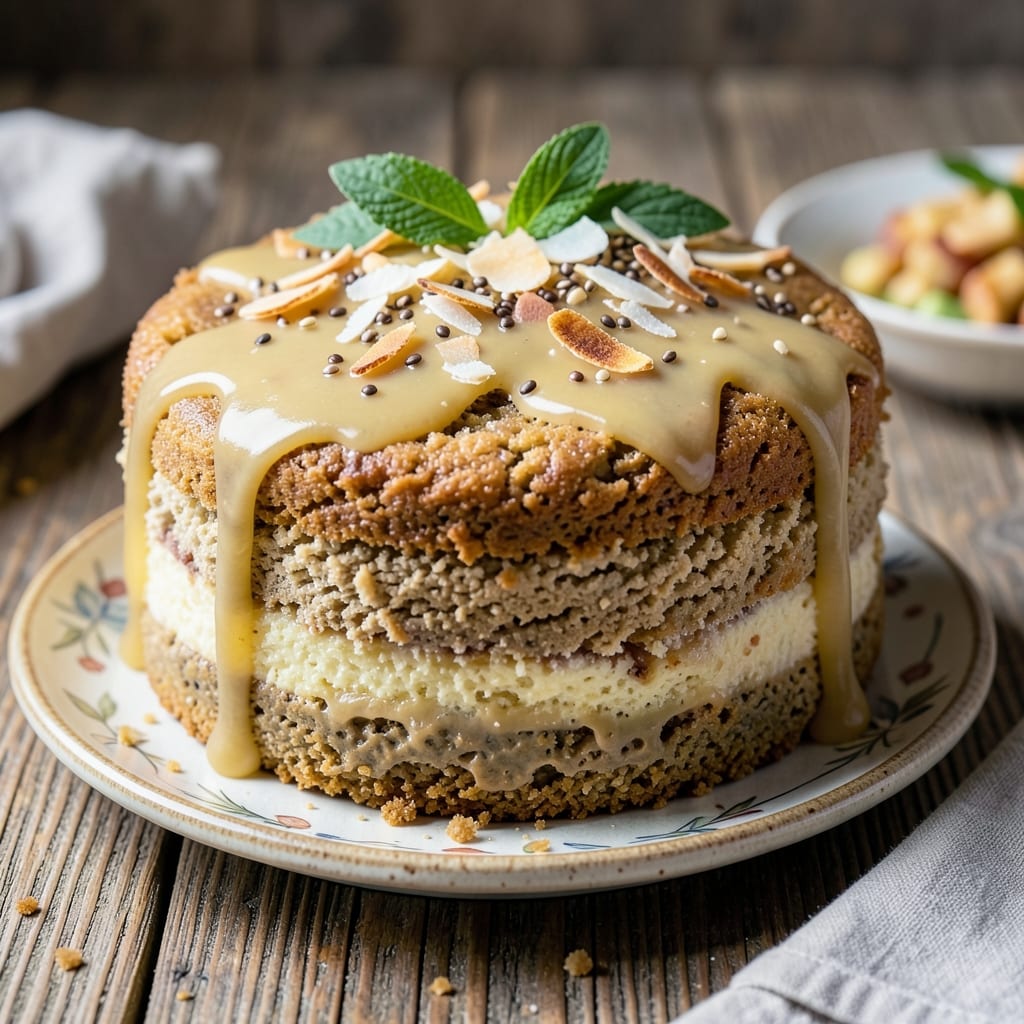
This gluten-free amaranth cake delivers a nutty, chewy texture that rivals traditional wheat-based desserts—without compromising on flavor or structure. 🌟 The secret lies in properly toasting amaranth grains to enhance their natural earthiness before grinding into flour, creating a cake with depth and moisture that stays fresh for days. Perfect for those seeking plant-based, allergy-friendly treats, this recipe transforms simple ingredients into a showstopping dessert.
The beauty of this recipe is its versatility—it accommodates vegan substitutions seamlessly, using flax eggs and plant-based milk to bind the batter while maintaining a tender crumb. Unlike many gluten-free cakes that crumble or dry out, this one holds its shape with a satisfying chew, thanks to a precise ratio of amaranth flour to almond flour for stability. The nutty swirl adds visual appeal and a subtle crunch that keeps every bite interesting.
What sets this cake apart is its ability to satisfy both dietary restrictions and cravings—rich enough to feel indulgent, yet light enough for afternoon tea. The toasting process unlocks amaranth’s natural sweetness, reducing the need for refined sugar while keeping the flavor complex. Whether you’re baking for a celebration or simply craving a nutty, gluten-free treat, this recipe delivers restaurant-quality results at home.
Top with a dusting of powdered sugar or a drizzle of caramel for extra elegance, or keep it simple with fresh berries for a bright contrast. The cake’s sturdy texture makes it ideal for slicing and serving, ensuring each guest gets a perfect portion. Ready in just 45 minutes, it’s the perfect project for a weekend afternoon—no special equipment required.
Ingredients for amaranth cake
Toasted amaranth and almond flour create this gluten-free, vegan cake's signature chewy texture and nutty depth.
| Ingredient | Amount | Notes |
|---|---|---|
| Amaranth Grains 🌾 | 1 cup | Toasted until golden brown |
| Almond Flour 🥜 | 1 ½ cups | Finely ground, unsweetened |
| Coconut Sugar 🍯 | ¾ cup | Or maple syrup for liquid sweetness |
| Flax Eggs 🥚 | 4 whole | 1 tbsp ground flaxseed + 3 tbsp water per egg |
| Unsweetened Almond Milk 🥛 | 1 cup | Room temperature preferred |
| Coconut Oil 🫒 | ½ cup | Melted, not solid |
| Vanilla Extract 🌸 | 1 tbsp | Pure, high-quality |
| Baking Powder 🍞 | 1 tsp | Gluten-free certified |
| Salt 🧂 | ½ tsp | Fine sea salt |
| Almond Butter 🥜 | ¼ cup | For nutty swirl |
| Maple Syrup 🍯 | ¼ cup | For swirl sweetness |
| Powdered Sugar 🍬 | ¼ cup | For dusting |
Amaranth is the star here—toast it in a dry skillet until golden to unlock its full nutty flavor. Bob's Red Mill sells pre-toasted amaranth if you're short on time, but toasting at home makes all the difference. Almond flour should be finely ground and unsweetened—Trader Joe's has a great affordable option. For the swirl, creamy almond butter (not chunky) blends smoothly and adds richness. Pro tip: Toast your almond flour in the oven at 350°F for 5 minutes to deepen its flavor before mixing.
No almond flour? Cashew flour works in a pinch, though texture will be slightly denser. Swap coconut sugar for maple syrup or agave (reduce other liquids by 2 tbsp). For the flax eggs, chia seeds work too—just use the same ratio. The swirl can be made with peanut butter or tahini if you're avoiding nuts. Fresh amaranth grains are available at health food stores or online—just make sure they're organic to avoid cross-contamination with non-organic products.
Store baked cake in an airtight container at room temperature for 3 days or refrigerate for 5 days—though it's best eaten fresh. Freeze slices for up to 3 months by wrapping tightly in plastic. The toasting process keeps this cake moist for days, unlike many gluten-free cakes that dry out. For extra elegance, dust with powdered sugar or drizzle with melted dark chocolate before serving.
Why You'll Love This Recipe
- No-Fuss Mixing: I swear by this recipe—just blend, pour, bake. The amaranth and almond flour create a naturally thick batter that doesn’t need folding or overworking, and those flax eggs bind everything together without a single whisk stroke. Honestly, I’ve made it after a long day when I couldn’t be bothered with sifting or measuring cups.
- Nutty-Sweet Magic: That caramelized coconut sugar gives it a deep, buttery richness, while the toasted amaranth adds a toasty, almost popcorn-like crunch. Between us, it’s the kind of cake that makes you forget it’s gluten-free—especially when you drizzle a little melted coconut oil over the top. (Yes, even on a Tuesday night.)
- Breakfast or Dessert: This cake is my lazy genius for both. Serve it warm with a sprinkle of cinnamon for a protein-packed breakfast, or dust it with powdered coconut sugar for an after-dinner treat. I’ve even cut it into squares and packed it in lunches—it holds up better than most cakes, and the almond milk keeps it moist for days.
- Pantry Staple Power: No last-minute grocery runs needed. If you’ve got amaranth, almond flour, and coconut sugar in your cupboard, you’re golden. I’ve made this with whatever nuts I had on hand (cashew flour works too), and it’s always turned out spot-on. Plus, the leftovers? They last a week in the fridge—perfect for when you’re too tired to bake again.
Step-by-step instructions for gluten-free nutty swirl cake
Here's how to create a moist, chewy amaranth cake with a rich nutty swirl—no gluten in sight!
🍳 Step 1: Toast the Amaranth Grains for Maximum Flavor
Preheat your oven to 350°F and spread the 1 cup amaranth grains on a baking sheet in a single layer. Toast for 8-10 minutes, stirring every 2-3 minutes, until they're a beautiful golden brown and smell nutty. This toasting step is crucial—it deepens the flavor and prevents a raw, earthy taste in your cake.
Let the toasted amaranth cool completely before grinding. I like to transfer them to a clean kitchen towel and let them sit for 5 minutes while I prepare the next ingredients. This cooling step ensures you get a fine powder that blends seamlessly with the almond flour. If you grind them while hot, you'll end up with a gummy paste instead of a smooth texture.
👨🍳 Step 2: Prepare the Flax Eggs and Wet Ingredients
In a small bowl, whisk together the 4 whole flax eggs (made from 1 tbsp ground flaxseed + 3 tbsp water per egg) with the 1 cup unsweetened almond milk, 0.5 cup melted coconut oil, and 1 tbsp vanilla extract. Let this mixture sit for 5 minutes while you prepare the dry ingredients—this gives the flax eggs time to fully gel and create that perfect egg-like binding.
In a separate bowl, whisk together the 1.5 cups almond flour, 0.75 cup coconut sugar, 1 tsp baking powder, and 0.5 tsp salt. I like to sift the almond flour first to remove any lumps, which ensures a lighter, more tender cake. The coconut sugar adds moisture while keeping the cake naturally sweet—no refined sugar needed here!
🥘 Step 3: Create the Nutty Swirl and Combine Wet/Dry
In a small saucepan, gently warm the 0.25 cup almond butter and 0.25 cup maple syrup over low heat for 2-3 minutes until just combined and smooth. This creates our decadent swirl—keep the heat low to prevent the almond butter from separating. Transfer this mixture to a small bowl and let it cool slightly while you prepare the cake batter.
Combine the wet and dry ingredients in a large mixing bowl. I use a rubber spatula to gently fold everything together until just combined—don't overmix or you'll develop gluten-like proteins that make the cake tough. The batter should be thick but pourable, like a rich cookie dough. Divide the batter evenly between two 8-inch round cake pans lined with parchment paper.
🔥 Step 4: Bake and Create the Swirl Pattern
Bake the cakes in the preheated 350°F oven for 25-30 minutes, or until a toothpick inserted in the center comes out clean. Here's the fun part: after 15 minutes of baking, remove one cake from the oven and immediately spoon the almond butter-maple syrup mixture in a zigzag pattern across the top, then return both cakes to the oven to finish baking. This creates those beautiful nutty swirls while keeping the texture moist.
Let the cakes cool in their pans for 10 minutes before transferring to a wire rack. This gradual cooling prevents cracking. While they cool, prepare your final touch: dust the tops with 0.25 cup powdered sugar using a fine-mesh sieve for that bakery-style finish.
🍽️ Step 5: Serve with Confidence
Slice the cake into 8 equal wedges (about 1-inch thick slices) and serve immediately. Each bite delivers that perfect combination of chewy amaranth texture, nutty almond flavor from both the flour and butter swirl, and just the right amount of sweetness from the coconut sugar and maple syrup. The powdered sugar dusting adds a delicate finish that makes this gluten-free cake feel like a true indulgence.
For best results, serve within 24 hours—the texture stays perfect, but the swirls become slightly more pronounced as the cake sits. Store leftovers wrapped tightly at room temperature for up to 3 days, or refrigerate for up to 5 days. This cake is so delicious, you might not even miss the gluten!
Pro Tips For Making Amaranth Cake
- Toast the Amaranth: DESCRIPTION: Skip the raw grain—lightly toast your amaranth in a dry pan over medium heat for 5-7 minutes until it smells nutty and fragrant. This cuts the earthy bite and adds depth (yes, even if you’re impatient like me). I learned this the hard way—untosted amaranth makes the cake taste like dirt, no matter how much sugar you add.
- Measure Almond Flour Right: DESCRIPTION: Spoon almond flour into your measuring cup and level it off with a knife—don’t scoop directly from the bag. Packed flour weighs more and dries out the batter faster. My first batch was a gummy mess because I ignored this; now I double-check every time.
- Whisk Flax Eggs Well: DESCRIPTION: Mix your flax eggs (1 tbsp ground flax + 3 tbsp water per egg) and let them sit for at least 10 minutes before adding to the batter. Under-whisked eggs won’t bind properly, and the cake will crumble like sad sand. I skip this sometimes, and the texture suffers—don’t be that person.
- Bake at 325°F, Not Higher: DESCRIPTION: Amaranth cakes bake best at a steady 325°F—they’ll rise unevenly and brown too fast if you crank the oven to 350°F. I’ve seen cakes collapse mid-bake because of this; trust the lower temp, even if it means checking for doneness 10 minutes early. A toothpick test works, but so does the "press the center lightly" trick.
Perfect pairings for these flavors
Fruit Complements
Fresh berries like raspberries or blackberries add vibrant color and tart contrast to the cake’s nutty richness. I like to arrange them in a circular pattern on top for a visually stunning presentation. For a tropical twist, try mango slices or pineapple chunks—their natural sweetness balances the earthy amaranth perfectly. 🍓
Creamy Accompaniments
A dollop of coconut whipped cream (made with chilled coconut cream) elevates the cake to dessert-level decadence. For a lighter option, serve with vanilla bean ice cream or dairy-free cashew cream. The contrast between the cake’s chewy texture and the smooth cream creates an unforgettable bite.
Warm Spiced Tea
Pair your cake with a cup of chai tea or hibiscus tea to enhance the nutty flavors. The warmth of the tea complements the cake’s moisture, making it feel like a cozy treat. For a caffeine-free option, try rooibos tea with a splash of almond milk—it’s naturally sweet and pairs beautifully with the amaranth’s earthiness.
Chocolate Drizzle
Drizzle the cake with melted dark chocolate (70% or higher) for a sophisticated finish. The bitterness of the chocolate cuts through the sweetness, adding depth. For a vegan option, use Enjoy Life brand chocolate chips—they melt smoothly and taste rich. A few drops of orange zest sprinkled on top adds a bright, citrusy note that brightens every slice.
Nutty Crunch Toppings
Add a sprinkle of toasted pecans or walnuts for extra crunch and texture. Toast the nuts in a dry skillet with a pinch of cinnamon for added warmth. For a gluten-free crunch, try crushed gluten-free graham crackers or amaranth granola**—both add texture while keeping the dish allergy-friendly.
Nutrition facts
Frequently asked questions
Why does toasting amaranth matter for this cake?
Toasting amaranth grains deepens their natural nutty flavor and prevents a raw, earthy taste in your cake. When toasted properly, they develop a rich aroma and golden color that transforms the final texture from dense to chewy. Skipping this step can leave your cake tasting bitter or overly grainy.
Can I substitute almond flour with another flour?
Yes, but texture may change. Cashew flour works best (1:1 ratio) for a similar dense texture, while oat flour adds moisture but may make the cake slightly heavier. For a lighter crumb, blend half almond flour with half coconut flour—just reduce almond milk by 2 tbsp to compensate for coconut flour's absorbency.
How do I fix a cake that's too dry or crumbly?
If your cake turns out dry, the issue is likely underbaking or over-toasting the amaranth. Next time, check doneness at 25 minutes and cover with foil if browning too fast. For crumbly texture, ensure your almond flour is finely ground and don't overmix the batter. A splash of almond milk brushed on warm slices can also restore moisture.
Is this cake suitable for nut allergies?
This recipe contains almond flour and almond butter, so it's not safe for tree nut allergies. For nut-free versions, replace almond flour with sunflower seed flour and the swirl with tahini or seed butter. Always check labels on all ingredients to ensure cross-contamination prevention.
Can I make this cake in a single layer instead of two?
Use a 9-inch round pan and reduce baking time by 5-7 minutes. For the swirl, spread the almond butter mixture evenly across the top after 12 minutes of baking. The single layer will be slightly taller but maintain the same chewy texture. Pro tip: Brush the sides with almond milk before baking to create a golden crust.