
Desserts
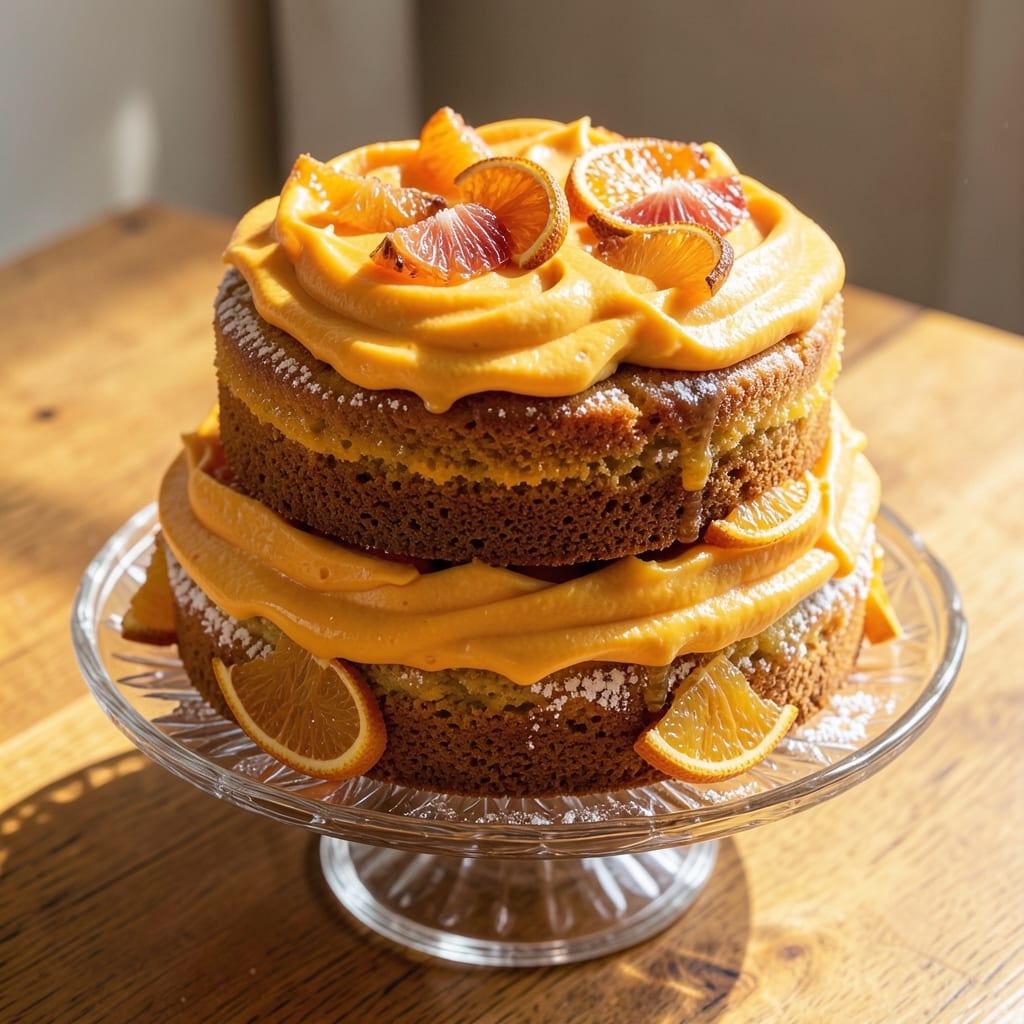
This amazing orange cake recipe delivers a burst of sunshine in every bite—moist, tender layers infused with bright citrus zest and juice, topped with a velvety frosting that stays fresh for days. 💛 I perfected this recipe after years of experimenting with citrus cakes, and the secret lies in balancing sweetness with zesty tang, plus a few unexpected ingredients that keep it ultra-moist.
The magic happens with a simple but foolproof method: mixing the batter just until combined (no overmixing!), baking at a precise temperature to prevent dryness, and letting the cake cool completely before frosting. The result? A cake that's perfectly balanced—sweet enough to satisfy, but with that refreshing orange flavor that makes it feel like summer in every slice.
What you'll love most is how this cake stays moist for days, thanks to a clever trick involving sour cream and a touch of vegetable oil. The frosting? A dreamy combination of buttercream and orange glaze that adds shine and extra zing. Whether you're celebrating a birthday or just craving something bright and delicious, this recipe delivers every time.
Ready to bake? Here's everything you need to create a showstopping orange cake that'll have everyone asking for seconds. The best part? It's easier than you think, and the results are absolutely worth it.
Ingredients for amazing orange cake
Bright citrus zest and juice plus these simple staples create a showstopping orange cake.
| Ingredient | Amount | Notes |
|---|---|---|
| All-Purpose Flour 🌾 | 2 ½ cups | Sifted for light texture |
| Granulated Sugar 🍚 | 2 cups | White or light brown |
| Orange Zest 🍊 | 2 tbsp | From 2 large oranges |
| Orange Juice 🍹 | 1 cup | Freshly squeezed, strained |
| Unsalted Butter 🧈 | 1 cup | Softened, not melted |
| Large Eggs 🥚 | 3 whole | Room temperature |
| Sour Cream 🥛 | ½ cup | Full-fat for moisture |
| Vegetable Oil 🫒 | ¼ cup | Light, not heavy |
| Baking Powder 🧂 | 2 tsp | Aluminum-free preferred |
| Salt 🧂 | ½ tsp | Fine sea salt |
| Vanilla Extract 🌿 | 1 tbsp | Pure, not imitation |
| Powdered Sugar 🍚 | 3 cups | For buttercream frosting |
| Heavy Whipping Cream 🥛 | 1 cup | Cold for whipping |
| Orange Glaze 🍊 | ½ cup | Optional for shine |
The oranges make or break this cake. Navel oranges work best—they're juicy and sweet. Grab three from the store (or your own tree if you're lucky) and zest them first, then juice. The zest goes in the batter, the juice too. Trader Joe's and Whole Foods have the juiciest ones, but any grocery store will do. Pro tip: zest only the outer layer—no bitter white pith. And save some zest for the glaze if you're feeling fancy. The flour? King Arthur or Gold Medal are my go-tos—they bake up light and tender.
No sour cream? Plain Greek yogurt at half the amount works in a pinch. Running low on orange juice? Grapefruit juice at half the quantity adds a tangy twist. The buttercream needs heavy cream—don't use whipping cream. For the glaze, mix powdered sugar with a splash of orange juice until smooth. Too thick? Add a drop more juice. Too thin? Sprinkle in more powdered sugar. The cake itself? Mix just until combined—overmixing makes it tough. And if you're baking in a humid kitchen, reduce the orange juice by 1 tbsp to prevent a soggy bottom.
This cake stays moist for 5-6 days if wrapped tightly in plastic. The frosting? Keep it in the fridge for 3 days max—it softens at room temp. I always bake two 8-inch rounds for a proper layered cake, but one 9-inch pan works too. Freeze the unfrosted cake for up to 3 months—just thaw overnight before decorating. And if you make extra frosting? Store it in a jar in the fridge for up to 2 weeks. Perfect for quick cupcake toppings later.
Why You'll Love This Recipe
- I’ll be real: you don’t need a fancy citrus zester. A microplane or even a sharp knife works—just 2 tablespoons of that bright orange zest, and you’re golden. The buttercream? Whip up the classic with powdered sugar and a splash of that same orange juice for a moister, tangier finish. Minimal fuss, maximum flavor.
- No-Zest Struggles: I’ll be real: you don’t need a fancy citrus zester. A microplane or even a sharp knife works—just 2 tablespoons of that bright orange zest, and you’re golden. The buttercream? Whip up the classic with powdered sugar and a splash of that same orange juice for a moister, tangier finish. Minimal fuss, maximum flavor.
- Citrus Magic: That first bite? Pure sunshine in cake form. The orange zest clings to your teeth like a hug, while the juice keeps it tender—not dry, not gummy. Honestly, the sugar caramelizes just enough to give it a subtle depth, like a hug from your favorite baker. (Yes, even on a Tuesday night.)
- Party in a Box: This cake’s your secret weapon for birthdays, showers, or just because. Slice it into squares for a breakfast buffet, or stack it with whipped cream for a dessert that feels fancy but costs less than takeout. Between us, it’s the one dessert I always get asked to bring—and no one ever guesses how simple it is.
Step-by-step instructions for bright citrus orange cake
Here's how to bake a moist, vibrant orange cake with professional frosting that stays fresh.
👨🍳 Step 1: Mix Wet Ingredients for Maximum Moisture
In a large mixing bowl, combine the 1 cup unsalted butter and 2 cups granulated sugar. Beat on medium speed for 3-4 minutes until light and fluffy—the mixture should nearly double in volume and turn pale. This step is crucial for creating a tender crumb.
Add the 3 whole large eggs one at a time, beating well after each addition. Then stir in the 1 cup orange juice, 2 tbsp orange zest, 1 tbsp vanilla extract, and 0.5 cup sour cream. Mix until just combined—don't overmix here or the cake will be dense. Here's the thing—orange zest has potent oils that can make the batter separate if you go too fast.
👨🍳 Step 2: Combine Dry Ingredients Gently
In a separate bowl, whisk together the 2.5 cups all-purpose flour, 2 tsp baking powder, and 0.5 tsp salt. Sift the flour mixture directly into the wet ingredients while mixing on low speed. Add the 0.25 cup vegetable oil last and mix just until the flour disappears—you should still see some streaks.
Real talk: Overmixing develops gluten, which makes cakes tough. Stop mixing when the batter looks smooth but slightly uneven. The batter will be thick but pourable. Pour into two 8-inch round cake pans lined with parchment paper and greased with butter.
🔥 Step 3: Bake Until Golden and Springy
Preheat your oven to 350°F. Bake the cakes for 25-30 minutes or until a toothpick inserted in the center comes out clean. The edges should be golden brown, but don't overbake—they'll continue cooking as they cool.
I press down gently on the center of each cake—when it springs back, that's your signal they're done. Let the cakes cool in their pans for 10 minutes, then transfer to a wire rack to cool completely. This resting period prevents cracking when you frost them later.
🥘 Step 4: Whip the Orange Buttercream Frosting
In a large bowl, beat the 1 cup heavy whipping cream and 1 cup unsalted butter (softened) on medium speed until smooth. Gradually add the 3 cups powdered sugar and mix until fully incorporated. Add the 2 tbsp orange zest and 1 tbsp vanilla extract, mixing until combined.
Here's where it gets fun—beat the frosting on high speed for 3-4 minutes until light and fluffy. The frosting should hold its shape when piped. If it's too soft, chill it for 15 minutes before using. This buttercream is what makes this cake truly amazing—it's rich, smooth, and packed with citrus flavor.
🎂 Step 5: Assemble and Glaze for Professional Finish
Level the cooled cakes if needed, then place one layer on a cake stand or plate. Spread half the frosting evenly over the top, then add the second layer. Frost the entire cake with the remaining frosting, creating a smooth finish with a spatula. For extra shine, brush the 0.5 cup orange glaze over the top and sides.
Let the cake set at room temperature for 1 hour before slicing. The frosting will firm up slightly, making it easier to serve. Cut into slices and watch as the vibrant orange flavor bursts through with every bite. This cake stays moist for days when stored properly—trust me, it's worth the wait!
Pro Tips For Making Amazing Orange Cake
- Whisk Butter & Sugar First: Cream your butter and sugar until it’s pale yellow and ribbony—this isn’t just about fluffiness, it’s about dissolving the sugar fully so the cake stays moist. I used to stop when it looked "light enough," but that left my cake dense. Push it until it actually lightens, then fold in eggs one at a time. ---
- Strain That Juice: Fresh orange juice is full of pulp, and that’s the enemy of a silky texture. Strain it through a fine-mesh sieve or cheesecloth before measuring—yes, it takes 30 seconds, but it’s the difference between a cake that’s smooth and one that’s gritty. (And skip the bottled stuff; it’s just sad.) ---
- Don’t Overmix the Batter: Once you add the flour, stop mixing the second it’s just combined. Overmixing develops gluten, and your cake will turn out tough instead of tender. Use a spatula to fold gently—this isn’t a muffin, and it doesn’t need to be dense. (I learned this after a cake collapsed like a soufflé gone wrong.) ---
- Test for Doneness at 160°F: The recipe might say 170°F, but pull it out at 160°F—it’ll keep rising another 5-10 degrees while cooling. Insert a toothpick: it should come out with moist crumbs, not wet batter. If it’s underdone, the center will sink like a sad pancake. (And resist the urge to overbake—orange cake dries out fast.)
Storing and reheating your amazing orange cake
Room-Temp Storage
Store your fully frosted orange cake at room temperature for up to 2 days in an airtight container like a cake dome or wrapped tightly in plastic wrap. I use Saran Wrap for a snug fit that prevents drying. Keep it away from direct sunlight—citrus flavors can degrade quickly when exposed to heat. For extra protection, place the cake on a tray lined with parchment paper before covering. 💛
Fridge Preservation
Extend freshness by refrigerating the cake for up to 5 days. The cold slows moisture loss, keeping the layers tender. Let it sit at room temperature for 10-15 minutes before serving to soften the frosting slightly. Store in the fridge's main compartment (not the door) where temperatures stay most consistent. I always transfer the cake to a glass cake carrier before refrigerating—it's sturdier than plastic and won't absorb odors.
Freezing Unfrosted Cake
Freeze the unfrosted cake layers for up to 3 months for maximum freshness. Wrap each layer individually in plastic wrap, then place them in a freezer bag with all air removed. Label with the date using a frosted marker. Thaw overnight in the fridge before frosting. The texture remains moist because the frosting hasn't had time to dry out the cake layers. This is my go-to method for making cakes ahead of holidays. ❄️
Frosting Storage Tips
Keep leftover frosting in an airtight container in the fridge for up to 2 weeks. Bring to room temperature before using—microwaving can make it grainy. For quick cupcake toppings, store frosting in a piping bag with a twist tie. The orange zest in the frosting can separate if stored too long, so mix well before using. I always make extra frosting when I bake this cake—it's perfect for decorating other desserts later.
Reheating Slices
Warm individual slices in the microwave for 10-15 seconds on 50% power to revive the frosting's texture. Cover with a damp paper towel to prevent drying. For a stovetop method, place slices on a baking sheet and heat in a 200°F oven for 5 minutes. This gentle method keeps the cake moist without melting the frosting. I avoid reheating the whole cake—it can make the frosting too soft and cause the layers to separate.
Glaze Refresh
Revive a dried glaze by adding 1-2 drops of orange juice and mixing until smooth. For extra shine, brush with a tiny bit of corn syrup (about ½ tsp) mixed with water. The glaze should be thin enough to spread easily but thick enough to cling to the cake. This trick works wonders if you've stored the cake too long and the glaze has lost its luster. A little extra effort makes the cake look as fresh as the day it was baked. ✨
Nutrition facts
Frequently asked questions
Can I substitute orange juice with another citrus juice?
Yes, but with adjustments! Grapefruit juice works well (use half the amount) for a tangier flavor, while lemon juice adds brightness but can make the cake slightly drier. For a milder taste, try tangerine juice at the same quantity. Always strain the juice to remove seeds and pulp for the smoothest texture.
Why does my orange cake turn out dry?
Overbaking is the #1 culprit! Remove the cake when a toothpick comes out clean (not dry). Another common mistake is overmixing the batter—stop when just combined. For extra moisture, add 1 tbsp extra orange juice or replace ½ cup flour with cornstarch. The sour cream and oil in this recipe already help prevent dryness.
How do I make this cake gluten-free?
Swap the all-purpose flour for a 1:1 gluten-free baking flour blend (like Bob's Red Mill) and add ½ tsp xanthan gum. Reduce the orange juice by 2 tbsp since gluten-free batters absorb more liquid. Also, let the cake cool completely before frosting—gluten-free versions are more delicate and can crack if too warm.
Can I bake this in a different pan size?
For a 9-inch pan, reduce baking time by 5-7 minutes (check at 22 minutes). For cupcakes, use ¾ cup batter per liner and bake at 350°F for 18-20 minutes. The key is to avoid overbaking—citrus cakes dry out faster than vanilla. Always test with a toothpick in the center.
What's the secret to extra moist layers?
The combo of sour cream + vegetable oil keeps this cake tender for days! The sour cream adds protein for structure while the oil creates a fine crumb. Never skip the 10-minute rest in pan after baking—this helps distribute moisture evenly. For even more moisture, brush warm layers with simple syrup (equal parts sugar and water) before frosting.