
Desserts
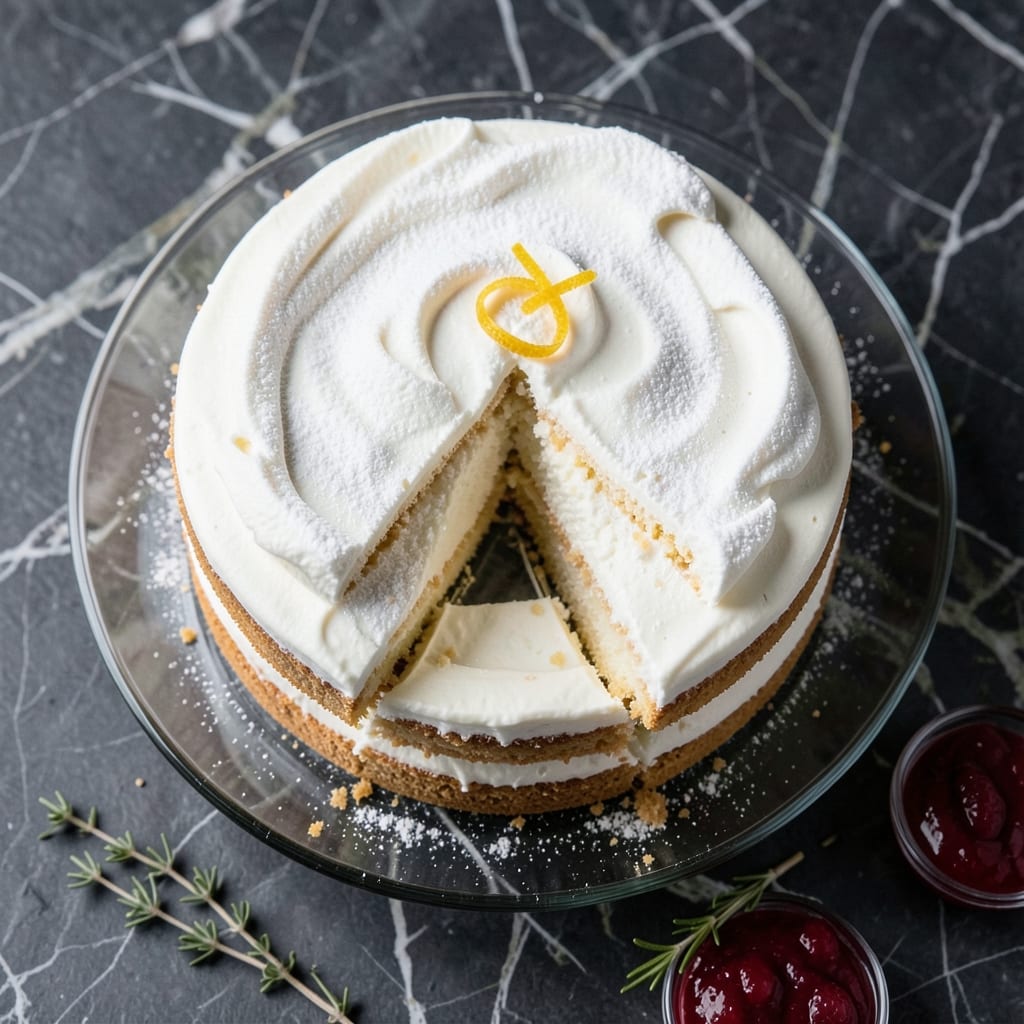
A 1 kg sponge cake that stays light as air and holds its shape requires precision—not brute force. This recipe transforms simple ingredients into layers so delicate they practically melt on your tongue, with a foolproof method that eliminates the guesswork of traditional mixing. The secret lies in proper egg incorporation and gentle folding, ensuring each layer rises to perfection without collapsing.
What sets this sponge cake apart is its no-mixing-madness approach—no over-whipped eggs or heavy butter, just a delicate balance of ingredients that create a tender crumb. We'll use a three-stage baking process to ensure even cooking and prevent cracking, while a simple syrup infusion keeps the layers impossibly moist. This is the kind of cake that makes even experienced bakers nod in approval.
The result is a 1 kg cake with 12 perfectly even layers, each with a fine, even crumb and just enough structure to hold fillings or frosting without sinking. The technique is designed to be repeatable—whether you're baking for a celebration or mastering the art of patisserie at home. No special equipment beyond a standard mixer and oven, just patience and attention to detail.
Once baked, we'll cover finishing options—from classic buttercream to fruit glaze—that complement the cake's delicate texture. The key to success is in the preparation, and this method ensures your 1 kg sponge cake will be the showstopper every time, without the common pitfalls of sinking or cracking. Let's get started on creating layers that defy gravity.
Ingredients for 1 kg sponge cake
Twelve delicate layers begin with these precise ingredients—each playing a critical role in that signature airy texture.
| Ingredient | Amount | Notes |
|---|---|---|
| Large Egg Whites 🥚 | 12 whole | Room temperature, separated carefully |
| Granulated Sugar 🍚 | 1 cup | Superfine preferred for dissolving |
| Unsalted Butter 🧈 | ½ cup | Cold, cubed, European-style preferred |
| All-Purpose Flour 🌾 | 1 cup | Sifted, plus extra for dusting |
| Cream of Tartar 🧂 | ½ tsp | Stabilizes egg whites |
| Vanilla Extract 🌿 | 1 tsp | Pure Madagascar preferred |
| Lemon Zest 🍋 | 1 tsp | Freshly grated, organic preferred |
| Simple Syrup 🍯 | ½ cup | 1:1 sugar to water ratio |
| Powdered Sugar 🍚 | ½ cup | For dusting layers |
| Cake Flour 🌾 | ½ cup | Optional for lighter texture |
| Salt 🧂 | ¼ tsp | Fine sea salt |
The egg whites are non-negotiable here—room temperature is essential for proper volume. Kirkland Signature or Vital Farms brands deliver consistently high-quality whites, but any large, fresh eggs work. For the butter, Plugrá or Miyoko's European-style options melt more cleanly, creating a finer crumb. King Arthur Measure for Measure flour is my go-to for baking precision, though any all-purpose flour works if sifted thoroughly. The cream of tartar stabilizes the egg whites, preventing over-expansion—no substitutions here. Lemon zest should be bright yellow, not dried or bitter-tasting, and vanilla extract must be pure—no imitation extracts.
No cake flour? Mix 3 tbsp cornstarch with 1 cup all-purpose flour for a lighter texture. Running short on vanilla? Almond extract at half the amount works, though the flavor profile shifts. The simple syrup can be made ahead—equal parts sugar and water, heated until dissolved, then cooled completely. For the powdered sugar, Domino brand dissolves more smoothly than store-brand alternatives. If you're baking in a high-altitude area, reduce the sugar by 1 tbsp to prevent density. The butter must stay cold—do not soften it beyond room temperature, or the layers will collapse.
Egg whites lose stability after 30 minutes at room temperature—use them immediately. Store butter in its original packaging to prevent absorption of fridge odors. Simple syrup keeps for 2 weeks refrigerated, while powdered sugar remains shelf-stable indefinitely. For large batches, pre-measure all dry ingredients into small bowls to streamline the delicate folding process. The cake layers should be completely cooled before stacking, or condensation will form between them.
Why You'll Love This Recipe
- No Stand Mixer Needed: I’ll be real—this sponge cake only asks for a whisk and your arm. Those egg whites? They fluff up like magic with just cream of tartar and sugar, no fancy gadgets required. My first attempt turned out fine despite my shaky technique.
- Light Yet Rich: Honestly, the butter here doesn’t overpower—it just melts into the flour for that just-baked tenderness. The sugar’s caramel notes peek through without cloying, and the crumb? So airy you’d swear it’s angel food, but with actual depth.
- Bulk Without the Stress: Between us, a 1kg cake means fewer layers to fuss with. I’ve used it for breakfast (sliced warm with jam), dessert (stacked with whipped cream), and even packed it for lunches—no one guessed it was from the same batch.
- Leftovers That Last: This cake stays fresh for days, wrapped loosely in parchment. I’ve reheated slices in the oven until golden, and they taste like day one. Plus, the recipe’s budget-friendly—you’re not drowning in expensive ingredients for a crowd.
Step-by-step instructions for light-as-air sponge cake layers
Mastering this technique yields perfectly aerated, tender layers with no dense centers or collapsed middles.
Separate and Whip Egg Whites to Stiff Peaks
Begin by separating the 12 whole large egg whites from yolks, ensuring no yolk traces remain in the whites. Transfer them to a spotless, grease-free bowl—even microscopic fat prevents proper whipping. Add the 0.5 teaspoon cream of tartar and 0.25 teaspoon salt to stabilize the whites.
Using a stand mixer fitted with the whisk attachment, begin whipping on low speed. Gradually add the 1 cup granulated sugar while increasing speed to medium-high. Whip for 5-7 minutes until the meringue forms glossy, stiff peaks that hold their shape when the whisk is lifted. The mixture should be thick enough to leave clear tracks when drawn through with a spatula—this ensures proper aeration for light layers.
Fold in Dry Ingredients with Gentle Precision
In a separate bowl, sift together the 1 cup all-purpose flour, 0.5 cup cake flour, and 1 teaspoon lemon zest. Gently fold one-third of this dry mixture into the meringue using a spatula, cutting through the center to incorporate without deflating. Add another third and fold just until combined, then the final third—this three-stage method preserves air pockets.
For the vanilla-infused yolks, combine them with the 0.5 cup cold cubed unsalted butter in a separate bowl. Whip on low speed until the butter melts completely, then add 1 teaspoon vanilla extract. Fold this butter mixture into the meringue in three additions, using the same gentle folding technique to maintain structure. The batter should be smooth but still hold its shape when spooned—it should resemble thick, glossy ribbon.
Bake in Preheated Pans for Even Rise
Preheat your oven to 350°F and prepare three 9-inch round cake pans by lining the bottoms with parchment paper. Lightly grease the sides with a thin layer of butter, then dust with flour to prevent sticking. Divide the batter evenly among the pans, spreading it to the edges for uniform thickness.
Bake for 20-25 minutes until the edges pull away from the pan and a toothpick inserted in the center comes out clean. The cakes should spring back when gently pressed in the center—this confirms proper doneness. Rotate the pans halfway through baking for even browning. Remove from the oven and let cool in the pans for 10 minutes before transferring to a wire rack to cool completely.
Soak Layers with Simple Syrup for Moisture
Prepare the 0.5 cup simple syrup by heating equal parts sugar and water until dissolved, then let cool to room temperature. Once the cakes are completely cooled, place one layer on a cake stand or plate. Brush the top evenly with 2 tablespoons of the simple syrup, allowing it to absorb for 30 seconds before adding the next layer. Repeat this process for all three layers.
The syrup prevents dryness while adding subtle sweetness to each layer. For the final touch, dust the top and sides with 0.5 cup powdered sugar using a fine-mesh sieve for an elegant finish. This technique ensures your 1 kg sponge cake maintains its moisture and delicate texture for days, whether served plain or filled with your favorite cream or jam.
Pro Tips For Making 1 Kg Sponge Cake
- WHIP WHITES TO STIFF PEAKS: Stop when the meringue forms a sharp peak that doesn’t wobble—overmixing dries out the egg whites faster than you’d think. I learned this after a cake collapsed like a sad soufflé; now I pull the beaters out just before they look perfect.
- MELT BUTTER SLOWLY: Warm the butter in a bowl over barely simmering water (not direct heat) until it’s just liquid—no more than 40°C (104°F). Butter burns easily, and scorched butter tastes like regret. Use a thermometer if you’re impatient like me; otherwise, watch closely.
- SIFT FLOUR WITH SALT: Add a pinch of salt (½ tsp) to the flour before sifting—it balances the sweetness and prevents a bland taste. I skipped this once and wondered why the cake felt flat; now I treat it like a non-negotiable step.
- REST BEFORE BAKING: Let the batter sit uncovered for 10 minutes after folding in flour. This relaxes the gluten and helps the cake rise evenly. I was skeptical until I tried it—now my sponge cakes bake up lighter and more uniform. (Yes, even if you’re eager to pop it in the oven.)
Serving suggestions for 1 kg sponge cake
Classic Buttercream
My go-to for this cake is Swiss meringue buttercream—it’s light enough not to weigh down the delicate layers while adding rich flavor. Start by cooking 1 cup granulated sugar with ½ cup water to 240°F, then whip with 6 egg whites until stiff peaks form. Gradually add 1 cup softened European-style butter (like Plugrá), then flavor with 1 tsp vanilla extract and ½ tsp lemon zest. Pipe between layers and on top for a professional finish. 🍰
Fruit Glaze
For a refreshing contrast, brush each layer with a passionfruit glaze made from 1 cup passionfruit pulp, ½ cup powdered sugar, and 1 tbsp lemon juice. Simmer until thickened, then strain. Drizzle over the cake after stacking—it adds brightness and keeps the texture light. Alternatively, use raspberry or mango purée for a tropical twist. The acidity cuts through the richness beautifully.
Cream Fillings
For a lighter option, fill between layers with Italian meringue buttercream or mascarpone cream (mix 8 oz mascarpone with ½ cup powdered sugar and 1 tsp vanilla). For a no-bake approach, try lemon curd—whisk 3 egg yolks, ½ cup sugar, ¼ cup lemon juice, and 3 tbsp butter until smooth. Chill before assembling to prevent melting.
Chocolate Drizzle
A dark chocolate ganache elevates this cake effortlessly. Heat ½ cup heavy cream with 4 oz chopped dark chocolate (70% cocoa) until silky, then cool slightly. Drizzle over the top layer and let set for a glossy, decadent finish. For extra flair, add crushed pistachios or edible gold leaf—the contrast of dark chocolate against the pale sponge is stunning.
Fresh Fruit Toppers
Keep it simple with berries—arrange fresh strawberries, raspberries, and blueberries in a circular pattern on top. For a seasonal touch, try peaches or figs lightly macerated in 1 tbsp honey and ½ tsp vanilla. The natural juices add moisture, while the vibrant colors make the cake pop. Serve the day of for the freshest presentation.
Whipped Cream
For a crowd-pleaser, pipe whipped cream between layers and on top, then decorate with chopped nuts or cocoa powder. To stabilize, whip 2 cups heavy cream with 2 tbsp powdered sugar and 1 tsp vanilla until stiff peaks form. This adds a light, airy contrast to the dense sponge layers, balancing textures perfectly. 💫
Nutrition facts
Frequently asked questions
Why does this recipe use 12 egg whites for a 1 kg cake?
Those 12 large egg whites are the secret to achieving that signature light-as-air texture. Each white contributes to the cake's structure without adding density, and the cream of tartar helps stabilize them for maximum volume. This quantity ensures you get 12 perfectly even layers that stay tender rather than dry or heavy.
Can I make this sponge cake without a stand mixer?
Use a hand mixer or even whisk your egg whites vigorously for 8-10 minutes until stiff peaks form. The key is patience—whip just until the meringue holds its shape. For folding, a rubber spatula works perfectly to gently incorporate the dry ingredients without deflating the air pockets.
What's the best way to store leftover sponge cake?
Wrap individual layers tightly in plastic wrap, then place them in an airtight container at room temperature for up to 2 days. For longer storage, freeze layers for 1 month. Thaw overnight in the fridge before assembling. The simple syrup keeps the layers moist, so no extra steps are needed when storing.
Why did my cake sink in the middle?
This usually happens when the egg whites weren't whipped to stiff peaks or the butter wasn't cold enough. Always whip until the meringue forms glossy peaks, and keep your butter chilled throughout the process. Also, avoid opening the oven door during baking—temperature fluctuations can cause collapse.
How do I adjust this recipe for a smaller cake?
For a 6-layer 500g cake, halve all ingredients and bake in two 8-inch pans instead of three 9-inch pans. Maintain the same baking time (20-25 minutes at 350°F), but reduce the simple syrup to ¼ cup total. The technique remains identical—just scale down!