
Desserts
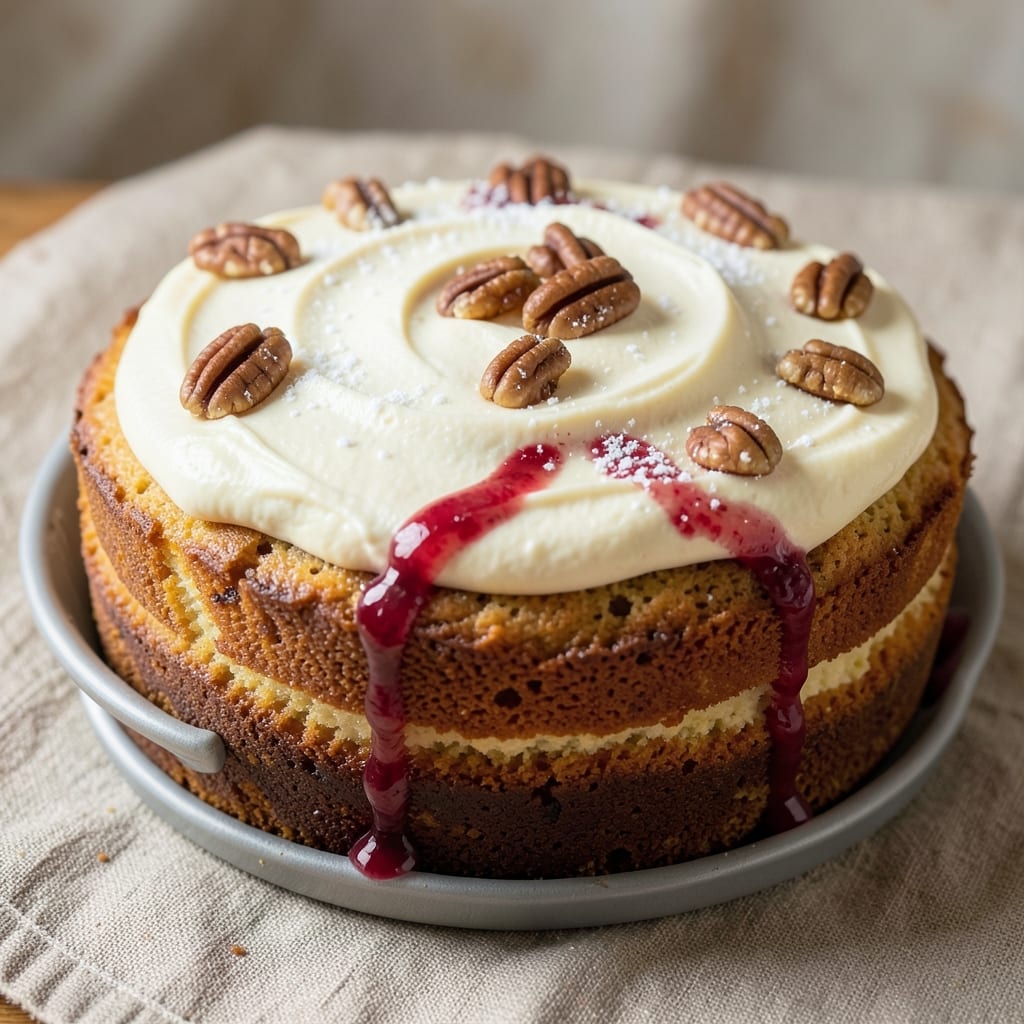
This 1-pound butter cake recipe delivers the perfect balance of rich, velvety crumb and luscious buttery frosting that’s become my go-to for celebrations. The secret lies in using exactly 1 pound of butter—creamed to lightness with sugar for that signature tender texture, while a touch of sour cream keeps the crumb moist without denseness. I’ve baked this cake dozens of times, and it never fails to impress with its golden dome and flawless layers.
What sets this recipe apart is the precision in technique: folding dry ingredients into the butter mixture just until combined ensures a fine crumb, while baking at 350°F guarantees even doneness without overbrowning. The frosting, made with the same butter used in the cake, creates a seamless harmony of flavors that’s both elegant and indulgent. No shortcuts here—this is the kind of cake that earns second helpings.
By the time you slice into it, you’ll find layers of tender, moist cake with a subtle buttery sweetness, topped with a smooth, creamy frosting that melts into every bite. The texture is what dreams are made of—light enough to feel special, yet rich enough to satisfy any craving. Perfect for birthdays, holidays, or simply treating yourself, this cake is a classic with a modern twist.
Serve it warm with a scoop of vanilla ice cream or let it cool completely for elegant slices that hold their shape beautifully. The frosting can be piped into a classic swirl or left smooth for a timeless look. Here’s how to make it—step by step—for foolproof results every time.
Ingredients for 1 pound butter cake
Twelve ingredients for a cake that’s equal parts indulgence and precision—where butter reigns supreme.
| Ingredient | Amount | Notes |
|---|---|---|
| Unsalted Butter 🧈 | 16 oz | Room temperature, high-fat content |
| Granulated Sugar 🍚 | 2 ½ cups | White sugar, no substitutions |
| All-Purpose Flour 🌾 | 3 ½ cups | Sifted for lightness, preferred |
| Sour Cream 🥛 | ½ cup | Full-fat for moisture |
| Large Eggs 🥚 | 4 whole | Room temperature, separated |
| Baking Powder 🍃 | 1 ½ tsp | Aluminum-free, fresh |
| Salt 🧂 | ½ tsp | Fine sea salt |
| Vanilla Extract 🌿 | 2 tsp | Pure vanilla, no imitation |
| Vegetable Oil 🫒 | ½ cup | Light, neutral flavor |
| Milk 🥛 | ¼ cup | Whole milk preferred |
| Powdered Sugar 🍚 | 4 cups | For frosting, sifted |
| Confectioners' Glaze 🍬 | ¼ cup | Optional, for shine |
The butter is non-negotiable. 1 pound of high-fat, unsalted butter—none of that low-fat nonsense—creates that signature tender crumb. I always grab Land O’Lakes or Plugrá from the grocery store’s dairy section, but if you’re feeling fancy, European-style butter like President takes it to another level. Room temperature is key: press a few pieces into a bowl while you preheat the oven. The flour? King Arthur or Gold Medal are my go-tos—they’re sifted for you, saving time. For the sour cream, full-fat is non-negotiable—it keeps the cake moist without heaviness. If you’re short on time, Greek yogurt works in a pinch, but trust me on the full-fat version.
No vanilla extract? Vanilla bean paste or even vanilla sugar can step in, but the flavor won’t be identical. Short on powdered sugar for the frosting? Sift granulated sugar in a food processor—it’ll get you close. The baking powder needs to be fresh: if it’s older than six months, toss it. For the milk, whole milk adds richness, but 2% works if that’s what you’ve got. The frosting is where the magic happens—using the same butter from the cake ensures harmony. If you’re feeling adventurous, swap half the powdered sugar for sifted cornstarch for a glossier finish. And if you’re worried about the cake being too rich, the sour cream and milk balance it perfectly.
Butter and frosting can be made a day ahead—store them separately in the fridge, then bring to room temperature before assembling. The cake itself keeps well for 3 days at room temperature, wrapped tightly in plastic. For longer storage, freeze the unfrosted layers for up to 3 months. Thaw overnight in the fridge, then frost at room temperature. The frosting? It’s stable for 5 days in the fridge, so you can pipe it ahead of time. Just cover it with plastic wrap pressed directly onto the surface to prevent a skin from forming. And if you’re serving it warm? Let the cake sit at room temperature for 20 minutes first—it’ll be even more decadent.
Why You'll Love This Recipe
- No Mixer Needed: I swear by this recipe when I’m too lazy to cream butter and sugar properly. Just fold everything together—no standing over a bowl, no overmixing. The sour cream keeps it tender without the fuss, and honestly? You’d never know it wasn’t whipped to perfection.
- Rich Without the Guilt: That first bite of buttery, slightly dense crumb? Pure indulgence. The butter and sugar ratio here is spot-on—sweet enough to satisfy, but the sour cream cuts through the richness so it doesn’t feel heavy. (Yes, even on a Tuesday night.)
- Leftovers That Last: This cake actually improves the next day—moist, not dry, thanks to the sour cream. I make it on Sundays, slice it for breakfast toast or dessert all week, and still have pieces by Friday. No sad, crumbly cake scraps here.
- Budget-Friendly Luxury: A pound of butter might sound splurgy, but this recipe stretches it perfectly—no waste, no extra ingredients. And since it’s just flour, sugar, and a few eggs, it’s cheaper than store-bought boxes that promise the same. (Spoiler: they don’t.)
Step-by-step instructions for 1 pound butter cake
Mastering this classic recipe delivers a tender crumb and rich frosting every time.
Prepare Your Cake Pans and Ingredients
Preheat your oven to 350°F and grease two 9-inch round cake pans generously with vegetable oil, then line the bottoms with parchment paper. I use a pastry brush for even coverage—this prevents sticking and ensures clean release. While the oven heats, separate the 4 whole large eggs, placing the yolks in one bowl and whites in another. Let both sit at room temperature for 10 minutes—this helps them whip to full volume.
In a medium bowl, whisk together the 3.5 cups all-purpose flour, 1.5 teaspoons baking powder, and 0.5 teaspoon salt. Sift the mixture twice for a light, airy texture—this prevents dense cake. Set aside until ready to combine with wet ingredients. I like to use a fine-mesh sieve for perfect results.
Cream Butter and Sugar
In a stand mixer fitted with the paddle attachment, beat the 16 ounces unsalted butter (room temperature) and 2.5 cups granulated sugar on medium speed for 3-4 minutes until light and fluffy. You'll see the mixture nearly double in volume and turn pale—this incorporates air, creating a tender crumb. Scrape down the sides of the bowl with a spatula to ensure even mixing.
Add the 0.5 cup sour cream, 0.5 cup vegetable oil, and 0.25 cup milk to the butter mixture. Beat on low speed for 1 minute until fully combined. The sour cream adds moisture, while the oil ensures richness. Here's the thing—don't overmix or the cake will become dense.
Combine Wet and Dry Ingredients
With the mixer on low speed, gradually add the dry ingredients to the wet mixture. Mix just until combined—you should still see small streaks of flour. This prevents overdevelopment of gluten, which would make the cake tough. Add the 2 teaspoons vanilla extract and mix for 10 seconds to distribute the flavor evenly.
In a separate bowl, beat the egg yolks lightly with a whisk. Gently fold them into the cake batter using a spatula, being careful not to deflate the mixture. The yolks add structure and richness. In another clean bowl, beat the egg whites with a hand mixer until soft peaks form. Fold one-third of the whites into the batter to lighten it, then gently fold in the remaining whites until just combined.
Bake to Golden Perfection
Divide the batter evenly between the prepared cake pans. Bake for 25-30 minutes or until a toothpick inserted into the center comes out clean. The cake should be golden brown and spring back when gently pressed. I check for doneness at the 25-minute mark—every oven runs slightly differently, so start testing early.
Once baked, remove the cakes from the oven and let them cool in the pans for 10 minutes. Then transfer them to a wire rack to cool completely. This gradual cooling prevents cracking. While the cakes cool, prepare the frosting by beating the 4 cups powdered sugar with the remaining 16 ounces unsalted butter (softened) and 2 teaspoons vanilla extract until smooth and fluffy.
Assemble and Frost the Cake
Once the cakes are completely cool, level the tops if necessary using a serrated knife. Place one cake layer on a cake stand or plate, then spread a thin layer of frosting over the top. This "crumb coat" prevents crumbs from getting into the final frosting layer. Chill the cake for 15 minutes in the refrigerator to set the crumb coat.
Apply the remaining frosting evenly over the top layer and sides of the cake, creating a smooth finish. For extra shine, brush the top with the 0.25 cup confectioners' glaze diluted with 1 teaspoon milk. Slice and serve immediately—this cake is best enjoyed fresh from the oven with a cup of tea or coffee.
Pro Tips For Making 1 Pound Butter Cake
- CREAM THE BUTTER SLOWLY: I learned this the hard way—dumping sugar into cold butter and whipping it in 30 seconds just makes a greasy mess. Let the butter sit out for 30 minutes first, then beat it with the sugar on medium-high for 3-4 minutes until it’s pale and ribbony. The extra time pays off in a lighter crumb.
- WEIGH YOUR FLOUR (YES, REALLY): Scooping flour from the bag packs too much air, and your cake will turn out dry. Use a kitchen scale for precision—1 pound of cake typically needs about 2 cups minus 2 tablespoons of flour. If you’re eyeballing, spoon it in gently and level it off with a knife.
- DON’T OVERMIX THE BATTER: Once you add the flour, mix just until combined—maybe 10-12 strokes with a spatula. I used to beat it like I was trying to win a baking contest, and the cake ended up tough. The sour cream and eggs are doing the heavy lifting; let the gluten relax.
- BAKE IT UNTIL 205°F: That’s right, don’t pull it out at 190°F like the recipe might suggest. A butter cake needs to hit 205°F in the center to fully set and avoid that gummy middle. Insert a thermometer—if it’s not there, give it 5-10 more minutes. (Your future self will thank you.)
Common mistakes when making great 1 pound butter cake
Overmixing the Batter
This is the most common mistake I see—especially with beginners. When you mix the wet and dry ingredients together, stop as soon as the flour disappears. Overmixing develops gluten, which makes the cake tough and dense. I recommend using a spatula to gently fold the dry ingredients into the butter mixture until just combined—you should still see small streaks of flour. 🧑🍳
Skipping Room Temperature Ingredients
Cold butter or eggs are the enemy of a perfect butter cake. If your butter is straight from the fridge, let it sit at room temperature for at least 1 hour (or press it into a bowl while preheating the oven). Cold butter won’t cream properly, leading to a greasy, dense crumb. Eggs should also be room temperature—whisk them for 10 seconds before separating to help them whip better.
Incorrect Oven Temperature
Baking at the wrong temperature is a surefire way to ruin your cake. Too high (375°F+) causes overbrowning, while too low (325°F) results in a gummy center. Stick to 350°F and use an oven thermometer to confirm accuracy—many home ovens run 25°F hotter than set. Also, avoid opening the oven door during the first 20 minutes of baking to prevent temperature fluctuations.
Not Testing for Doneness Early
Every oven behaves differently, so don’t wait until the 30-minute mark to check for doneness. Insert a toothpick or thin skewer into the center after 25 minutes. If it comes out clean (or with a few moist crumbs), your cake is ready. If it’s wet or sticky, bake for 2-3 more minutes. Overbaking dries out the cake, making it crumbly.
Ignoring the Crumb Coat
Skipping the crumb coat is a rookie mistake that leads to crumbs in your frosting. After leveling your cooled cake layers, spread a thin layer of frosting (about ¼-inch thick) over the top and sides. Chill the cake for 15 minutes to set the crumb coat before adding the final frosting layer. This creates a clean, professional finish.
Using Low-Quality Butter
Not all butter is created equal. Low-fat or salted butter won’t give you that signature rich, tender crumb. Stick to 100% unsalted butter with at least 80% fat content—brands like Land O’Lakes or Plugrá work well. If you’re feeling fancy, European-style butter (like President) has a higher fat content and deeper flavor. Never substitute margarine or vegetable shortening—they’ll ruin the texture and taste. 🧈
Nutrition facts
Frequently asked questions
Can I substitute margarine for the butter in this recipe?
I strongly recommend against it—the butter is what gives this cake its signature rich, tender texture. Margarine contains water and emulsifiers that alter the crumb structure, making the cake denser and less flavorful. If you must substitute, use 100% vegetable shortening (like Crisco) for a closer texture, but the flavor won't be the same. The butter's fat content is key to that melt-in-your-mouth quality.
How do I adjust this recipe for a smaller or larger cake?
This recipe yields two 9-inch layers. For a single 8-inch layer, reduce all ingredients by 30% (about 12 ounces butter, 1.75 cups sugar, etc.). For a 10-inch layer, increase by 50% (about 24 ounces butter, 3.75 cups sugar). Always adjust baking time—larger cakes need 5-10 extra minutes. Use an oven thermometer to ensure accuracy.
Can I make this cake in a single layer instead of two?
Use a 10-inch round pan or 9x13-inch pan for a single layer. For the 10-inch pan, reduce batter by 25% (about 12 ounces butter, 2 cups sugar). For the 9x13-inch pan, use the full recipe but bake for 35-40 minutes. The frosting amount should be adjusted proportionally—about 3 cups for a 10-inch or 4 cups for a 9x13-inch cake.
Why did my cake turn out dense instead of tender?
Density usually comes from overmixing, cold butter, or overbaking. First, check if your butter was truly room temperature—it should be soft but not melted. Second, ensure you didn't overmix the batter (stop when flour just disappears). Finally, test for doneness at 25 minutes—overbaking dries out the cake. If all else fails, try sifting the flour twice for a lighter texture.
Can I make this cake ahead of time?
Yes! The cake layers can be baked 1 day ahead and stored at room temperature in an airtight container. The frosting can be made 3 days ahead and refrigerated. Assemble the cake 4 hours before serving to let the frosting set. For longer storage, freeze the unfrosted layers for up to 3 months. Thaw overnight in the fridge before assembling.