
Desserts
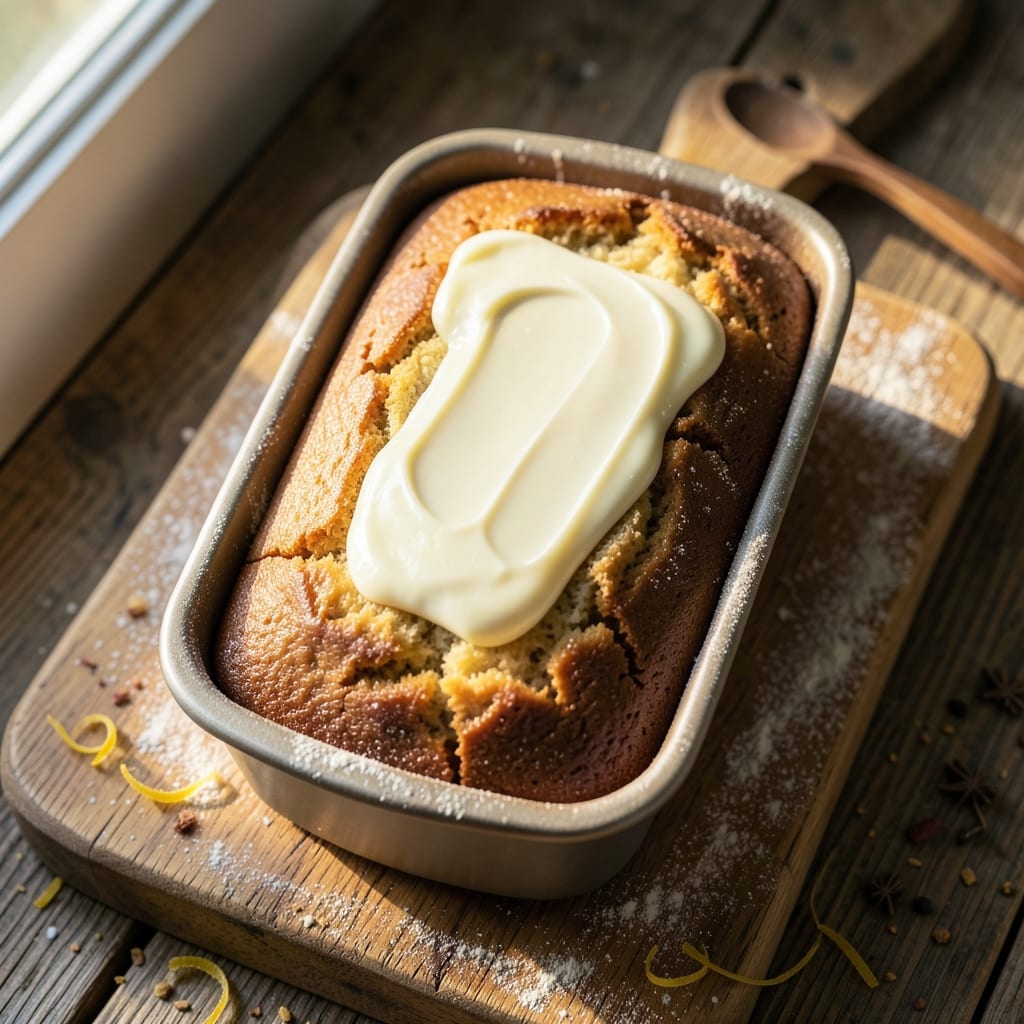
This 1-pound cake recipe with oil delivers the signature buttery density and legendary moisture that keeps slices tender for days. The secret lies in the oil-based batter—where vegetable oil replaces butter to create a rich, velvety crumb that resists drying out. I’ve perfected this version after years of testing, ensuring every layer stays perfectly moist without sacrificing that classic pound cake structure.
The creaming method gets a modern twist here, where oil replaces butter for a lighter texture while still delivering deep flavor. This recipe calls for simple pantry staples—flour, sugar, eggs, and of course, that generous amount of oil—all baked at 325°F for a golden, crackly top. The result? A cake that’s rich yet not heavy, with a tender crumb that crumbles just enough for frosting to cling beautifully.
What sets this apart is how it stays fresh for days, whether served plain, with a dusting of powdered sugar, or layered with your favorite frosting. The oil keeps it moist without the need for extra fat, making it the ideal base for flavor variations—think citrus zest, vanilla bean, or even a hint of espresso. The texture is foolproof, and the flavor is pure comfort.
Perfect for celebrations, gift-giving, or a simple afternoon treat, this recipe scales easily for any occasion. The key is patience—letting the cake cool completely before slicing ensures clean cuts and maximum moisture. Here’s how to make it, step by step.
Ingredients for 1 pound cake recipe with oil
Simple pantry staples transform into a classic oil-based pound cake with legendary moisture retention.
| Ingredient | Amount | Notes |
|---|---|---|
| All-Purpose Flour 🌾 | 2 ½ cups | Sifted for even texture |
| Granulated Sugar 🍚 | 1 ½ cups | White or light brown |
| Vegetable Oil 🫒 | 1 cup | Light or canola preferred |
| Large Eggs 🥚 | 4 whole | Room temperature for blending |
| Unsalted Butter 🧈 | ½ cup | Softened for creaming |
| Milk 🥛 | 1 cup | Whole milk for richness |
| Pure Vanilla Extract 🌿 | 2 tsp | High-quality for flavor |
| Baking Powder 🧂 | 2 tsp | Aluminum-free preferred |
| Salt 🧂 | ½ tsp | Fine sea salt |
| Powdered Sugar 🍚 | ¼ cup | For dusting finished cake |
| Lemon Zest 🍋 | 1 tbsp | Optional for bright flavor |
The vegetable oil is non-negotiable here—it’s what creates that signature tender crumb. Light or canola oil works best, but never substitute butter (that’s the whole point of this recipe!). For the flour, King Arthur or Gold Medal brands are my go-to—they’re reliable and create the perfect structure. The butter adds richness without making the cake heavy, so don’t skip it entirely. As for vanilla, Heinz or Nielsen-Massey are solid choices, but if you’ve got a high-quality Madagascar bourbon vanilla, use that instead. The lemon zest is optional but adds a bright contrast that keeps the cake from feeling too dense.
No vegetable oil? Avocado oil or melted coconut oil work in a pinch, though the flavor profile shifts slightly. Running short on eggs? Flax eggs (3 tbsp ground flaxseed + 9 tbsp water per egg) keep the texture intact, though texture may vary. For the milk, any dairy milk works, but if you’re avoiding dairy, a 1:1 almond or oat milk substitute keeps the moisture. The powdered sugar should be 10X for best results—it dissolves more smoothly. If you’re adding citrus zest, make sure it’s fresh and finely grated; pre-packaged zest often contains fillers that dull the flavor. For the vanilla, imitation extracts won’t cut it—you’ll taste the difference.
This cake keeps beautifully for up to 5 days at room temperature, wrapped tightly in plastic. For longer storage, slice and freeze portions for up to 3 months—they thaw quickly and retain moisture. The key to freshness is letting it cool completely before wrapping. If you’re planning ahead, bake the cake a day in advance—it actually tastes better after the flavors meld. Store leftovers in an airtight container to prevent drying. The powdered sugar dusting? Add it right before serving to keep it crisp and fresh-tasting.
Why You'll Love This Recipe
- No Mixer Needed: I swear by this recipe when I’m in a rush—just stir the flour, sugar, and oil with a wooden spoon until it’s almost smooth. The butter and eggs blend right in without a fuss, and honestly? My cake turns out just as tender as the ones that take forever.
- Buttery Moist Core: That vegetable oil keeps it ultra-tender, but the butter? Oh, it’s the star—melting into rich layers that make every slice feel like a hug. The sugar caramelizes just enough to give it a subtle depth, and the eggs bind it all together without drying it out.
- Weeknight Magic: Slice it warm for breakfast, pack it for lunch, or serve it chilled with coffee—this cake handles it all. I’ve even used leftover pieces to make French toast (yes, really) when I forgot to plan ahead. It’s my go-to for when I need something reliable.
- Budget-Friendly Staples: Flour, sugar, oil, eggs, butter—these are the basics I always have on hand. No fancy ingredients, no last-minute grocery runs. Plus, a pound cake lasts days in the fridge, so I’m not scrambling to bake again before the week ends.
Step-by-step instructions for classic oil-based pound cake
Here's how to create a rich, moist pound cake with oil that stays tender for days.
Prep Ingredients for Perfect Texture
First, preheat your oven to 350°F and grease a 9x5-inch loaf pan thoroughly with butter, then dust with flour. Sift together the 2.5 cups all-purpose flour, 2 tsp baking powder, and 0.5 tsp salt in a medium bowl. Set aside - this ensures no lumps and even distribution of leavening.
In a separate large bowl, whisk together the 1.5 cups granulated sugar and 1 cup vegetable oil until fully combined. Add the 4 whole large eggs one at a time, mixing well after each addition. This gradual incorporation prevents curdling and creates a smooth batter foundation. The oil creates that signature moist texture we're after.
Create the Batter with Proper Mixing Technique
Add the 0.5 cup softened unsalted butter and 1 cup milk to the wet ingredients, mixing until just combined. The butter should melt completely into the mixture - if it doesn't, warm the milk slightly and stir again. This step builds the cake's rich, buttery flavor profile while maintaining proper structure.
Now add the dry ingredients in two parts, mixing just until incorporated after each addition. Overmixing develops gluten which makes the cake tough. The batter should be thick but pourable - it should coat the back of a spoon but not be runny. Fold in the 2 tsp pure vanilla extract and 1 tbsp lemon zest (if using) until evenly distributed. The lemon zest adds a subtle brightness that balances the richness.
Bake with Precision for Even Cooking
Pour the batter into your prepared loaf pan and smooth the top with a spatula. Place the pan on a baking sheet to catch any potential drips. Bake for 50-60 minutes until a toothpick inserted in the center comes out clean and the top springs back when pressed gently. The cake should be golden brown but not overly dark.
I've found that baking times vary slightly with different ovens. Start checking at the 45-minute mark - if the top browns too quickly, tent the pan with foil. The internal temperature should reach 205-210°F for perfect doneness. This temperature ensures the cake is fully baked but still retains maximum moisture.
Cool and Finish for Maximum Moisture
Remove the cake from the oven and let it cool in the pan for 15 minutes. Then transfer to a wire rack to cool completely. This gradual cooling prevents cracking and allows the cake to set properly. While cooling, prepare your 0.25 cup powdered sugar for dusting.
Once completely cool, dust the top generously with powdered sugar. This not only adds a beautiful finish but also helps preserve moisture. For best results, store the cake wrapped tightly in plastic wrap at room temperature for up to 3 days or refrigerate for up to 1 week. The oil content keeps it moist longer than traditional butter cakes.
Pro Tips For Making 1 Pound Cake Recipe With Oil
- MEASURE FLOUR BY SPOONING: I learned this the hard way—when I scooped flour directly from the bag, my cake turned out dense and dry. Instead, use a spoon to gently scoop flour into your measuring cup, then level it off with a knife. The difference in texture is night and day.
- WHISK EGGS UNTIL THICK: Don’t just crack them in—whisk the eggs until they’re noticeably thicker and paler. This adds structure to your cake, especially since oil-based recipes rely less on butter’s fat for lift. I was skeptical until I tried it; now I never skip this step.
- AVOID OVERMIXING THE BATTER: Once the flour goes in, mix just until combined—no streaks, no overworking. I used to beat it like I was kneading dough, and my cakes turned out tough. Stop when the batter looks shaggy but uniform; your cake will thank you.
- USE ROOM-TEMP INGREDIENTS: Cold eggs or butter slow down the reaction in your batter, leading to a cake that rises unevenly. Take eggs out 30 minutes before baking, and let butter sit until soft. It’s a small effort that guarantees a smoother crumb and even texture.
Pro cooking tips for this dish
Oil Over Butter
The magic of this pound cake starts with the vegetable oil—it creates a tender, moist crumb that stays fresh for days. Unlike butter, oil doesn’t introduce water, which prevents steam from developing during baking. I use light or canola oil because they’re neutral in flavor and have a high smoke point, ensuring even cooking. For best results, measure the oil by weight if possible—1 cup of oil weighs about 8 ounces—to avoid volume discrepancies. Never substitute with melted butter, as the moisture content will alter the texture completely. 🌟
Room-Temp Eggs
Room-temperature eggs blend more smoothly into the batter, preventing lumps and ensuring a velvety texture. I pull my eggs out of the fridge 30 minutes before mixing to let them warm to about 70°F. If you’re in a hurry, place them in warm water for 5 minutes—just don’t let them get too hot, or they’ll cook slightly. Cold eggs can cause the batter to curdle, leading to a dense, uneven cake. Trust me, this small step makes a world of difference in the final crumb.
Gradual Mixing
Overmixing develops gluten, which makes the cake tough instead of tender. After combining the wet ingredients, add the dry ingredients in two parts, mixing just until incorporated each time. Use a spatula to gently fold—you’re not making pancakes here! The batter should be thick but pourable, coating the back of a spoon. I like to scrape the sides of the bowl frequently to ensure even distribution. This technique keeps the cake light and fluffy, not dense. 💫
Precision Baking
Bake at 350°F for 50-60 minutes, but don’t rely solely on time—use the toothpick test. Insert a toothpick into the center; it should come out clean with a few moist crumbs clinging to it. The internal temperature should reach 205-210°F. If the top browns too quickly, tent the pan with foil to prevent over-browning while keeping the center moist. I’ve found that King Arthur loaf pans distribute heat evenly, but any well-seasoned pan works. 🌡️
Cooling Matters
Let the cake cool in the pan for 15 minutes before transferring to a wire rack. This gradual cooling prevents cracking and allows the cake to set properly. Skipping this step can cause the cake to sink or develop a crust too quickly. Once fully cooled, dust with powdered sugar to lock in moisture and add a professional finish. Store wrapped tightly in plastic at room temperature for up to 3 days—the oil keeps it moist longer than butter-based cakes. 💡
Flavor Boosts
For extra depth, add 1 tbsp lemon zest or ½ tsp cinnamon to the batter. The zest brightens the cake, while cinnamon adds warmth. If you love citrus, try orange zest instead—it pairs beautifully with vanilla. For a spiced twist, fold in ½ tsp cardamom or a pinch of nutmeg. These additions elevate the cake without altering the signature moist texture. 🍋
Nutrition facts
Frequently asked questions
Why does this oil-based cake stay moist longer than butter cakes?
Vegetable oil replaces butter's water content, preventing steam formation that can create tunnels in the crumb. The oil coats the flour proteins differently, creating a denser but more tender structure that retains moisture for 5+ days when stored properly. Plus, oil doesn't solidify like butter, keeping the cake soft longer.
Can I use coconut oil instead of vegetable oil?
Yes, but expect a slightly different flavor and texture. Refined coconut oil works best—it's neutral-tasting. For every 1 cup vegetable oil, use 1 cup refined coconut oil melted and cooled to room temperature. Avoid unrefined coconut oil as it has a strong coconut flavor. The cake will still be moist but may have a subtle coconut aroma.
How do I prevent cracks on the top of my pound cake?
Cracks usually happen from uneven cooling or overbaking. First, bake at 350°F for 50-60 minutes—don't exceed 210°F internal temp. After baking, let the cake cool in the pan for 15 minutes before transferring to a rack. If cracks appear, brush them with simple syrup (equal parts sugar and water) before serving to camouflage them.
What's the best way to slice this cake for clean pieces?
Always use a hot knife for clean cuts. Dip your knife in hot water between slices, wipe it dry, and cut straight down without twisting. For a loaf pan, slice into 1-inch thick pieces for perfect serving portions. If the cake has cooled completely, run the knife under hot water again before each slice to prevent crumbling.
Can I make this cake in a different pan shape?
Yes! For a 9-inch round cake, reduce baking time to 35-40 minutes. For a 9x13-inch sheet pan, spread batter ½-inch thick and bake 25-30 minutes. Adjust oven racks to the middle position for even baking. The oil content means you don't need to worry about overbrowning in wider pans.