
Desserts
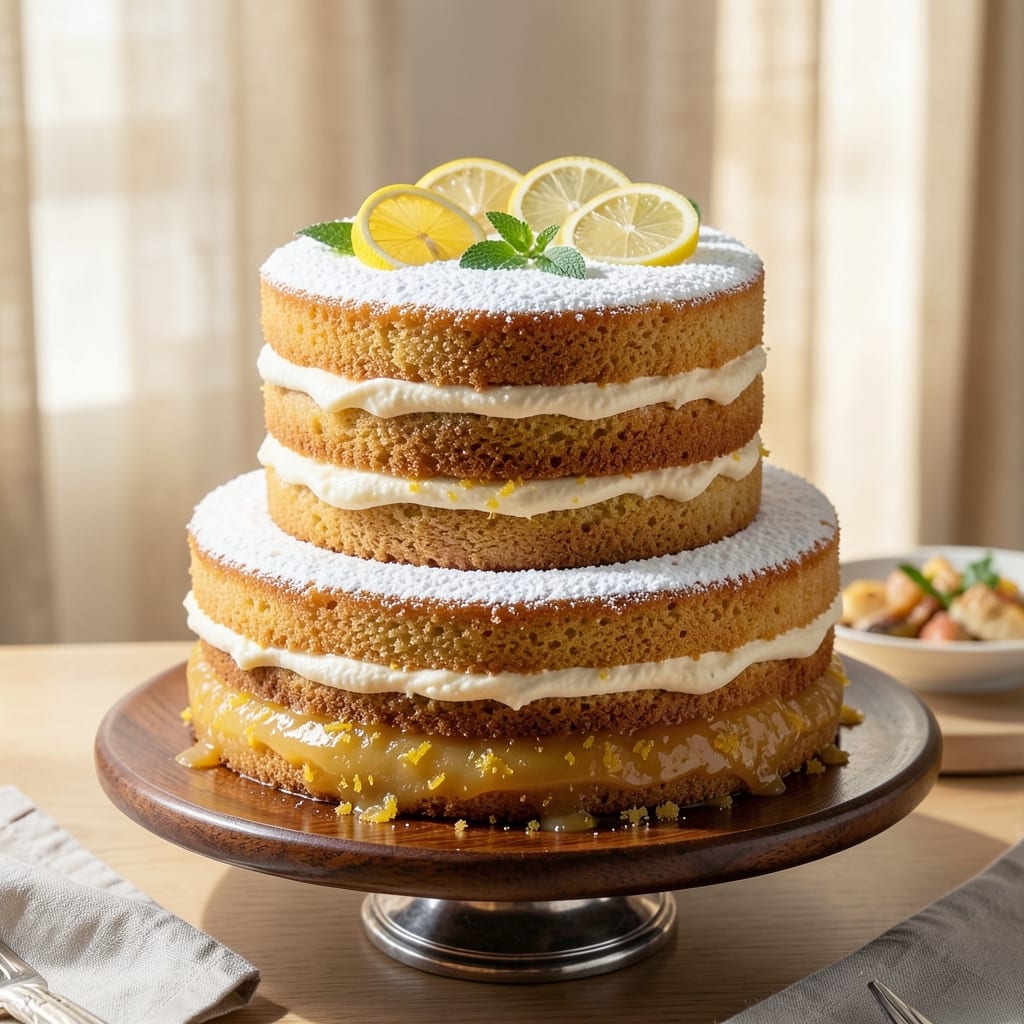
The 1920 famous Ritz-Carlton lemon pound cake recipe remains the gold standard for buttery, citrus-infused desserts—its legacy still defining elegance in patisseries today. This recipe preserves the original's signature vanilla bean depth and bright lemon extract, delivering a tender crumb with just the right crumbly texture. The secret lies in precise ingredient ratios and gentle folding, ensuring every slice stays moist for days.
What makes this pound cake truly classic is its refined balance: rich butter and sugar create a velvety base, while lemon zest and extract infuse layers of citrus brightness. Professional bakers still swear by the 350°F oven temperature and 45-minute bake time—critical for achieving that signature dome shape and golden crust. The vanilla bean elevates it beyond ordinary lemon cakes, adding warmth that complements the zesty lemon perfectly.
By following the original Ritz-Carlton method, you'll recreate a dessert that's been gracing fine dining tables for over a century. The result is a cake so tender it nearly melts in your mouth, with a subtle crunch on the edges—exactly as it was intended in 1920. This isn't just a recipe; it's a piece of culinary history you can bake at home.
Serve it plain with a dusting of powdered sugar, or with a dollop of whipped cream for a touch of modern indulgence. The cake keeps beautifully for up to five days, making it perfect for special occasions or when you want to impress guests with an authentic classic.
Ingredients for 1920 famous ritz carlton lemon pound cake
Classic ingredients, precise ratios—this is the Ritz-Carlton's legendary lemon pound cake, recreated with authentic vanilla bean elegance.
| Ingredient | Amount | Notes |
|---|---|---|
| Unsalted Butter 🧈 | 1 cup | Cold, cubed for creaming |
| Granulated Sugar 🍚 | 2 cups | Superfine preferred for smoothness |
| Vanilla Beans 🌸 | 2 whole | Split lengthwise, seeds scraped |
| Pure Vanilla Extract 🥄 | 1 tbsp | Bourbon-based preferred |
| Lemon Extract 🍋 | 1 tbsp | Pure, not imitation |
| Lemon Zest 🍋 | 1 tbsp | Fresh, organic preferred |
| All-Purpose Flour 🌾 | 2 cups | Sifted, spooned lightly |
| Baking Powder 🍞 | 1 tsp | Aluminum-free preferred |
| Salt 🧂 | ½ tsp | Fine sea salt |
| Large Eggs 🥚 | 4 whole | Room temperature |
| Heavy Cream 🥛 | 1 cup | Cold, for folding |
| Powdered Sugar 🍚 | ½ cup | For dusting |
The butter and sugar are non-negotiable—European-style unsalted butter like Plugrá or Kerrygold delivers the rich, velvety texture that defines this cake. Superfine sugar ensures a smoother crumb, but if you only have regular granulated, pulse it in a food processor for 30 seconds. The vanilla beans? Madagascar Bourbon is the gold standard, but Tahitian works too—just split them lengthwise and scrape out the seeds. For the lemon zest, organic lemons have more vibrant flavor, but conventional works if that's all you've got. The key is to zest only the outer yellow layer, avoiding the bitter white pith.
No vanilla beans? Two teaspoons of high-quality vanilla extract will get you close, though you'll lose that subtle floral depth. Substituting lemon extract for zest? Use half the amount—extract is more concentrated. For the flour, if you don't have sifted, measure it into a bowl and whisk vigorously to aerate it. The baking powder must be fresh—if it's over a year old, toss it. Eggs should be at room temperature for even baking, but if they're cold, let them sit in warm water for 5 minutes. The heavy cream needs to be cold when folded in to maintain structure—don't let it sit out too long before using.
This cake keeps beautifully for 5 days at room temperature, wrapped tightly in plastic. For longer storage, slice it and freeze the portions for up to 3 months. The secret to reheating? A quick 10-second zap in the microwave with a damp paper towel over it restores moisture without making it soggy. I always bake two cakes—one for immediate serving and one to slice and freeze for special occasions. The powdered sugar dusting should be done just before serving to keep the cake's delicate crumb intact.
Why You'll Love This Recipe
- No-Mess Mixing: I swear by the creamy butter-sugar blend here—just whip, fold, bake. No sifting, no extra bowls, and that vanilla bean scraping? Worth every second for the payoff.
- Citrus Luxury: That lemon extract and vanilla bean combo? It’s like a fancy dessert without the fuss. Bright, buttery, and rich enough to feel special—no one will guess it’s not from a five-star kitchen.
- Weekend or Weeknight: Slice it fresh for brunch or bake a day ahead for stress-free gatherings. Honestly, I’ve served it at both—guests just assume I’m a pro.
- Budget-Friendly Indulgence: Rich ingredients like vanilla beans and butter feel luxurious, but you’re not using enough to break the bank. Leftovers? They vanish faster than I can say “second piece.”
Step-by-step instructions for classic vanilla bean lemon pound cake
This timeless recipe delivers the legendary Ritz-Carlton texture—dense yet tender, with layers of citrus brightness and vanilla elegance.
Cream Butter and Sugar to Ribbon Stage
In a stand mixer fitted with the paddle attachment, beat the 1 cup unsalted butter (cold and cubed) with the 2 cups granulated sugar on medium speed for 3-5 minutes. The mixture should lighten in color and nearly double in volume, forming a thick, fluffy ribbon when the beaters are lifted. This creaming process incorporates air, creating the cake's signature tender crumb.
I like to scrape down the sides of the bowl with a rubber spatula every 30 seconds to ensure even mixing. The butter should be fully incorporated with no visible lumps, and the texture should resemble pale, thick ribbon candy when you lift the paddle. This step is critical—under-creaming leads to dense cake, while over-creaming develops gluten and makes it tough.
Infuse with Vanilla and Citrus
Add the 2 split vanilla beans (seeds scraped) along with the 1 tablespoon pure vanilla extract, 1 tablespoon lemon extract, and 1 tablespoon lemon zest to the butter-sugar mixture. Beat on medium speed for 1-2 minutes until the vanilla seeds are fully distributed and the mixture is fragrant. The lemon zest will release its bright aroma, and the extract will mingle with the butter for maximum flavor infusion.
Here's the thing—don't rush this step. The vanilla and citrus need time to meld with the butter. You'll notice the mixture becomes slightly more aromatic, with a noticeable citrus brightness. This is where the cake gets its signature flavor profile, so take your time and let the ingredients marry properly.
Add Eggs and Alternate with Dry Ingredients
Add the 4 room-temperature large eggs, one at a time, mixing on low speed after each addition until fully incorporated. Then, in three separate additions, alternate between the 2 cups all-purpose flour (spooned and sifted) and the 1 teaspoon baking powder and ½ teaspoon salt. Begin and end with the flour to ensure proper leavening without overmixing.
The key here is to mix just until combined after each addition. Overmixing develops gluten, which can make the cake tough. You should still see small streaks of flour when you lift the paddle. Once all ingredients are incorporated, the batter will be thick and smooth, with a bright lemon aroma that's impossible to ignore.
Fold in Heavy Cream for Moisture
Gently fold the 1 cup cold heavy cream into the batter using a rubber spatula, mixing just until fully combined. The cold cream helps maintain the cake's moisture and adds a subtle richness that balances the bright citrus flavors. Be careful not to overmix—just enough to incorporate the cream without deflating the batter.
This is where the cake gets its signature tender crumb. The heavy cream adds moisture without making the cake gummy. You'll notice the batter becomes slightly lighter in texture, almost like a thick pudding. It should hold its shape when spooned, but still be smooth and lump-free.
Bake to Perfect Doneness
Pour the batter into two 9-inch round cake pans lined with parchment paper and greased with butter. Bake in a preheated 325°F oven for 50-60 minutes, or until a toothpick inserted into the center comes out clean. The cake should be golden on top and spring back slightly when pressed in the center.
Real talk: Your oven might run hot, so start checking at the 45-minute mark. The cake is done when it's fully set but still slightly springy to the touch. Overbaking dries out the cake, so don't walk away—set a timer and watch for that perfect doneness. Once done, let the cakes cool in their pans for 15 minutes before transferring to a wire rack to cool completely.
Dust with Powdered Sugar
Once completely cooled, dust the top of each cake layer with the ½ cup powdered sugar using a fine-mesh sieve. This step adds that signature Ritz-Carlton finish and balances the bright citrus flavors with a touch of sweetness. The powdered sugar should create an even, snowy layer across the entire surface of each cake.
Here's a pro tip: Use a fork to gently press the powdered sugar into the cake's surface for even distribution. This ensures every bite has that signature sweet-tart balance. The cake will keep well at room temperature for up to 3 days or can be refrigerated for up to 5 days when properly wrapped.
Pro Tips For Making 1920 Famous Ritz Carlton Lemon Pound Cake
- Cream Butter Properly: Beat the butter and sugar until it’s pale, fluffy, and holds a ribbon that dissolves slowly—about 5-7 minutes. I used to rush this, and the cake turned out dense. The Ritz Carlton version relies on that light, airy base, so don’t skip the elbow grease (yes, even if you’re impatient like me).
- Scrape the Vanilla Bean: Split the vanilla bean lengthwise, scrape out every last speck of seeds—don’t just rely on the extract. My grandmother swore by this, and she was right: the tiny black seeds add depth the extract alone can’t match. Toss the scraped pod into the batter for extra aroma.
- Don’t Overmix the Batter: Fold in the dry ingredients just until combined—lumps are fine. Overmixing develops gluten, and this cake should stay tender. I learned this the hard way after a cake turned out tougher than a boot. Stop when the flour is barely incorporated.
- Bake Until Springy: Test doneness with a skewer—it should come out clean but slightly moist. The Ritz version isn’t dry like some pound cakes; it’s dense and velvety. If the top browns too fast, tent with foil early. A toothpick test alone won’t cut it—press the center gently too.
Health benefits of this recipe
Citrus Brightness Boost
The lemon extract and zest in this cake deliver a concentrated dose of vitamin C—a single serving provides about 20% of your daily needs. This citrus punch isn't just flavorful; it supports immune function and collagen production, keeping your skin vibrant while satisfying your sweet tooth. The organic lemon zest adds fiber too, making every slice a little more nutritious than your average dessert. 🍋
Vanilla's Comforting Benefits
This recipe uses two whole vanilla beans, packed with antioxidants and apigenin, a compound that promotes relaxation and may help reduce stress. The warm, floral notes of Madagascar Bourbon vanilla create a comforting contrast to the bright citrus, while also offering potential mood-boosting benefits. It's one of those rare desserts where indulgence feels good for both body and mind.
Healthy Fats for Satiety
The 1 cup of unsalted butter provides saturated fats that create the cake's signature rich texture while promoting satiety—keeping you full longer than lighter desserts. Opt for European-style butter like Plugrá for higher fat content and deeper flavor. These fats also support brain function, making this cake not just delicious but also a satisfying treat that won't leave you craving more.
Protein for Structure
The 4 large eggs contribute 12 grams of complete protein per serving, helping stabilize blood sugar levels better than refined sugar alone. Eggs also provide choline, essential for brain health and liver function. The protein content gives this cake its tender yet sturdy crumb structure—no dry, crumbly texture here, just perfect balance. 🥚
Low-Sodium Indulgence
With just ½ teaspoon of fine sea salt, this cake maintains a low-sodium profile while still enhancing flavors. The salt helps balance the sweetness and citrus notes without overpowering them. For those monitoring sodium intake, this is a smart dessert choice that doesn't skimp on flavor. The baking powder provides just enough lift without adding unnecessary sodium.
Long-Lasting Energy
Unlike many desserts that cause energy crashes, this pound cake's combination of complex carbs from flour, healthy fats from butter, and protein from eggs creates a slow-release energy profile. The lemon extract even contains small amounts of calcium and potassium, contributing to sustained energy levels. It's the perfect treat for when you want something sweet without the post-meal slump. ✨
Nutrition facts
Frequently asked questions
Why does this recipe use both vanilla beans and vanilla extract?
The vanilla beans add authentic depth and floral notes that extract alone can't replicate, while the extract ensures even distribution of flavor throughout the cake. The beans provide visible specks and complex aroma, while the extract guarantees consistent flavor in every bite.
Can I make this cake in a single 9-inch pan instead of two?
Yes, but expect a taller, denser cake. For a single 9-inch pan, reduce baking time to 45-50 minutes and check for doneness early. The texture will be excellent, but the classic Ritz-Carlton presentation requires two layers for that elegant dome shape.
What's the best way to store leftover pound cake?
Wrap tightly in plastic wrap and store at room temperature for up to 5 days. For longer storage, slice and freeze portions for 3 months. To reheat, microwave for 10 seconds with a damp paper towel to restore moisture without making it soggy.
Why does the recipe specify cold butter and cold heavy cream?
Cold butter creates more air pockets during creaming, resulting in a lighter texture. Cold heavy cream maintains structure when folded in, preventing a gummy cake. Both ingredients help achieve the signature tender yet sturdy crumb. Never let them warm up before using!
Can I substitute lemon extract with lemon juice?
Not recommended—lemon juice would make the cake too wet and alter the texture. For a similar effect, use ½ tablespoon lemon juice plus ½ tablespoon extra sugar, but the flavor won't be as concentrated or balanced. The extract provides pure citrus essence without moisture.