
Desserts
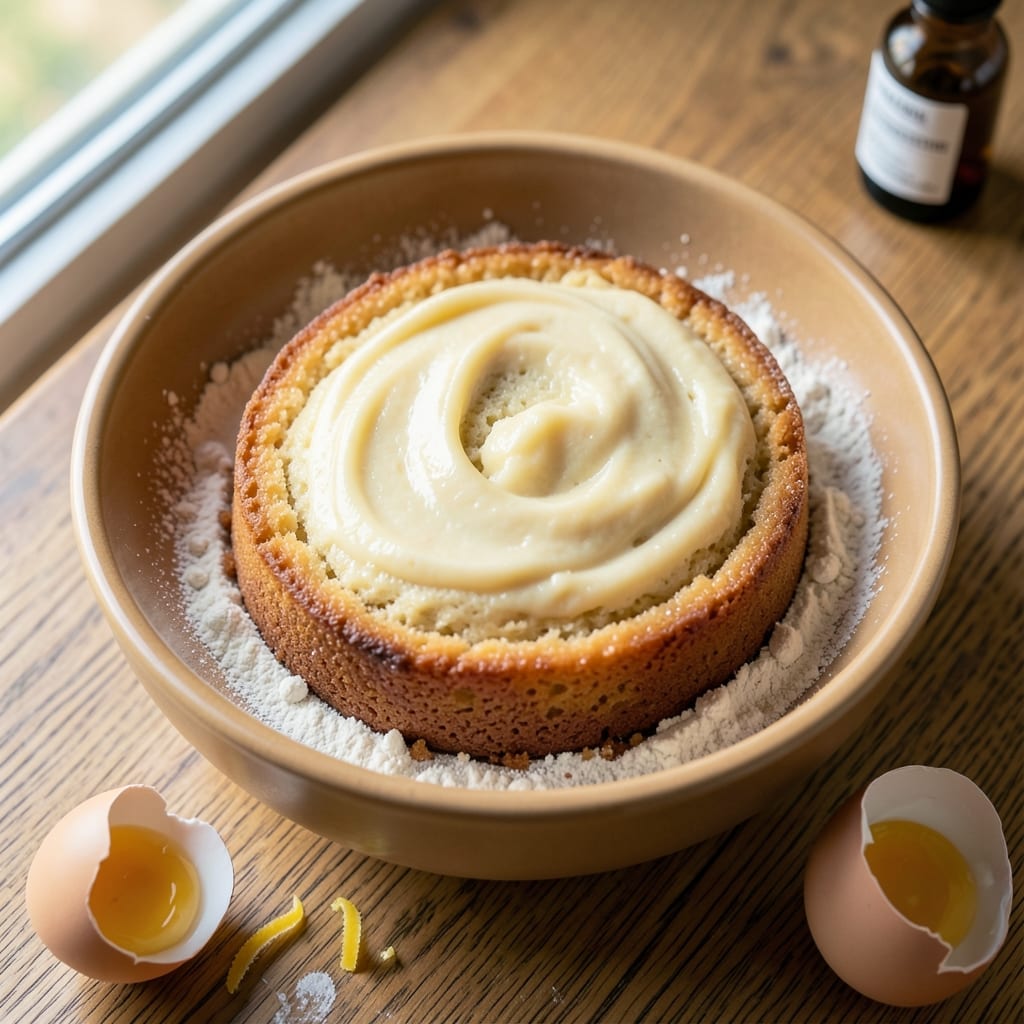
This 2-egg pound cake delivers the perfect balance of tender crumb and buttery crunch top—all with just two eggs and simple pantry staples. The secret lies in the precise technique of mixing dry ingredients separately and folding them gently into the wet mixture, ensuring a light yet sturdy texture. What makes this recipe stand out is its foolproof method for achieving that signature golden crust without cracking, even with minimal eggs.
The cake's magic comes from the combination of melted butter and buttermilk, which keep it moist without making it dense. Vanilla frosting swirls through the layers add a touch of elegance, while the crunchy top provides satisfying texture in every bite. Unlike traditional pound cakes that require more eggs, this version maintains richness and structure through careful mixing and baking at the right temperature.
By the time it emerges from the oven, you'll have a cake that's perfectly golden on top, tender in the middle, and infused with vanilla flavor throughout. The frosting swirls create a beautiful presentation, making it ideal for celebrations or a special dessert. This recipe proves that fewer eggs can still yield a luxurious result.
Whether you're baking for a gathering or treating yourself, this pound cake delivers restaurant-quality texture with minimal effort. The key is patience—letting the batter rest and baking it slowly ensures the best possible outcome. Ready to bake a cake that impresses without the complexity?
Ingredients for 2 egg pound cake
Simple pantry staples create a luxurious pound cake with signature crunch top and vanilla swirls.
| Ingredient | Amount | Notes |
|---|---|---|
| Unsalted Butter 🧈 | 1 cup | Melted and cooled to room temperature |
| Granulated Sugar 🍚 | 1 ½ cups | White or light brown preferred |
| All-Purpose Flour 🌾 | 2 cups | Sifted, spooned and leveled |
| Large Eggs 🥚 | 2 whole | Room temperature for best mixing |
| Buttermilk 🥛 | 1 cup | Room temperature, not cold |
| Pure Vanilla Extract 🌿 | 2 tsp | High-quality, not imitation |
| Baking Powder 🍃 | 1 tsp | Freshly opened for best results |
| Salt 🧂 | ½ tsp | Fine sea salt preferred |
| Powdered Sugar 🍚 | 2 cups | For frosting, sifted |
| Heavy Whipping Cream 🥛 | 1 cup | Cold for frosting |
| Vanilla Frosting Base 🍰 | ½ cup | Store-bought or homemade |
| Pecans (optional) 🌰 | ½ cup | Chopped, for topping |
The butter is non-negotiable here—unsalted, high-quality butter gives that rich, buttery flavor. European-style brands like Plugrá or Land O'Lakes melt beautifully. For the flour, King Arthur or Gold Medal are reliable choices. The buttermilk should be room temperature when mixing to ensure smooth batter. If you're short on time, substitute with milk and 1 tsp vinegar, but let it sit for 5 minutes to curdle. The sugar matters too—light brown adds subtle depth, but white keeps it classic. Sift both the flour and powdered sugar to avoid lumps in your frosting.
No buttermilk? Plain yogurt or sour cream works in a pinch—just thin with milk to match the consistency. Short on vanilla extract? Vanilla bean paste gives more flavor, or use 1 tsp vanilla sugar if you're in a bind. For the frosting, store-bought vanilla buttercream saves time, but homemade is worth the effort. If you're adding pecans, toast them first for extra flavor—5 minutes in a dry pan until fragrant. The frosting base can be swapped for cream cheese frosting if you prefer a tangier profile, but the vanilla swirls are what make this cake special.
Store the cake layers wrapped in plastic at room temperature for up to 2 days. Once frosted, it keeps for 3 days in the fridge. For longer storage, freeze unfrosted layers for 3 months—thaw at room temperature before frosting. The frosting can be made a day ahead and stored in the fridge. When ready to assemble, let the frosting sit at room temperature for 10 minutes before piping. The crunch top stays crisp for about 24 hours if kept in an airtight container.
Why You'll Love This Recipe
- Two-Egg Magic: I’ll never understand why classic pound cakes need a dozen eggs—this version nails the same tender crumb with just two. The buttermilk keeps it moist without being heavy, and the butter-sugar creaming? That’s where the real magic happens.
- Buttery Bliss: Honestly, the flavor is what hooked me. Rich, buttery layers that don’t taste like they’re missing anything (no weird aftertaste from too much sugar or dryness from skimping on fat). The sugar caramelizes just enough to give it that subtle depth—like a hug in cake form.
- Weeknight Wonder: Between us, this is my go-to for breakfast or dessert without the fuss. Bake it once, slice it for days—toss in the freezer for quick toast or serve warm with coffee. And yes, even on a Tuesday night when you’re too tired to measure more than five ingredients.
- Budget-Friendly Luxury: Two eggs, a stick of butter, and buttermilk? That’s a fraction of the cost of store-bought pound cake, but it tastes like you spent hours. I’ve made this for potlucks, gifts, and lazy Sundays—no one ever guesses it’s this simple. (My secret weapon.)
Step-by-step instructions for 2-Egg pound cake
Here's how to bake a perfectly moist pound cake with a signature buttery crunch top and swirled vanilla frosting.
Cream Butter and Sugar for Maximum Fluffiness
In a large mixing bowl, combine the 1 cup unsalted butter (cooled to room temperature) and 1.5 cups granulated sugar. Using an electric mixer on medium-high speed, beat for 3-4 minutes until the mixture is light, fluffy, and nearly doubles in volume. You'll see ribbons form when you lift the beaters—this is your signal that air has been properly incorporated.
The reason we wait until the butter is fully emulsified with the sugar is that this creates the tender crumb we want in a pound cake. If you rush this step, your cake will turn out dense. Scrape down the sides of the bowl with a rubber spatula every minute to ensure even mixing.
Incorporate Eggs and Buttermilk for Rich Moisture
Add the 2 whole large eggs one at a time, mixing well after each addition until fully combined. The eggs should blend smoothly into the butter-sugar mixture without leaving any streaks. Then, add the 1 cup buttermilk and 2 teaspoons pure vanilla extract, mixing on low speed just until everything is incorporated.
This is where the cake gets its signature moisture and richness. The buttermilk adds that slight tang while keeping the texture tender. I like to let the mixture sit for 1 minute after adding the buttermilk—this allows the flour to fully hydrate when we add it next. Don't worry if the mixture looks slightly curdled; it will come together when we add the dry ingredients.
Combine Dry Ingredients and Create the Batter
In a separate bowl, whisk together the 2 cups all-purpose flour, 1 teaspoon baking powder, and 0.5 teaspoon salt. Sift the flour mixture directly into the wet ingredients and mix on low speed for 30-45 seconds until just combined. You should still see some flour streaks—overmixing develops gluten and makes the cake tough.
This is the moment where the cake's texture is determined. The dry ingredients should blend evenly but not create a smooth batter. The mixture should be thick and slightly lumpy. If it looks too dry, add 1 tablespoon of buttermilk to help bring it together. Pour the batter into a 9x5-inch loaf pan that's been lightly greased with butter and lined with parchment paper.
Bake Until Golden with a Crunchy Top
Preheat your oven to 350°F. Bake the cake for 50-60 minutes until a toothpick inserted in the center comes out clean and the top is golden brown with a crackly crust. The cake should spring back slightly when pressed in the center—this is your sign of doneness.
Here's the thing about pound cakes—they benefit from that crackly top. Don't overbake it in an attempt to get a darker color; the cake will continue to cook slightly as it cools. If the top starts browning too quickly, tent the pan with aluminum foil after 30 minutes to prevent over-browning while still allowing the cake to bake through.
Prepare the Vanilla Frosting Swirls
While the cake is cooling, prepare the frosting by whipping the 1 cup cold heavy whipping cream to stiff peaks. In a separate bowl, mix the 2 cups powdered sugar and 0.5 cup vanilla frosting base until smooth. Gently fold the whipped cream into the sugar mixture until fully combined.
Once the cake has cooled completely (about 1 hour), spread a thin layer of frosting over the top. Use a knife to create swirls by dragging the frosting from one side of the cake to the other. For extra flair, sprinkle the 0.5 cup chopped pecans (if using) over the top before the frosting sets. The contrast between the moist cake and the buttery crunch of the pecans makes this cake truly special.
Pro Tips For Making 2 Egg Pound Cake
- CREAM BUTTER AND SUGAR WELL: I used to beat this mixture for 30 seconds and wonder why my cake was dense. Take the time—2-3 minutes on medium-high—until the butter turns pale yellow and the sugar is fully incorporated. That’s when the air gets trapped properly for a light texture.
- MEASURE FLOUR BY SPOONING: Scooping flour straight from the bag packs it down, making your cake gummy. Instead, spoon it into a measuring cup, then level with a knife. Trust me, the difference in crumb texture is noticeable—especially in a recipe this lean.
- DON’T OVERMIX AFTER ADDING FLOUR: Once you fold in the dry ingredients, stop mixing the second everything’s combined. Overmixing develops gluten, and your cake will turn tough. Just until the batter looks slightly streaky—no need for perfection.
- USE ROOM-TEMPERATURE EGGS: Cold eggs mix unevenly and can cause pockets of dense batter. Take them out 30 minutes before baking, or run them under warm water for 10 seconds. The batter will come together smoother, and the cake rises better.
Pro cooking tips for 2 egg pound cake
Butter Temperature Matters
The secret to that signature tender crumb starts with your butter—it must be room temperature but not melted. I test by pressing my finger into the butter; if it leaves a slight indentation but holds its shape, it's perfect. If your kitchen is cold, let the butter sit in a bowl for 30-45 minutes before starting. Using cold butter creates dense cakes, while melted butter can make the cake greasy. For best results, I recommend Land O'Lakes unsalted butter—it melts evenly without separating. 🧈
Dry Ingredient Technique
Never skip sifting your flour—this prevents lumps and ensures even distribution. I whisk the dry ingredients (flour, baking powder, salt) in a separate bowl first, then sift them directly into the wet mixture. This creates a lighter texture compared to dumping flour all at once. When mixing, stop as soon as you see no more flour streaks—overmixing develops gluten, making your cake tough. I time this step with my mixer set to 30 seconds maximum on low speed. 🌾
Batter Resting Time
After adding the buttermilk, let the batter rest for 1-2 minutes before folding in the dry ingredients. This crucial step allows the flour to hydrate properly, resulting in a more even crumb. I find that resting the batter also prevents the cake from sinking in the center. If your batter looks too thick, add 1 tablespoon of buttermilk—this helps without making the cake too wet. The batter should be thick but pourable, like pancake batter. ⏳
Oven Prep for Perfect Rise
Place your 9x5-inch loaf pan in the oven while it preheats to 350°F for 10 minutes. This ensures your cake starts baking immediately in a hot environment, promoting even rise. I also recommend placing a baking sheet on the rack below the pan to catch any potential drips. For that signature crackly top, avoid overbaking—your cake should have a golden brown crust but still feel slightly springy to the touch. 🔥
Frosting Swirl Mastery
For those beautiful vanilla frosting swirls, use a small offset spatula to spread a thin layer of frosting over the cooled cake. Then, use the back of the spatula to drag frosting from one side to the other in smooth, even strokes. Work quickly before the frosting softens completely. I like to chill my frosting for 10 minutes before using—this makes it easier to create clean swirls. For extra flair, sprinkle toasted pecans immediately after swirling. 🍰
Crust Perfection Tips
To enhance that buttery crunch top, brush the warm cake (just out of the oven) with 2 tablespoons melted butter while it's still in the pan. This creates an extra layer of flavor and texture. For an even deeper flavor, I sometimes sprinkle 1 teaspoon turbinado sugar on top before baking—it caramelizes beautifully during the final minutes. Let the cake cool completely in the pan for 15 minutes before transferring to a wire rack. 💫
Nutrition facts
Frequently asked questions
Why does this recipe use only 2 eggs?
This recipe uses just 2 eggs to create a lighter texture while still maintaining structure. The secret lies in the precise mixing technique and using buttermilk for moisture, which compensates for the reduced egg volume. The butter-sugar creaming step also incorporates plenty of air, ensuring a tender crumb without needing extra eggs.
Can I make this cake without buttermilk?
Yes! Substitute the 1 cup buttermilk with 1 cup milk + 1 teaspoon vinegar or lemon juice. Let it sit for 5 minutes to curdle before using. For extra richness, you could also use 1 cup plain yogurt, though the flavor will be slightly tangier. The cake will still turn out moist, just with a slightly different texture.
How do I prevent the cake from cracking on top?
Cracking happens when the cake bakes too quickly. To prevent it, make sure your oven is fully preheated to 350°F and place the pan in the center rack. If the top starts browning too fast after 30 minutes, tent the pan with aluminum foil. Also, avoid opening the oven door during the first 30 minutes of baking.
Can I bake this cake in a different pan size?
This recipe is designed for a 9x5-inch loaf pan, but you can adapt it. For an 8-inch round pan, reduce baking time by about 10-15 minutes. If using a 9x9-inch square pan, increase baking time by 10-15 minutes. Always check doneness with a toothpick. The cake should spring back slightly when pressed in the center.
How long can I store the cake layers?
Unfrosted cake layers can be stored at room temperature in an airtight container for up to 2 days. For longer storage, freeze the layers for up to 3 months. Once frosted, keep the cake refrigerated for 3-4 days. Let the cake sit at room temperature for 30 minutes before serving to enjoy the best texture.