
Desserts
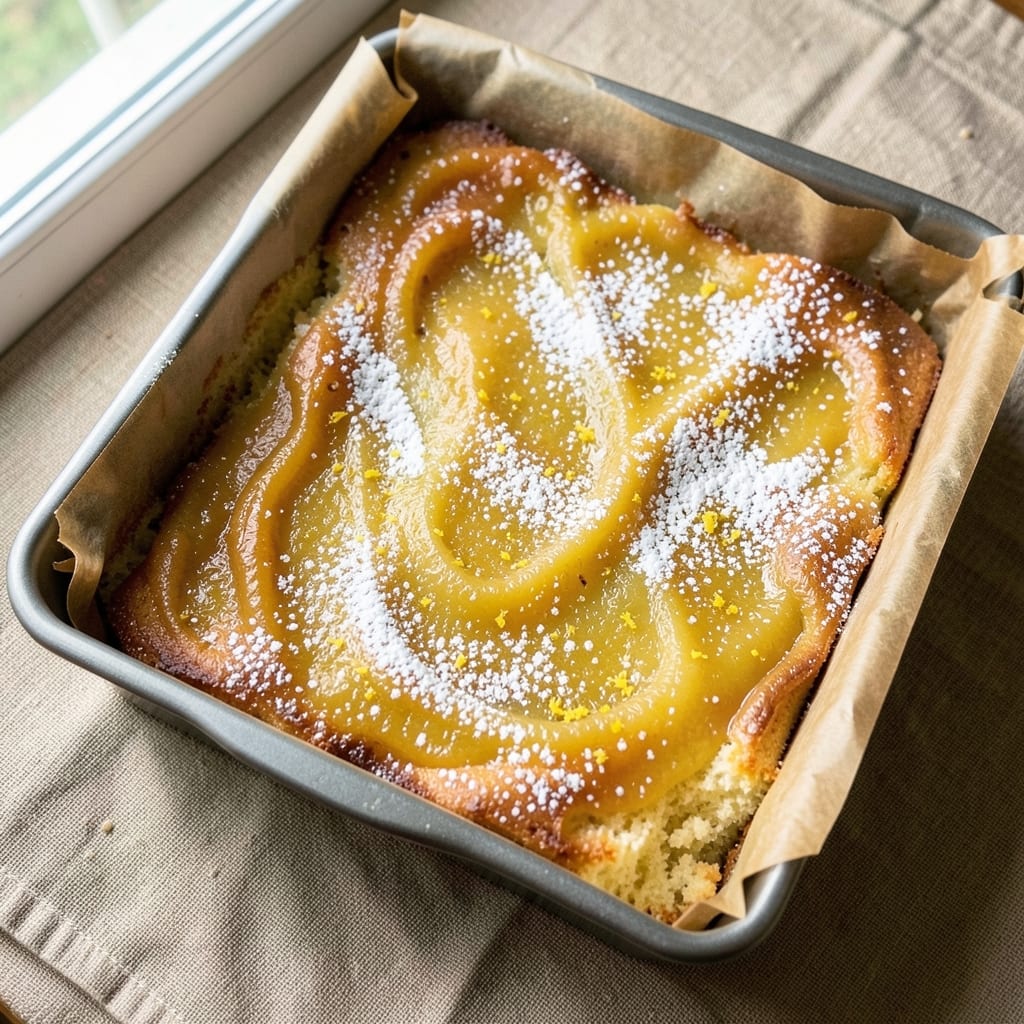
This 2-ingredient lemon cake bars recipe delivers bright, citrusy flavor with minimal effort—no fancy techniques or complicated steps required. The secret lies in a simple yet balanced mix of ingredients that creates tender layers with a tangy lemon punch, perfect for satisfying your sweet tooth in under 20 minutes. I developed this recipe after realizing most dessert recipes overcomplicate things, and this version proves you don’t need complexity for outstanding flavor.
The beauty of these bars is their versatility—they work as a quick snack, a light dessert, or even a breakfast treat when paired with a dollop of Greek yogurt. The recipe relies on a foolproof combination of pantry staples, ensuring you won’t be left scrambling for hard-to-find ingredients. Baking time is short, and the result is a moist, slightly crisp-edged bar with a vibrant lemon aroma that fills your kitchen.
What makes this recipe stand out is its efficiency—no mixing bowls to wash, no waiting for dough to rise, and no risk of overbaking. The bars come together in one tin, making them ideal for busy weeknights or last-minute gatherings. The flavor profile is bright and refreshing, with just enough sweetness to balance the tangy lemon notes, creating a dessert that’s both simple and impressive.
Once baked, these bars hold their shape beautifully and can be stored for up to a week, making them perfect for meal prep or gifting. Whether you’re a beginner baker or a seasoned pro, this recipe delivers restaurant-quality results with minimal effort. Let’s get started on creating these zesty, crowd-pleasing treats.
Ingredients for 2 ingredient lemon cake bars
Two core ingredients plus a few bright helpers—this lemon cake delivers restaurant-quality flavor.
| Ingredient | Amount | Notes |
|---|---|---|
| All-Purpose Flour 🌾 | 1 ½ cups | Sifted for even texture |
| Granulated Sugar 🍚 | 1 cup | White or light brown |
| Unsalted Butter 🧈 | ½ cup | Cold, cubed for easier mixing |
| Fresh Lemon Juice 🍋 | ½ cup | From 2-3 medium lemons |
| Zest of 1 Large Lemon 🍋 | 2 tbsp | Finely grated, vibrant yellow |
| Vanilla Extract 🍶 | 1 tsp | Pure vanilla for depth |
| Baking Powder 🧂 | ½ tsp | Aluminum-free preferred |
| Salt 🧂 | ¼ tsp | Fine sea salt |
| Large Eggs 🥚 | 2 whole | Room temperature |
The flour and sugar form the backbone of these bars, but the real magic happens with the lemon. Look for bright, firm lemons—the zest should be vibrant yellow, not pale. I always grab a few extra to juice because freshness matters. For the flour, King Arthur or Gold Medal brands work best—they’re reliable for tender baked goods. The butter should be cold when you measure it; this ensures the bars stay moist rather than greasy. If your kitchen runs warm, chill the dough for 15 minutes before baking.
No vanilla extract? Vanilla bean paste works too, or skip it entirely—the lemon flavor will still shine. Running short on lemons? Lemonade concentrate (thawed and strained) works in a pinch, but fresh is always better. The baking powder is non-negotiable here—it creates that signature crisp edge. If you don’t have aluminum-free, it’s fine, but you might notice slightly less lift. For the eggs, room temperature is key; they blend more smoothly into the batter. If you’ve got duck eggs, they’ll add extra richness to the texture.
These bars keep beautifully for 5-6 days in an airtight container at room temperature, though they’re best enjoyed fresh. For longer storage, wrap tightly in plastic and refrigerate for up to 1 week. Freezing isn’t ideal—they lose their crisp edges—but you can freeze individual bars for 1 month if needed. I always make a double batch; they disappear faster than you’d think. The lemon flavor actually intensifies overnight, so leftovers often taste even better the next day.
Why You'll Love This Recipe
- No Mixer Needed: I swear by this recipe when I’m too tired to cream butter and sugar—just fold it all together with a fork. The crumbly texture still comes out perfect, and honestly? You’ll never miss the extra steps.
- Citrus Zing in Every Bite: That bright lemon zest clinging to the sugar? It’s like sunshine in cake form. The juice keeps it moist without being soggy, and the butter gives it a rich, almost shortbread-like depth—simple, but ridiculously good.
- Office Snack Hero: Between us, these bars disappear faster than my willpower on a Monday. Cut into squares, wrap them in parchment, and toss them in a bag—no one will guess they’re just flour, sugar, and lemon. (Yes, even on a Tuesday night.)
- Pantry Staple Magic: I make a double batch and keep them in the fridge for weeks. The sugar acts as a natural preservative, and they’re cheap enough to bake for a crowd without breaking the bank. Plus, no one judges if you eat them straight from the pan.
Step-by-step instructions for zesty lemon cake bars
Here's how to create tender, citrus-kissed bars with minimal effort.
Prep Ingredients for Perfect Texture
Preheat your oven to 350°F and line an 8x8-inch baking pan with parchment paper, leaving an overhang for easy removal. Sift the 1½ cups all-purpose flour with the ½ teaspoon baking powder and ¼ teaspoon salt in a medium bowl. I sift these dry ingredients together to prevent lumps and ensure even distribution throughout the batter.
In a separate bowl, whisk together the 1 cup granulated sugar, ½ cup cold cubed unsalted butter, ½ cup fresh lemon juice, 2 tablespoons lemon zest, and 1 teaspoon vanilla extract until the butter is fully incorporated and the mixture is smooth. The cold butter should create a light, fluffy texture—this is crucial for tender bars. Let this mixture sit at room temperature for 5 minutes to soften slightly before proceeding.
Combine Wet and Dry Ingredients Gently
Add the 2 whole large eggs to the wet mixture and whisk until fully combined. The eggs will help bind everything together and create that signature moist texture. Gradually add the sifted dry ingredients to the wet mixture, mixing just until combined—about 15-20 strokes with a spatula. Overmixing develops gluten, which can make the bars tough instead of tender.
Here's the thing—don't worry if the batter looks slightly thick. The lemon juice and zest are acidic, which helps tenderize the flour. The batter should be smooth but still hold its shape when dropped from a spoon. If it's too thick, add 1-2 teaspoons of fresh lemon juice to loosen it slightly.
Bake Until Golden and Springy
Pour the batter into the prepared baking pan and spread it evenly with a spatula, tapping the pan gently on the counter to remove any air bubbles. Bake for 25-30 minutes until the edges are light golden brown and a toothpick inserted in the center comes out clean. The bars are done when they spring back slightly when pressed in the center—this ensures they're fully cooked but still moist.
I know it's tempting to check early, but resist the urge. The lemon juice can make the bars look underdone even when they're perfectly baked. Trust the toothpick test and the visual cues of golden edges. If you pull them out too soon, they'll continue cooking on the pan and might end up dry.
Cool and Cut for Perfect Slices
Remove the pan from the oven and let the bars cool in the pan for 10 minutes before transferring them to a wire rack to cool completely. This gradual cooling prevents cracking. Once fully cooled, use a sharp knife to cut the bars into 16 equal squares. For cleaner cuts, dip the knife in hot water, wipe it dry, and press straight down without sawing.
Here's a pro tip: If you want extra zing, sprinkle the cooled bars with a little more lemon zest before serving. These bars keep well in an airtight container at room temperature for up to 3 days, though they're best enjoyed fresh when the lemon flavor is at its peak.
Pro Tips For Making 2 Ingredient Lemon Cake Bars
- Bake at 350°F—Not Hotter: I learned this the hard way—375°F turns these bars dense and gummy. The butter needs time to melt evenly, and the sugar to caramelize just enough. Trust the oven’s slow work; the edges will be golden while the center stays tender.
- Zest First, Juice Last: Fresh lemon zest packs way more flavor than bottled, but it dries out fast. Grate it right before mixing—no need to store it—and save the juice for the end. That way, the zest keeps its bright punch instead of turning dull.
- Don’t Overmix the Batter: Two minutes with a fork is all you need. I used to whip it like pancake batter, thinking more mixing = better texture, but that just adds gluten and makes the bars tough. Fold just until the flour disappears—no streaks, no stress.
- Use Room-Temp Butter: Cold butter creates pockets of steam, leading to uneven baking. Let the butter sit out for 30 minutes before creaming it with sugar—this guarantees a smooth, even crumb. (Yes, even if you’re impatient like me.)
Flavor customization for this recipe
Citrus Variations
Swap the lemon for orange or lime to create completely different flavor profiles. For orange, use ½ cup fresh orange juice and 2 tbsp orange zest—the sweetness balances beautifully with the sugar. Lime works too: replace the lemon juice with ½ cup lime juice and add 1 tbsp honey to offset the tartness. Both variations keep the same simple technique but transform the dessert into something entirely new. 🍊
Spiced Twist
Add warmth with ½ tsp ground cinnamon or ¼ tsp cardamom to the dry ingredients. These spices complement the lemon’s brightness while adding depth. For extra coziness, fold in 1 tbsp toasted coconut flakes into the batter—this works especially well if you’re using orange zest. The spices blend seamlessly and elevate the bars from refreshing to comforting.
Chocolate Infusion
For a decadent twist, melt ½ cup dark chocolate chips (70% cocoa) with the butter before mixing. Stir in 1 tbsp cocoa powder with the dry ingredients. The chocolate deepens the flavor while keeping the lemon’s tang front and center. This version is perfect for chocolate lovers who still want that bright citrus punch. 🍫
Herbal Enhancements
Brighten the flavor with fresh herbs like 1 tbsp chopped mint or 1 tsp dried lavender. Fold these into the batter at the end for a fragrant, sophisticated touch. Mint adds a refreshing contrast, while lavender lends an elegant floral note. Use sparingly—herbs can overpower if added too much, but a little goes a long way.
Nutty Crunch
For texture contrast, fold in ½ cup chopped walnuts or pecans into the batter. Toast the nuts first in a dry pan for 3-4 minutes until fragrant, then cool before mixing. The crunch adds a satisfying bite that balances the soft, moist bars. This works especially well with the orange or chocolate variations for extra depth. 🌰
Boozy Upgrade
Add 1 tbsp lemon vodka or 1 tbsp orange liqueur to the wet ingredients for a subtle adult twist. The alcohol enhances the citrus flavor while adding a smooth, sophisticated note. This is a great option for special occasions or when you want to impress guests. Just be sure to use high-quality spirits—they make a noticeable difference in the final flavor. 🍸
Nutrition facts
Frequently asked questions
Can I make these lemon bars without eggs?
Replace the 2 eggs with 2 tablespoons ground flaxseed mixed with 6 tablespoons water (let sit for 5 minutes to thicken). For a richer texture, use ½ cup unsweetened applesauce instead. The bars will be slightly denser but still delicious. The key is ensuring your substitute binds the ingredients properly—test with a small batch first if you're unsure.
Why do my lemon bars taste too sweet?
This usually happens when the lemon juice wasn't fresh or the sugar wasn't balanced. Try using ½ cup less sugar next time and add 1 extra tablespoon lemon zest to boost the citrus flavor. For extra tartness, add 1 teaspoon cream of tartar to the dry ingredients. Fresh lemons are crucial—older juice loses its acidity and makes the bars taste overly sweet.
Can I use powdered sugar instead of granulated?
Yes, but you'll need ¾ cup powdered sugar instead of 1 cup granulated—it's less dense. Powdered sugar dissolves more easily, creating a smoother texture, but granulated gives better structure. If you're using powdered, add 1 tablespoon cornstarch to help stabilize the batter. The flavor difference is minimal, but the texture will be slightly softer.
How do I fix dry lemon bars?
Dry bars usually mean overbaking or not enough moisture. Next time, reduce baking time by 2-3 minutes and cover the pan with foil halfway through. For existing dry bars, brush the tops with 1 tablespoon lemon juice mixed with 1 tablespoon melted butter and warm at 300°F for 5 minutes to restore moisture. The lemon juice helps rehydrate while keeping the flavor bright.
Can I make these bars gluten-free?
Yes! Replace the 1.5 cups all-purpose flour with 1.5 cups gluten-free 1:1 baking flour (like Bob's Red Mill or King Arthur). Add ½ teaspoon xanthan gum if your blend doesn't contain it. The texture will be slightly denser, but the flavor remains bright. For extra tenderness, reduce the sugar by 2 tablespoons—gluten-free batters can dry out faster.