
Desserts
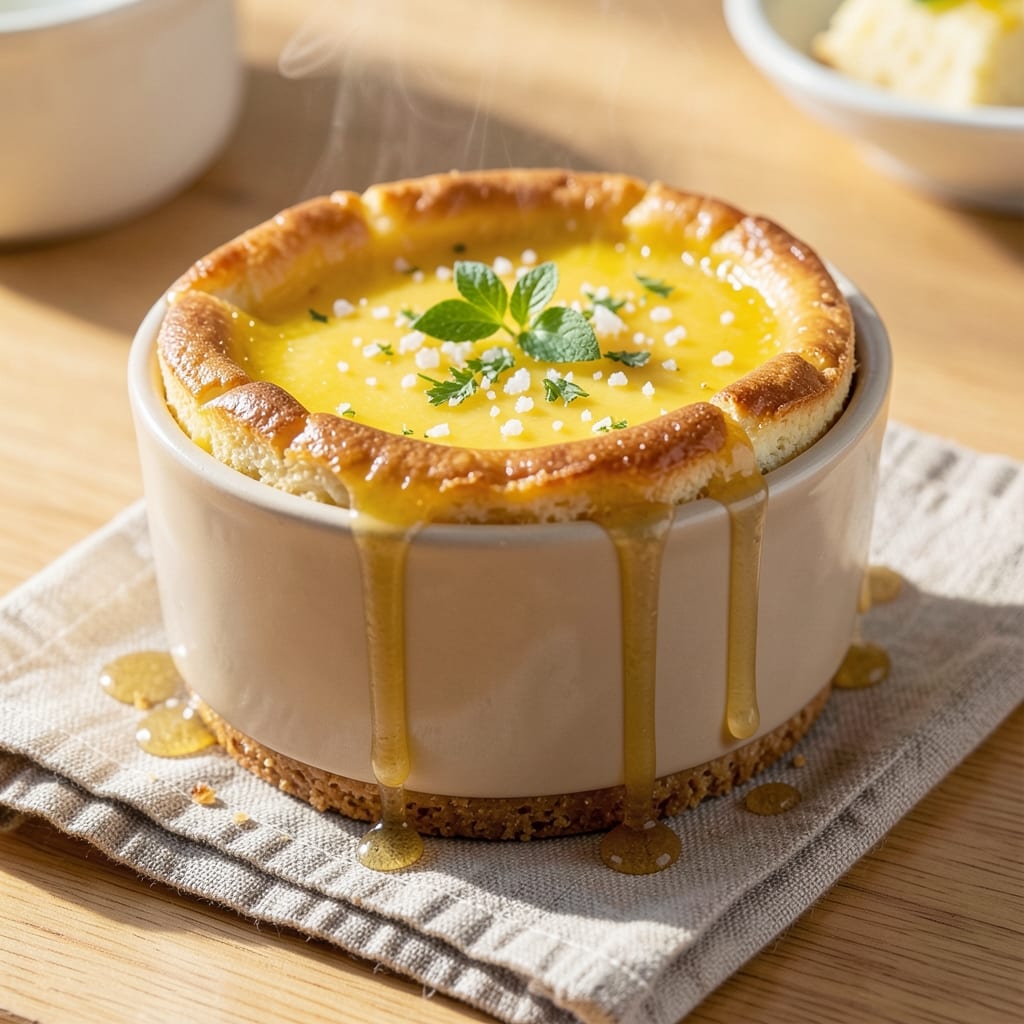
A 4-inch lemon cheesecake delivers perfect portions with a zesty crust and tangy filling that brightens any dessert table. 💛 This recipe balances simplicity with professional results—no special equipment needed beyond a water bath for smooth texture. The secret lies in the crust's buttery crumble and the filling's careful blending to avoid lumps.
You'll start with a crispy, lemon-infused crust that sets the stage for the creamy filling, then bake in a water bath to prevent cracking. The tangy lemon flavor comes through in every bite, while the cream cheese keeps it rich and velvety. This size makes it ideal for small gatherings or a single indulgent treat.
What you'll achieve is a golden, perfectly set cheesecake with a bright citrus finish that pairs beautifully with fresh berries or whipped cream. The water bath method ensures a silky texture without the risk of cracks, and the lemon zest adds that signature freshness.
Perfect for holidays, potlucks, or a special dessert night, this recipe scales easily and delivers restaurant-quality results at home. Let's get started with the ingredients and steps to create your own zesty masterpiece.
Ingredients for 4 inch lemon cheesecake
These carefully balanced ingredients create a restaurant-quality lemon cheesecake with a zesty crust and velvety filling.
| Ingredient | Amount | Notes |
|---|---|---|
| Lemon Zest 🍋 | 1 ½ tbsp | Freshly grated from organic lemons |
| All-Purpose Flour 🌾 | ½ cup | Sifted for even distribution |
| Granulated Sugar 🍚 | ¼ cup | Fine grain preferred |
| Unsalted Butter 🧈 | ½ cup | Cold, cubed for crust |
| Salted Butter 🧈 | ¼ cup | Cold, cubed for crust |
| Large Eggs 🥚 | 2 whole | Room temperature |
| Cream Cheese 🧀 | 8 oz | Full-fat, room temperature |
| Powdered Sugar 🍚 | ½ cup | Sifted for smooth filling |
| Heavy Cream 🥛 | ½ cup | Cold for stability |
| Lemon Juice 🍋 | ¼ cup | Freshly squeezed |
| Vanilla Extract 🌿 | 1 tsp | Pure Madagascar preferred |
| Diamond Crystal Kosher Salt 🧂 | ¼ tsp | Fine grain for balance |
| Lemon Glaze 🍋 | ¼ cup | Optional for finishing |
The crust demands attention to detail. Organic lemons from the farmers market provide the most vibrant zest, but any fresh lemons work. For the butter, Plugrá or Land O'Lakes are reliable choices—just ensure they're cold when cutting into cubes. The flour should be sifted to prevent graininess in the crust. If you're concerned about overmixing, measure your ingredients precisely and blend just until combined. The crust's success hinges on even distribution of the butter and sugar before baking.
No fresh lemons? Lemon extract at half the amount can substitute, though the flavor won't be as bright. For a tangier filling, add an extra tablespoon of lemon juice. The cream cheese should be at room temperature when blending to avoid lumps—microwave for 30 seconds if needed. If you prefer a lighter texture, substitute half the heavy cream with whipped cream. For an extra touch of elegance, fold in a few drops of blue curaçao for a subtle citrus note. The powdered sugar should be sifted to ensure a smooth, lump-free filling.
This cheesecake requires a water bath for professional results. Prepare your water bath by placing a baking sheet in the oven before preheating. The crust should be baked until golden, about 12-15 minutes, then cooled completely before adding the filling. Store the unbaked cheesecake in the refrigerator for up to 24 hours before baking. Once baked, it keeps for 5 days in the fridge and freezes beautifully for 3 months. For the glaze, mix powdered sugar with a splash of lemon juice and water, then drizzle over the cooled cheesecake.
Why You'll Love This Recipe
- No Fuss, One Bowl: I swear, this recipe lives in my mixing bowl for 90% of the time. Just toast the flour with sugar and butter—no fancy steps, no extra pans—then fold in lemon zest. That’s it. The crust? Half the work of traditional recipes, and it still holds up like a dream.
- Zesty Magic: That lemon zest isn’t just garnish—it’s the star. Bright, tangy, and just sharp enough to cut through the creamy richness. Honestly, I’ve tried store-bought lemon desserts, and this one actually tastes like summer. The salted butter in the crust? It takes it from good to “I’ll fight you for the last slice.”
- Portion Control: Four-inch cakes mean you’re never stuck with a whole cheesecake that’ll outlast your willpower. Perfect for a single serving (because yes, I’ve eaten one in under 10 minutes) or a cute little gift. And if you make two? They freeze like a champ—just thaw overnight and nobody’ll know they’re not fresh-baked.
- Budget Bright Spot: Lemon cheesecake feels fancy, but this version won’t break the bank. A single lemon gives you all the zest you need, and the butter ratio keeps it rich without being wasteful. I’ll be real: I’ve made this for brunch with friends, a lazy Sunday, and even as a “I need a pick-me-up” snack—and it’s never disappointed.
Step-by-step instructions for 4-Inch lemon cheesecake
Master this delicate balance of tart and creamy with precise techniques for a flawless mini cheesecake.
🍳 Step 1: Prepare the Zesty Lemon Crust
Preheat your oven to 350°F and pulse 0.5 cup all-purpose flour, 0.25 cup granulated sugar, and 1.5 tbsp lemon zest in a food processor until combined. Transfer to a bowl and cut in 0.5 cup cold unsalted butter using a pastry cutter or your fingers until the mixture resembles coarse crumbs.
Press the crust mixture firmly and evenly into a 4-inch springform pan, packing it tightly against the bottom and up the sides. Use the back of a spoon to smooth the edges. Bake for 10 minutes until the crust is lightly golden and set. Let it cool slightly while you prepare the filling—this prevents cracking when you add the warm cheesecake mixture.
👨🍳 Step 2: Whip the Cream Cheese Filling
In a stand mixer fitted with the paddle attachment, beat the 8 oz cream cheese on medium speed until completely smooth, about 2 minutes. Add 0.5 cup powdered sugar, 0.25 cup lemon juice, and 1 tsp vanilla extract, mixing until fully incorporated. The mixture should be thick but pourable.
In a separate bowl, whisk together 2 whole eggs and 0.5 cup heavy cream until just combined. With the mixer running on low speed, slowly pour the egg mixture into the cream cheese mixture. Mix until just combined—overmixing introduces air bubbles that cause cracks. Gently fold in 0.25 cup salted butter, cut into small cubes, until evenly distributed.
🥘 Step 3: Assemble and Bake the Cheesecake
Pour the filling into the prepared crust, spreading it evenly. Tap the pan gently on the counter to release any trapped air bubbles. Bake at 350°F for 25-30 minutes until the edges are set and the center still jiggles slightly (it will firm up as it cools). Avoid opening the oven door during baking—temperature fluctuations cause cracks.
Turn off the oven, crack the door open slightly, and let the cheesecake cool inside for 30 minutes. This gradual cooling prevents sudden temperature shifts that lead to cracks. Remove from the oven and let it cool completely at room temperature before refrigerating for at least 4 hours or overnight.
🍽️ Step 4: Finish with Lemon Glaze
Once chilled, run a knife around the edge of the springform pan to loosen the cheesecake. Prepare the lemon glaze by whisking together 0.25 cup lemon glaze (if using) with 1 tbsp lemon juice until smooth. Drizzle evenly over the top of the cheesecake and let it set for 10 minutes before serving.
Slice with a warm knife for clean edges. Serve at room temperature for the perfect balance of creamy filling and tangy crust. The texture should be silky smooth with a delicate crumb in the crust, and the lemon flavor should shine through without overpowering the rich cream cheese.
Pro Tips For Making 4 Inch Lemon Cheesecake
- Preheat Your Pan: Pop that 4-inch springform pan into the oven before you mix anything—even if it feels like overkill. I learned this the hard way when my lemon crust turned soggy because the butter melted too fast. Run it for 10 minutes at 350°F, then dump in the crumb mix immediately. The butter stays firm long enough to set properly.
- Toast the Flour First: Dry-toast your all-purpose flour in a low oven (300°F) for 5–7 minutes before mixing it with butter and sugar. This removes any moisture and prevents a gritty crust later. Sounds weird, but it works—your crust will be lighter and more buttery, not dense.
- Don’t Overmix the Filling: Once you’ve folded in the lemon zest and sour cream (if using), stop mixing after 20 seconds. Overworking the batter introduces air bubbles that’ll burst during baking, leaving a cracked top. Think "just combined," not "fluffy."
- Chill the Crust Separately: Press your crust into the pan, then refrigerate it alone for 20 minutes before adding the filling. This ensures it holds its shape when the hot batter goes in—no crumbling when you pour. I skip this and pay for it every time with a messy bottom layer.
Troubleshooting great 4 inch lemon cheesecake
Cracked Top Fix
If you see cracks forming during baking, don’t panic! The most common cause is sudden temperature changes. To prevent this, avoid opening the oven door during baking. If cracks appear, cover the cheesecake with aluminum foil and bake for an additional 10-15 minutes to help it set more evenly. Once cooled, you can disguise cracks with a lemon glaze or whipped cream topping. 💡
Soggy Crust Solution
A soggy crust usually means the filling wasn’t fully set before chilling. Always let the cheesecake cool completely at room temperature before refrigerating. If your crust is already soggy, try this trick: Place the cheesecake on a wire rack over a baking sheet and bake at 300°F for 10 minutes to help dry out the bottom. For future attempts, ensure your crust is fully baked and cooled before adding the filling.
Filling Too Dense
If your filling turns out too thick or grainy, it’s likely because the cream cheese wasn’t fully blended or the eggs were overmixed. To fix this, beat the cream cheese until completely smooth before adding other ingredients. For a smoother texture, use room-temperature cream cheese and mix the egg mixture into the cream cheese slowly on low speed. If it’s still too dense, add 1 tablespoon of heavy cream to loosen it up. 🧀
Cheesecake Not Setting
If your cheesecake doesn’t firm up properly, it might be underbaked or the oven temperature wasn’t accurate. Double-check that your oven is calibrated using an oven thermometer. Bake until the edges are set and the center still jiggles slightly—it will firm up as it cools. For extra insurance, chill the cheesecake for at least 6 hours (or overnight) before serving. If it’s still too soft, try baking it for an additional 10 minutes at 300°F once it’s cooled slightly.
Lemon Flavor Too Weak
If your cheesecake lacks zing, the lemon flavor might not be bright enough. Boost it by adding 1 extra tablespoon of lemon zest to the crust and 1 extra tablespoon of lemon juice to the filling. For an extra punch, brush the top with lemon curd before serving. If you’re using bottled lemon juice, switch to freshly squeezed juice—it makes a noticeable difference in flavor intensity. 🍋
Crust Too Crumbly
A crumbly crust often means the butter wasn’t cold enough or the mixture was overworked. To fix this, ensure your butter is firm and cold before mixing. Press the crust into the pan evenly and firmly, and avoid overmixing the dry ingredients. For a more cohesive crust, add 1 tablespoon of cold milk or heavy cream to the crust mixture to bind it together. If it’s already baked, a thin layer of lemon glaze can help unify the texture visually.
Nutrition facts
Frequently asked questions
Why does my 4-inch lemon cheesecake need a water bath?
The water bath prevents cracking by creating even heat distribution and gradual cooling. Without it, the outer layers set too quickly while the center stays soft, causing cracks. For this small size, simply place your springform pan in a larger baking dish filled with 1 inch of hot water before baking. The steam helps maintain moisture and texture.
Can I make this cheesecake ahead of time?
Yes! This recipe is perfect for prep. Assemble the unbaked cheesecake and refrigerate for up to 24 hours before baking. Once fully baked and cooled, it keeps well in the fridge for 5 days or freezes beautifully for 3 months. Thaw overnight in the fridge for best texture.
How do I get the perfect lemon flavor without overpowering?
The key is balance: use 1.5 tbsp zest in the crust and 0.25 cup juice in the filling. For extra brightness, add 1 tsp lemon extract to the filling. Always use freshly squeezed juice and zest—bottled versions lack intensity. A light glaze with powdered sugar and lemon juice adds final zing without dominating.
What's the best way to serve this mini cheesecake?
Serve at room temperature with complementary toppings like whipped cream, fresh berries, or a dusting of toasted coconut. For a restaurant touch, drizzle with homemade lemon curd or a simple glaze. These portions work perfectly for 4 individual servings or as part of a dessert platter.
Can I substitute the crust ingredients?
For a gluten-free option, replace flour with 0.5 cup almond flour or 0.4 cup crushed graham crackers. For a buttery alternative, use 0.5 cup cold margarine instead of butter. Just ensure ingredients are cold and mix until crumbly. The crust should still be pressed firmly into the pan for best results.