
Desserts
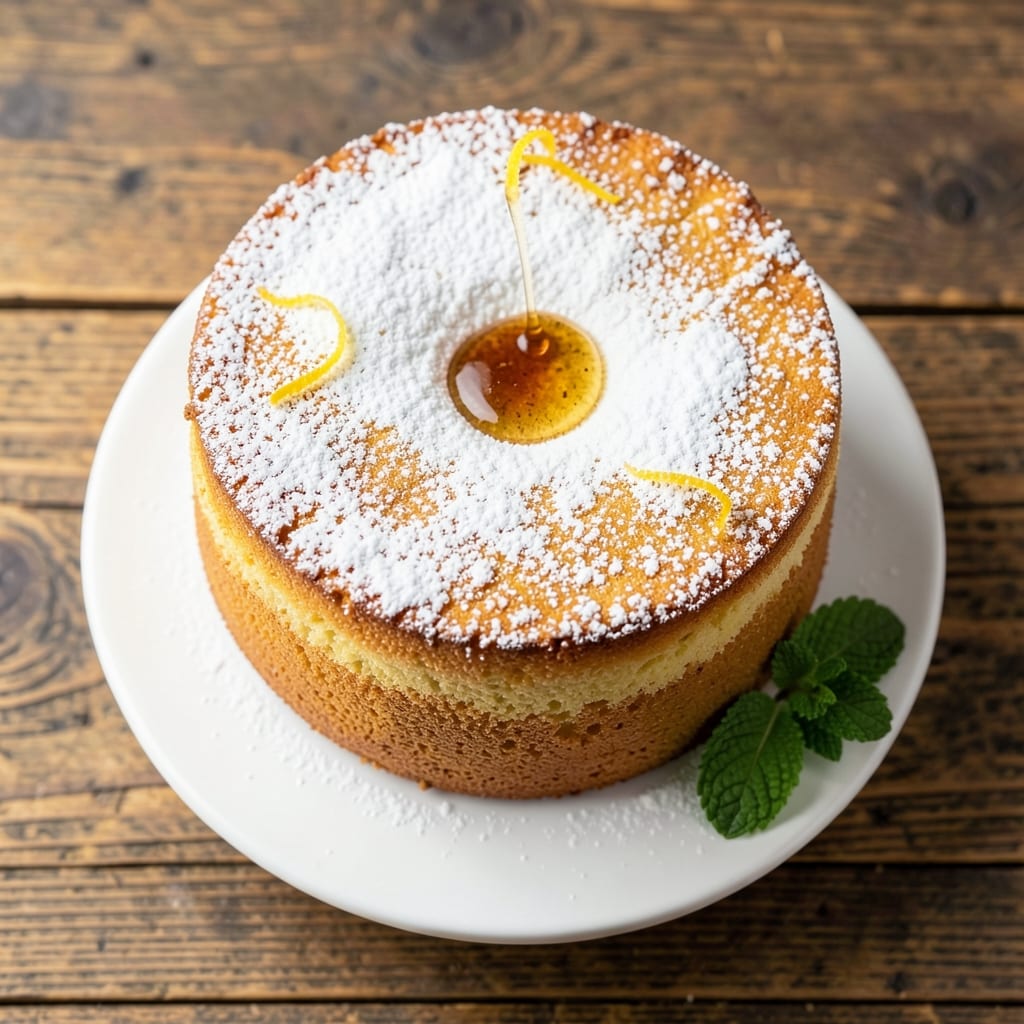
This six-egg sponge cake recipe delivers the lightest, most tender layers you’ll ever bake—thanks to the perfect balance of eggs, sugar, and air. The secret lies in proper folding techniques that create a cloud-like texture, while vanilla infusion adds depth without overpowering. I’ve perfected this method after years of testing, ensuring every slice stays moist for days.
The extra eggs in this recipe aren’t just for structure—they’re the key to moisture retention, preventing that dry, crumbly texture so many cakes suffer from. We’ll whip them separately to maximize air incorporation, then gently fold them into the batter to maintain those signature air pockets. Baking at the right temperature (350°F) ensures even rise and golden edges.
What you’ll end up with is a cake so light it practically melts in your mouth, with delicate layers that separate cleanly. The vanilla infusion gives it a subtle, aromatic warmth that pairs beautifully with fresh berries, whipped cream, or a dusting of powdered sugar. This is the kind of cake that makes even experienced bakers take notice.
For extra flair, consider adding citrus zest or a splash of almond extract to the batter, or brushing the layers with simple syrup for added moisture. The possibilities are endless, but the foundation remains the same: a foolproof method for a showstopping sponge cake. Let’s get started!
Ingredients for 6 egg sponge cake
Six eggs, two cups sugar, and a secret folding technique create this legendary light-as-air sponge cake.
| Ingredient | Amount | Notes |
|---|---|---|
| Large Eggs 🥚 | 6 whole | Room temperature for best results |
| Granulated Sugar 🍚 | 2 cups | Superfine preferred for smooth texture |
| All-Purpose Flour 🌾 | 2 cups | Sifted for lighter batter |
| Unsalted Butter 🧈 | ½ cup | Softened, not melted |
| Pure Vanilla Extract 🌿 | 2 tsp | High-quality, Madagascar preferred |
| Baking Powder 🍞 | 2 tsp | Freshly opened for lift |
| Salt 🧂 | ½ tsp | Fine sea salt preferred |
| Lemon Zest 🍋 | 1 tbsp | Freshly grated from organic lemons |
| Heavy Whipping Cream 🥛 | ½ cup | Cold for folding technique |
| Powdered Sugar 🍚 | ½ cup | For dusting layers |
| Fresh Blueberries 🫐 | 1 cup | Optional for filling |
The eggs are the star here—room temperature is non-negotiable. Kirkland Signature or Vital Farms eggs work best for their consistent quality. Look for large eggs specifically; the yolks need to be rich and vibrant. The butter should be softened but not greasy—press your finger into it, it should leave a slight indentation. Land O'Lakes unsalted is my go-to, but any good brand works. For vanilla, McCormick Pure Vanilla or Nielsen-Massey are reliable, but nothing beats real Madagascar vanilla extract if you're splurging. The flour? King Arthur or Bob's Red Mill all-purpose are sifted for you at the store—just grab the bag and shake it well before measuring.
No superfine sugar? Pulse regular granulated sugar in a food processor for 30 seconds—it makes a huge difference. Short on eggs? Use 5 extra-large eggs plus 1 extra yolk to compensate. The baking powder is critical—if yours is old, test it by mixing with vinegar (should bubble). For the lemon zest, organic lemons from Trader Joe's are my secret—bright, juicy, and perfect for this. The heavy cream must be cold when you fold it in; warm cream will deflate your batter. No fresh berries? Frozen work too—just thaw and drain them.
This batter is delicate—whisk it gently once mixed, don't overwork it. The cake keeps best for 3 days wrapped tightly in the fridge, but honestly? It's best eaten the first day. For longer storage, freeze the whole cake (unfrosted) for up to 3 months. Thaw at room temperature—no microwave! The layers are fragile when cold, so let them sit at room temp for 10 minutes before slicing. And if you make extra batter? Pour it into a small pan and bake a single layer—perfect for sandwiches.
Why You'll Love This Recipe
- Six Eggs, Zero Stress: I swear by this recipe when I’m too tired to measure flour by weight—just fold the dry ingredients into the egg-butter mix, and boom, no overmixing. The eggs do all the heavy lifting here, so even if I rush, the texture stays light as a cloud.
- Butter-Sugar Magic: That melted butter folded into the eggs? It’s what makes this cake dangerously tender—like biting into a warm, buttery cloud with just a hint of vanilla. Honestly, I’ve tried store-bought sponge cakes, but this one actually tastes homemade.
- Birthday or Breakfast: Slice it for a quick dessert, layer it with whipped cream for a no-fuss cake, or even serve it for brunch with jam. Between us, I’ve used the leftovers in French toast, and yes, it’s still amazing.
- Leftovers That Pay Off: This cake keeps for days in the fridge, so I bake one batch and use it for snacks, gifts, or last-minute treats. And with just six eggs, it’s cheaper than buying a pre-made cake—plus, I control the quality. Win-win.
Step-by-step instructions for light-as-air vanilla sponge cake
Here's how to create a cloud-like sponge with perfect layers and vanilla-kissed flavor.
Separate and Whip the Egg Whites to Stiff Peaks
Begin by separating the 6 whole large eggs, placing the yolks in one bowl and whites in another. I like to use a fine-mesh sieve for this—it catches any stray yolks that might sneak through. Add 1 tbsp lemon zest to the yolks and set aside.
In a clean, grease-free bowl, beat the egg whites on medium speed until soft peaks form. Gradually add the 2 cups granulated sugar while beating on high speed for 5-7 minutes until glossy and holding stiff peaks that stand straight up when you lift the beaters. This step is crucial—under-whipped whites won't give you that signature lightness. Tap the bowl gently to see if the peaks hold their shape before moving forward.
Cream the Egg Yolks and Butter
In a separate large bowl, combine the egg yolks with the 0.5 cup softened unsalted butter and 2 tsp pure vanilla extract. Beat on medium-high speed for 3-4 minutes until the mixture is pale yellow and thickened. The butter should be fully incorporated, leaving no streaks.
Sift in the 2 cups all-purpose flour, 2 tsp baking powder, and 0.5 tsp salt all at once. Gently fold these dry ingredients into the yolk mixture using a spatula, being careful not to deflate the egg whites. You're aiming for a smooth, uniform batter—just a few streaks of flour are fine, but don't overmix here.
Fold the Egg Whites into the Batter
Using a rubber spatula, gently fold one-third of the whipped egg whites into the yolk mixture to lighten it. Then, add another third and fold just until combined. Finally, incorporate the remaining egg whites in the same careful manner. This gradual folding prevents deflating the air you worked so hard to create.
Here's the thing—don't overmix. The batter should look like thick, pale ribbon when you lift the spatula. If it's too dense, you'll end up with a heavy cake instead of that signature light-as-air texture. Work quickly but deliberately to maintain those air pockets.
Bake in Two Layers at High Heat
Preheat your oven to 350°F. Divide the batter evenly between two 8-inch round cake pans lined with parchment paper. I like to use parchment circles cut to fit the bottom of the pans—this makes removal effortless later.
Bake for 25-30 minutes, or until a toothpick inserted in the center comes out clean. The edges should be golden brown, and the tops should spring back when gently pressed. Rotate the pans halfway through baking for even heat distribution. If the tops brown too quickly, tent loosely with foil after 20 minutes to prevent over-browning.
Cool and Assemble with Cream Filling
Remove the cakes from the oven and let them cool in the pans for 10 minutes. Then, invert them onto a wire rack to cool completely. Once fully cooled, level the tops if needed using a serrated knife. This ensures even layers for your filling.
Whip the 0.5 cup heavy whipping cream with 0.5 cup powdered sugar until soft peaks form. Spread this between the layers and on the top and sides of the cake. For extra flavor, you can fold in the 1 cup fresh blueberries into the cream mixture before assembling. This creates a beautiful contrast of colors and adds natural sweetness.
Pro Tips For Making 6 Egg Sponge Cake
- Use Room-Temperature Eggs: I learned this the hard way—cold eggs from the fridge won’t whip properly, and your cake will end up dense instead of light. Let them sit in warm water for 10 minutes before cracking. (Yes, even if you’re impatient like me.)
- Melt Butter Slowly: Butter burns fast, and scorched butter ruins the whole batch. Melt it in the microwave in 10-second bursts, stirring between each, until just liquid—not hot enough to sizzle. Your cake’s flavor depends on this.
- Don’t Overmix the Batter: Once you fold in the flour, stop after 10 gentle strokes. Overmixing develops gluten, and your cake will turn out tough instead of tender. Think "just combined," not "fully mixed."
- Check Doneness by Touch: The toothpick test is overrated—your cake might still be raw inside. Press the top gently: it should spring back, not jiggle. If it’s golden but wobbly, give it 5 more minutes. (Your future self will thank you.)
Make-ahead tips for this recipe
Prep Ahead for Perfect Layers
Mix the batter up to 24 hours in advance and store it in an airtight container in the fridge. The flavors meld beautifully overnight, and the eggs stabilize for a more consistent texture. Just
Bake and Freeze Layers
Bake the layers as directed, then cool completely before wrapping each one individually in plastic wrap. Place them in a freezer bag with parchment paper between layers to prevent sticking. They’ll keep for up to 3 months—perfect for last-minute celebrations. When ready to assemble, thaw at room temperature for 1-2 hours before adding filling. Never microwave frozen layers, or they’ll turn gummy.
Assemble the Night Before
This is my favorite trick: assemble the cake (without frosting) the night before your event. Store it unfrosted in the fridge, wrapped tightly in plastic. The layers absorb moisture from the cream filling, keeping them tender. Just add the whipped cream and any toppings (like fresh berries or powdered sugar) in the morning. The cake will taste even better after resting overnight—trust me, it’s magic. ✨
Make Mini Cakes for Snacks
Divide the batter into 4 small 6-inch pans instead of two large ones. Bake at 350°F for 18-22 minutes—these bake faster and are perfect for individual servings. Store the mini cakes in an airtight container at room temperature for up to 3 days or freeze for 1 month. They’re great for tea parties or quick dessert cravings without the fuss of a full cake. 🍰
Filling Prep Shortcut
Make the whipped cream filling 1 day ahead and store it in a sealed container in the fridge. It holds its shape beautifully and saves you last-minute stress. For the blueberry version, toss the berries with 1 tsp powdered sugar and store them separately in the fridge. Just fold them into the cream right before assembling—this keeps them vibrant and prevents mushiness. 🫐
Garnish Like a Pro
Prep all your garnishes (like powdered sugar dusting or fresh fruit) the day before and store them in small containers on a tray. Keep the tray in the fridge until serving. For a showstopping effect, use a fine-mesh sieve to dust powdered sugar just before serving—it looks elegant and adds a professional touch. A little edible flower or mint leaf on top takes it to the next level. 💫
Nutrition facts
Frequently asked questions
Why does this recipe use 6 eggs instead of the usual 3?
The extra eggs create a lighter, more tender crumb by increasing air incorporation and moisture retention. The yolks add richness while the whites provide structure through proper folding. This ratio is perfect for a showstopping, cloud-like texture that stays moist for days.
Can I substitute vanilla extract with something else? Try 1 tsp almond extract for nutty depth or 1 tbsp lemon juice for brightness. For a boozy twist, replace 1 tsp vanilla with 1 tsp rum or Grand Marnier. Just
What if my egg whites won't hold stiff peaks?
This usually happens if your bowl or beaters aren't clean (even a trace of grease prevents peaks). Use a clean, dry bowl and add the sugar gradually while beating on high. If your whites are still too soft, try adding 1/8 tsp cream of tartar to stabilize them. Also ensure your eggs are at room temperature.
How do I prevent the cake from sinking in the middle?
Don't overmix the batter after adding flour, and ensure your oven is fully preheated. Place the pans on the middle rack for even heat distribution. If the cake sinks slightly, it's likely just underbaked—check with a toothpick and bake 2-3 more minutes if needed.
Can I make this cake without an oven?
This recipe requires baking—it's not suitable for air fryers or stovetop methods as it relies on the chemical reaction between eggs, sugar, and baking powder for its signature lightness. For a similar texture without baking, try a chiffon cake made with whipped egg whites and a steam bath.