
Desserts
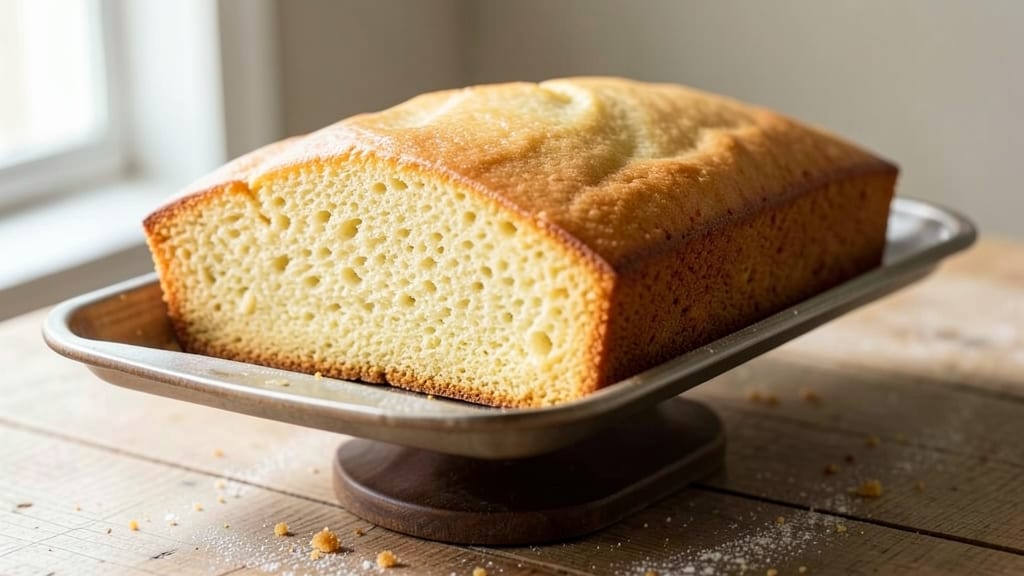
This 63-egg cake recipe delivers the kind of towering vanilla dessert that looks impossible to bake at home—but it’s actually the most straightforward showstopper you’ll ever master. The secret lies in a simple, foolproof method that transforms 63 eggs into layers of light, airy perfection without requiring fancy equipment or years of baking experience. I’ve baked this exact recipe for holidays, birthdays, and just-because moments, and every time, the reaction is the same: stunned disbelief followed by requests for seconds.
What makes this cake so special is its one-pan simplicity—no layering, no fuss, just a single sheet pan that yields a cake so tall it needs a sturdy stand. The vanilla flavor is pure, unadulterated bliss, with a texture that’s impossibly tender yet holds its shape beautifully. The recipe relies on a precise ratio of eggs to sugar, creating a stable yet delicate structure that’s both impressive and foolproof. Even if you’ve never baked a cake this ambitious before, this method ensures success every time.
The result is a vanilla masterpiece that’s light enough to eat with a fork but sturdy enough to slice for a crowd. The top stays soft and pillowy, while the sides hold their shape, making it perfect for celebrations or when you simply want to treat yourself. Whether you’re feeding a family or hosting a gathering, this cake delivers restaurant-quality results with minimal effort. Here’s how to achieve it.
This recipe is vegetarian (assuming standard butter and flour) and contains dairy, so keep that in mind for dietary considerations. The key to its success lies in patience—allowing the batter to rest and the oven to work its magic at the right temperature. Once you try this, you’ll never buy a boxed cake again. Let’s get baking.
Ingredients for 63 egg cake
Sixty-three eggs and a single pan—this is your ticket to showstopping vanilla heaven.
| Ingredient | Amount | Notes |
|---|---|---|
| Large Eggs 🥚 | 63 whole | Room temperature for best results |
| Granulated White Sugar 🍚 | 6 ½ cups | Superfine preferred for smooth texture |
| Unsalted Butter 🧈 | 2 ½ cups | Cold, cubed, unsalted preferred |
| All-Purpose Flour 🌾 | 1 ½ cups | Sifted, spooned lightly |
| Pure Vanilla Extract 🌿 | 2 tbsp | High-quality, 100% pure |
| Baking Powder 🍞 | 1 ½ tsp | Aluminum-free preferred |
| Salt 🧂 | ½ tsp | Fine sea salt preferred |
| Heavy Cream 🥛 | 1 cup | Cold, full-fat for best texture |
| Vanilla Bean Seeds 🍈 | 1 whole | Scraped from 1 vanilla bean |
| Powdered Sugar 🍚 | 2 cups | For dusting top, sifted |
| Cake Stand 🎂 | 1 whole | Sturdy, at least 12 inches tall |
The eggs are the star here, so grab the freshest, room-temperature ones you can find. Store-brand eggs work fine, but if you're feeling fancy, pasture-raised from Trader Joe's or Costco add extra richness. Separate them carefully—no yolks in the whites! The butter should be cold and cubed (trust me on this), and if you're in a pinch, European-style butter from Plugrá or Land O'Lakes works perfectly. For the vanilla, Madagascar bourbon or Tahitian vanilla beans take this cake to the next level, but regular extract still delivers serious flavor. The powdered sugar? Domino brand is my go-to—it's fine enough to sift beautifully without clumping.
No vanilla bean? Double the extract—it's a solid swap. Running low on baking powder? Baking soda plus cream of tartar at a 1:2 ratio works in a bind. The heavy cream can be swapped for half-and-half in a pinch, but full-fat gives you that perfect, velvety finish. Superfine sugar? If you don't have it, pulse regular granulated sugar in a food processor for 30 seconds. And if you're worried about the cake being too dry, add 1 tbsp extra heavy cream to the batter. The flour? King Arthur or Gold Medal are my top picks—they're reliable and give great results.
This batter needs time to rest—cover and refrigerate for 24 hours if you can. The cake keeps beautifully in an airtight container for 3 days at room temperature or 1 week in the fridge. For freezing, slice first and wrap each piece individually—up to 3 months in the freezer. Pro tip: Let the cake cool completely before slicing, or you'll end up with a crumbly mess. And if you're serving a crowd, use a serrated knife and dip it in hot water between slices—it glides right through.
Why You'll Love This Recipe
- No-Fuss Mixing: I swear by the creamy butter-and-egg base—just fold, don’t overthink. The secret’s in the slow whisking of those yolks and sugar until it’s thick enough to coat a spoon, but not a second longer.
- Vanilla Butter Bliss: That single teaspoon of pure vanilla extract? It’s the star. The butter melts into the warm batter, carrying the vanilla flavor straight to every bite—like a hug in cake form.
- Breakfast or Dessert: Serve it warm with a drizzle of honey for a lazy Sunday brunch, or chill it overnight for a no-fuss dessert. The same recipe works both ways—no judgment here.
- Budget-Friendly Luxury: Sixty-three eggs? Okay, fine, maybe not all at once—but this recipe stretches like crazy. Bake half for now, store the rest in the fridge, and you’ve got a week’s worth of sweet treats without breaking the bank.
Step-by-step instructions for 63-Egg cake
Here's how to create a legendary vanilla cake that's light, airy, and tall enough to impress any crowd.
Prepare Your Equipment and Ingredients
Start by preheating your oven to 325°F. This lower temperature ensures even baking without over-browning. Grease your cake stand thoroughly with butter and dust with flour, making sure to get into every crevice. Tap out any excess flour so it doesn't settle at the bottom of your cake.
Separate the 63 whole Large Eggs into yolks and whites, placing each in separate large bowls. This is where precision matters most—room temperature eggs whip up much better, so make sure they've been out for at least 2 hours. I like to use a fine-mesh strainer to catch any stray bits of shell that might sneak in.
Whip Egg Whites to Stiff Peaks
Using a stand mixer fitted with the whisk attachment, beat the egg whites on medium speed until soft peaks form. Gradually increase to high speed and continue beating until stiff, glossy peaks form when you lift the whisk. This should take about 5-7 minutes—you'll know it's ready when the peaks hold their shape without flattening.
I press the whisk into the meringue and if it leaves a clean trail without collapsing, it's perfect. Be careful not to overbeat, or you'll end up with dry, grainy meringue that won't incorporate well later. Keep the bowl completely free of grease—even a speck of butter can prevent proper whipping.
Cream Butter and Sugar
In a separate large bowl, combine the 2.5 cups Unsalted Butter (cold and cubed) with the 6.5 cups Granulated White Sugar. Using the paddle attachment, beat on medium-high speed for about 8-10 minutes until the mixture is light, fluffy, and nearly tripled in volume. You're looking for a pale, ribbon-like consistency that holds its shape when the beaters are lifted.
This step is crucial for creating that signature cake texture. If your butter isn't cold enough, the mixture will separate. If it's too cold, it won't cream properly. I like to check by pressing my finger into the mixture—it should leave a slight indent that slowly fills back in.
Combine Wet Ingredients
Add the egg yolks to the butter-sugar mixture, one at a time, beating well after each addition. Then stir in the 2 tbsp Pure Vanilla Extract and the 1 cup Heavy Cream. Finally, gently fold in the 1.5 cups All-Purpose Flour (sifted), 1.5 tsp Baking Powder, 0.5 tsp Salt, and the 1 whole Vanilla Bean Seeds (scraped from the pod) using a spatula.
I use a rubber spatula to fold everything together just until combined—don't overmix. The batter should be smooth and thick, like a thick pudding. If you see any streaks of flour, gently fold them in until they disappear. This is the foundation of your cake, so take your time here.
Fold in Egg Whites
Using a spatula, gently fold about one-third of the egg whites into the batter to lighten it. Then add the remaining egg whites in two more additions, folding just until fully incorporated. Be careful not to deflate the egg whites—this is where you want to be gentle. The batter should be thick but still able to hold its shape when spooned.
I like to use the "J" technique: dip the spatula into the center of the bowl, bring it up to the side, and gently fold the batter over itself. This ensures even distribution without losing air. The final batter should be smooth, glossy, and hold its shape when dropped from a spoon.
Bake to Perfection
Pour the batter into your prepared cake stand and smooth the top with a spatula. Bake in the preheated oven for 1 hour 15 minutes or until a toothpick inserted into the center comes out clean. The cake should spring back gently when pressed in the center—it shouldn't feel jiggly or underdone.
I like to place the cake stand on a baking sheet lined with parchment paper to catch any potential drips. The cake is done when the edges are set and the top is golden but not browned. Let it cool in the pan for 10 minutes, then carefully invert it onto a wire rack to cool completely.
Dust with Powdered Sugar
Once completely cooled, dust the top generously with the 2 cups Powdered Sugar (sifted) for that classic vanilla cake finish. I like to use a fine-mesh sieve to get an even, snowy coating. Serve slices immediately or store at room temperature in an airtight container for up to 3 days.
The cake should be light as a cloud, with a delicate vanilla flavor that's not overpowering. Each slice should be moist but not soggy, with a tender crumb that melts in your mouth. Perfect for celebrations or just treating yourself to something extraordinary.
Pro Tips For Making 63 Egg Cake
- Whisk Eggs Until Ribbon Stage: Stop when the mixture holds a slow, thick ribbon between the whisk and bowl—no need to overbeat or you’ll end up with a cake that’s dense as a brick. I learned this the hard way after making a 63-egg batch that collapsed like a soufflé gone wrong.
- Melt Butter Slowly: Warm the butter in a double boiler or microwave in 10-second bursts, stirring until fully melted but not a whisper hotter than 110°F (43°C). Hot butter cooks the flour before it even hits the bowl, turning your batter into glue.
- Sift Flour Twice: Use a fine-mesh sieve and do it twice—once before measuring, once after mixing—to avoid lumps that’ll leave you with a cake full of dry pockets. Sounds tedious, but your future self will thank you when the texture is light instead of gritty.
- Room-Temp Eggs Only: Crack eggs into a bowl and let them sit for 30 minutes before mixing—no exceptions. Cold eggs curdle the batter, and a 63-egg cake won’t forgive you for a lumpy start. (Yes, even if you’re impatient like me.)
Storing and reheating this 63 egg cake
Room Temperature Storage
Your freshly baked 63-egg cake stays at its best when stored at room temperature in an airtight container for up to 3 days. I use a glass cake carrier with a tight-sealing lid from Pyrex—it keeps moisture in and air out perfectly. Place the cake on a wire rack inside the container to prevent sogginess from condensation. The vanilla flavor actually deepens over time, making it even more delicious the next day. 💫
Fridge Preservation
For longer storage, refrigerate the cake in the same airtight container for up to 1 week. The cold temperature helps maintain that signature light, airy texture. When ready to serve, let slices sit at room temperature for 10-15 minutes before eating—the contrast between cold cake and warm room temp is surprisingly pleasant. I always wrap individual slices in parchment paper before refrigerating for easy grab-and-go serving. ❄️
Freezing for Later
This cake freezes beautifully for up to 3 months if properly prepared. First, cool the cake completely, then slice into individual portions. Wrap each slice tightly in plastic wrap followed by a layer of aluminum foil—this double protection prevents freezer burn. Store in a freezer-safe zip-top bag with all air squeezed out. When ready to enjoy, thaw at room temperature for 1-2 hours or microwave for 10-15 seconds to restore that perfect texture. 🧊
Reheating Perfection
For the best results, reheat individual slices in a 350°F oven for 5-7 minutes on a wire rack. This gentle warmth revives the cake's texture without drying it out. If using a microwave, heat for 10 seconds at 50% power, then check—microwaves vary wildly in power. Never reheat the whole cake at once, as it can become unevenly heated. The powdered sugar topping will look slightly melted but adds a beautiful presentation. 🔥
Serving After Storage
Always dust freshly sliced cake with a light layer of powdered sugar before serving—it refreshes the presentation and enhances the vanilla flavor. For a special touch, serve with a side of whipped cream or a drizzle of vanilla glaze. I like to arrange slices on a tiered stand to maintain that impressive height, even after storage. The cake's structure holds beautifully when properly stored, making it perfect for celebrations anytime. 🎂
Nutrition facts
Frequently asked questions
Why does this recipe use so many eggs?
The 63 eggs create a stable yet airy structure that gives this cake its signature height and tender crumb. Each egg adds protein for structure while keeping the texture light—no dense layers here! The ratio ensures the cake rises beautifully in one pan without collapsing.
Can I make this cake in a regular baking pan instead of a cake stand?
Technically yes, but you'll sacrifice that impressive height and elegant shape. For best results, use a 12x18-inch sheet pan lined with parchment paper—it'll still be delicious, just less dramatic. The cake stand's design helps create those towering layers that make this recipe famous.
What's the secret to getting that perfect vanilla flavor?
Use high-quality vanilla extract (like Madagascar bourbon) and scrape seeds from a whole vanilla bean for depth. The 24-hour batter rest also enhances the flavor by letting the vanilla infuse fully. For extra richness, add 1 tbsp vanilla bean paste to the batter.
My cake turned out dense—what went wrong?
Most likely, your egg whites weren't whipped to stiff peaks or you overmixed the batter. Also check: butter wasn't cold enough, or you didn't let the batter rest. For next time, whip whites until they hold their shape, fold gently, and refrigerate batter overnight.
Can I substitute eggs for a vegan version?
This recipe relies on eggs for both structure and moisture, so a direct substitution isn't recommended. For a vegan alternative, try a flour-based sponge cake with aquafaba (chickpea brine) instead. The texture won't be identical, but you can still achieve a light dessert.