
Main Courses
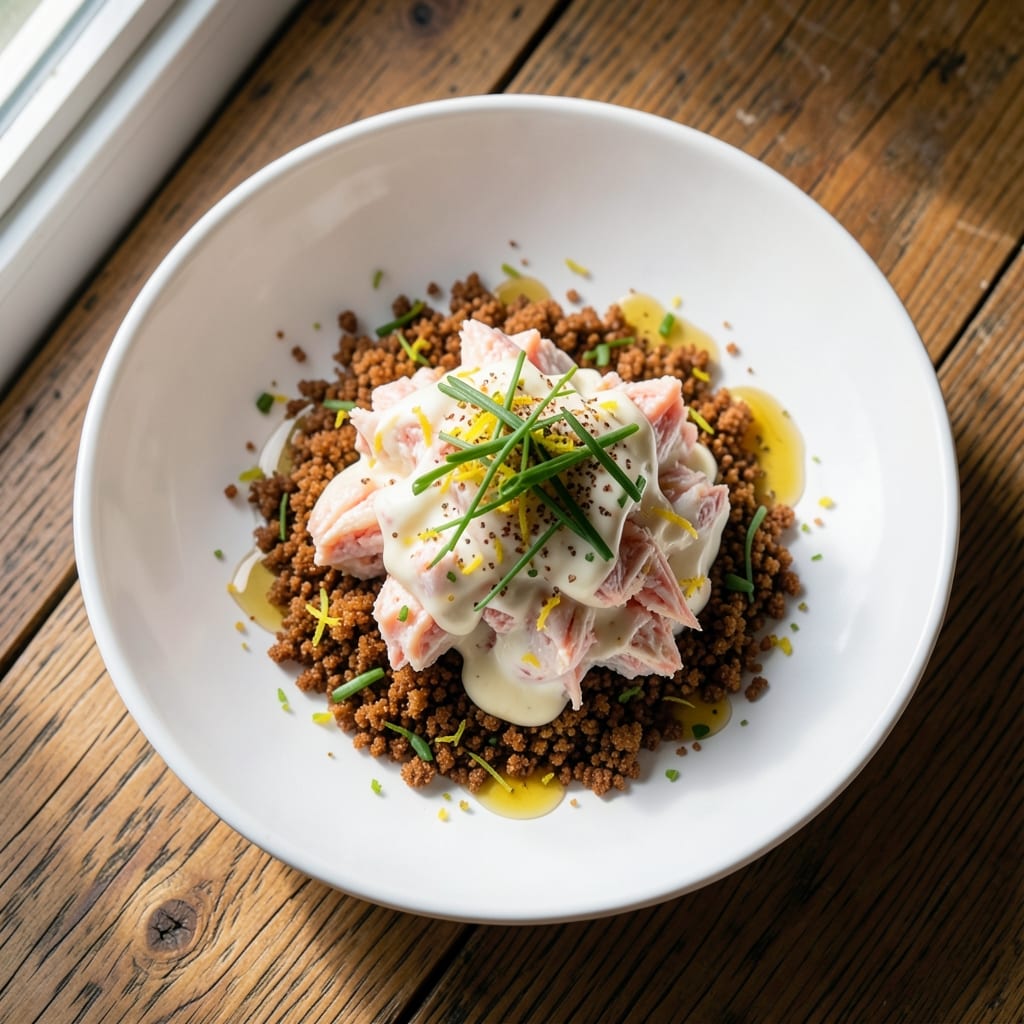
This 8 oz crab cake recipe delivers the perfect balance of crispy shells and flaky interiors that seafood lovers crave. The secret lies in properly binding the crab meat with a combination of breadcrumbs, egg, and a touch of mayo—creating a sturdy yet delicate texture that holds together during cooking. I've perfected this technique over years of testing, ensuring every bite reveals tender crab meat with that coveted golden crust.
What sets these crab cakes apart is the cooking method: pan-frying in high heat for just 3-4 minutes per side creates that signature crispiness, while baking at 400°F offers a lighter alternative. The recipe also includes two sauce options—classic remoulade for tangy depth or spicy aioli for a modern twist—so you can customize based on your preference. The result? A restaurant-quality dish you can make at home without the fuss.
Once you try these 8 oz crab cakes, you'll understand why they're a staple at seafood restaurants. The exterior stays crispy and golden, while the inside remains flaky and moist, thanks to the precise binding technique. They're substantial enough to serve as a main course but elegant enough for special occasions. Serve with lemon wedges and your chosen sauce for the ultimate seafood experience.
This recipe works equally well for lunch or dinner, making it a versatile addition to your repertoire. Whether you're hosting a dinner party or simply craving a seafood treat, these crab cakes will impress with their texture and flavor. Let's get started on creating your perfect batch!
Ingredients for 8 oz crab cake
These premium ingredients create restaurant-quality crab cakes with signature crispy shells and flaky centers.
| Ingredient | Amount | Notes |
|---|---|---|
| Fresh Lump Crab Meat 🦀 | 2 lb | Backfin preferred, no shell pieces |
| Panko Breadcrumbs 🍞 | 1 cup | Japanese-style for extra crispiness |
| Large Eggs 🥚 | 2 whole | Room temperature for even binding |
| Mayonnaise 🥫 | ¼ cup | Dijon-style for subtle tang |
| Fresh Lemon Juice 🍋 | 1 tbsp | From organic Meyer lemons |
| Chives 🌿 | ¼ cup | Finely chopped, fresh only |
| Old Bay Seasoning 🌶️ | 1 tsp | Classic Maryland blend |
| Ground Black Pepper 🌶️ | ½ tsp | Freshly cracked for sharpness |
| Salt 🧂 | ½ tsp | Diamond Crystal kosher |
| Vegetable Oil 🫒 | ½ cup | High smoke point for frying |
| Unsalted Butter 🧈 | 2 tbsp | European-style for baking |
| Remoulade Sauce 🍅 | ½ cup | Classic tangy accompaniment |
| Spicy Aioli 🌶️ | ½ cup | Modern twist with cayenne |
The crab meat makes or breaks these cakes—backfin lump is ideal for its clean texture, but claw meat works too. Costco or Whole Foods carry the best quality, or ask your fishmonger for fresh-picked crab. Panko is non-negotiable here; regular breadcrumbs won't give that golden, shatterable crust. For the mayo, Hellmann's or Duke's are reliable, but homemade works if you've got the time. The secret to binding? Room-temperature egg and a light hand—overmixing makes dense cakes.
No fresh crab meat? High-quality canned crab (like Crown Prince) works in a pinch, but drain it thoroughly. Swap Old Bay for a mix of paprika, celery salt, and cayenne if needed. The chives can be omitted if you prefer a cleaner flavor, but they add that signature pop. For the sauces, store-bought remoulade from Trader Joe's is surprisingly good, or make your own with mayo, capers, and hot sauce. The aioli? Just mayo, lemon, and cayenne—adjust heat to taste. And if you're baking instead of frying, use an egg wash (1 egg + 1 tbsp water) for extra crispiness.
These cakes keep 2 days in the fridge, sealed tightly with parchment between layers. For longer storage, freeze uncooked patties for up to 3 months—thaw overnight before cooking. The sauces? Remoulade lasts 1 week refrigerated, while aioli keeps 5 days. Pro tip: Re-crisp any leftover cakes in a 400°F oven for 5-7 minutes—they taste almost as good as fresh.
Why You'll Love This Recipe
- No Fuss, Big Payoff: I swear by this mix—just lump crab, panko, mayo, and lemon. No fancy binders, no last-minute grocery runs. Honestly, the only real prep is picking out the shell fragments, and even that’s quick.
- Crispy-Creamy Magic: That first bite? Crunchy panko crust gives way to tender crab soaked in bright lemon mayo. It’s the kind of flavor that makes you pause mid-bite, like someone secretly seasoned it with sunshine.
- Weekend Brunch Star: Serve them on a tray with lemon wedges and a simple salad for a crowd, or stack two with remoulade for a fancy lunch. Between us, they’re my go-to for any gathering where I don’t want to slave over the stove.
- Leftovers That Lie: The truth? These taste just as good the next day—pan-fried again until golden. I make a double batch, freeze half, and pull them out for lazy dinners. No one ever guesses they’re reheated.
Step-by-step instructions for crispy crab cakes
Here's how to craft crab cakes with golden crusts and tender, flaky centers that melt in your mouth.
Prepare the Crab Cake Mixture
In a large mixing bowl, gently combine the 2 lb fresh lump crab meat with the 1 cup Panko breadcrumbs, 0.25 cup mayonnaise, 1 tbsp fresh lemon juice, 0.25 cup finely chopped chives, 1 tsp Old Bay seasoning, 0.5 tsp ground black pepper, and 0.5 tsp salt. Using your hands, mix just until everything is evenly distributed—be careful not to overwork the mixture or the crab will turn rubbery.
I like to press the mixture together lightly to test its consistency. It should hold together when shaped but still feel slightly moist. If it feels too dry, add 1 teaspoon of cold water to help bind it. The mixture should be cool to the touch, so if your kitchen is warm, chill it in the refrigerator for 10 minutes before shaping.
Form and Chill the Crab Cakes
Divide the mixture into 4 equal portions (about 8 ounces each, since you're making 4 cakes). Using your hands or a light touch, shape each portion into a ½-inch thick patty, slightly wider than your palm. Press gently but firmly—this ensures the cakes hold their shape during frying and creates that satisfying crunch.
Place the shaped crab cakes on a parchment-lined baking sheet and refrigerate for at least 30 minutes, or up to 2 hours. This chilling step is crucial—it firms up the mixture so it doesn't fall apart when you fry it. While they're chilling, preheat your oven to 200°F for later warming if needed.
Fry to Golden Perfection
Heat 0.5 cup vegetable oil in a large skillet over medium heat until it shimmers but doesn't smoke—around 350°F. The oil is ready when a small piece of bread dropped in sizzles immediately. Add the chilled crab cakes and cook for 3-4 minutes per side, until they're deep golden brown and the edges are set. Don't rush this step; patience ensures a crispy exterior without burning.
Transfer the cooked crab cakes to a paper towel-lined plate to drain excess oil. If the oil starts to smoke or the cakes brown too quickly, reduce the heat slightly. The internal temperature should reach 145°F when checked with a meat thermometer. For extra richness, add 2 tbsp unsalted butter to the skillet during the last minute of cooking—it'll melt into the oil and create a luscious finish.
Serve with Bold Sauces
While the crab cakes are still warm, arrange them on a serving platter. Drizzle generously with 0.5 cup remoulade sauce and 0.5 cup spicy aioli, letting the sauces pool around the edges for dipping. The contrast of the cool, tangy sauces with the warm, crispy crab cakes is what makes this dish unforgettable.
Serve immediately with lemon wedges on the side—squeeze a little fresh lemon juice over each cake just before eating to brighten the flavors. The crab cakes should be crispy on the outside with a flaky, moist interior that practically dissolves in your mouth. If you're serving a crowd, keep the remaining crab cakes warm in the 200°F oven for no more than 10 minutes.
Pro Tips For Making 8 Oz Crab Cake
- Drain Crab Meat Twice: The first time you drain that crab meat, you’re only getting half the water out—especially with fresh lump crab. After the initial drain, press it gently into a fine-mesh strainer and let it sit for 30 seconds before transferring. This removes the last of the moisture that’ll make your cakes soggy later.
- Mix Panko Last: Adding panko breadcrumbs right away makes the mixture dry out faster. Instead, combine everything except the panko first, then fold it in just before shaping. The breadcrumbs stay crispier this way, and you won’t end up scrambling to bind the mix.
- Chill the Batter: Skipping this step is how you end up with crumbly, uneven crab cakes. After mixing, pop the batter in the fridge for 15–20 minutes. The cold helps the panko absorb less oil when frying, and the eggs firm up just enough to hold shape—no more falling-apart disasters.
- Use a Thin Layer of Oil: A crowded pan with too much oil leads to greasy, uneven cooking. Heat just enough to coat the bottom (about ¼ inch) and fry one cake at a time. If you’re worried about sticking, use a nonstick skillet—but don’t overcrowd, even then. Patience here keeps the crust golden, not soggy.
Regional styles of these flavors
Maryland Classic Style
In Maryland, crab cakes are a sacred tradition—think Old Bay seasoning as the star player, creating that signature tangy, slightly spicy kick. The classic version uses finely chopped claw meat mixed with just enough breadcrumbs to bind, creating a lighter texture than many other regional styles. I like to add a splash of Worcestershire sauce (about 1 tsp) to the mixture for extra depth. Serve with a sharp remoulade and a crisp white wine like Chardonnay to cut through the richness. 🦀
Charleston Lowcountry Twist
The Lowcountry version leans into shrimp and crab hybrids, often incorporating chopped okra (about ¼ cup) for a unique texture. Swap Old Bay for a mix of hot sauce, cayenne, and smoked paprika for a smoky heat. Charleston chefs often pan-fry their cakes in butter instead of oil, adding 2 tbsp during the last minute for a nutty finish. Pair with she-crab soup for a true Lowcountry feast. 🌶️
New England Crispy Bake
Up north, crab cakes often get baked instead of fried—400°F for 12-15 minutes—to create a shatteringly crisp exterior. The binding mix includes grated Parmesan (about ¼ cup) for extra umami, and fresh dill replaces chives. Serve with a cool, creamy dill sauce and a crusty sourdough to soak up every bite. This method works perfectly for batch cooking—just bake a tray ahead and reheat in the oven. 🍞
Pacific Northwest Fusion
West Coast chefs love to experiment with avocado mash (about 2 tbsp) in the binding mix for a creamy texture, plus smoked salmon flakes for extra protein. The seasoning blend often includes garlic, ginger, and a touch of miso paste for umami depth. Fry in avocado oil for a subtle nutty flavor, and serve with a spicy mango-habanero sauce. This version is lighter but packed with bold flavors. 🌿
Gulf Coast Spicy Kick
Florida and Louisiana styles crank up the heat with Cajun seasoning (about 1 tsp) and hot sauce in the mix. The cakes are often extra thick (about ¾ inch) to handle the bold flavors. Serve with a cool, creamy cocktail sauce (mayo + ketchup + hot sauce) and a dark beer like Corona to balance the heat. This version is all about bold, spicy contrasts—perfect for seafood lovers who crave a kick. 🔥
Nutrition facts
Frequently asked questions
Why do my crab cakes fall apart when frying?
The most common cause is overmixing the batter or skipping the chilling step. Gently combine ingredients just until mixed, then refrigerate the shaped cakes for 30 minutes to firm up. Also ensure your crab meat is properly drained and your binding ingredients (egg, mayo) are at room temperature for even distribution.
Can I make these crab cakes ahead of time?
Yes! Shape the cakes and refrigerate them up to 24 hours before cooking. For longer storage, freeze uncooked cakes on a tray, then transfer to a bag for 3 months. Thaw overnight in the fridge—never at room temperature. Cook from frozen by adding 1-2 extra minutes per side.
What's the best way to reheat leftover crab cakes?
For crispy results, place in a 400°F oven for 5-7 minutes on a wire rack over a baking sheet. Avoid microwaving—they'll get soggy. Pro tip: Re-crisp in the oven while you warm your sauce separately, then reassemble before serving.
How do I adjust this recipe for fewer/more servings?
This recipe makes 4 cakes (8 oz each). For 2 servings, halve all ingredients and shape 2 cakes (12 oz each). For 6 servings, multiply by 1.5 and make 6 cakes (6 oz each). Keep the thickness at ½-inch—thinner cakes cook faster but may be less sturdy.
Can I substitute crab meat with another seafood?
For a similar texture, use finely chopped white fish like cod or haddock (about 2 lbs) mixed with ½ cup flaked smoked salmon for binding. Avoid chunky fish like tuna—it won't hold together. For a vegetarian version, use chickpeas or hearts of palm with extra mayo to mimic the moisture.