
Desserts
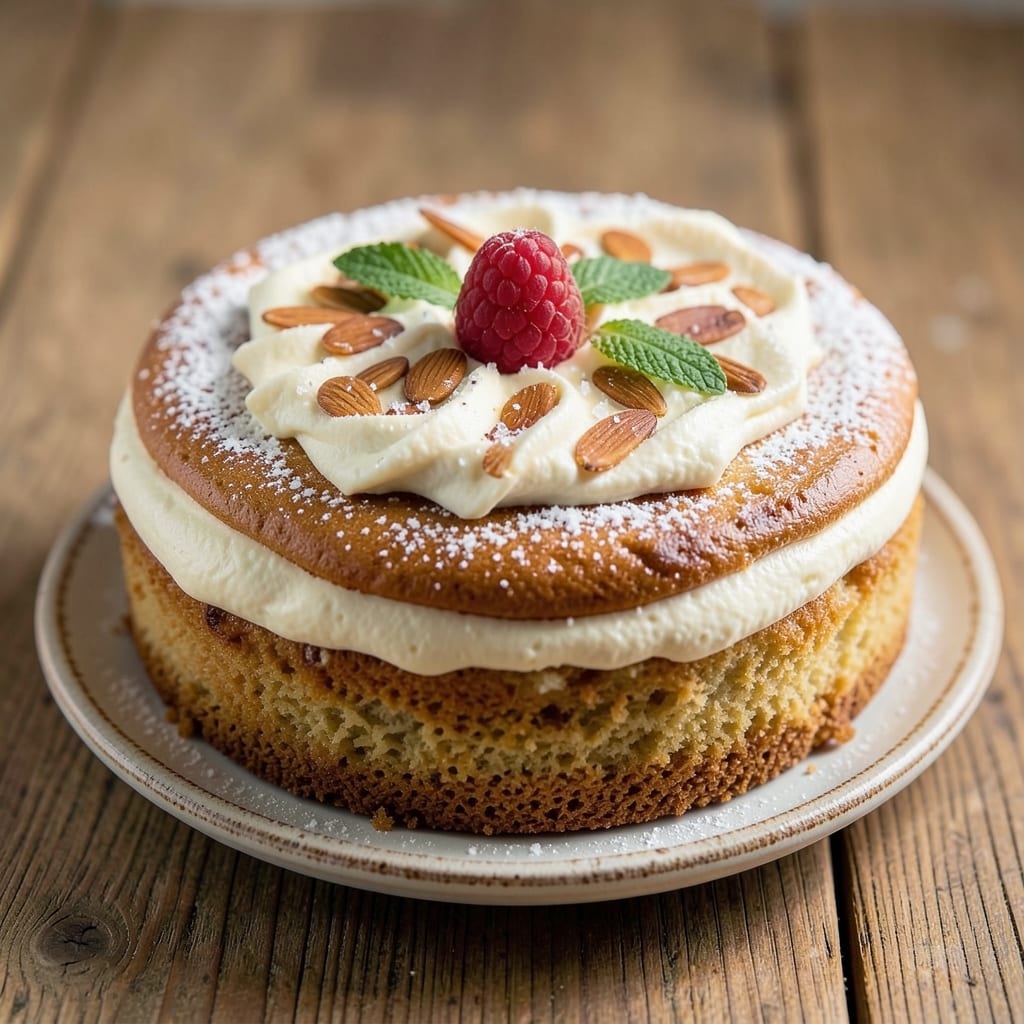
This all-purpose cake recipe delivers a moist crumb that stays tender for days, making it perfect for birthdays, showers, or any celebration. The secret lies in precise ingredient ratios and gentle folding—no dense, dry crumb here. I’ve baked countless cakes, and this method consistently produces a cake that slices beautifully and holds its shape under frosting.
What sets this recipe apart is its versatility—use it for sheet cakes, layer cakes, or cupcakes without adjusting the batter. The foolproof technique ensures even baking, with no cracking or sinking, even in less-than-ideal ovens. A simple buttercream or ganache will elevate it further, but the cake itself shines on its own.
The result is a cake with a velvety texture that melts in your mouth, not one that crumbles at the first slice. Whether you’re a beginner or a seasoned baker, this recipe builds confidence with reliable results every time. The key steps—creaming butter and sugar properly, folding dry ingredients gently—are simple but critical for that perfect crumb.
Once baked, let the cake cool completely before frosting to avoid a soggy bottom. This method guarantees a cake that’s light, tender, and ready for any occasion—no shortcuts, just consistent quality. Let’s get started on creating your perfect cake.
Ingredients for all purpose cake
Nine essential ingredients transform into a velvety, foolproof cake that bakes perfectly every time.
| Ingredient | Amount | Notes |
|---|---|---|
| Unsalted Butter 🧈 | 1 cup | Softened to room temperature |
| Granulated Sugar 🍚 | 1 ½ cups | Superfine preferred for smoother texture |
| Large Eggs 🥚 | 2 whole | Room temperature for even mixing |
| All-Purpose Flour 🌾 | 2 cups | Sifted for lightest crumb |
| Baking Powder 🧂 | 1 ½ tsp | Diamond Crystal brand preferred |
| Salt 🧂 | ½ tsp | Fine sea salt for balance |
| Whole Milk 🥛 | ½ cup | Room temperature for best incorporation |
| Vanilla Extract 🍃 | 1 tbsp | Pure Madagascar bourbon preferred |
| Vegetable Oil 🫒 | ¼ cup | Lightens texture without greasiness |
| Cornstarch 🌾 | 1 tbsp | Secret to ultra-moist crumb |
The butter and sugar are where magic happens—creaming them properly creates air pockets for that signature lightness. Grab European-style butter if you can find it (like Plugrá), but regular unsalted works too. Sugar? Superfine dissolves faster—no graininess here. Room temperature eggs and milk blend smoother, so take them out 30 minutes before baking. The flour? King Arthur or Gold Medal are my go-tos—they hold up better to folding. And that cornstarch? Don't skip it—it's the secret to a cake that stays moist for days.
No vanilla extract? Almond extract at half the amount works in a pinch, but you'll lose that classic flavor. Short on butter? Applesauce replaces half the amount, though texture gets denser. The baking powder is non-negotiable—aluminum-free for best rise. For a richer cake, swap the milk for heavy cream. And if you're baking at high altitude? Add 1/4 tsp more baking powder. This recipe is your canvas—play with it, but start with the basics for that foolproof foundation.
Store wrapped cake at room temperature for 2 days—it gets better as flavors meld. For longer storage, freeze portions wrapped in plastic for up to 3 months. The secret to frosting? Let the cake cool completely first—patience prevents soggy bottoms. I always bake an extra cupcake or two—they disappear fast, and no one minds when you're testing your frosting skills.
Why You'll Love This Recipe
- Pantry Staples Only: I swear by this recipe because it uses what I always have—no special ingredients, no last-minute store runs. Butter, sugar, eggs, flour, and baking powder? That’s it. The simplicity means I can bake even when my fridge is empty.
- Moist Magic: The secret’s in the creaming. Whipping the butter and sugar until light and fluffy traps air, while the eggs add richness without heaviness. Honestly, it’s the kind of cake that stays tender for days—not dry, not crumbly, just perfectly soft.
- Birthday to Brunch: This isn’t just a birthday cake. Frost it with vanilla buttercream for a celebration, dust with powdered sugar for a quick breakfast cake, or serve plain with jam for a lazy Sunday. I’ve even used it as a base for cheesecake filling—versatile enough to handle anything.
- Budget-Friendly Baking: A single batch costs me pennies, and the leftovers? They last. I’ll freeze slices for school lunches or stash them for when I’m too tired to bake. Plus, the ingredients stretch—double the batter, halve the cost. My wallet and my taste buds win.
Step-by-step instructions for the perfect all-purpose cake
This method guarantees a tender crumb and flawless texture every time—no dry cake here.
Cream Butter and Sugar for Maximum Fluffiness
In a stand mixer fitted with the paddle attachment, beat the 1 cup unsalted butter and 1.5 cups granulated sugar on medium speed for 3-4 minutes. You're looking for a light, pale color and nearly doubled volume—the mixture should look like ribbon when you lift the paddle. This step incorporates air, which creates that signature tender crumb.
I like to use superfine sugar here if possible—it dissolves more smoothly and creates a finer texture. Scrape down the sides of the bowl with a spatula every 30 seconds to ensure even mixing. The butter should be softened but not melted; if it's too warm, chill the bowl in the freezer for 5 minutes before continuing.
Incorporate Eggs and Oil for Rich Moisture
Add the 2 whole large eggs one at a time, mixing on low speed for 30 seconds after each addition until fully combined. Then add the 1 tbsp vanilla extract and 0.25 cup vegetable oil, mixing on low until just incorporated. The oil acts as an emulsifier, creating a lighter texture while keeping the cake moist.
Here's the thing—room temperature ingredients mix better. If your eggs are straight from the fridge, let them sit in warm water for 5 minutes first. The mixture should be thick but pourable at this stage. If it looks too thick, don't worry; the dry ingredients will lighten it up perfectly.
Combine Dry Ingredients for Light Structure
In a separate bowl, whisk together the 2 cups all-purpose flour, 1.5 tsp baking powder, 0.5 tsp salt, and 1 tbsp cornstarch. Sifting these dry ingredients removes lumps and increases surface area for better leavening. Gradually add this mixture to the wet ingredients, mixing on low speed just until combined—you should still see some flour streaks.
Overmixing develops gluten, which leads to tough cake. Stop mixing as soon as the dry ingredients disappear. Then stir in the 0.5 cup whole milk by hand with a rubber spatula, mixing just until the batter comes together. The batter should be thick but smooth, like heavy pudding. If it's too thick, add 1-2 tablespoons more milk.
Bake to Golden Perfection
Preheat your oven to 350°F and grease two 8-inch round cake pans or one 9x13-inch pan thoroughly. Pour the batter evenly into your prepared pan(s)—tap them gently on the counter to remove any air bubbles. Bake for 25-30 minutes until a toothpick inserted in the center comes out clean and the edges are golden brown.
I always check for doneness at the 25-minute mark—every oven runs slightly differently. The cake should spring back gently when pressed in the center. If the top browns too quickly, tent with foil after 15 minutes of baking. Let the cake cool in the pan for 10 minutes, then transfer to a wire rack to cool completely before frosting.
Pro Tips For Making All Purpose Cake
- Cream Butter Slowly: I used to dump cold butter into sugar and beat like a maniac—just ended up with a greasy mess. Instead, let the butter sit out for 30 minutes first, then beat it with sugar on medium until it’s light and fluffy (about 3-4 minutes). That’s when you know it’s ready: the mixture should look like wet sand, not butter chunks floating in sugar.
- Weigh Your Flour: Scooping flour from the bag is a disaster waiting to happen—too much and your cake’s dense; too little and it collapses. Use a kitchen scale for precision (1 cup all-purpose flour = 120g). If you’re measuring by cup, spoon it in gently and level it off with a knife. Trust me, your cake’s texture will thank you.
- Don’t Overmix the Batter: After adding the eggs, resist the urge to beat the batter until it’s perfectly smooth. Overmixing develops gluten, which makes your cake tough instead of tender. Stop when the flour is just incorporated—lumpy is fine. I learned this after making a cake so dense it could’ve been a brick.
- Check Oven Temp Early: Your oven lies. Preheat it for 15 minutes, then stick an oven thermometer inside—most home ovens run hot or cold. For this cake, aim for 350°F (175°C) inside the oven, not just the dial. A cake that’s too hot bakes too fast and cracks, while too cool means a gummy center. Adjust before you bake.
Regional styles of this recipe
Southern Classic
In the South, this cake becomes a buttermilk version with a splash of 1 cup buttermilk replacing the milk and an extra ½ tsp baking soda. The acidity reacts with the baking soda for extra lift, giving that signature tall, moist crumb. I add ½ tsp cinnamon to the dry ingredients for warmth, and it’s perfect with a bourbon glaze—just mix ½ cup powdered sugar with 2 tbsp bourbon and 1 tbsp melted butter. Southern bakers often bake it in a tube pan for that classic shape. 🍰
Midwest Spice Twist
Up north, this cake transforms into a cardamom or gingerbread variation by adding 1 tsp ground cardamom or 1 tbsp molasses to the batter. The molasses version pairs beautifully with a cream cheese frosting—mix 8 oz cream cheese, ½ cup butter, 3 cups powdered sugar, and 1 tsp vanilla. Midwest bakers also love baking it in a loaf pan for easy slicing, often serving it with apple butter on top. 🍎
New England Layer Cake
For a traditional New England-style layer cake, divide the batter into three 8-inch pans and bake as directed. Once cooled, fill with whipped cream or vanilla buttercream between layers. The key here is to level the cakes with a serrated knife before frosting—New England bakers take pride in perfectly even tiers. I like to dust the top with powdered sugar and add fresh blueberries for a summer twist. 💙
Pacific Northwest Fruit Fusion
Out West, this cake gets a fruit-infused upgrade—I fold in 1 cup mashed raspberries or blackberries to the batter for bursts of flavor. Pair it with a lemon glaze made from ½ cup powdered sugar and 1 tbsp lemon juice. Pacific Northwest bakers also love baking it in a square pan and topping it with whipped cream and fresh berries. The acidity of the fruit balances the richness perfectly. 🍓
Caribbean Rum Cake
In the Caribbean, this cake becomes a rum-soaked delight by adding ¼ cup dark rum to the batter and brushing layers with rum between frosting. I use a simple glaze of ½ cup powdered sugar and 2 tbsp rum, then decorate with toasted coconut flakes. The rum enhances the vanilla, creating a cake that’s both decadent and refreshing. 🏝️
Modern Minimalist
For a sleek, contemporary take, bake the cake in a single 9-inch round pan and top it with a dark chocolate ganache—melt ½ cup dark chocolate with ½ cup heavy cream, then drizzle over the cooled cake. This version is perfect for naked cakes or minimalist desserts. I also love adding a sprinkle of flaky sea salt** for contrast. The simplicity lets the cake’s natural flavor shine. ✨
Nutrition facts
Frequently asked questions
Can I make this cake without eggs?
Yes! Replace the 2 eggs with 2 tablespoons ground flaxseed mixed with 6 tablespoons water (let sit for 5 minutes to thicken). For a lighter texture, use ½ cup unsweetened applesauce or ½ cup Greek yogurt. The cake will be slightly denser but still moist. Always reduce baking time by 2-3 minutes when using substitutes.
Why did my cake crack on top?
Cracking usually happens when the cake bakes too quickly or the oven runs hot. Try these fixes: Lower your oven temperature to 325°F, tent the cake with foil after 15 minutes, or bake in a water bath (place pans in a larger pan with 1 inch hot water). Also ensure your butter and eggs are room temperature—cold ingredients cause uneven baking.
How do I adjust this for a 9x13-inch pan?
Use the same batter but bake for 35-40 minutes at 350°F. The larger surface area means slightly longer baking time. Test doneness by inserting a toothpick in the center—it should come out clean. For even baking, rotate the pan halfway through. This works perfectly for sheet cakes or when making a single-layer cake for a crowd.
Can I use this batter for cupcakes?
Fill greased cupcake liners ⅔ full and bake at 350°F for 18-20 minutes. The smaller size means faster baking. For extra moisture, brush the tops with simple syrup (equal parts sugar and water, heated until dissolved) right after baking. These cupcakes pair beautifully with cream cheese frosting or a dusting of powdered sugar.
What's the best way to store leftover cake?
Wrap tightly in plastic wrap and store at room temperature for 2-3 days. For longer storage, slice the cake and freeze portions in airtight containers for up to 3 months. To serve, thaw at room temperature for 1-2 hours. The cornstarch in the recipe helps maintain moisture even when refrigerated or frozen.