
Desserts
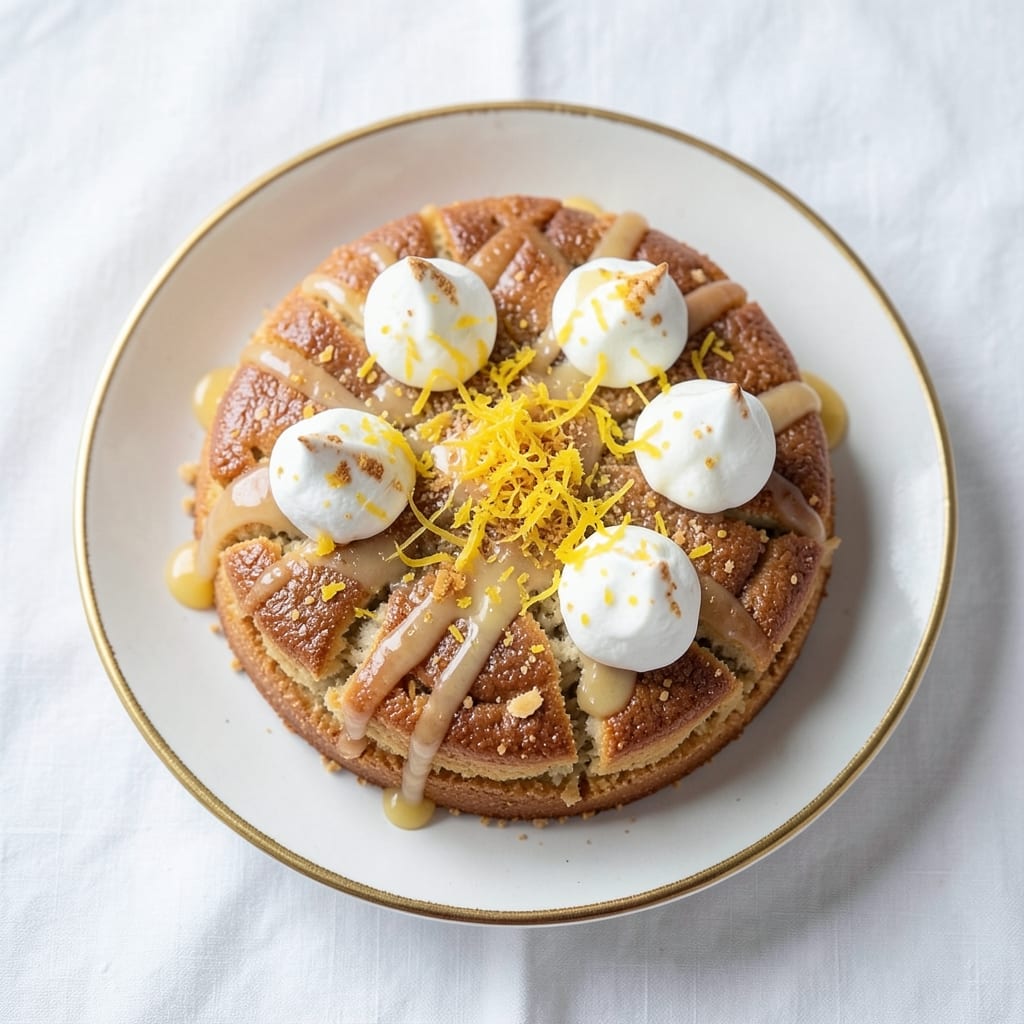
This amaretti cake recipe delivers the perfect balance of nutty almond crunch and tender vanilla heart—just like Italy’s most beloved dessert. The secret lies in finely ground almond flour and whipped egg whites, creating a delicate yet sturdy texture that’s impossible to resist. I’ve perfected this recipe over years of baking, ensuring every slice delivers that signature almond-kissed flavor with a moist, cake-like center.
The beauty of this recipe is its simplicity—just a handful of ingredients transform into a showstopping dessert. Almond flour provides the signature crunch and rich flavor, while vanilla and lemon zest brighten the nutty base. The cake bakes in 350°F for about 25 minutes, resulting in a golden top and tender crumb that’s perfect for slicing or serving whole with coffee or dessert wine.
What sets this recipe apart is the texture contrast: crisp almond crust gives way to a soft, vanilla-infused center—each bite is a harmonious blend of nutty crunch and sweetness. The cake keeps well for 3-4 days at room temperature, making it ideal for special occasions or impromptu dessert cravings. Whether you’re baking for a celebration or simply treating yourself, this recipe delivers restaurant-quality results at home.
For those with dietary preferences, you can easily adapt this recipe by substituting almond flour with a gluten-free blend or using aquafaba for a vegan version. The traditional method, however, ensures the most authentic flavor and texture—crispy edges, tender center, and that unmistakable almond aroma that fills your kitchen as it bakes.
Ingredients for amaretti cake
Finely ground almond flour meets delicate vanilla and lemon zest for Italy's signature crunchy-yet-tender cake.
| Ingredient | Amount | Notes |
|---|---|---|
| Almond Flour 🥜 | 2 ½ cups | Finely ground, unsweetened preferred |
| Granulated Sugar 🍚 | 1 ½ cups | Superfine for even baking |
| Large Egg Whites 🥚 | 5 whole | Room temperature, aged 24 hours |
| Unsalted Butter 🧈 | ½ cup | Cold, cubed for even distribution |
| Pure Vanilla Extract 🌿 | 1 tbsp | Bourbon or Madagascar preferred |
| Lemon Zest 🍋 | 1 tbsp | Freshly grated, organic preferred |
| Powdered Sugar 🍚 | 1 cup | For dusting, sifted |
| Diamond Crystal Kosher Salt 🧂 | ¼ tsp | Fine grain for delicate flavor |
| Baking Powder 🍞 | ½ tsp | Aluminum-free for neutral taste |
| Almond Extract 🥜 | ½ tsp | Pure, not imitation |
| Whole Almonds 🥜 | ½ cup | Toasted, roughly chopped |
The almond flour is non-negotiable—Bob's Red Mill or Anthony's Goods are my go-tos for that signature texture. Look for unsweetened varieties to avoid any hidden sugars that might alter the delicate balance. Egg whites should be room temperature and ideally aged 24 hours for maximum volume; I always separate them the night before. The butter must be cold when creamed—this creates the signature crispy crust. For vanilla extract, Madagascar bourbon offers the deepest flavor, though French pure vanilla works beautifully too. Lemon zest should be freshly grated from organic lemons—the vibrant color indicates peak freshness.
No almond flour? Marinated almonds blended into a fine powder works in a pinch, though texture may vary. Substitute powdered sugar with superfine granulated sugar if needed, but sift it for a smoother finish. The almond extract can be swapped for 1 teaspoon more vanilla extract, though you'll lose that signature nutty depth. For a gluten-free adaptation, ensure your almond flour is certified gluten-free—King Arthur makes an excellent version. The baking powder must be aluminum-free to prevent any metallic aftertaste, and Clabber Girl is my preferred brand. Toasting the almonds enhances their flavor—spread them on a baking sheet at 350°F for 8-10 minutes, stirring often, until fragrant.
Store the cake in an airtight container at room temperature for up to 5 days, though it's best enjoyed within 2 days for optimal texture. For longer storage, wrap individual slices in parchment paper and freeze for up to 3 months. The powdered sugar topping absorbs moisture quickly—use a fine-mesh sieve when dusting to avoid clumps. This cake pairs beautifully with espresso or dessert wine, and the aroma alone makes your kitchen feel like a Roman café. Portioning ahead ensures perfect slices every time—8 equal portions work beautifully for serving.
Why You'll Love This Recipe
- No Fuss, No Mess: I swear by this recipe—just fold egg whites into almond flour and sugar, bake, and let the meringue magic do the rest. No mixer required, no stress, just a single bowl and a sheet pan.
- Crunch Meets Cream: That crispy exterior with a soft, buttery crumb? It’s the egg whites and butter playing nice with the almond flour. Honestly, the first bite makes me forget about store-bought cookies entirely.
- Weekend or Weeknight: Slice it for breakfast with coffee, crumble it over yogurt, or serve it as dessert—it’s that adaptable. I’ve even used leftovers to top ice cream, and no one’s ever complained.
- Budget-Friendly Luxury: Almond flour might sound fancy, but it stretches further than regular flour, and the sugar and butter keep costs low. Plus, it keeps for days, so you’re not scrambling to use it all up.
Step-by-step instructions for amaretti cake
Mastering this delicate almond cake requires precision—follow these steps to achieve the signature crunchy exterior and tender vanilla heart.
Whip Egg Whites to Stiff Peaks
In a spotlessly clean, grease-free mixing bowl, combine the 5 whole large egg whites and begin whipping on low speed. Gradually add the 1.5 cups granulated sugar while continuing to whip, increasing to medium-high speed after half the sugar is incorporated. You'll notice the mixture transform from frothy to glossy and thick.
Continue whipping until stiff peaks form when the beaters are lifted—the meringue should hold its shape without collapsing. This process typically takes 5-7 minutes, but don't rush it. The sugar needs time to fully dissolve and stabilize the egg whites. The final mixture should be thick enough to hold its shape when you lift the beaters, with a smooth, glossy appearance. Fold in the 1 tbsp pure vanilla extract and 1 tbsp lemon zest at this stage, ensuring they're evenly distributed throughout the meringue.
Combine Dry Ingredients
In a separate bowl, sift together the 2.5 cups almond flour, 0.5 tsp baking powder, 0.25 tsp diamond crystal kosher salt, and 0.5 tsp almond extract. This sifting step is crucial—it aerates the dry ingredients and prevents any lumps from forming in the final batter. The almond flour should be finely ground and unsweetened for the best texture.
Gently fold in the 0.5 cup cold cubed unsalted butter using a spatula. The butter should be cold to prevent melting and maintain the delicate structure of the dry mixture. You're aiming for a consistency similar to wet sand—just combined enough to distribute the butter evenly without overmixing. Set this mixture aside while you prepare the meringue.
Gently Fold Meringue into Dry Mixture
Using a spatula, carefully fold one-third of the meringue into the dry almond mixture. This initial fold helps incorporate air and creates channels for the remaining meringue. Be gentle—you're not trying to deflate the meringue, just combine the ingredients. After the first fold, the mixture will look slightly streaked but should hold its shape when you lift the spatula.
Add another third of the meringue and fold again, cutting through the center and bringing the sides toward the middle. Repeat with the final third, folding just until no white streaks remain. The batter should be thick and glossy, with a ribbon-like consistency when you lift the spatula. Avoid overmixing—this can deflate the meringue and result in a denser cake. The final batter should be smooth and uniform, with no visible streaks of dry ingredients.
Shape and Bake the Cake
Preheat your oven to 325°F and line a 9-inch round cake pan with parchment paper, leaving an overhang on the sides for easy removal. Spoon the batter into the prepared pan and smooth the top with a wet spatula. Sprinkle the 0.5 cup toasted whole almonds evenly over the surface, pressing them gently into the batter to create that signature crunchy exterior.
Bake for 35-40 minutes, or until the top is golden brown and the edges pull away slightly from the pan. The cake is done when a toothpick inserted into the center comes out clean. Rotate the pan halfway through baking for even heat distribution. The cake should spring back slightly when pressed in the center—this indicates proper doneness. Allow the cake to cool in the pan for 10 minutes before transferring to a wire rack to cool completely.
Dust with Powdered Sugar
Once the cake is completely cool, dust the top generously with the 1 cup powdered sugar using a fine-mesh sieve. This final step creates the signature sweet coating that balances the almond flavor. Sift the powdered sugar in a circular motion, starting from the center and working outward, to ensure even coverage. The cake should have a light, dusting of powdered sugar that clings to the surface without clumping.
The finished cake should have a delicate crunch from the almonds on top, a tender vanilla-infused crumb, and a lightly sweet powdered sugar coating. Slice with a sharp knife for clean cuts, and serve at room temperature for the best texture and flavor balance. The cake keeps well at room temperature for up to 3 days, stored in an airtight container.
Pro Tips For Making Amaretti Cake
- WHISK EGGS TO STIFF PEAKS: I learned this the hard way—egg whites with even a hint of yolk will make your cake dense instead of light. Fold them in last and whip until they hold a sharp peak when you lift the whisk (yes, even if it takes 10 minutes).
- SIFT ALMOND FLOUR FIRST: Clumps in almond flour ruin texture. Pulse it in a food processor for 10 seconds, then sift directly into the bowl. This keeps the cake tender, not gritty—trust me, your bite will notice the difference.
- BAKE UNTIL GOLDEN, NOT WHITE: Underbaked amaretti stays pale and gummy. Pull it out when the edges are golden and a toothpick comes out clean—not wet. Overbaking dries it out, and nobody wants a crumbly cookie.
- CHILL THE DOUGH: Skip the rush: fold in the butter and let the dough sit covered in the fridge for 30 minutes. This relaxes the gluten (yes, even in almond flour) and makes the cookies hold their shape better when baking. (Your future self will thank you.)
Perfect pairings for this amaretti cake
Coffee Pairings
Nothing complements the nutty depth of amaretti cake like a rich Italian espresso or a smooth dark roast. I love pairing it with a double shot of espresso—the bold, slightly bitter notes cut through the sweetness while enhancing the almond flavor. For a lighter option, try a cortado (equal parts espresso and steamed milk) to balance the cake’s density without overwhelming it. 💛
Wine Pairings
A dry Moscato d'Asti from Piedmont is my go-to wine pairing—its crisp acidity and subtle honeyed notes mirror the cake’s vanilla and almond flavors without competing. For something more robust, a Pinot Noir with bright cherry notes adds depth while keeping the palate clean. Avoid heavy, oaky whites or overly sweet wines that will clash with the delicate texture.
Tea Pairings
Herbal teas like Earl Grey or jasmine green tea make elegant pairings, especially if you prefer a caffeine-free option. The bergamot in Earl Grey complements the lemon zest in the cake, while jasmine’s floral notes enhance the vanilla. For a dessert-focused tea, try a chamomile or lavender infusion—both highlight the cake’s nutty sweetness without adding extra sugar.
Seasonal Variations
In summer, I serve this cake chilled with sparkling water and a splash of orange juice—the effervescence cleanses the palate between bites. For winter, a spiced chai latte with cinnamon and cardamom adds warmth and contrasts beautifully with the cake’s cool almond crunch. The key is balancing sweetness with something refreshing or aromatic. ✨
Dessert Wine Bonus
For a truly indulgent experience, pair with a dry Vin Santo—its nutty, honeyed profile echoes the almond flour while the acidity keeps the cake from feeling too heavy. A small glass (just 1-2 ounces) is enough to elevate the dessert to restaurant-level sophistication. Serve at room temperature for the best flavor harmony.
Nutrition facts
Frequently asked questions about amaretti cake
Why does my amaretti cake turn out dense instead of light and crunchy?
The most common cause is overmixing the batter or using room-temperature butter. The meringue must be folded gently into the dry ingredients—overmixing deflates the air bubbles. Also, ensure your butter stays cold throughout the process. If your almond flour isn't finely ground, the texture will suffer too.
Can I make this recipe without almond flour?
While traditional, you can substitute with 2.5 cups finely ground marinated almonds or a 1:1 gluten-free almond flour blend. For a non-almond version, try 2 cups hazelnut flour plus 0.5 cup oat flour, though the flavor will differ. The texture won't be identical, but it'll still be delicious!
How do I store amaretti cake to keep it fresh?
Store in an airtight container at room temperature for up to 5 days. For longer storage, wrap individual slices in parchment paper and freeze for 3 months. The powdered sugar topping absorbs moisture—always use a sieve when dusting to prevent clumping.
Is there a way to make this cake vegan?
Traditional amaretti relies on egg whites for structure, but you can use aquafaba (chickpea brine) whipped to stiff peaks. Replace butter with vegan butter and use almond milk for any additional moisture. The texture will be slightly different but still delicious—expect a denser crumb without the signature crispness.
Why does my cake crack on top during baking?
Cracking usually happens from uneven heat distribution or opening the oven too soon. Rotate your pan halfway through baking and avoid peeking! Also, ensure your egg whites are fully whipped to stiff peaks—they provide the structural support. If cracks appear, they're harmless but can be covered with extra powdered sugar.